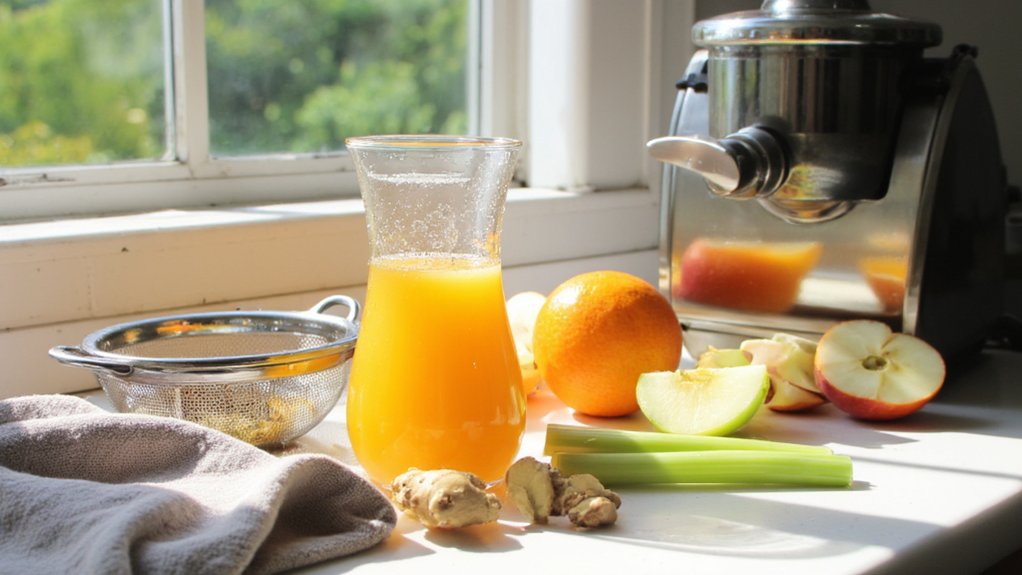
Ever wonder why your juicer sometimes spits out more pulp than juice? You’re probably making a few rookie mistakes, and the good news is they’re totally fixable. The secret isn’t just about having the right machine—it’s about choosing your produce wisely, prepping it correctly, and mastering a technique that’ll transform your juicing game. Stick around, because we’re about to reveal the strategies that’ll have you extracting every last drop like a pro.
Key Takeaways
- Select seasonal, ripe produce like summer berries and citrus to maximize juice volume and flavor extraction.
- Chop produce uniformly to fit your juicer’s feed chute and feed slowly with consistent, steady pressure.
- Use high speeds (10,000–15,000 RPM) for hard vegetables and medium-high speeds (8,000–12,000 RPM) for citrus.
- Combine watery produce like cucumbers with denser items such as carrots and apples for improved yield.
- Clean your juicer immediately after use to prevent pulp buildup and maintain optimal extraction efficiency.
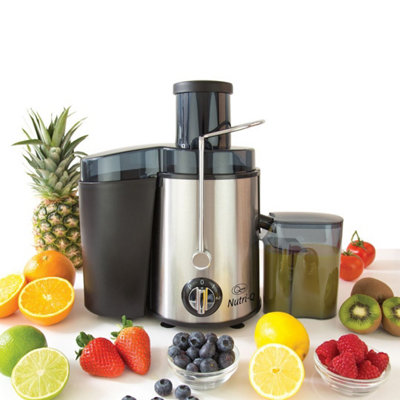

Select the Right Produce for Maximum Yield
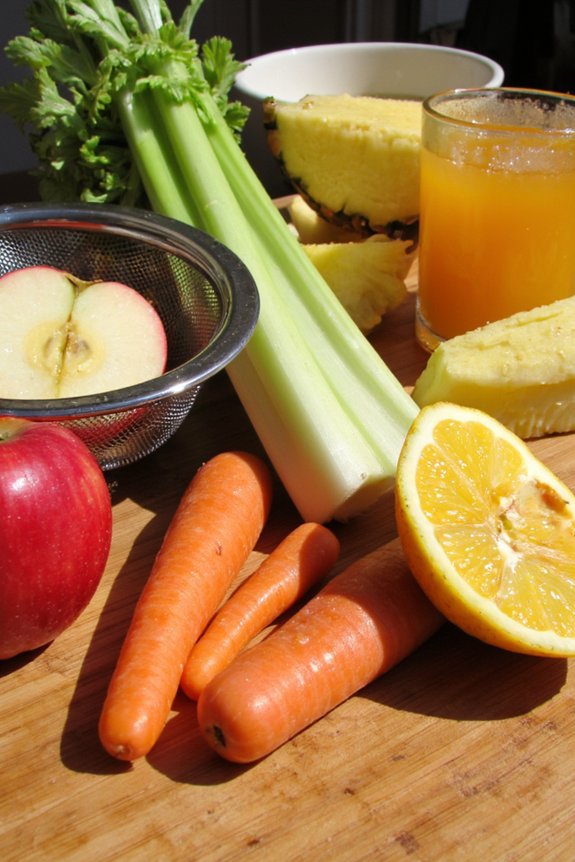
When you’re standing in front of your centrifugal juicer with a pile of fruits and veggies, you might think any produce will do—but here’s the thing: not all produce is created equal when it comes to yielding that golden nectar you’re craving.
Focus on seasonal selection first. Summer berries and citrus fruits are juice superstars, delivering maximum liquid with minimal effort. Winter squash? Not so much. Think texture pairing too—combine watery produce like cucumbers with denser items such as carrots or apples. This combo keeps your juicer humming happily and your yield skyrocketing.
Ripe fruit is your best friend here. That slightly soft mango isn’t trash; it’s liquid gold waiting to happen. Avoid anything bruised or past-prime though. You want vibrant, fresh stuff that’ll reward your efforts with explosive flavor and impressive volume. Choose wisely, juice generously.
For best results, select produce that fits your juicer’s feed chute size so you spend less time chopping and more time juicing.
Prepare Your Fruits and Vegetables Properly
Before you go all mad scientist with your juicer, you’ve gotta prep your produce like you actually care about getting the most juice out of it. First things first: rinse thoroughly under cool water to knock off any dirt or pesticides hanging around. Get those fruits and veggies squeaky clean. Next, chop uniformly into chunks that’ll fit comfortably down your juicer’s chute without jamming things up. Consistent sizes mean even processing and maximum extraction—no sad, half-juiced apple chunks left behind. Remove any tough skins, pits, and seeds that might gunk up your machine. Hard produce like carrots and beets? Cut ’em into smaller pieces. Softer stuff needs less fussing. Honestly, spending two minutes prepping saves you from a juicer meltdown later. To save even more time and improve your juicing results, consider feed chute size when prepping, as larger chutes can handle whole fruits or bigger pieces with less effort.
Master the Feeding Technique
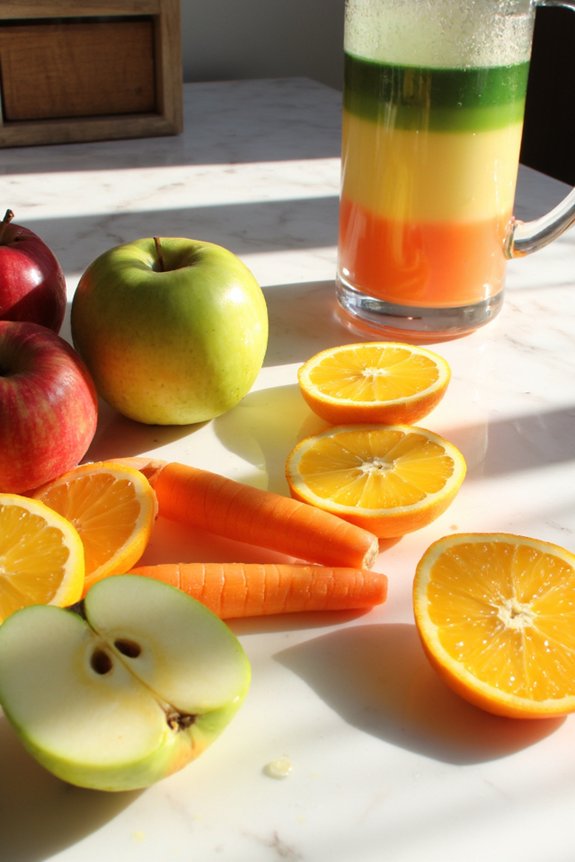
Now that your produce’s prepped and ready to roll, it’s time to learn the art of feeding your juicer like you actually know what you’re doing. Getting your feed rhythm right is honestly half the battle. Don’t just shove everything in there like you’re mad at it. Instead, go slow and steady, letting each piece get thoroughly processed before adding more. Think of it like a conversation between you and your machine, not a race. The chute angle matters too. Hold items at a slight downward tilt, working with gravity rather than against it. This simple technique prevents jamming and maximizes extraction. You’ll notice the difference immediately when produce flows smoothly through instead of getting stuck. Practice this feeding finesse, and you’ll be juicing like a pro in no time. For an even smoother experience, consider how noise level performance can impact your juicing routine, especially if you’re mindful of keeping your kitchen peaceful.

Optimize Your Machine Settings and Speed
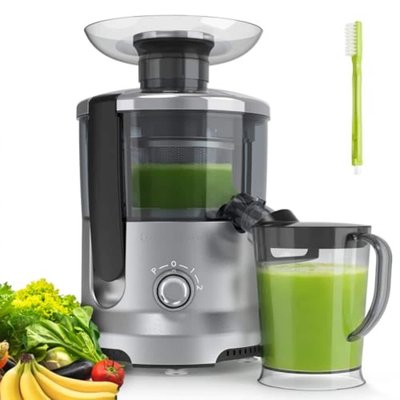
Once you’ve mastered the feeding technique, it’s time to get cozy with your machine’s settings—because not all juice is created equal, and your centrifugal juicer’s got options you’ll want to explore. Speed matters. Different produce demands different velocities for peak extraction. Soft fruits? Lower speeds. Hard veggies? Crank it up. You’ll notice motor noise increases with speed, but that’s your juicer working harder, not complaining. Finding the sweet spot between centrifugal balance and performance prevents vibration and maximizes yield.
| Produce Type | Speed Setting | Motor Noise Level | Juice Yield |
|---|---|---|---|
| Soft Fruits | Low (3000-5000 RPM) | Quiet | Moderate |
| Leafy Greens | Medium (6000-8000 RPM) | Medium | Good |
| Hard Vegetables | High (10000-15000 RPM) | Loud | Excellent |
| Citrus | Medium-High (8000-12000 RPM) | Medium-Loud | Very Good |
Experiment boldly. You’ll discover your machine’s true potential. For getting the most out of your juicer, understanding the motor power and speed settings can make a significant difference in your juice yield and the efficiency of your appliance.
Clean and Maintain Your Juicer for Peak Performance
Your juicer’s just given you liquid gold, so don’t let it turn into a crusty relic gathering dust in your cabinet. Clean it immediately after use—dried pulp’s a nightmare to remove later. Rinse the basket, filter, and blade thoroughly under running water. For blade sharpening, check your manual because some models need professional attention. Don’t skip this step; dull blades reduce efficiency and waste precious produce. Replace the gasket replacement annually or whenever you notice leaks, since it’s the seal keeping your machine working smoothly. Store everything in a dry place where moisture won’t cause rust or mold. Regular maintinance transforms your juicer from a one-hit wonder into a reliable kitchen companion that’ll squeeze out max juice for years. Just like with warranty and durability on high-quality vacuum sealers, proper maintenance of your juicer protects your investment and ensures long-term peak performance.
Frequently Asked Questions
How Long Can I Store Fresh Juice Before It Loses Nutritional Value?
You’ll want to consume your fresh juice within 24 hours for peak nutrition. Cold storage limits enzyme degradation, but you’re still losing vitamins. Refrigerate immediately to slow nutrient loss and maintain maximum nutritional value.
Can I Juice Leafy Greens and Wheatgrass in a Centrifugal Juicer?
You’ll struggle with leafy efficiency in centrifugal juicers—they’re designed for harder produce. For wheatgrass technique, you’d need a masticating juicer instead, as centrifugal models can’t properly extract delicate greens’ nutrients effectively.


What Should I Do if My Juicer Starts Making Unusual Noises?
If your juicer’s making unusual noises, you should first check the blade alignment and inspect for motor vibration issues. Stop using it immediately, unplug it, and verify all components are properly seated and secured before resuming operation.
Is It Safe to Juice Frozen Fruits and Vegetables?
Over 60% of home juicers face damage from frozen produce. You shouldn’t juice frozen fruits directly—they’ll strain your motor. Instead, thaw them first. Following frozen safety and thawing tips prevents costly repairs while preserving your juicer’s longevity and performance.
How Do I Remove Stubborn Pulp Buildup From Hard-To-Reach Juicer Parts?
You’ll want to soak those hard-to-reach parts in hot water first, then scrub with a soft brush to dislodge stubborn pulp buildup. For crevices, use the brush at different angles to make sure you’re reaching everywhere.
Conclusion
You’ve now got the recipe for juicing gold. Your centrifugal juicer isn’t just a kitchen gadget—it’s your ticket to liquid life force when you’re armed with the right produce, proper technique, and a little elbow grease. Follow these steps, treat your machine right, and you’ll be swimming in juice like you’ve struck the motherload. Happy juicing!


