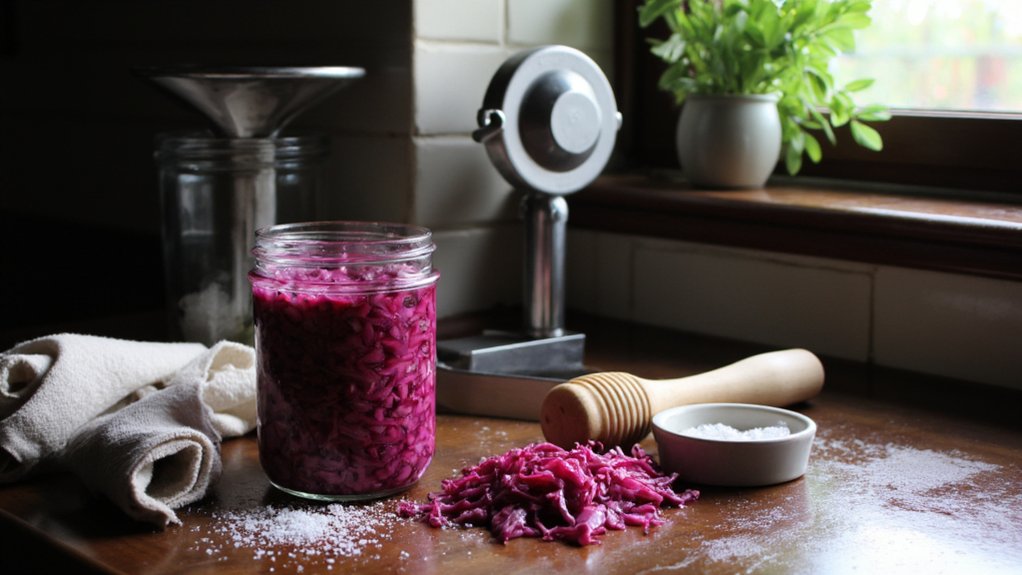
Picture your airlock sitting there, innocently bubbling away while invisible saboteurs wreck your batch. You’ve probably assumed that little device is just passively protecting your beer, right? Wrong. Your airlock’s actually a sneaky troublemaker—temperature swings suck sanitizer back in, water evaporates silently, and those bubbles you’re watching? They’re lying to you. There’s way more happening than you realize, and it’s time we talked about what brewers actually need to know.
Key Takeaways
- Temperature drops create vacuum that sucks contaminated airlock liquid back into your batch.
- Airlock water gradually evaporates; dried-out seals allow silent contamination without obvious warning signs.
- Bubbling activity reflects pressure changes, not fermentation rate—visible bubbles don’t indicate batch health.
- Three-piece airlocks require meticulous sanitization between uses to prevent cross-contamination between chambers.
- Each airlock design involves trade-offs; S-shaped locks need maintenance while three-piece models demand sanitizing effort.


The Suck-Back Problem: How Temperature Swings Contaminate Your Batch
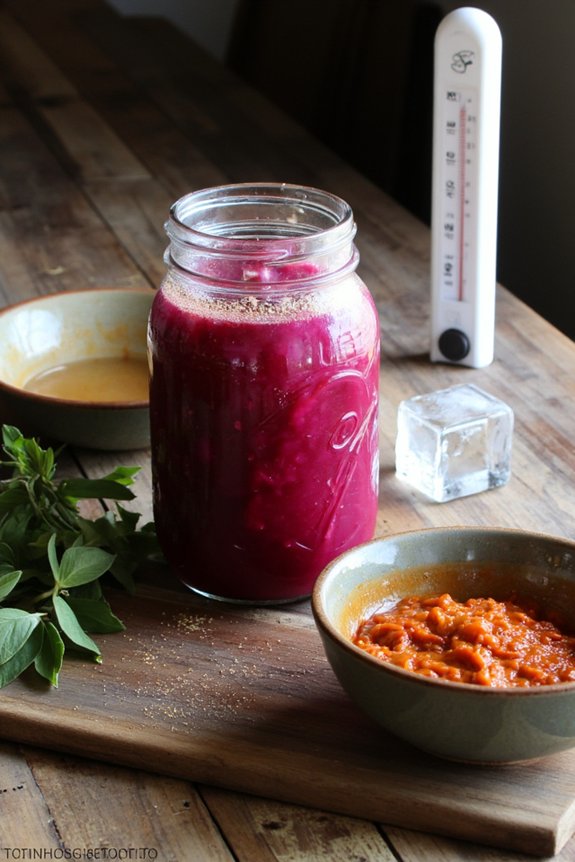
When you’re in the middle of fermentation and the temperature drops like a stone, something sneaky happens inside your airlock—something that can absolutely wreck your whole batch. Your CO2 collapse happens fast. The gas your yeast’s been producing suddenly contracts, creating a vacuum inside the carboy. That vacuum? It sucks liquid from your airlock right back into your fermenting brew. Now you’ve got contaminated water mixing with your precious batch. Temperature inversion kicks in when nighttime temperatures plummet, and boom—you’re inviting bacteria and mold to crash the party. The solution’s simple though. Keep your fermentation area stable. Use a temperature-controlled space or wrap your carboy in a blanket. Your future self will thank you when you’re not pouring a ruined batch down the drain. Just like how heat retention is crucial for coffee extraction in French presses, maintaining a steady environment is key to keeping your fermentation safe from contamination.
Airlock Drying and the Silent Fermentation Killer
As your fermentation trundles along, there’s a sneaky villain that’s way more common than you’d think—and it doesn’t announce itself with drama or fanfare. That villain? Airlock desiccation. Your trusty airlock sits there, quietly losing its water seal day after day. You won’t notice it happening. Then one morning, you peek at your carboy and realize your airlock’s basically a dried-out husk. When airlock desiccation occurs, seal degradation follows fast, leaving your precious batch vulnerable to oxygen and nasty bacteria. The thing is, it sneaks up on you because you’re not watching for it. One moment you’ve got protection; the next, you’ve got contamination creeping in silently. Keep that water topped off. Seriously. Your future self will thank you.
Why Your Airlock Activity Doesn’t Match Your Actual Fermentation
Your airlock’s bubbling away like a tiny aquatic metronome, and you’re convinced everything’s peachy keen because it’s doing its job, right? Wrong. Here’s the thing: visible activity doesn’t always mean your fermentation’s actually humming along. Those bubbles? They’re just responding to pressure differentials, not necessarily telling you the real story inside that carboy.
| What You See | What’s Actually Happening |
|---|---|
| Constant bubbling | Could be slow fermentation or just temperature shifts |
| No activity | Might still be fermenting quietly or could be stuck |
| Vigorous action | Yeast party or serious contamination event |
| Irregular bubbles | Normal variance or a genuine problem brewing |
Your airlock’s basically a liar in the best way. It’ll fool you every single time if you’re not paying attention to what’s *really* happening beneath the surface.
If you want a truly accurate picture, consider how vacuum sealers with adjustable controls offer more reliable feedback and customization than the simple visual cues from an airlock.


Hygiene Failures Nobody Talks About: Cross-Contamination in Three-Piece Systems
Between your three piece airlock’s water chamber and the carboy’s opening lies a contamination highway that most home fermenters don’t even realize exists. You’re transferring tool after tool between batches, and yeah, you’re rinsing them, but hidden germs laugh at your half-hearted rinses. That little rubber seal? It degrades faster than you’d think, especially when you’re constantly swapping airlocks around like some mad scientist conducting experiments. The real kicker is tool transfer—you sanitize your airlock but forget about the wrench, the funnel, or that spoon you grabbed from your kitchen sink. Suddenly, unwanted microbes are throw-ing a party in your precious fermentation vessel. Three piece systems demand meticulous attention or you’ll end up with a batch that tastes like regret instead of success. Just like with material safety in yogurt makers, neglecting proper sanitation and durable materials in your fermentation setup can compromise the quality and safety of your homemade batches.
Choosing the Right Airlock Type: Performance Trade-Offs Beyond the Marketing
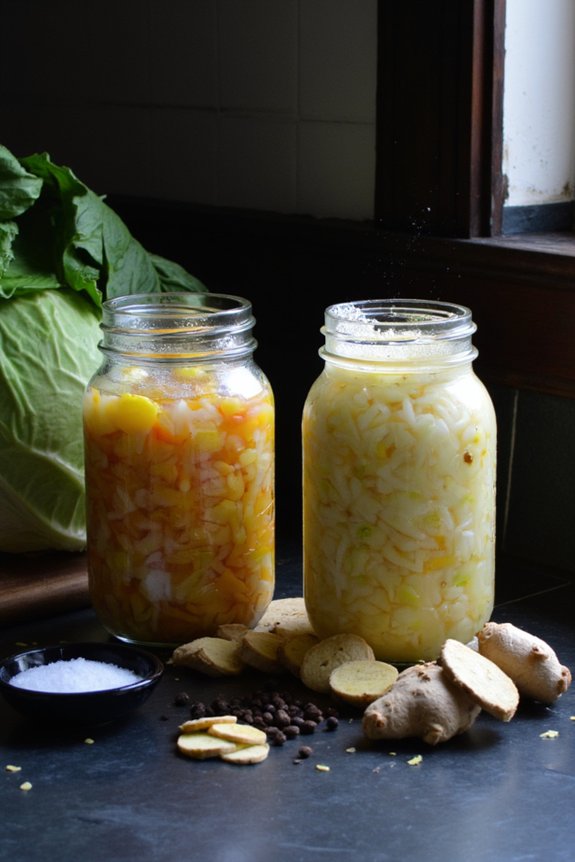
Once you’ve got your contamination nightmare under control, it’s time to face another truth that airlock manufacturers don’t exactly advertise: there’s no such thing as a perfect airlock. You’re basically picking your poison here. S-shaped locks offer reliability but demand more attention. Three-piece models give you flexibility, though they’re ergonomic nightmares when you’re elbow-deep in sanitizing. Then there’s the permeability differences between silicone and rubber seals—one breathes easier, the other locks down tighter. Your choice depends on what you’re actually brewing and how much fussing around you’ll tolerate. Honestly? Most folks overthink this. Pick something, stick with it, learn its quirks, and stop chasing the marketing hype.
Frequently Asked Questions
How Often Should I Replace My Airlock System to Maintain Optimal Fermentation Conditions?
You’ll typically replace your airlock every 1-2 years, depending on wear indicators like cloudiness or cracks. Check your replace schedule seasonally. Damaged airlocks compromise fermentation quality, so don’t delay replacements when you notice deterioration signs.
Can Airlocks Be Reused Safely Across Different Batches Without Sterilization Between Uses?
You shouldn’t reuse airlocks without sterilization; you’re risking cross contamination and microbial carryover from previous batches. Proper sanitization between uses is essential for protecting your fermentation’s integrity and preventing unwanted flavor compounds.


What Water Solution Works Best for Filling Airlocks During Extended Fermentation Periods?
You’d think plain water’s fine, but you’re mistaken—it’ll evaporate fast. You’ll want a salt solution or glycerin mix instead. They’re your best bet for extended fermentation periods, keeping that airlock functional without constant refilling.
Does Airlock Material Composition Affect Fermentation Speed or Final Product Quality?
Your airlock material doesn’t directly affect fermentation speed or quality. Whether you’re using plastic vs glass, they’re functionally equivalent. Silicone effects are minimal—focus instead on proper sealing and water maintenance.
How Do Altitude and Atmospheric Pressure Changes Impact Airlock Performance and Readings?
Your airlock’s like a barometer responding to nature’s moods. You’ll need altitude calibration adjustments since higher elevations reduce atmospheric pressure, affecting bubble rates. Pressure compensation guarantees accurate fermentation readings regardless of weather changes or elevation shifts.
Conclusion
You’ve gotta stop treating your airlock like it’s set and forget—it’s not. Remember, you can’t have your cake and eat it too when you’re ignoring temperature swings, dried-out seals, and sneaky contamination pathways. Stay vigilant. Top off that water regularly. Keep everything sanitized like your batch depends on it, because honestly? It does. Your airlock’s just the bouncer at the door—you’re the one running the club.


