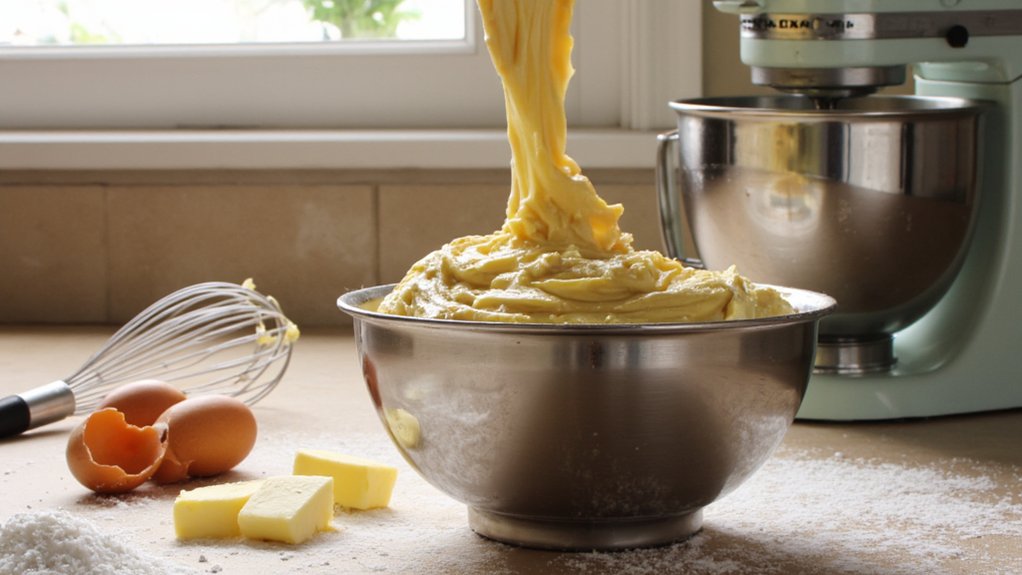
You’ve probably thought your stand mixer just spins stuff around, right? Wrong. That beater’s actually orbiting while it rotates—simultaneously—creating these wild mixing zones that’ll either nail your dough or wreck it in minutes. Speed, attachment choice, hydration timing? They’re way more critical than you realize. Most bakers never figure out why their bread turns gummy and tight, and honestly, the answer’s hiding in plain sight.
Key Takeaways
- Planetary action creates hot spots and dead zones; the attachment’s orbital path mixes intensely while bowl edges receive minimal action.
- Speed settings fundamentally change mixer behavior, not just mixing rate; higher speeds generate dangerous heat that accelerates gluten bonding unpredictably.
- Bowl and beater counter-rotate simultaneously, strengthening gluten linkages faster than hand-kneading—achieving full development in 3–5 minutes instead of 15.
- Excessive mixing breaks down fat-water emulsions through friction and shear, transforming silky dough into grainy, dense texture within seconds.
- Initial moisture distributes unevenly during early mixing; adding water too quickly produces mushy results despite planetary action’s thorough recombination capability.
The Physics Behind Planetary Motion in Your Mixer
When you flip on your stand mixer, you’re not just spinning a bowl around—you’re witnessing physics in action, and it’s honestly pretty cool. Your mixer’s genius lies in its rotational precession, where the beater orbits around the bowl while simultaneously spinning on its own axis. It’s like a planetary system in miniature, except way more delicious.
Here’s where it gets intresting: that centrifugal drift pulls your dough or batter toward the outer edges, forcing the beaters to constantly chase and recombine everything. You’re getting thorough mixing from multiple angles, not just one monotonous direction. That’s why planetary action demolishes traditional single-speed mixing. The beater hits your ingredients from above, the sides, and below, creating this beautifully chaotic dance. Your stand mixer isn’t just mixing—it’s conducting an orbital ballet.
If you’re deciding which stand mixer to buy, understanding motor power and speed control can help you pick one that makes the most of this planetary action for both delicate meringues and dense bread doughs.
Why Speed Settings Matter More Than You Think
Why’s it that your stand mixer’s speed dial feels like it should come with a warning label? Here’s the thing: those speed settings aren’t just suggestions. They’re actually critical for proper mixing. When you crank that dial higher, you’re not just making things go faster, you’re fundamentally changing how your mixer works.
Speed control directly impacts torque management, which determines whether your dough gets properly developed or turns into a gluey mess. Lower speeds build strength gradually, giving gluten time to develop naturally. Crank it too high? Your motor works harder, generating excess heat that can wreck delicate batters and doughs. It’s like the difference between a gentle massage and a wrestler’s takedown. Respect the speed settings, and your mixer’ll reward you with consistently perfect results every single time.
If you want to see how motor power and performance affect everything from bread texture to mixing efficiency, look at how top kitchen appliances like bread makers are rated and designed for strength and durability.
How Different Attachments Change Mixing Dynamics
Now here’s where things get really intresting—your stand mixer’s got three main attachment types, and each one’s basically a different player in the mixing game. The paddle attachment’s your everyday workhorse, the wire whip spins around like it’s possessed, aerating everything into fluffy submission, while that hook-shaped dough hook? It’s built specifically to knead and wrestle dough into submission with its unique curved design, giving you results that’d be impossible with the other tools. Just like how cast iron skillet versatility depends on size and design, each mixer attachment changes how ingredients interact and blend, so picking the right one is crucial for the best results.
Paddle vs. Wire Whip
Envision this: you’re standing in front of your stand mixer, staring at a small collection of metal attachments, and suddenly you’re wondering if you’ve been using the wrong one all along. Here’s the thing—the paddle and wire whip aren’t interchangeable, and that’s where most folks get tripped up.
The paddle handles dense doughs like a champ, creaming butter and sugar together with impressive efficiency. But the whip? That’s your aeration specialist. It incorporates air into batters and cream, creating those fluffy, cloud-like textures you’re chasing.
Speed calibration matters here. Lower speeds with your paddle prevent overworking; higher speeds with your whip whip everything into submission. And whisk maintenance? Don’t ignore it. Those wires collect stubborn bits. Rinse ’em thoroughly, or your next batch suffers the consequences. Choose wisely.
When considering stand mixer attachments, it’s helpful to remember that blade and disc options in food processors work similarly—each shape and style serves a purpose and isn’t universally interchangeable.
Hook’s Hook-Shaped Design
The dough hook’s distinctive curved design isn’t just for show—it’s engineered to handle what the paddle and whip simply can’t. You’re working with dense, stubborn dough that needs real muscle. That hook-shaped design creates a curved clearance around the bowl, allowing it to knead effectively without leaving unmixed pockets of flour hiding in the corners. The ergonomic grip keeps your mixer balanced and stable during those intense kneading cycles. Here’s the thing: while paddles are lazy and whips are just showing off, hooks actually *work*. They fold, stretch, and push dough with purpose. You’ll notice your bread develops better structure, your pizza dough gets chewier, and your biscuits turn out fluffier. It’s like having a tiny baker inside your machine who actually knows what they’re doing.
Whip Attachment Aerating Power
While that hook’s busy doing the heavy lifting in the dough department, there’s another player on the team that’s got a completely different job—and honestly, it’s kind of the show-off we mentioned earlier. That’s your whip attachment, baby. This thing’s designed for one thing: incorporating air into whatever you’re mixing. You’re talking serious aeration efficiency here. When you’re whipping cream or egg whites, that whip doesn’t just stir—it actually introduces tons of tiny air bubbles. That’s what creates that fluffy, cloud-like texture you’re after. The foam stability you get? It’s genuinely impressive. That whip’s wires move fast enough to trap air without deflating it, creating structure that actually holds. It’s basically engineering in your kitchen, and it works like magic every single time. In fact, just like blade design and motor speed affect performance in top blenders, the whip’s unique shape and rapid motion are what ensure such effective aerating action in your stand mixer.
The Hidden Impact on Gluten Development
Most bakers don’t realize that their stand mixer’s planetary action does way more than just save their arms from getting tired. You’re actually manipulating gluten development in ways that hand-kneading never could. Here’s the thing: that constant rotation generates heat, which affects enzyme activity and speeds up gluten strand formation. Your hydration timing matters too—the mixer’s consistent speed means water integrates uniformly, which you can’t replicate by hand. Temperature control becomes essential because all that friction heats your dough faster than you’d expect. Don’t skip resting intervals between mixing speeds, either. Those pauses let gluten relax and reorganize, creating stronger networks. The planetary motion’s genius? It’s doing the heavy lifting while you’re just standing there, watching your dough transform into something genuinely spectacular.
Ingredient Behavior in Planetary Action Systems
When you’re mixing dough in a stand mixer with planetary action, you’re basically watching a fascinating dance where your ingredients transform right before your eyes. The bowl spins one way while the beater goes the opposite direction, and this double motion creates some pretty wild stuff—your flour’s gluten strands start linking up stronger than they would by hand, fats get distributed more evenly throughout the dough, and the whole mixture develops a strength and elasticity that’d take you forever to achieve manually, all while the mixer does the heavy lifting.
How Dough Develops Strength
As you’re mixing dough in a stand mixer with planetary action, something pretty remarkable is happening inside that bowl—your ingredients aren’t just getting combined, they’re actually transforming into something stronger and more elastic. The magic happens through protein alignment. Those gluten strands are getting stretched and organized, building structure with every rotation. But here’s the thing: hydration timing matters just as much. Add your water too fast, and you’ll get a mushy mess. Space it out strategically, and you’ll develop serious strength. The planetary action keeps everything moving, folding over itself repetitively. Your dough goes from shaggy and weak to smooth and resilient. That’s not just mixing—that’s actual alchemy happening in real time.
Fat Distribution During Mixing
Now here’s where things get interesting—because all that dough strength you’ve just built? It’s about to meet its match with fat. See, when you’re mixing in butter or oil, your mixer doesn’t just blend it in evenly. Those fat pockets get distributed throughout the dough in ways that’ll blow your mind. The planetary action actually helps create smaller, more uniform fat particles, which sounds great until you realize what’s happening to your emulsion stability. The friction and shear from constant mixing can break down those careful fat-water bonds you’ve been developing. Your dough goes from silky smooth to slightly grainy if you’re not careful. It’s like watching a delicate balance teeter on the edge. Time your fat additions wisely, my friend.
Gluten Formation Patterns Change
Because your stand mixer’s planetary action creates such intense, relentless friction, gluten strands don’t develop the way they do with gentler hand-kneading or slower mixers. You’re basically speed-dating your dough into submission. The rapid bowl rotation combined with the beater’s countermotion generates significant temperature gradients throughout your mixture, which actually accelerates gluten bonding in ways that can surprise you. Your hydration patterns shift too, with moisture distributing unevenly at first before evening out.
| Stage | Hand Kneading | Planetary Mixer |
|---|---|---|
| Time to Development | 10-15 minutes | 3-5 minutes |
| Gluten Structure | Gradual, controlled | Intense, rapid |
| Temperature Rise | Minimal | Noticeable |
| Consistency | Predictable | Aggressive |
You’ll notice tighter, denser networks forming faster. It’s honestly kind of wild watching dough transform so quickly under mechanical power.
Common Mixing Mistakes and Their Real Consequences
Even though your stand mixer’s got that fancy planetary action working overtime, you can still mess things up pretty spectacularly. One major pitfall? Over mixing consequences are real, friend. Push that dough too long and you’ll end up with a dense, tough mess that’d bounce off your countertop. Another sneaky mistake involves ingredient temperature. Cold butter and room-temperature eggs don’t play nice together, creating lumpy batter that your mixer can’t salvage no matter how hard it tries. Then there’s the classic error of ignoring your mixer’s speed settings. Cranking it to maximum immediately? That’s how you decorate your kitchen with flour explosions. Start slow, build gradually, and actually watch what’s happening in that bowl. Your muscles—and your results—will thank you for paying attention.
Optimizing Your Technique for Different Recipes
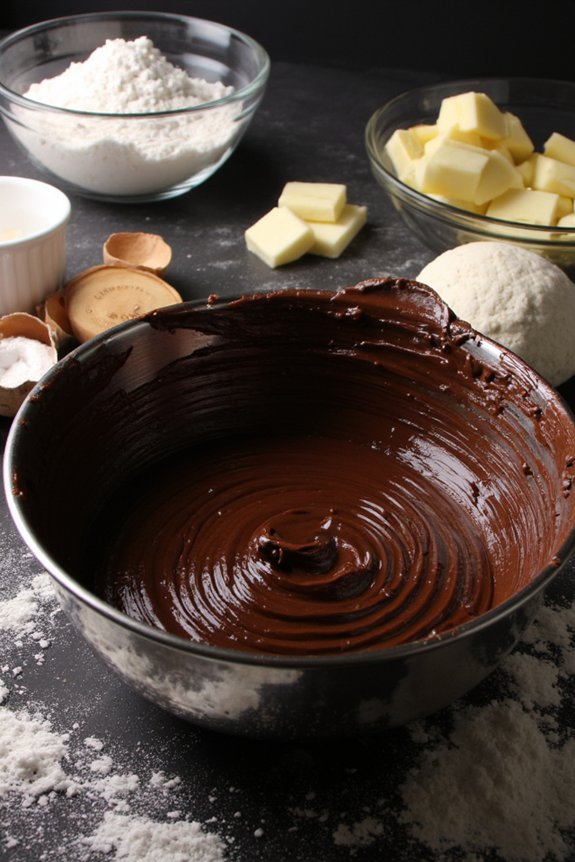
Once you’ve mastered the basics and stopped flinging flour everywhere, it’s time to get strategic about how you’re actually using that planetary action. Different recipes demand different approaches, and here’s where things get intresting. Temperature control matters way more than you’d think—cold butter needs a gentler touch, while room-temperature ingredients can handle the mixer’s full power. Ingredient sequencing is your secret weapon too. Dry ingredients first, then liquids? Nope. Think about what each recipe actually needs. Bread dough loves aggressive mixing; delicate cake batter doesn’t. Start slow with eggs and sugar, then amp it up. You’re not just mixing anymore—you’re orchestrating. That planetary motion works hardest when you’ve got the strategy dialed in perfectly.
The Role of Bowl Angle and Attachment Geometry
Your mixer’s bowl angle and the geometry of those attachments aren’t just aesthetic choices—they’re actually the unsung heroes quietly determining whether your dough turns out silky or your frosting ends up separated. That subtle bowl tilt isn’t random. It’s engineered to guide ingredients toward the attachment offset, which means your paddle, hook, or whip hits every corner without dead zones. Think of it like a perfectly choreographed dance where nothing gets left behind. When manufacturers position attachments just right, you get superior mixing with less effort. The bowl angle creates a natural current, funneling stubborn flour or cream into the attachment’s path. Even small variations matter here. A steep angle works great for whipping air into meringues, while a gentler tilt suits dense doughs better. Understanding this geometry transforms your baking game entirely.
Maximizing Efficiency by Understanding Mixing Zones
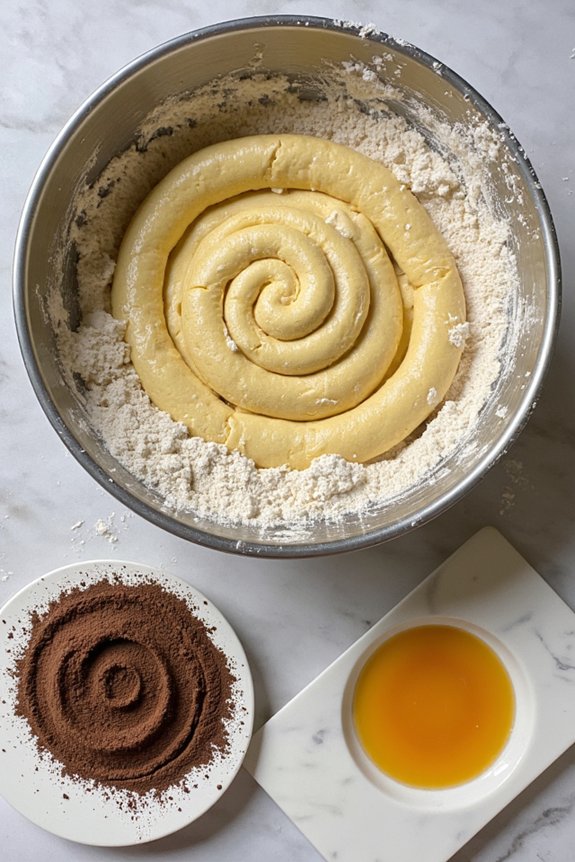
Within that swirling vortex of your mixer bowl, there’s actually a hierarchy of mixing zones—think of them like VIP sections at a concert where some spots get way more action than others. The real magic happens where your attachment’s moving fastest. That’s where your energy hotspots live, baby. The outer edges? They’re basically the nosebleed seats. Understanding these mixing zones transforms you from an average baker into someone who actually knows what’s happening. Your dough gets way better texture when you recognize where the real work occurs. The sweet spot’s usually near the attachment’s trajectory, where it’s constantly engaging fresh material. Pay attention to how your ingredients move, not just whether they’re spinning around. You’ll notice everything mixes faster, more evenly. It’s like discovering your mixer’s got secret superpowers you’ve been ignoring the whole time.
Frequently Asked Questions
Why Does My Mixer Vibrate Excessively During Planetary Mixing Action?
Your mixer’s vibrating excessively because of motor imbalance or attachment misalignment. You’ll want to check that your bowl’s seated properly and your beaters aren’t bent. Tighten any loose components immediately.
How Often Should I Replace Worn Planetary Gears and Bearings?
You’ll typically need to replace your worn planetary gears and bearings every 5-10 years with regular use, depending on your maintenance interval. Listen for grinding noises indicating wear—that’s your noise reduction cue to schedule replacement.
Can Planetary Mixers Handle Very Thick or Stiff Dough Batches?
You’ve got it—planetary mixers handle thick, stiff doughs well with high torque motors that won’t strain. Just adjust your dough hydration levels accordingly, and you’ll get consistent results without overwhelming the machine.
What’s the Ideal Bowl Size for Optimal Planetary Motion Efficiency?
Studies show you’ll lose 15% mixing efficiency with undersized bowls. Your ideal bowl diameter creates peak mixing clearance, allowing the attachment to reach all dough areas. You’re maximizing planetary motion when there’s balanced space around the bowl’s perimeter.
Does Planetary Action Work Differently With Commercial Versus Home Mixers?
Yes, you’ll notice significant differences. Commercial mixers use more powerful motor scaling for higher speeds and longer run times. Your home mixer’s attachment compatibility is also more limited, affecting how effectively you’re achieving planetary motion with various bowl sizes.
Conclusion
You’ve now got the secret sauce—your mixer isn’t just stirring, it’s orchestrating a dance that can make or break your dough. So here’s the thing: respect the speed, pick the right attachment, and watch those mixing zones like a hawk. You’re basically holding the power to transform flour into somethin’ spectacular or, well, a gummy disaster. Now go forth and mix smarter, not harder.


