
Your spice grinder’s got untapped potential. Sesame seeds ground fresh release nutty depth, while fennel brings warm, licorice-like magic to savory dishes. Sunflower seeds add subtle richness without stealing the show, and nigella’s bold, peppery punch deepens curry blends beautifully. Then there’s macadamia nuts—they transform into creamy butter that’s perfect for both sweet and adventurous savory applications. Each one brings something unexpected to the table, and there’s way more flavor territory to explore.
Key Takeaways
- Sesame seeds ground fresh release nutty aromas and can be fermented to deepen flavor complexity.
- Fennel seeds add warm, licorice-like sweetness to savory dishes and should be used sparingly.
- Sunflower seeds provide subtle nuttiness and heart-healthy nutrients without overpowering other blend ingredients.
- Nigella seeds deliver bold, peppery flavor that deepens when lightly toasted before grinding.
- Macadamia nuts create creamy, buttery textures and luxurious spreads perfect for sweet applications.

Sesame Seeds: The Nutty Foundation

If you’ve ever wondered what makes those tiny seeds on your bagel worth all the hype, well, you’re about to find out. Sesame seeds are honestly the nutty foundation of any spice grinder collection. These little powerhouses pack serious flavor when you grind ’em fresh. What’s kinda cool is that sesame fermentation can actually enhance their depth, making them taste even richer and more complex than you’d expect from something so small.
You’ll also notice sesame pigmentation varies—white, black, or tan varieties each bring their own vibe to your cooking. Black sesame seeds? They’re got this earthy, slightly bitter punch that’ll boost your dishes. Ground sesame creates a paste called tahini, but fresh-ground whole seeds add texture and intensity that’s hard to beat. Definitely worth keeping a stash in your spice grinder. For best results, use a cast iron skillet to toast sesame seeds before grinding, as its even heat distribution brings out their full nutty aroma.
Fennel Seeds: Sweet and Aromatic Magic

Ever wonder why fennel seeds taste like licorice had a baby with sweetness? You’re gonna love what these little powerhouses bring to your spice grinder. They’re basically nature’s candy with serious flavor credentials.
Here’s what makes fennel seeds so special:
- Warm, slightly sweet flavor that transforms savory dishes
- Natural digestive support, one of the key fennel seed benefits
- Beautiful pale green color that adds visual interest
- Perfect for grinding fresh into curries and breads
- Essential ingredient in fennel liqueur recipes for adventurous cooks
When you grind fennel seeds fresh, they release this incredible aromatic oil that’s impossible to ignore. Your kitchen will smell amazing. They’re fantastic in Indian cooking, baking, and honestly, even tea. Start small though, since their flavor’s pretty bold and can easily overpower a dish if you’re not careful. Many electric spice grinders are designed to handle seeds like fennel, ensuring you get the freshest flavor and aroma every time you grind.
Sunflower Seeds: The Underrated Powerhouse

While fennel seeds steal the spotlight with their licorice charm, sunflower seeds deserve way more credit than they usually get. You’ll find them incredibly versatile in your spice grinder, adding a subtle nuttiness to everything from curries to bread blends. They’re packed with vitamin E and selenium, making them perfect for heart healthy snacking when you roast them with your favorite spices. What’s really cool is how they transform in roasted seed blends, becoming crispy flavor boosters rather than just background players. Grind them with cumin and coriander, and you’ve got something special. They won’t overpower your dishes but instead create depth and richness that’ll have people wondering what your secret ingredient is. Seriously, it’s time to give sunflower seeds their moment.
Nigella Seeds: Bold Flavor in Tiny Packages

How do something so small pack such an attitude? Nigella seeds, also called black cumin, are tiny black powerhouses that’ll transform your spice grinder game. You’re looking at bold, nutty flavors that pack a peppery punch without overwhelming your palate.
These little seeds have serious historical uses, showing up in Middle Eastern, Indian, and Mediterranean cuisines for centuries. They’ve got staying power for good reason.
Here’s what you can do with them:
- Toast them lightly before grinding for deeper flavor
- Pair with warm spices like cumin and coriander
- Sprinkle on breads and pastries for texture
- Combine with yogurt for tangy dips
- Mix into curry blends for complexity
The culinary pairing possibilities are endless. Your spice grinder’s about to get a whole lot more interesting with these attitude-filled seeds.
Macadamia Nuts: Buttery Richness Unleashed

Macadamia nuts bring a whole different energy to your spice grinder compared to those tiny, peppery nigella seeds you just learned about. These creamy powerhouses grind into something almost buttery that’ll transform your cooking game. You’re looking at a rich, smooth texture that’s way different from typical spice grinding. When you pulse macadamia nuts, they release oils that create a luxurious macadamia butter perfect for sweet applications. Think chocolate, vanilla, or cinnamon dessert pairings that’ll make your taste buds sing. The mild, slightly sweet flavor plays beautifully with warm spices, giving you endless possibilities. Ground macadamias work wonders in baked goods, smoothies, or even savory dishes if you’re feeling adventurous. They’re definitely worth experimenting with. If you love experimenting with different textures, you might want to explore grinders that offer multiple grinding plates, which can help you customize the consistency of your ground macadamias and other nuts.
Frequently Asked Questions
How Long Do Freshly Ground Seeds and Nuts Stay Fresh in Airtight Containers?
You’ll find your freshly ground seeds and nuts stay fresh for about two weeks in airtight containers. For ideal shelf life and flavor retention, you should store them in a cool, dark place away from heat and light.
Can I Grind Seeds and Nuts Together, or Should I Process Them Separately?
You can grind seeds and nuts together, but you’ll achieve better results processing them separately. This approach lets you control flavor pairing and texture contrast, ensuring each ingredient reaches your desired consistency without compromise.
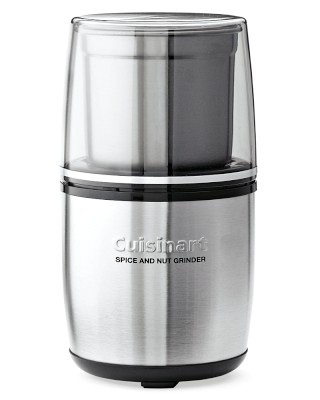
What’s the Best Way to Clean a Spice Grinder Between Different Ingredients?
You’ll want to grind uncooked rice or bread crusts between ingredients—it’s one of the best cleaning hacks. For odor removal, wipe the interior with a damp cloth and let it air dry completely.
Do I Need to Toast Seeds and Nuts Before Grinding Them?
You don’t need to, but you should. Toasting benefits your grinder results markedly. The heat triggers flavor chemistry, releasing essential oils and deepening taste profiles. You’ll notice richer, more complex flavors in your final ground spices.
Are There Any Health Risks or Allergies Associated With Grinding These Ingredients?
You’ll want to watch for allergic cross reactivity since nuts and seeds share similar proteins. If you’re sensitive, grinding can create fine particles causing digestive irritation. Always check ingredient labels carefully.
Conclusion
You’ve got some seriously underrated options for your spice grinder now. Honestly, experimenting with these seeds and nuts’ll transform how you cook, adding depth and complexity to everything from curries to salad dressings. Start small, taste as you go, and don’t be afraid to mix them together. Your kitchen’s about to get a whole lot more interesting, and your taste buds will thank you.


