Cook efficiently on your portable induction cooktop by matching magnetic cookware with flat bottoms to your burners—this ensures proper contact and even heating. Start low and adjust gradually since induction responds instantly, preventing temperature overshoots. Prep everything before you turn it on; the speed of induction means you’ll need ingredients ready to go. Use lids to cut cooking time roughly in half, batch similar tasks together, and stack dishes strategically. Master these fundamentals, and you’ll open tricks that’ll transform how fast you actually get dinner on the table.
Key Takeaways
- Use flat-bottomed, magnetic stainless steel or cast iron cookware matched to burner size for optimal heat transfer and efficiency.
- Prep all ingredients before cooking and organize them by temperature to leverage induction’s instant heat response and minimize idle time.
- Start at low power and adjust gradually to avoid temperature spikes; use lids to cut cooking time roughly in half.
- Plan meal sequencing by cooking time, batch similar dishes, and stack cookware strategically to cook multiple items simultaneously.
- Test pan compatibility with a magnet and ensure flat base makes full contact with the coil for reliable heating.
Understanding Induction Cooking Technology
If you’ve ever wondered why induction cooktops seem like they’re straight out of the future, well, you’re not entirely wrong. Here’s the thing: instead of using traditional heating elements, induction cooktops use electromagnetic energy to heat your cookware directly. The magic happens through coil dynamics beneath the surface, where electrical coils generate magnetic fields that interact with compatible pots and pans. This magnetic coupling is what makes the whole system work so efficiently. When you place a ferromagnetic pan on the cooktop, the magnetic field causes electrons to move, creating heat right in the cookware itself rather than wasting energy heating the cooktop surface. It’s basically like your pan becomes the heater, which is pretty cool. Your cookware does most of the heavy lifting, making everything faster and safer than you’d expect. For the best results, it’s important to use magnetic cookware that matches your induction cooktop’s requirements for optimal efficiency and safety.
Selecting the Right Cookware for Your Induction Cooktop
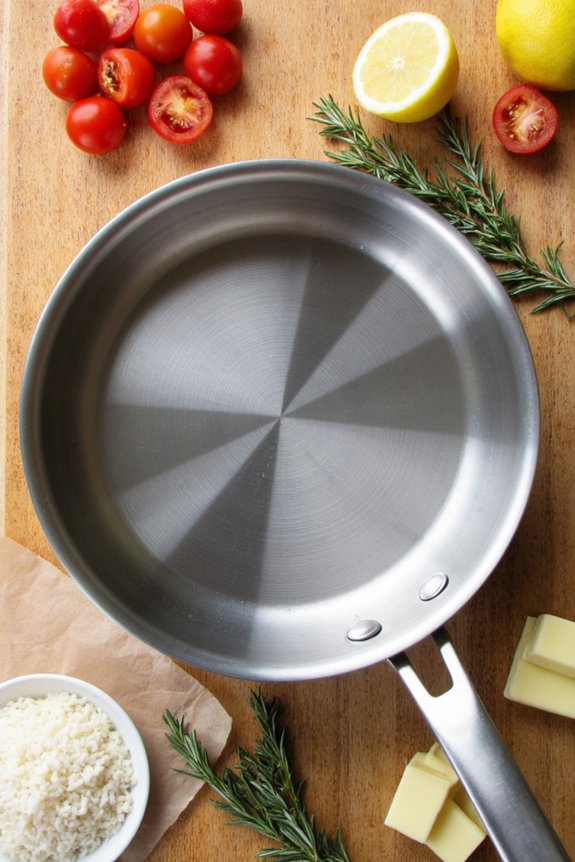
Since induction cooktops are pretty picky about what cookware they’ll actually work with, you’ll want to make sure you’ve got the right stuff in your kitchen before you start cooking. The key is grabbing magnetic cookware, which is essential because induction technology relies on magnetic fields to heat your pans directly. Look for stainless steel or cast iron options that’ll stick to a magnet. Energy efficient pans with flat bottoms work best too, ensuring maximum contact with the cooktop surface. Avoid copper, aluminum, or glass cookware since they won’t cooperate with induction technology. Check your current collection by testing pans with a magnet, and invest in quality magnetic cookware if needed. Your portable induction cooktop will perform so much better when you’re using the right equipment. Many cast iron skillets are induction-compatible, offering excellent heat retention and making them a top choice for induction cooking.
Mastering Temperature Control and Power Levels
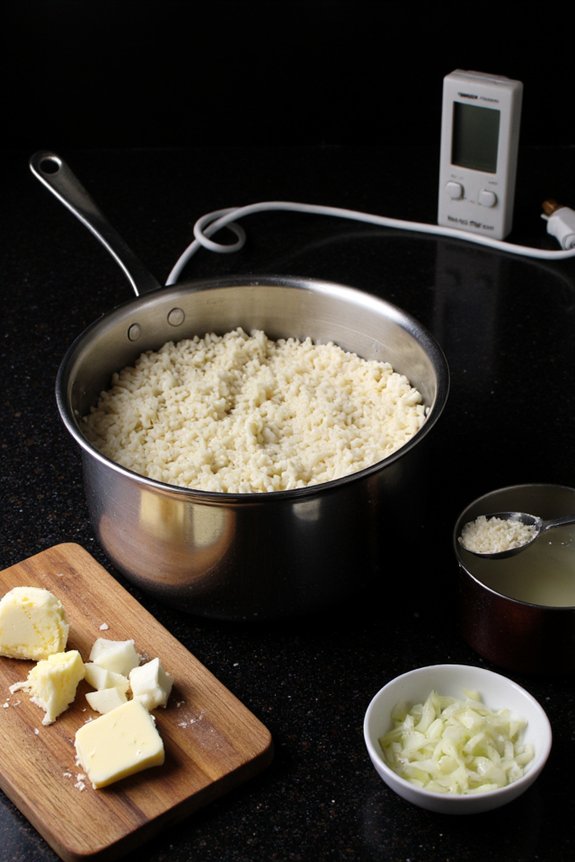
Once you’ve got the right cookware locked in, the fun part really begins—figuring out how to control the heat.
Most portable induction cooktops let you dial in your exact temperature or choose power levels, giving you serious precision. Here’s what you need to know:
- Start low and adjust gradually to avoid temperature spikes
- Use precise simmering by setting lower power levels for delicate dishes
- Experiment with power scaling tips like medium-high for faster cooking
- Test your settings with water before adding food
You’ll notice that induction responds instantly, so you don’t need to overshoot. The cooktop’s digital display shows exactly what you’re working with. Once you get comfortable with these controls, you’ll cook faster and waste less energy. It’s honestly pretty satisfying once it clicks.
For even greater efficiency, consider pairing your induction cooktop with rapid boiling electric kettles to preheat water quickly for tasks like pasta or tea.
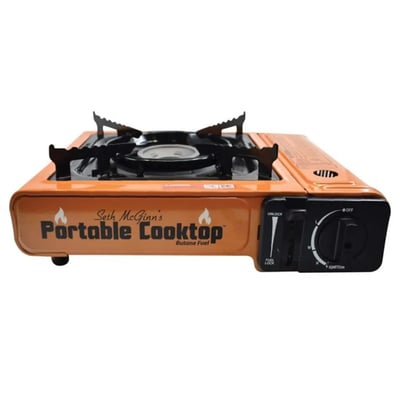

Efficient Meal Prep Strategies for Compact Cooking
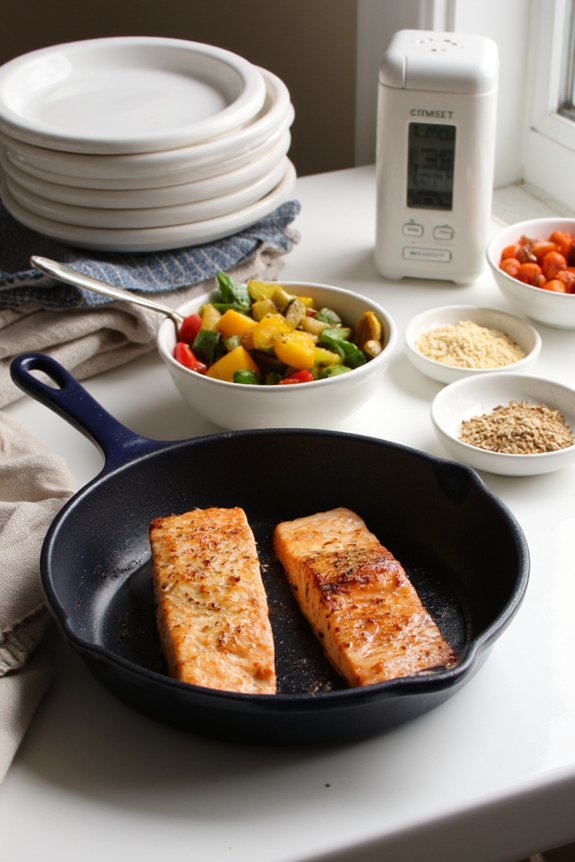
When you’re working with a single burner, you’ll want to plan your meals around what actually makes sense to cook in sequence, thinking about which dishes need high heat first and which can simmer while you prep the next component. Batch cooking strategic portions—like prepping all your proteins at once or getting your grains and veggies ready in stages—saves you from constantly switching gears and keeps your compact cooking space from turning into absolute chaos. Organizing your ingredients by temperature needs means you’re not scrambling mid-cook, since you’ll already know which items hit the burner first and which ones can hang out waiting their turn. For even smoother meal prep, consider using removable, dishwasher-safe parts that simplify cleanup and keep your workspace organized as you move between dishes.
Plan Meals Around Heat
Because your induction cooktop heats up faster than traditional stoves, you’ll want to think differently about how you prep and plan your meals. Since everything cooks quicker, strategy becomes your best friend in the kitchen.
Here’s how to get the most out of your compact setup:
- Prep ingredients in advance so you’re ready when heat’s on
- Group recipes by cooking method to minimize shifts between dishes
- Use leftover reinvention by planning tomorrow’s meal around tonight’s extras
- Embrace seasonal pairing to work with what’s fresh and available
Think about batching similar tasks together. If you’re boiling water, make pasta, then rice, then veggies all at once. Your portable cooktop rewards planning ahead. When you map out meals around heat efficiency, you’re not just cooking faster—you’re cooking smarter. For even greater efficiency, consider matching capacity to cooking needs when planning meals, as choosing the right pot size helps avoid wasted energy and ensures faster results.
Batch Cook Strategic Portions
Planning your meals around heat efficiency gets you halfway there, but you’ll really unleash your portable cooktop’s potential when you start thinking in batches. Batch cooking with your induction cooktop means preparing larger quantities strategically, so you’re maximizing every minute of cooking time.
| Dish | Cooking Time |
|---|---|
| Rice | 18 minutes |
| Beans | 45 minutes |
| Vegetables | 12 minutes |
| Protein | 20 minutes |
Think about meal sequencing smartly. Start your longest-cooking items first, then layer in quicker components. This approach saves energy and time. With portion scaling, you’re cooking once but eating multiple meals. You’ll prep a big batch of grains, proteins, and veggies, then mix and match throughout your week. Your cooktop works smarter, not harder, and you’ll actually have breathing room in your schedule.
Organize Ingredients by Temperature
Grouping your ingredients by temperature requirements is like organizing your cooktop’s workflow before you even turn it on. You’re basically creating a system that makes cooking faster and smoother.
Here’s how to nail this strategy:
- Keep proteins and dairy in a chilled ingredient zoning setup near your cooktop
- Arrange room temperature rotation items for quick access without temperature shock
- Store your produce separately based on how heat-sensitive it actually is
- Group liquids and seasonings where you can grab them one-handed
When you organize this way, you’re not scrambling mid-cook. Your portable induction cooktop heats up so quick that having everything prepped and sorted saves you precious minutes. Plus, you’ll avoid that annoying situation where cold ingredients mess up your cooking rhythm. It’s honestly the difference between feeling frazzled and feeling totally in control.
Quick Cooking Techniques That Save Time
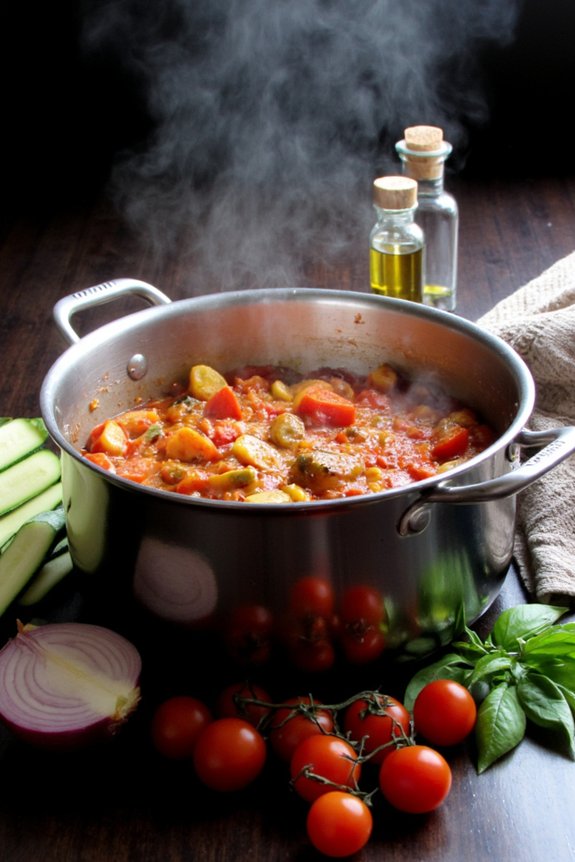
When you’re cooking on a portable induction cooktop, you’ll want to get your ingredients prepped and ready before the heat kicks in, because once that burner’s going, you’re basically racing the clock. Crank those heat settings up high (yes, induction cooktops can handle it), and you’ll cut your cooking time down markedly, plus you can even stack multiple dishes together on the cooktop surface if you’re clever about it. The trick is knowing that these three moves—prepping ahead, using maximum heat, and stacking strategically—work together like a well-oiled machine to get your meal on the table faster without sacrificing taste or turning your kitchen into a sauna.
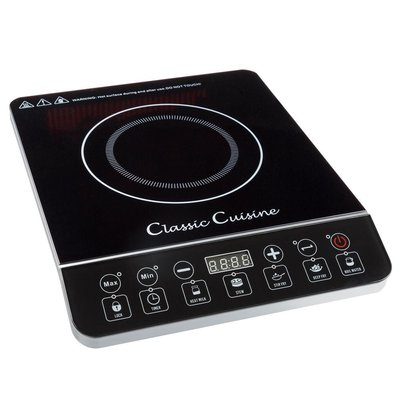

Prep Ingredients Beforehand
Since induction cooktops heat up faster than traditional stovetops, you’ll want to have your ingredients prepped and ready to go before you even turn the burner on.
This approach, known as mise en place, is a game-changer for efficient cooking. By organizing everything in advance, you’re basically setting yourself up for success. Here’s what you should do:
- Chop your veggies and measure out spices into small bowls
- Marinate proteins ahead of time for better flavor development
- Group similar ingredients together using ingredient batching techniques
- Keep prepped items within arm’s reach of your cooktop
You’ll be amazed at how much smoother your cooking experience becomes when you’re not scrambling around looking for that one thing you forgot. It’s honestly the difference between feeling frazzled and feeling totally in control.
Use High Heat Settings
Now that you’ve got everything prepped and within arm’s reach, it’s time to actually cook, and here’s where induction cooktops really shine. You can crank those heat settings way up without worrying about hot spots or burnt edges. This is where rapid boiling becomes your best friend, getting water to a rolling boil in what feels like seconds. Use high heat for sear techniques too—those beautiful, caramelized crusts on your proteins happen fast on induction. The responsiveness is honestly incredible. Turn the dial up, and the heat responds immediately. Turn it down, and it cools just as quick. No lag time, no guessing. That’s the magic that makes induction cooktops so efficient for quick cooking.
Stack Multiple Dishes Together
Because induction cooktops heat cookware so efficiently and responsively, you’ve got a real opportunity to work smarter, not harder, by cooking multiple dishes simultaneously on a single burner. Here’s how to maximize your time:
- Use stacked steaming baskets to cook vegetables while rice cooks below
- Create a layered casserole that bakes while proteins sear on top
- Nestle smaller pots inside larger ones for efficient heat distribution
- Combine complementary cooking times so everything finishes together
Your portable induction cooktop becomes a multitasking powerhouse when you get creative with stacking. The consistent heat means you won’t have hot spots ruining your layered casserole or uneven steaming. Just keep an eye on things and adjust settings as needed. You’ll cut your cooking time substantially, which honestly makes weeknight dinners way less stressful.
Maximizing Energy Efficiency While Cooking
Get the most bang for your buck by mastering a few smart moves on your portable induction cooktop. First, understand thermal zoning—basically, you’re using the right burner size for your pot so energy isn’t wasted heating empty space. It sounds simple, but it’s a game-changer.
Next up: minimize stand by losses. Don’t leave your cooktop idling between dishes. Turn it completely off instead of letting it sit on low heat, which drains power for nothing.
Here’s another trick. Use lids on your pots whenever possible. You’ll cut cooking time roughly in half, which means less energy consumed overall. Also, match your cookware flat-bottomed to the cooktop surface perfectly. Poor contact means wasted heat and frustrated you.
These small adjustments seriously boost your efficiency.
Safety Tips and Best Practices
When you’re using a portable induction cooktop, you’ll want to make sure your cookware’s got that magnetic bottom—not all pots and pans play nice with induction, so check before you start cooking. You’ve also gotta treat the electrical side seriously, keeping your cooktop away from water and wet hands, using a grounded outlet, and never yanking the cord around like it owes you money. Heat responsibility matters too, since induction surfaces get plenty hot and can cause burns if you’re not paying attention, so keep curious fingers and kids at a safe distance while you’re whipping up dinner.
Cookware Compatibility Matters
Not all cookware plays nicely with induction cooktops, and that’s actually really important to know before you start cooking. You’ll want to focus on two key factors: magnetic cookware and base flatness.
Here’s what matters most:
- Your pots and pans need to be magnetic, so grab a magnet and test the bottom before buying
- A flat base makes certain proper contact with the cooktop surface for even heating
- Stainless steel and cast iron work great, but aluminum and copper won’t cut it
- Warped or curved bottoms’ll cause hot spots and wasted energy
Think of it this way: induction cooktops are kinda picky about their cookware partners. You can’t just throw any old pan on there and expect magic to happen. Get this part right, though, and you’re golden.
Electrical Safety Precautions
Since portable induction cooktops run on electricity, treating them with respect when it comes to safety is just plain smart. Always inspect your power cable before each use, looking for any damage or fraying that could spell trouble. Make sure your outlet placement keeps the cooktop away from water sources, since electricity and moisture don’t mix well. Check that your outlet has proper ground fault protection, which’ll stop dangerous shocks before they happen. Don’t skimp on cable rating either, your cord needs to handle the cooktop’s power demands without overheating. Keep the unit on a stable, dry surface and never operate it with wet hands. These simple precautions mean you’ll cook safely every single time.
Handling Heat Responsibly
Portable induction cooktops get hot—really hot—so you’ll want to treat the cooking surface with the same respect you’d give a traditional stove. Mastering thermal etiquette means understanding how quickly these things heat up and cool down.
Here’s what you need to know:
- Never touch the cooking surface with bare hands, even after you’ve turned it off, since residual heat lingers
- Use cookware with proper surface insulation or heat-resistant handles to avoid burns
- Keep flammable materials, paper towels, and dish cloths away from the cooktop
- Allow at least five minutes for the surface to cool before cleaning or storing
You’re not just protecting yourself—you’re also extending your cooktop’s lifespan and keeping everyone around you safe.
Cleaning and Maintaining Your Portable Induction Cooktop
You’ll want to keep your induction cooktop clean and in good shape if you’re planning to use it regularly, and the good news is that it’s actually pretty straightforward. Most spills wipe away with a damp cloth, and stubborn spots need just a little elbow grease. Here’s what you should know about maintenance:
| Task | Frequency | What to Do |
|---|---|---|
| Daily cleaning | After each use | Wipe surface with soft cloth |
| Surface restoration | Monthly | Use cooktop cleaner for shine |
| Gasket replacement | As needed | Check seals for wear and damage |
| Power check | Quarterly | Test all burners function properly |
| Deep clean | Every 6 months | Degrease vents and cooling fans |
Don’t use abrasive scrubbers that’ll scratch your cooktop. Keep it dry, and you’ll have a reliable cooking companion for years.
Recipe Ideas Perfect for Induction Cooking
Now that you’ve got your cooktop dialed in and sparkling clean, it’s time to put it to work with some recipes that really take advantage of what induction cooking does best. Here’s what makes induction so darn good:
- Stir-fries with your portable wok heat up faster and give you better control than traditional stovetops
- Griddle recipes for pancakes and bacon cook evenly without those annoying hot spots
- One pot meals simmer beautifully, keeping flavors locked in while you relax
- Fermentation friendly dishes maintain steady, precise temperatures for kombucha and yogurt
You’ll notice how quickly your cookware responds to temperature changes. That’s induction’s superpower. Whether you’re whipping up a quick weeknight dinner or experimenting with fermented foods, your portable cooktop handles it all with impressive accuracy and speed.
Troubleshooting Common Induction Cooking Problems
Even though induction cooktops are pretty reliable, you might run into a hiccup or two that’ll make you scratch your head. Most issues stem from simple fixes rather than serious problems.
| Problem | Solution |
|---|---|
| Cooktop won’t heat | Check coil alignment with your cookware |
| Excessive fan noise | Normal operation, but verify ventilation |
| Cookware not recognized | Make sure pan has magnetic bottom |
Sometimes you’ll notice annoying fan noise during cooking, which is totally normal since it’s just cooling the unit down. If your pan isn’t heating properly, verify coil alignment between the burner and your cookware’s base. Make sure you’re using magnetic-bottomed pans, because non-magnetic materials won’t work on induction surfaces. These troubleshooting steps usually solve ninety percent of cooking frustrations you’ll encounter.
Frequently Asked Questions
Can I Use My Portable Induction Cooktop Outdoors or in Humid Environments?
You shouldn’t use your portable induction cooktop outdoors or in humid environments. Moisture damages electrical components, while outdoor safety risks include unstable surfaces and weather exposure. Always cook indoors in dry conditions.
What’s the Warranty Coverage and Customer Service Availability for Induction Cooktop Brands?
You’ll find warranty duration varies by brand, typically ranging from one to three years. Most offer responsive customer service with quick parts availability. Consider extended protection plans for longer coverage and better peace of mind.
How Does Induction Cooking Compare in Cost to Gas and Electric Stovetops?
You’ll find induction cooktops cost more upfront than gas or electric models, but their superior energy efficiency reduces your energy costs substantially. Lower lifecycle expenses make them financially competitive long-term despite higher initial investment.
Are There Any Health Concerns Associated With Electromagnetic Fields From Induction Cooktops?
You’re safe using induction cooktops—they emit low EMF levels below international safety standards. If you’re pregnant, you’ll want to maintain normal distance while cooking. The cookware shields you from most electromagnetic exposure.
Can I Use an Induction Cooktop in an RV or Boat Safely?
You can safely use an induction cooktop in your RV or boat if you’ve got adequate electrical capacity and proper marine grounding. Mind your space constraints, guarantee ventilation, and use a compatible power inverter for reliable operation.
Conclusion
You’ve got this. Your portable induction cooktop isn’t just a backup plan anymore, it’s basically a cooking superpower if you know how to use it right. Pick your pans smart, nail those temperature settings, and you’ll be whipping up meals faster than you’d think possible. Sure, there’s a learning curve, but you’re already halfway there just by reading this. Now go make something delicious.


