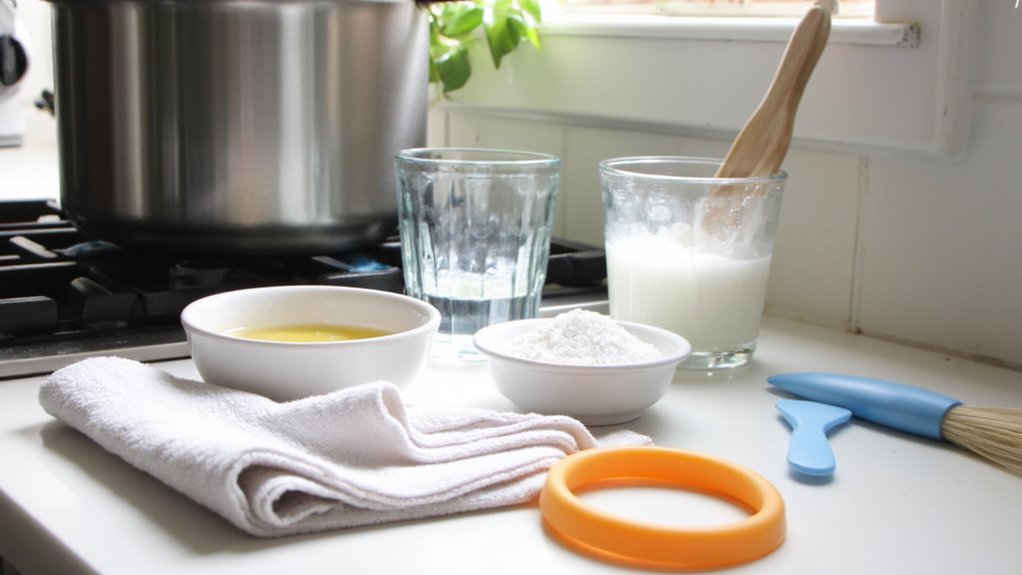
Your pressure cooker’s seal is basically its superhero cape, and you’ve probably been ignoring it. That rubber gasket does all the heavy lifting to keep steam locked in and dinner cooking properly, but it also traps food particles, mineral deposits, and general gunk. Here’s the thing though: most people clean it wrong and end up damaging what keeps everything functioning. Let’s figure out how to actually care for it.
Key Takeaways
- Remove the sealing ring before cleaning and inspect it for cracks, discoloration, or hardened spots that require replacement.
- Use soft cloths, silicone sponges, and non-abrasive brushes; avoid steel wool and harsh chemicals that degrade gasket material.
- Clean gently with warm soapy water, vinegar-water solution, or baking soda paste for stubborn residue without damaging the seal.
- Pat components dry completely with lint-free cloths and air dry the lid separately to prevent moisture and mold accumulation.
- For mineral deposits, run a vinegar-water cycle, let sit thirty minutes, then scrub interior gently while avoiding seal contact.


Why Your Pressure Cooker Seal Matters

When you’re deep cleaning your pressure cooker, you might be tempted to skip right past the seal and jump into scrubbing the pot itself—but hold on. That rubber ring does way more than you’d think. Your seal’s importance can’t be overstated because it’s literally what keeps pressure integrity intact during cooking. Without a properly maintained seal, you’re looking at steam escaping, uneven cooking, and potentially dangerous situations.
Think of it this way: the seal is your pressure cooker’s MVP. It works overtime, creating an airtight environment that lets your cooker do its job efficiently. When you neglect it, mineral deposits and food particles build up, compromising its effectiveness. A damaged or dirty seal means your cooker won’t pressurize correctly, which defeats the whole purpose of owning one. Regular cleaning keeps everything running smoothly.
Many modern pressure cookers also feature multiple independent safeguards that rely on the seal’s condition to function properly and keep cooking safe.
2. Understanding Your Gasket and Sealing Ring
Your gasket and sealing ring are basically the unsung heroes keeping all that steam locked inside, and they’re made from silicone or rubber compounds designed to handle serious heat and pressure without falling apart. You’ll want to keep an eye out for wear signs like cracks, permanent indentations, discoloration, or that funky smell that suggests your gasket’s seen better days, because a worn-out seal is basically an open invitation for steam leaks and undercooked meals. Catching these problems early means you’re not stuck replacing parts or dealing with a cooker that won’t pressurize properly when you’ve got dinner plans. Just like choosing the right durable materials for kitchen appliances such as coffee grinders ensures longevity, inspecting your pressure cooker’s seal regularly can help maintain safe and reliable performance.
Gasket Material Composition
Most pressure cooker gaskets are made from silicone, rubber, or a blend of both materials, and understanding what yours is composed of really matters when you’re trying to keep it clean and functioning properly. You’ll also encounter polyurethane gaskets and fluorosilicone variants on some models, each with their own quirks. Silicone gaskets tend to be the most durable and heat-resistant, making them pretty forgiving during cleaning. Rubber versions, while cheaper, can deteriorate faster if you’re not careful with harsh chemicals. Polyurethane gaskets offer a nice middle ground between flexibility and longevity. Knowing your gasket’s material helps you pick the right cleaning method, preventing unnecessary wear. Check your cooker’s manual—it’ll tell you exactly what you’re working with so you don’t accidentally wreck it. For even better longevity and performance, look for food-safe non-stick coatings and reinforced construction in the sealing components, as these features help prevent degradation with regular use.


Identifying Wear Signs
Since gaskets and sealing rings are basically the unsung heroes of your pressure cooker, spotting wear signs early can save you from some pretty frustrating cooking disasters. You’ll want to check for abrasion patterns along the edges, which look like tiny scratches or flattened spots. Chemical discoloration is another red flag—if your gasket’s turned an odd color or looks cloudy, it’s probably time for a replacement.
One way to keep your gasket in top shape is by practicing simple maintenance similar to what is recommended for cast iron cookware, ensuring long-term safety and performance.
| Wear Sign | What It Looks Like | Action Needed |
|---|---|---|
| Abrasion patterns | Visible scratches or worn areas | Replace soon |
| Chemical discoloration | Color changes or cloudiness | Replace immediately |
| Cracks or splits | Visible tears in material | Replace now |
| Loss of elasticity | Doesn’t bounce back when pressed | Replace |
| Stiffness | Feels brittle or hard | Replace |
Regular inspections keep your cooker working safely and reliably.
3. Pre-Cleaning Inspection and Safety Steps
Before you plunge into scrubbing, take a few minutes to make certain your pressure cooker is safe to clean. Let it cool completely first—no exceptions. Check your safety checklist by inspecting the lid and base for any visible damage or cracks. Examine the pressure indicators to make certain they’re functioning properly and not stuck. Make certain the vent pipe isn’t clogged with debris.
Never attempt cleaning while it’s still hot or pressurized. That’s basically asking for trouble. Remove the sealing ring and any removable parts before you start. Give everything a quick rinse under cool water to loosen dried food particles.
Taking these precautions prevents accidents and protects your cooker’s integrity, keeping it working smoothly for years to come. When inspecting your pressure cooker, it’s also wise to consider the type of removable pot and whether it requires special handling, as some models—like those with nonstick coatings—may need hand-washing to preserve their longevity.
4. Removing and Handling the Seal Properly
The sealing ring—that rubber gasket that keeps your pressure cooker from exploding all over your kitchen—deserves some serious attention. Before you do anything else, let it cool completely. You don’t want to burn your fingers on hot rubber.
Now for seal removal. Most rings just pop right out, but some require a gentle twist. Don’t yank it like you’re starting a lawnmower. Once it’s out, here’s where rubber inspection comes in handy. Look for cracks, discoloration, or hardened spots. If it looks like it’s seen better days, it’s probably time for a replacement.
Clean it gently with warm soapy water and a soft cloth. Pat it dry thoroughly before reinserting it back into its groove.
5. Gentle Cleaning Solutions for Stubborn Residue
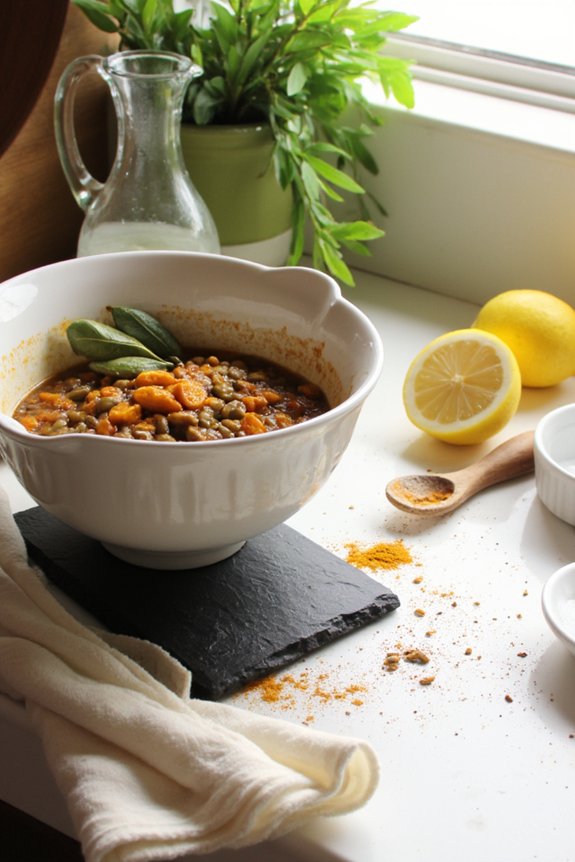
After you’ve handled the seal, it’s time to tackle whatever’s stuck to the inside of your pot, and you’ll want to be gentle about it. For stubborn residue, enzymatic cleaners work wonders without being harsh on your cooker’s interior. They break down buildup naturally, which is pretty cool. Mix one part white vinegar with two parts water for a gentler approach, or explore vinegar alternatives like lemon juice if you prefer. Baking soda paste also does the trick for tough spots. Let your chosen solution sit for thirty minutes, then scrub softly with a non-abrasive sponge. Rinse thoroughly afterward to make sure no cleaning residue remains inside.
6. Hand-Washing Techniques That Protect the Gasket
When you’re washing your pressure cooker by hand, you’ll want to treat that gasket like it’s made of spun silk, because honestly it kind of is. Stick with plain old gentle soap and water, grab yourself some soft silicone-safe tools like a soft sponge or cloth, and skip anything abrasive that’d scratch or damage this vital seal. Once you’re done washing, dry it thoroughly and store your cooker with the lid off so the gasket doesn’t get pressed and warped, keeping everything fresh for your next meal.


Gentle Soap and Water Method
For keeping your pressure cooker looking fresh without damaging that all-important gasket, you’ll want to embrace the simple power of gentle soap and water. Skip the dishwasher myths—your gasket isn’t built for that intense heat and tumbling action. Instead, fill a sink with lukewarm water and add a small squirt of mild dish soap. Forget scented soaps that might leave residue or affect your food’s taste. Use a soft cloth or sponge to gently wipe down the gasket, working carefully around its grooves where gunk likes to hide. Rinse thoroughly with clean water. This straightforward approach keeps your seal in perfect condition while removing everyday buildup. It’s honestly the most reliable method out there.
Silicone-Safe Cleaning Tools
Now that you’ve got the soap and water basics down, it’s time to pick the right tools so your gasket stays happy and protected. Your silicone seal deserves gentle handling, and choosing the wrong scrubber can cause unnecessary wear and tear. Here’s what’ll work best for your cooker:
- Silicone brushes with soft bristles that won’t scratch or degrade the seal
- Silicone sponges designed specifically for delicate kitchen items
- Soft microfiber cloths that glide smoothly across surfaces
- Non-abrasive dish brushes made from natural materials
Skip the steel wool and rough scouring pads altogether. They’re basically kryptonite for your gasket. When you’re washing around the rim where that precious seal sits, use these gentler tools and you’ll keep everything in tip-top shape for years to come.
Proper Drying and Storage
After you’ve finished scrubbing your pressure cooker with those gentle tools, drying it properly is just as crucial as the wash itself. Don’t just toss everything in a cabinet while it’s still damp—that’s a recipe for mold and funky smells. Pat everything down with a soft, lint-free cloth. Pay special attention to the gasket and any crevices where moisture likes to hide.
Here’s where it gets smart: store your cooker in climate controlled cabinets to prevent temperature swings that can warp rubber seals. Toss a couple desiccant sachets inside the pot for extra protection against humidity. Let the lid sit separate from the base so air can circulate freely around that precious gasket. Your seal’ll thank you later, and you’re basically guaranteeing years of pressure-cooking success without headaches.
7. Dealing With Mineral Deposits and Hard Water Stains
Mineral deposits and hard water stains can build up inside your pressure cooker faster than you’d think, creating a crusty layer that doesn’t just look bad, it actually interferes with how your cooker performs. Hard water’s minerals accumulate over time, especially if you’re not using water filtration regularly.
Here’s what you can do to tackle this problem:
- Fill your cooker with equal parts white vinegar and water, then run a cycle without food
- Let the mixture sit for thirty minutes to break down stubborn deposits
- Scrub interior surfaces gently with a soft brush, avoiding the seal
- Rinse thoroughly multiple times to remove all vinegar residue
For ongoing scale removal, consider investing in a water filtration system. Your pressure cooker will thank you, running smoother and lasting longer when you keep mineral buildup at bay.
8. Drying and Storage Best Practices
Now that you’ve gotten your cooker sparkling clean, you’ll want to make sure it stays that way by drying it properly and storing it right. Air drying is your best friend here because it prevents water spots and lets everything dry naturally without you having to fuss with towels, though if you’re in a hurry, a soft cloth works just fine too. Once everything’s completely dry, you’ve gotta store that seal separately from the lid and keep both in a cool, dry place so the rubber doesn’t get all weird and cracked from sitting sealed up in moisture.
Air Drying Methods
You’ll want to let your pressure cooker air dry completely before you put it away, and honestly, this step matters more than you’d think. Moisture can damage that precious seal, so here’s what you should do:
- Position your cooker in a spot with plenty of air circulation, like near a window or fan
- Leave the lid off and prop it against the pot so water can escape from all angles
- Give it at least two to three hours, depending on humidity levels in your kitchen
- Toss a couple desiccant packets inside the base if you’re storing it long-term
Never stack it away while it’s even slightly damp. Your seal will thank you later, trust me.
Seal Storage Guidelines
Once that seal’s completely dry, storing it properly becomes your next mission because moisture and your cooker’s seal are basically enemies. You’ll want to keep it in a cool, dry spot away from direct sunlight, which can degrade the rubber over time. Consider vacuum sealing your seal in a small bag if you’re doing seasonal rotation between pressure cookers or storing it long-term. This protects it from dust and humidity sneaking in. Store the seal separately from your cooker’s main body to prevent any accidental damage. A simple drawer or cabinet works great. Just remember: keeping your seal safe now means your pressure cooker’ll work like a charm for years to come.
9. Reassembling Your Pressure Cooker Correctly
After you’ve scrubbed every nook and cranny of your pressure cooker, it’s time to put the thing back together, and this part’s actually pretty straightforward if you pay attention.
Getting reassembly right keeps your cooker functioning safely and prevents annoying leaks during cooking. Here’s what you need to focus on:
- Check lid orientation carefully, making sure it sits evenly on the base
- Perform alignment checks to confirm the vent pipe and safety valve line up properly
- Reattach the sealing ring gently, avoiding twists or bunches
- Test the seal by gently wiggling the lid before locking it down
Take your time with each step. A misaligned lid won’t seal correctly, which defeats your whole deep-cleaning effort. Once everything clicks into place smoothly, you’re golden and ready for your next cooking adventure.
10. Maintenance Tips to Keep Your Seal in Top Condition
Your pressure cooker’s sealing ring is basically the MVP of safe cooking, so keeping it in good shape isn’t optional. Do routine inspections every month or so, looking for cracks, warping, or discoloration that might signal trouble ahead. If you notice any damage, don’t wait around—replacement timing is essential for safety and performance.
Storing your seal properly makes a huge difference. Keep it in a cool, dry spot away from direct sunlight, which can degrade the rubber over time. You might also consider removing it between uses so it can breathe and won’t develop permanent creases.
Clean it gently after each use with warm soapy water. A little preventative care goes a long way in extending your seal’s lifespan and keeping your cooker running safely.
Frequently Asked Questions
How Often Should I Replace My Pressure Cooker Seal if I Use It Daily?
You should replace yearly if you’re using your pressure cooker daily. However, don’t wait—do a visual inspection regularly. If you notice cracks, tears, or loss of elasticity, replace it immediately to guarantee safety.
Can I Use a Dishwasher to Clean My Pressure Cooker Gasket Safely?
You shouldn’t put your gasket in the dishwasher—high heat damages it. Hand wash with mild soap and water instead. This dishwasher safety precaution directly extends your gasket lifespan markedly.
What Should I Do if My Seal Becomes Permanently Deformed or Cracked?
You’ll need to replace your seal immediately since it won’t function safely. Check your cooker’s manual for replacement options, or contact the manufacturer for professional repair services. Don’t attempt to use it with a damaged gasket.
Are There Specific Cleaning Products That Can Damage the Sealing Ring Material?
Yes, you’ll want to avoid abrasive cleaners and harsh chemicals that cause chemical incompatibility with silicone sealing rings. Stick to mild dish soap and warm water instead, as aggressive products can deteriorate your seal’s material.
How Can I Tell if My Seal Is Still Functioning Properly After Cleaning?
You can tell your seal’s functioning properly through visual inspection—check for cracks, discoloration, or warping. Then perform pressure testing by running a cycle with water. If it builds pressure normally without steam leaking, you’re good.
Conclusion
Your pressure cooker’s seal doesn’t have to be intimidating. You’ve got this! With regular gentle cleaning and a little TLC, that gasket’ll stay in prime condition for years. Remember, you’re not trying to achieve perfection here—just keep it clean and dry. Treat your seal right, and it’ll keep your cooker working like a champ every single time you use it.


