Your pellet grill’s ash problem might not actually be your fault. Yep, those cheap pellets you grabbed could be stuffed with bark and binders that basically turn into dust the moment they hit the firepot. But here’s where it gets interesting—even premium pellets can betray you if your grill’s airflow is choked or your auger’s acting up. So what’s really going on with yours?
Key Takeaways
- Low-quality pellets with sawdust, bark, and inconsistent sizing produce excessive ash and incomplete combustion.
- Operating at medium heat (350–400°F) yields optimal burn quality and significantly reduces ash production.
- Restricted airflow from clogged vents and ash buildup prevents complete combustion, increasing residue dramatically.
- Weekly firebox cleaning and monthly deep maintenance prevent ash accumulation that chokes grill performance.
- Pellet bridging, auger misalignment, and motor issues interrupt fuel feed, causing smoldering and excess ash.

Low-Quality Pellets and Their Impact on Ash Production

Envision this: you’ve fired up your pellet grill, excited for a perfect cook, only to open it up and find your firebox looking like a volcanic wasteland. Yeah, that’s probably low-quality pellets doing their thing. You see, not all pellets are created equal. When you’re using cheaper brands, you’re often dealing with pellet contaminants like sawdust, bark, and random binding materials that don’t belong. These nasty bits burn differently than quality pellets, creating way more ash residue. Plus, inconsistent sizing means some pellets burn hotter and faster while others smolder, producing excess smoke and ash. It’s like inviting chaos into your grill. Stick with reputable brands offering consistent, clean pellets, and you’ll notice your ash production dropping dramatically. Your firebox (and your sanity) will thank you. The type and quality of wood pellets you use directly impacts both ash production and the overall performance of your pellet grill.
The Importance of Regular Grill Maintenance
Regular maintenance is honestly your best defense against turning your pellet grill into an ash factory. When you stick to a solid cleaning schedule—think weekly grill surface wipe-downs and monthly deep cleans of the firebox and auger—you’re basically telling ash buildup to take a hike, which means less mess, better heat distribution, and way fewer headaches down the road. Plus, staying on top of it keeps your grill running smoother than butter, so you can focus on what really matters: nailing that perfect smoked brisket instead of battling a volcano of gray powder. Many top electric smokers can last 3–5 years with proper maintenance, and regular cleaning of the grease trap and interior is key to maximizing their lifespan and performance.
Cleaning Prevents Ash Buildup
You’d be amazed at how much of a difference keeping up with routine cleanings can make for your pellet grill’s performance. Seriously. Regular maintenance is your secret weapon against ash chaos.
Here’s the thing: ash accumulates fast, and it’s sneaky. When you skip cleanings, buildup clogs your grates, blocks airflow, and creates a mess that’s way harder to tackle later. A seasonal deep clean keeps everything running smooth as butter.
Don’t overthink your ash disposal methods either. Use a shop vac or brush it into a disposal bucket. Simple stuff. The key? Don’t wait until your grill’s caked with the stuff.
Clean weekly during heavy use, monthly otherwise. Your future self will thank you when your grill performs like a dream instead of a nightmare.
Many outdoor grills also feature rear grease management systems, which, like regular ash removal, make maintenance quicker and help prevent buildup that can impact performance.
Maintenance Schedule Best Practices
Staying on top of your grill’s maintenance schedule isn’t just about keeping things looking pretty—it’s actually the difference between a grill that runs like a champ and one that becomes a temperamental disaster.
Create a seasonal checklist to catch problems before they spiral. Spring? Clean everything. Summer’s your peak season—inspect weekly. Fall means preparing for cooler months ahead. Winter requires extra TLC since moisture loves cold weather.
Don’t skip filter replacement either. A clogged filter works your grill harder than it should, creating excess ash buildup that’ll drive you bonkers. Replace those filters every few months, depending on usage.
Think of maintenance like brushing your teeth. Skip it occasionally, and you’re paying for it later. Stay consistent, and your pellet grill rewards you with years of delicious, ash-free grilling bliss.
Investing in grills made from quality materials upfront not only makes maintenance easier but also ensures your grill resists rust and weathering over many seasons.
Temperature Settings and Their Effect on Ash Buildup

When you crank up the heat on your pellet grill, something interesting happens behind the scenes—and it’s not always what you’d expect. Here’s the thing: high temp doesn’t automatically mean more ash. In fact, it’s kinda the opposite sometimes.
| Temperature | Ash Production | Burn Quality |
|---|---|---|
| Low Heat (200-250°F) | Moderate | Incomplete |
| Medium (350-400°F) | Low | Peak |
| High Temp (500°F+) | Variable | Efficient |
When you run low heat, pellets don’t combust completly, leaving more residue behind. Crank it to medium? That’s your sweet spot. High temp actually burns hotter and cleaner if your grill’s working properly. The trick is finding that balance. You’re not just cooking—you’re optimizing combustion. Get this right, and you’ll notice less cleanup, better flavor, and a happier grill. Choosing the right temperature control and power settings, much like with top-rated indoor electric grills, can make a huge difference in both efficiency and cleanup.
Airflow Problems and Combustion Efficiency
When your pellet grill’s restricted intake vents won’t let enough air flow through, you’re basically starving your fire of oxygen, which means your pellets aren’t burning completely and you’ll end up with way more ash than you bargained for. That incomplete combustion is like inviting your grill to throw a tantrum, creating clingy residue that builds up faster than you can say “time to clean again,” and it’ll mess with your grill’s temperature control something fierce. Getting those vents cleared and ensuring proper airflow is honestly the secret sauce to efficient burning and keeping your ash situation from spiraling into total chaos.
Restricted Intake Vents
If your pellet grill’s producing more ash than a Vegas casino and running hotter than it should, restricted intake vents might be your culprit.
Here’s what you need to know:
- Ventilation blockage happens when dust and debris accumulate around your intake vents, choking off airflow like a clogged straw
- Damper adjustment issues can prevent proper oxygen flow, leaving your pellets to smolder rather than burn cleanly
- Ash buildup creates a domino effect, trapping heat and forcing your grill to work overtime
Check those intake vents regulary. Seriously. A simple cleaning can transform your grill’s performance dramatically. You’ll notice better combustion, less ash production, and more consistent temperatures. Your grill will thank you, and honestly, so will your next cookout. Sometimes the simplest fixes deliver the biggest results.
Incomplete Pellet Combustion
Incomplete combustion is basically your pellet grill’s way of saying “I’m not getting enough air to do my job right,” and boy, does it show. When your grill can’t burn pellets efficiently, you’re left with excessive ash and cold spots that’ll ruin your cookout vibes.
| Problem | Effect |
|---|---|
| Low oxygen | Wasted pellets |
| Fuel starvation | Uneven heat |
| Clogged firepot | Extra ash |
| Poor airflow | Cold spots |
| Wet pellets | Incomplete burn |
Here’s the deal: your grill needs consistent air circulation and quality fuel to combust properly. When either falters, incomplete combustion happens, leaving you with mountains of gritty residue. Check your pellet quality first. Then inspect your firepot for blockages. Don’t ignore this stuff—it’s literally choking your grill’s performance and your grilling dreams.

Pellet Auger Issues and Feeding Problems

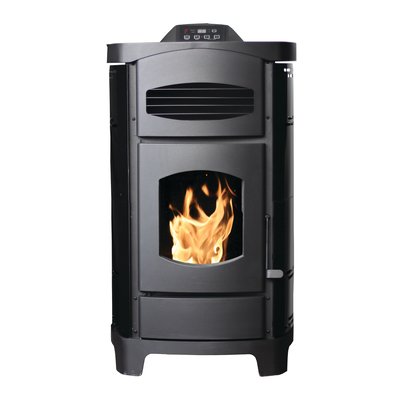
Your pellet auger—that hardworking screw that feeds pellets into your firebox—can throw a wrench in your whole grilling operation when it decides to act up. When your auger malfunctions, you’re basically looking at a grill that won’t cook. Here’s what commonly goes wrong:
* Pellet bridging creates an air pocket that stops pellets from flowing smoothly down the hopper
- Auger misalignment causes jamming and prevents proper feeding into the combustion chamber
- Motor burnout leaves your auger spinning uselessly without actually moving pellets
Check your hopper for moisture and debris that’ll clog things up real quick. Listen for grinding sounds—that’s your auger crying for help. Sometimes just clearing out old pellets and starting fresh does the trick. If problems persist, you might need professional repairs or replacement.
When to Call a Professional for Help
While some pellet grill gremlins respond well to DIY fixes and a little elbow grease, there’ll come a time when you’ve gotta throw in the towel and call someone who actually knows what they’re doing. If you’re dealing with persistent electrical diagnostics issues or your grill’s acting possessed despite your best efforts, it’s time to bring in the pros. Warranty concerns? Don’t risk voiding it by tinkering when you shouldn’t. A certified technician can diagnose what’s really causing that ash explosion without turning your backyard into a crime scene. They’ve got the tools, knowledge, and experience you don’t. Sometimes admitting defeat saves you money, frustration, and your sanity. Trust me, your grill’ll thank you.
Frequently Asked Questions
How Much Ash Buildup Is Considered Normal for Pellet Grills?
You’ll find that normal buildup typically reaches about a quarter-inch of ash per cooking session. This serves as your operational benchmark—anything beyond this suggests you should inspect your grill’s combustion system and pellet quality.
Can Excessive Ash Damage My Pellet Grill’s Internal Components?
Yes, excessive ash can damage your grill’s internals. You’ll face electrical corrosion on components and airflow obstruction in crucial areas. These problems reduce efficiency and shorten your grill’s lifespan markedly.
What Type of Wood Pellets Produce the Least Ash?
You’ll find that hardwood pellets produce the least ash compared to softwood options. Avoid flavored blends, which typically generate more residue. Stick with premium hardwood pellets like oak or hickory for cleaner burns.
How Often Should I Empty My Grill’s Ash Bin?
You’d think ash just disappears, but you’ll actually need to empty your bin weekly during regular use. For seasonal deep cleaning, do a thorough ash removal every few months to maintain peak grill performance.
Does Grill Size Affect How Quickly Ash Accumulates?
Yes, your grill size directly impacts ash accumulation speed. Larger grills burn more pellets, producing more ash. You’ll notice your pellet hopper empties faster, affecting grill airflow and requiring more frequent ash bin emptying.
Conclusion
So you’re drowning in ash while your grill’s supposed to be your ticket to backyard bliss? Ironic, right? You bought the fancy smoker to impress folks, and now you’re basically running a volcano. But here’s the thing—it’s fixable. Swap those sketchy pellets, clean your vents, check that auger. Your grill isn’t broken. It’s just crying for a little TLC. Give it some love, and you’ll be grilling like a pro again.