
You’ve probably experienced it—that moment when your vacuum sealer sucks up marinade like it’s competing in an Olympic sport, and suddenly you’re wearing your dinner. It’s frustrating. It’s messy. But here’s the thing: it doesn’t have to happen. There’s actually a technique that’ll change everything, combining freezing, strategic straw placement, and some sneaky bag tricks that’ll keep your liquids exactly where they belong.
Key Takeaways
- Use the straw technique: insert a thin straw into the bag opening to control gradual air extraction and prevent liquid surge.
- Reduce vacuum strength to 60–70% for soups, marinades, and juicy meats to balance suction with containment without pressure spills.
- Place the bag in a shallow rimmed tray to catch pooled liquids and prevent machine contamination during sealing.
- Flash-freeze liquids for 2–3 hours before sealing to solidify contents and prevent movement toward the seal during vacuuming.
- Select thicker, multi-layer bags (5–8 mil) designed for wet foods with reinforced seams to withstand vacuum pressure without leaking.
Understanding Why Liquids Escape During Vacuum Sealing

When you’re standing in your kitchen with a bag full of marinara sauce and a vacuum sealer in hand, you’re about to discover one of life’s messier truths: liquids don’t play by the rules. Here’s the thing—when your sealer sucks out air, it also creates an intense pressure balance that forces liquid right up into the machine. Those pesky air pockets trapped in your marinade act like tiny elevators, rising toward the seal as vacuum pressure drops. Your sauce follows enthusiastically behind. It’s physics meeting dinner prep, and physics is winning. The moisture gets drawn toward the heating element, where it either escapes into your sealer or leaks all over. It’s frustrating, yeah, but understanding this dynamic is your first step toward mastery. Some vacuum sealers are built with intelligent safety features that can detect moisture and automatically shut down to prevent liquid from damaging the machine.
The Freeze-First Method: Your First Line of Defense
Now that you understand why your sauce is basically staging a prison break inside your vacuum sealer, it’s time to fight back. The freeze-first method is your secret weapon, and it’s brilliantly simple.
Here’s your game plan:
- Flash freeze your liquids for two to three hours before sealing, transforming that runny mess into a solid block
- Use rapid chilling in your freezer to lock everything down tight and prevent any sneaky leakage
- Let frozen items thaw slightly just before sealing so they’re firm but not rock-solid
Think of it this way: frozen marinara can’t escape. It’s trapped in ice form, basically on lockdown. When you vacuum seal a partially thawed, still-firm product, you’re working with something way more cooperative. Your machine does its job without that dramatic liquid fountain you’ve probably experienced before. Problem solved, my friend. For best results, consider using a compact countertop ice maker to quickly freeze liquids in small containers before vacuum sealing, just like those high-efficiency appliances used for rapid ice production.
Using the Straw Technique for Controlled Air Removal

Introducing the straw technique—a game-changer that’ll transform you from vacuum-sealing novice to liquid-wrangling pro. Here’s the brilliance: you’ll insert a thin straw into the bag’s seal opening before the machine kicks in. This simple tool gives you controlled suction, letting you manage exactly how much air escapes. You’re basically directing the vacuum’s power instead of letting it go wild.
The gradual extraction happens naturally. As air gets sucked out, liquid stays put because you’re controlling the pace. It’s like having a dimmer switch instead of an on-off button. Pretty clever, right?
Insert that straw, hit seal, watch the magic unfold. Your soups, marinades, and sauces’ll stay exactly where they belong—inside the bag, not splattered across your machine. That’s victory.
Many electric pressure cookers utilize multiple independent safeguards to prevent spills and accidents, a principle you can apply by using the straw method for similar controlled and safe results.


The Marinade Tray Strategy for Mess-Free Sealing
When you’re ready to seal without turning your kitchen into a wet disaster zone, you’ll want to grab a shallow tray—it’s honestly a game-changer. You’ll place your bag right there in the tray, let gravity do its thing, and watch as any sneaky liquids pool harmlessly below instead of making a break for your vacuum sealer’s internal organs. It’s the kind of simple setup that makes you wonder why you didn’t think of it sooner, because suddenly you’re sealing marinades, sauces, and all those drippy foods like a pro. For anyone looking to up their kitchen efficiency, using a tray is as crucial as choosing the right dishwasher-safe components for easy cleanup and long-term appliance care.
Tray Selection and Setup
Here’s the thing about vacuum sealing liquids—your success hinges on one simple setup choice that’ll either save your kitchen or turn it into a slip-n-slide disaster. Your tray material matters way more than you’d think. You’ll want something shallow but sturdy, with slightly raised edges to contain those inevitable spills.
Here’s what you’re looking for:
- A rimmed baking sheet or shallow plastic tray as your foundation
- Proper edge alignment so bags sit flat without tipping
- A tray that fits comfortably in your freezer for storage
Set everything up before you grab your sealer. Position your marinating bag carefully, ensuring even contact with the tray’s surface. This simple prep work prevents disasters and keeps your vacuum sealer operating smoothly without any messy cleanup afterward. For even more control over spills and cleanup, consider trays made from dishwasher-safe components similar to those found in high-quality kitchen slicers.
Sealing Without Spillage
Mastering the marinade tray strategy is your ticket to keeping your vacuum sealer pristine and your kitchen floors dry. You’ll slip your bags into a shallow tray before sealing, creating a protective barrier that catches any rogue liquids. Here’s the magic: temperature control matters hugely—cold marinades seal faster and cleaner than warm ones. Your vacuum timing should be quick but deliberate, hitting that sweet spot before liquids creep toward the seal line.
| Strategy | Benefit |
|---|---|
| Frozen tray base | Slows liquid movement |
| Angled positioning | Gravity works with you |
| Short seal cycles | Minimizes splashing |
This simple setup transforms potential disasters into zero-mess operations. You’re basically creating a fail-safe system that lets you seal confidently without the anxiety of soggy countertops or equipment damage.
Proper Bag Positioning and Liquid Distribution

The way you position your bag and distribute that liquid inside it makes all the difference between a successful seal and a disappointing mess on your countertop.
Here’s what you need to nail:
- Bag orientation: Keep your bag upright and level, not tilted or bunched up like yesterday’s laundry
- Liquid layering: Spread your liquids evenly across the bottom, avoiding those sneaky puddles that’ll creep toward the seal
- Strategic spacing: Leave enough room between your food and the liquid so they’re not playing bumper cars
You’ll want to distribute everything evenly because bunching creates hot spots where liquid concentrates. Think of it like spreading peanut butter on toast, not dumping it all in one corner. This approach makes certain your sealer can do its job without drowning in marinara sauce or that mystery broth your vacuum sealer never asked for.
Choosing the Right Bag Type and Thickness
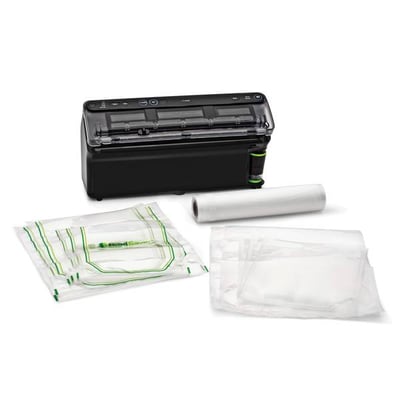
You’ve gotta understand that not all vacuum bags are created equal, and picking the wrong one’ll sabotage your whole liquid-sealing operation before you even get started. The thickness of your bag matters way more than most folks realize—thinner bags are budget-friendly but tend to puncture easier when you’re wrestling with soupy marinades or saucy leftovers, while thicker, multi-layer bags give you that extra protection and durability that’ll keep your food fresh and your countertop dry. Your best bet’s grabbing bags specifically designed for wet foods, checking that they’ve got reinforced seams and a decent mil rating (that’s the thickness measurement), because trust me, spending a few extra cents now beats cleaning up a vacuum-sealed disaster later.

Material Durability Matters Most
When it comes to vacuum sealing, picking the right bag’s like choosing armor for your food—skimp on quality and you’re gonna have a bad time. You need bags that actually withstand the pressure without tearing or leaking.
Here’s what separates the winners from the duds:
- Material testing makes certain bags won’t fail when you need them most, so look for brands that put their products through rigorous checks
- Durability standards matter because cheap bags crack under vacuum pressure, turning your perfectly sealed meal into a soggy disaster
- Thickness levels between 3-5 mil provide the sweet spot—thick enough to handle liquids without being wasteful
Don’t get fooled by bargain bags. They’ll betray you faster than you can say “freezer burn.” Investment in quality materials means your food stays fresher longer, and you’re not constantly fishing for replacement bags. Your future self will thank you.
Thickness Levels Explained Simply
Bag thickness isn’t just some random number stamped on the package—it’s actually the difference between a vacuum seal that holds strong and one that surrenders to the pressure like a deflated balloon. You’ve got options ranging from flimsy two-mil bags to beefy eleven-mil ones, and yeah, that matters big time.
Here’s the thing: thicker bags equal better protection. When you’re doing a thickness comparison, you’ll notice heavier materials resist punctures way better, especially when you’re storing sharp frozen foods or pointy bones. Think of it like this—thin bags are basically tissue paper, while thicker ones are armor. Your seal strength improves dramatically with better material. Most folks find that five to eight-mil bags strike the perfect balance between durability and cost, giving you reliable performance without breaking the bank.
Bag Selection Best Practices
Most vacuum sealing projects fail not because of operator error, but because someone grabbed whatever bag was nearest without thinking twice. You’ve got options, and picking the right one makes all the difference between success and a soggy mess.
Here’s what you need to take into account:
- Puncture resistance matters when you’re storing anything with sharp edges or bones
- Odor barriers keep your freezer from smelling like a fish market
- Thickness levels determine how well your seal actually holds up
Don’t just assume all bags are created equal. Thicker bags offer better protection, especially for liquidy foods. Look for bags specifically designed for vacuum sealing, not just regular storage bags. Your future self will thank you when that marinade stays put instead of leaking everywhere. It’s honestly the easiest way to guarantee success.
Advanced Sealing Settings to Prevent Liquid Leaks
Because standard vacuum settings just won’t cut it when you’re dealing with liquids, you’ll need to master some advanced techniques that’ll transform your sealing game entirely. Here’s the deal: seal calibration is your secret weapon. You’ll want to adjust your machine’s pressure modulation settings to find that sweet spot, you know? Too much pressure and you’re basically creating a liquid explosion. Too little and your food’s getting soggy.
Start by reducing the vacuum strength to around 60-70 percent for soups, marinades, and juicy meats. This gentler approach keeps liquids exactly where they belong—inside the bag, not all over your counter. You might also try the “pulse” function if your sealer’s got one. It’s like giving your machine a little break between sucks, which sounds weird but actually works great for preventing spill-overs.
Pro Tips for Different Types of Liquids and Foods

While every liquid’s got its own personality, you’ve gotta learn how to read ’em if you want sealing success. Different foods demand different strategies, and mastering these techniques will transform your vacuum sealing game.
Here’s what you need to know:
- Cold beverages require a gentle seal to prevent bursting; freeze ’em partially first for best results
- Oily dressings need extra care since they slip around; use the accessory bag method instead of regular sealing
- Marinated meats benefit from a slow vacuum pulse that won’t crush delicate textures
Think of it like this: soups and sauces need the freeze-first approach, while marinades work better with reduced suction power. You’ll nail it once you start experimenting. Trust your instincts. Soon you’ll be sealing everything perfectly without any spillage drama whatsoever.
Frequently Asked Questions
Can I Vacuum Seal Liquids With a Countertop Versus Handheld Vacuum Sealer Machine?
You can vacuum seal liquids with countertop models more effectively than handheld ones. Countertop pros include stronger suction and better moisture control, while handheld limitations make them prone to liquid damage and inconsistent sealing results.
What’s the Cost Difference Between Vacuum Sealing Bags and Traditional Food Storage Methods?
You’ll find vacuum sealing bags cost more upfront than plastic wrap or containers, but their storage economics shine through extended food freshness. Your cost comparison reveals long-term savings from reduced waste and spoilage.
How Long Do Vacuum-Sealed Liquids Stay Fresh Compared to Conventional Storage?
You’re worried vacuum sealing’s complicated, but it’s not. Your liquids’ll stay fresh 3-5 times longer than conventional storage, with superior flavor retention and shelf life extension that’ll transform how you preserve your favorite beverages and marinades.
Are Vacuum-Sealed Liquids Safe for Sous Vide Cooking at High Temperatures?
Yes, you can safely use vacuum-sealed liquids for sous vide cooking. However, you’ll want to check your food safety guidelines and respect temperature limits specific to each ingredient to guarantee proper cooking and prevent contamination.
Can I Reuse Vacuum Sealer Bags After Sealing Liquids in Them?
You shouldn’t reuse bags after sealing liquids—they’re like sponges absorbing flavor transfer. Consider bag recycling instead. Residual moisture and food particles compromise future seals and contaminate new ingredients with unwanted flavors.
Conclusion
You’ve now got all the tools to master vacuum sealing without creating a kitchen disaster. Freezing, straws, proper bags—they’re your secret weapons. You’re not just sealing; you’re keeping your food fresh while staying dry. Don’t put all your eggs in one basket by skipping steps. Follow these techniques, and you’ll seal like a pro, preserving flavors and your sanity, one perfectly sealed bag at a time.


