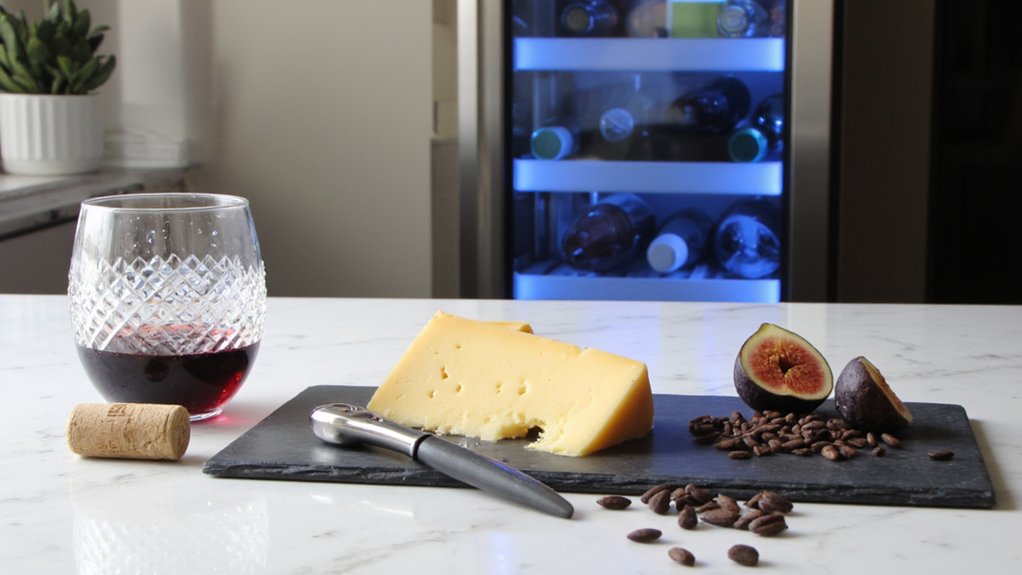
You’ve invested good money in that wine collection, right? So why leave it to chance? Your bottles are basically sitting ducks without proper protection—temperature swings, sneaky light damage, humidity chaos, vibrations from the fridge next door. A wine refrigerator’s like having a personal bodyguard for your prized reds and whites. But here’s where it gets intresting: the real magic happens when you understand exactly how each feature works together to keep your investment safe and ready for that perfect moment.
Key Takeaways
- Precise temperature control prevents fluctuating conditions that cause premature aging and flavor degradation in valuable bottles.
- Airtight seals and oxygen barrier technology protect wine from oxidation that diminishes quality and investment value.
- UV-filtering doors block light exposure that breaks down delicate wine compounds and accelerates aging prematurely.
- Humidity management keeps corks elastic and sealed, preventing seepage and wine loss from deteriorating cork integrity.
- Anti-vibration systems and organized shelving minimize sediment disturbance and ensure bottles remain undisturbed for long-term preservation.
Maintains Optimal Temperature Control
If you’ve ever pulled a bottle of wine from your regular kitchen fridge only to find it tastes like it’s been through a temperature roller coaster, you’re about to discover why a wine refrigerator’s actually a game-changer.
Your wine deserves better than temperature swings that wreak havoc on its flavor profile. Wine refrigerators provide consistent cooling that keeps bottles at their ideal temperature, whether you’re storing reds, whites, or rosés. With precise thermostats built into quality units, you’re getting the steady, reliable environment your collection craves.
Think of it this way: fluctuating temps are basically kryptonite for wine. They age it unpredictably and damage delicate compounds. Your wine fridge? It’s like a personal climate guardian, maintaining that sweet spot day after day. No more surprises. Just perfectly preserved bottles waiting for you.
Unlike standard fridges, wine refrigerators offer dual-zone temperature control so you can store reds and whites at their optimal conditions simultaneously, ensuring every bottle is protected from temperature swings and premature aging.
Shields Wine From Harmful Light Exposure
Just like you wouldn’t leave your vinyl records sitting in direct sunlight, your wine’s got no business baking under UV rays either. Light is basically wine’s arch-nemesis. Those UV filters built into quality wine refrigerators? They’re your secret weapon. They filter out the nasty ultraviolet radiation that breaks down your wine’s delicate compounds and ages it way too fast.
Lightproof doors are another game-changer. They keep your collection shielded from damage whether you’re storing a prized Cabernet or that special bottle you’ve been saving. The darkened glass or solid construction prevents light from penetrating, preserving those complex flavors and aromas you paid good money for. Your investment stays protected, tasting exactly how it should when you finally pop that cork. That’s peace of mind worth celebrating.
Many high-end wine refrigerators also feature corrosion-resistant materials and sealed insulation, ensuring that your collection remains safe from both light exposure and environmental changes that could compromise the quality of your investment.
Preserves Proper Humidity Levels

You’ve probably never thought about humidity and your wine collection, but here’s the thing: wine refrigerators keep moisture levels just right, which means your corks stay plump and happy instead of shriveling up like raisins. When the air’s too dry, those corks can deteriorate and let oxygen sneak in, ruining your vino, but when it’s too moist, well, that’s when mold decides to throw a party on your bottles—and trust me, that’s one guest you definitely don’t want. A quality wine fridge strikes that sweet spot between moisture and dryness, protecting both your cork’s integrity and keeping those pesky mold spores from setting up shop. Just like how consistent heat regulation is crucial for slow cookers to perform at their best, maintaining optimal humidity is essential for safeguarding your wine collection over time.
Preventing Cork Deterioration
When wine bottles sit around for years, their corks can dry out and crumble like old parchment—and that’s when your prized vintage becomes a disappointment. Your wine fridge’s humidity control is the unsung hero preventing this tragedy.
| Issue | Problem | Solution |
|---|---|---|
| Dry Corks | Loss of elasticity | Consistent 50-80% humidity |
| Oxidation | Tannin migration speeds up | Sealed environment |
| Seepage | Wine leaks out slowly | Proper moisture balance |
See, here’s the thing: your wine’s cork elasticity depends on moisture. Without it, that cork becomes brittle and loses its seal. Tannin migration accelerates when air sneaks in, destroying your wine’s character and taste. A wine refrigerator maintains that goldilocks humidity level—not too dry, not too wet. Your investment stays protected, your corks stay supple, and your wine remains spectacular for decades to come. Many specialty appliances use self-cleaning cycles to ensure their interiors maintain ideal conditions for long-term storage.
Battling Mold Growth
Now here’s the flip side of that humidity sweet spot we just talked about—while you’re keeping those corks nice and moist, you’ve got to watch out for mold, that unwelcome party crasher that loves damp environments. Your wine fridge battles this fuzzy menace through smart airflow management that keeps air circulating and prevents stagnant pockets where spores love to party. Think of it like giving your wine collection a constant, gentle breeze—nothing dramatic, just steady circulation that keeps moisture from pooling in the corners. Modern wine refrigerators also feature spore filtration systems that trap those microscopic troublemakers before they settle. You’re basically getting a bodyguard for your bottles, one that’s constantly working behind the scenes. Pretty neat, right? Your investment stays protected while you enjoy peace of mind. Just as with dishwasher-safe components in top kitchen appliances, easy-to-clean wine fridges help prevent lingering moisture that could encourage mold growth.
Minimizes Vibration and Movement
Because wine’s delicate flavors can get seriously messed up by constant jostling and shaking, a quality wine fridge’s vibration-dampening technology becomes your best friend. You’re protecting your investment here, not just storing bottles.
Here’s what makes the difference:
- Anti vibration pads absorb movement from compressors and keep your wine undisturbed
- Cushioned shelving cradles each bottle like it’s made of glass (because, well, it is)
- Isolation systems prevent external vibrations from ruining your collection
Your wine deserves better than sitting next to a humming refrigerator that shakes like it’s dancing. Quality wine fridges minimize vibration through smart engineering. You’ll notice bottles stay perfectly still, which means sediment doesn’t get stirred up and those complex flavors remain intact. It’s basically like giving your wine a peaceful spa day instead of a rocky road trip.
Prevents Premature Oxidation
Your wine refrigerator’s got some serious tricks up its sleeve when it comes to keeping oxidation at bay. Thanks to oxygen barrier technology and that sealed storage environment, your bottles stay protected from the air that’d otherwise turn your prized Pinot into vinegar’s disappointing cousin, letting you enjoy every sip exactly as the winemaker intended. It’s like giving your wine a superhero shield, except way less dramatic and way more delicious.
Oxygen Barrier Technology
When wine sits around doing nothing but oxidizing, it’s basically throwing away everything that makes it delicious—the vibrant flavors, the aromatic complexity, all of it gone in a slow-motion disaster. Your wine fridge combats this catastrophe through smart oxygen barrier technology that keeps those pesky air molecules at bay.
Here’s what makes the difference:
- Hermetic seals lock your bottles down tighter than a drum, preventing oxygen sneakage
- Argon flushing replaces regular air with inert gas, creating an impenetrable shield
- Advanced insulation maintains perfect conditions that minimize oxidation risks
Think of it as your wine’s personal bodyguard. These technologies work together seamlessly, ensuring your investment stays fresh and fabulous for years. You’re not just storing bottles; you’re preserving liquid gold.
Sealed Storage Environment
A sealed storage environment is basically like putting your wine in a protective bubble—one that doesn’t let oxygen crash the party. You’re creating airtight compartments that keep your bottles safe from unwanted air exposure. Think of it this way: regular fridges let air circulate, but wine refrigerators? They’re basically fortresses.
The controlled atmosphere inside works wonders. Your wine stays put in stable conditions without oxygen sneaking in through cracks or seals. It’s like having a bouncer at the door, checking ID’s and making sure nothing sketchy gets through.
You’ll notice your wine tastes fresher longer. No premature oxidation messing with your investment. The airtight design means your Cabernet stays delicious, your Pinot Grigio remains crisp, and your rare bottles keep their value. That’s protection worth celebrating.
Organizes Your Collection for Easy Access
Imagine opening your wine fridge and instantly spotting that perfect Pinot Noir you’ve been saving. You’re not digging through a chaotic stack or squinting at mystery bottles anymore. Your collection’s finally organized, and it feels amazing.
With proper shelf labeling and regular bottle rotation, you’ll know exactly what you’ve got:
- Easy identification – Labels tell you vintage, region, and tasting notes at a glance
- Smart rotation – Older bottles move forward, ensuring nothing gets forgotten or spoils
- Quick selection – No more hunting when friends come over; grab what you need in seconds
Your wine fridge becomes less of a storage unit and more like a curated gallery. You’ll actually enjoy browsing your collection instead of feeling overwhelmed by it. That’s the sweet spot where organization meets pure pleasure.
Protects Against Temperature Shock and Aging Damage

Your beautifully organized collection deserves better protection than what your kitchen counter or basement can offer. Temperature fluctuation is basically wine’s worst enemy—it’s like subjecting your bottles to an emotional rollercoaster they didn’t sign up for. Your wine fridge creates a cellar simulation environment that keeps things steady and consistent, which is exactly what those precious bottles crave.
Without proper temperature control, your wine ages prematurely, developing off-flavors and losing its character. It’s honestly pretty devastating. A wine refrigerator eliminates those wild swings between hot and cold, protecting your investment from the inside out. You’re not just storing wine; you’re preserving its future. That’s the magic right there—consistent coolness means your collection matures gracefully, exactly as the winemaker intended.
Frequently Asked Questions
What Is the Difference Between a Wine Refrigerator and a Regular Refrigerator?
A wine refrigerator maintains precise temperature stability that you won’t get from a regular fridge, which fluctuates constantly. It’s also engineered with vibration reduction technology to protect your wine’s delicate compounds from damage.
How Long Can Wine Be Stored in a Wine Refrigerator Before Consumption?
Ever wonder how long your prized bottles can rest perfectly? You can store wine for years in ideal aging conditions or keep it for short term storage—your wine refrigerator maintains consistent temperatures that preserve your collection’s quality indefinitely.
Can a Wine Refrigerator Accommodate Different Bottle Sizes and Shapes?
Yes, you can accommodate different bottle sizes and shapes in your wine refrigerator. Most models feature adjustable bottle organizers and multiple temperature zones, allowing you’re flexibility to store various wine bottles safely side by side.
What Is the Ideal Capacity Size for a Home Wine Collection?
You’ll want a capacity that matches your cellar planning goals and drinking habits. Consider purchasing 200-300 bottles if you’re serious about collecting, though 50-100 works for casual enthusiasts. Plan your purchase timing accordingly.
How Much Does It Cost to Operate a Wine Refrigerator Annually?
Your wine refrigerator’s annual operating costs won’t break the bank. You’re looking at roughly $100-$300 yearly, depending on energy consumption and maintenance costs. It’s a drop in the bucket compared to your wine collection’s value.
Conclusion
Your wine collection’s finest chapter hasn’t been written yet. A wine fridge isn’t just some fancy appliance—it’s your collection’s best friend, really. You’re creating the perfect sanctuary where your bottles can age gracefully, developing complexity and character without the drama of temperature swings or light damage. Think of it as giving your investment the VIP treatment it deserves. That’s pretty cool.


