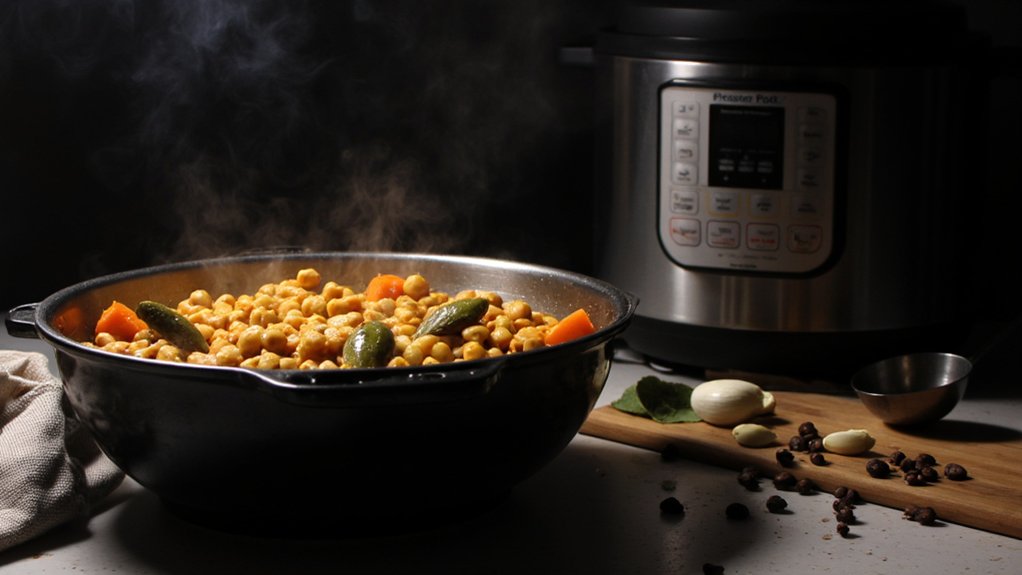
You’ve probably got a pressure cooker sitting in your cabinet right now, trusting those safety features to keep things from going sideways. But here’s what manufacturers don’t emphasize: those built-in protections quietly deteriorate. Gaskets compress, valves get gunked up, and seals develop tiny flaws that won’t announce themselves until something goes wrong. Regular maintenance isn’t just recommended, it’s the actual safety net between you and disaster.
Key Takeaways
- Safety mechanisms degrade silently through normal use; gaskets lose elasticity and vents clog without obvious symptoms.
- Manufacturers downplay maintenance requirements; annual gasket replacement and regular vent cleaning are essential but poorly emphasized.
- Built-in protections have finite lifespans and cannot compensate for worn seals, valves, or deteriorated components.
- User errors like overfilling, misaligned lids, and improper release methods often bypass safety features entirely.
- Warning signs include weak steam whistles, unexpected steam escape, visible gasket damage, and slow pressure buildup.
How Safety Mechanisms Can Fail Silently

Why don’t we ever think about pressure cooker safety until something goes wrong? You’re probably using yours without realizing that hidden wear can sneak up on you. Most folks don’t inspect their cookers regularly, so seal degradation happens quietly in the background. The thing is, these safety mechanisms don’t announce their retirement. Your gasket might be silently losing its grip. Pressure valves can get clogged with food debris without you noticing. You think everything’s fine until it’s not, and that’s the real problem. Regular maintenance isn’t sexy or exciting, but checking your seals and vents actually matters. Don’t wait for a malfunction to remind you that prevention beats panic every single time. Many models now include multiple independent safety features like lid locks and automatic pressure control, but even these require periodic checks to ensure they function as intended.
The Maintenance Requirements Manufacturers Downplay

Ignoring the fine print in your pressure cooker’s manual might seem harmless, but that’s exactly where manufacturers tuck away the unglamorous stuff they’d rather you didn’t forget about. Your gasket replacement schedule? Buried on page twelve. Regular vent cleaning? Mentioned once, maybe twice. Here’s the thing: these aren’t optional luxuries. That rubber gasket deteriorates with every use, and if you’re not swapping it out annually, you’re basically playing roulette with steam containment. Your vent can get clogged with food particles and mineral deposits, sabotaging pressure regulation without any fanfare. The manufacturers know maintenance cuts into their profits because it means admitting their products require actual upkeep. Don’t fall for the “set it and forget it” marketing. Your pressure cooker demands attention. Just like with electric smokers, regular cleaning of grease trap and interior is essential for safe and consistent operation over years of use.
Understanding the Limitations of Built-In Protections

Modern pressure cookers come loaded with safety features that sound pretty impressive on the box, but here’s where things get a little murky: they’ve got limits you should know about. Your cooker’s seals and valves aren’t immortal. Over time, seal compression happens naturally as your gasket ages and loses its grip. You might not notice it happening, but that’s exactly the problem. Meanwhile, valve degradation creeps up on you silently. These components wear down with use, and manufacturers don’t exactly blast this info from the rooftops. Even the best safety mechanisms can’t protect you if they’re not functioning properly anymore. Regular inspection becomes your responsibility, not something you can just set and forget about. Just like with motor power and performance in kitchen appliances, understanding the real-world limitations of your pressure cooker’s components is essential for long-term safety and reliability.
Common Cooking Mistakes That Bypass Safety Features

Even the toughest safety features can’t save you from yourself, and that’s where most people run into trouble. You might forget to check your lid alignment before pressurizing, which means steam escapes unpredictably during cooking. That’s dangerous. Another common mistake? Overfilling your cooker past the maximum line. You’re basically asking for trouble when you do that. Some folks also ignore the manual’s instructions about natural versus quick release methods, thinking they know better. They don’t. You could damage the seal or create pressure imbalances that render your safety mechanisms useless. Even worse, neglecting regular maintenance leaves your cooker vulnerable to malfunctions. These aren’t equipment failures—they’re user errors that put you at real risk. For lasting performance and safety, it’s just as important to pay attention to proper maintenance and longevity as it is to use the cooker correctly every time.
Warning Signs Every Pressure Cooker User Should Recognize
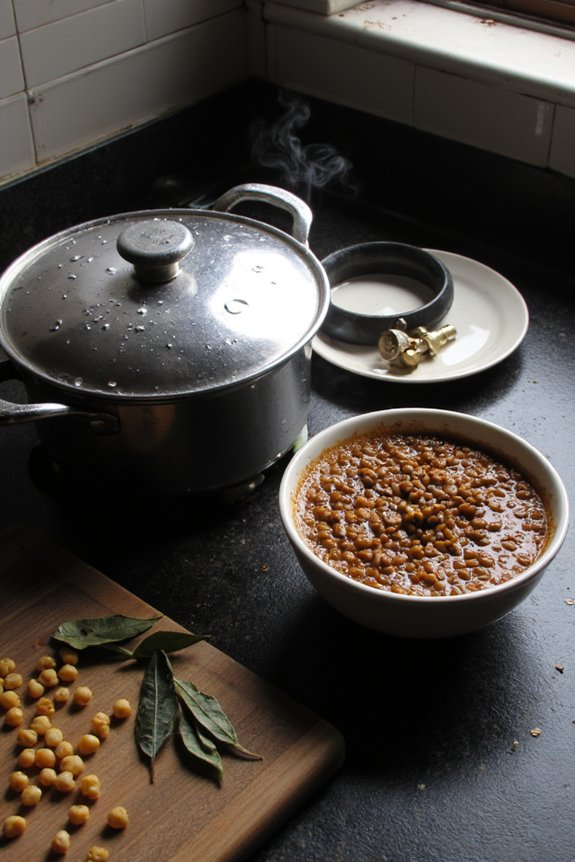
Since your pressure cooker can’t talk, you’ve gotta learn to read its signals before things go sideways. Listen closely for that steam whistle—it’s your cooker’s way of saying everything’s running normal. If the whistle sounds weak or disappears entirely, that’s your red flag. Check your seal wear regularly because a worn gasket won’t hold pressure properly and that’s genuinely dangerous. Watch for steam escaping from unexpected spots around the lid, which suggests seal problems. Notice any unusual smells or visible damage to the rubber ring. If your cooker takes forever to build pressure or won’t reach it at all, don’t ignore it. These warning signs aren’t suggestions—they’re your cooker literally asking you to pay attention before disaster strikes.
Frequently Asked Questions
How Do I Know if My Pressure Cooker’s Gasket Is Still Safe to Use?
You’ll know your gasket’s safe by checking for gasket discoloration and testing seal elasticity. Press it with your thumb—it shouldn’t stay indented. Replace it if it’s cracked, hardened, or won’t spring back.
What Should I Do if My Pressure Cooker Hisses Abnormally During Cooking?
If your pressure cooker hisses abnormally, immediately turn off the heat. Check for lid vibration and listen for your steam alarm. Don’t open it yet. Let pressure release naturally, then inspect the gasket for damage.
Can Older Pressure Cooker Models Meet Modern Safety Standards Today?
You’ll find that most older pressure cookers don’t meet modern safety standards. Their old valves and retro designs lack contemporary safety features like secondary locks and pressure regulators that today’s models require for safe operation.
How Often Should I Replace Internal Safety Components Like the Vent Pipe?
You should inspect your vent pipe annually and replace it every 5-10 years depending on component wear. Follow your manufacturer’s replace schedule carefully, as deteriorated safety parts can compromise your cooker’s function and reliability.
What Happens if Multiple Safety Features Fail Simultaneously in One Cooker?
If you’re facing multiple simultaneous safety feature failures, you’ll experience catastrophic failure with emergency venting as your last defense. You’d face dangerous pressure buildup, potential explosions, and severe injury or property damage.
Conclusion
You’ve got to be your own pressure cooker guardian. Yeah, they’re pretty safe when everything’s working right, but that’s the catch—you’re responsible for keeping ’em that way. Check your gasket, don’t overfill, and actually read those maintenance notes buried in the manual. Your pressure cooker’s not protecting you if you’re not protecting it first. Stay vigilant and you’ll cook worry-free.


