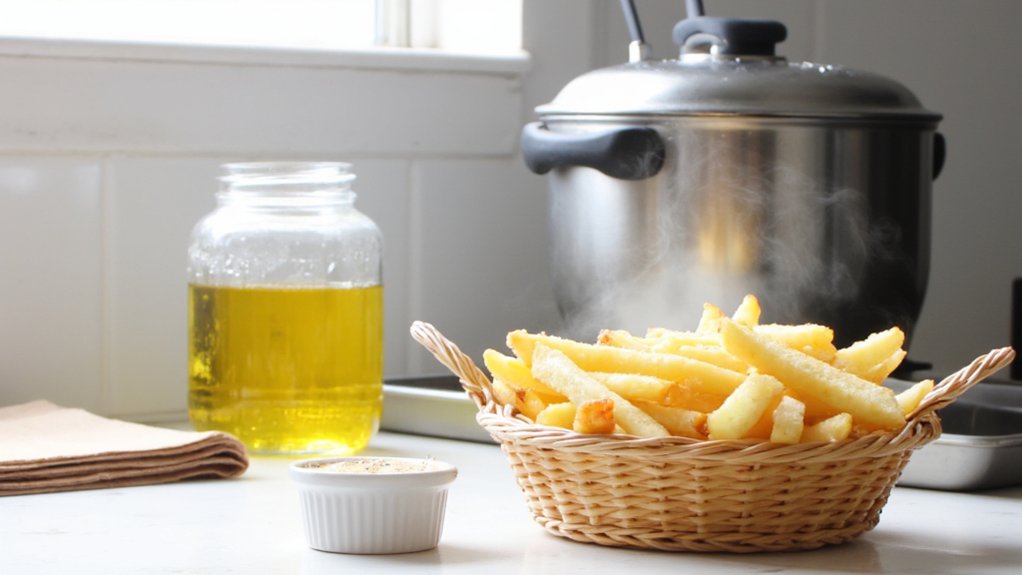
Storing your deep fryer the right way? It’s honestly easier than you’d think, but skip a few steps and you’ll regret it when oil starts pooling everywhere. The truth is, most leaks don’t happen from nowhere—they’re usually the result of skipping the basics or ignoring those little seals that keep everything contained. We’re gonna walk you through exactly what you need to do to keep your fryer dry and ready for action.
Key Takeaways
- Drain all oil completely into a container and wipe interior dry before storing to prevent leaks.
- Inspect seals and gaskets for cracks or wear, replacing damaged ones immediately to avoid oil seepage.
- Store the fryer upright on a level surface using tilt-locking features to maintain stability.
- Place the fryer on a spill containment tray with protective covering to catch potential drips.
- Choose a cool, dry location with good ventilation, avoiding damp areas with temperature fluctuations.

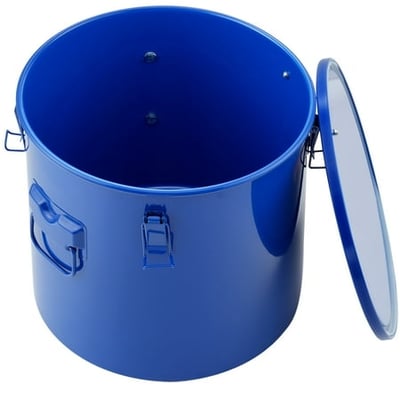
Drain and Filter Your Oil Completely
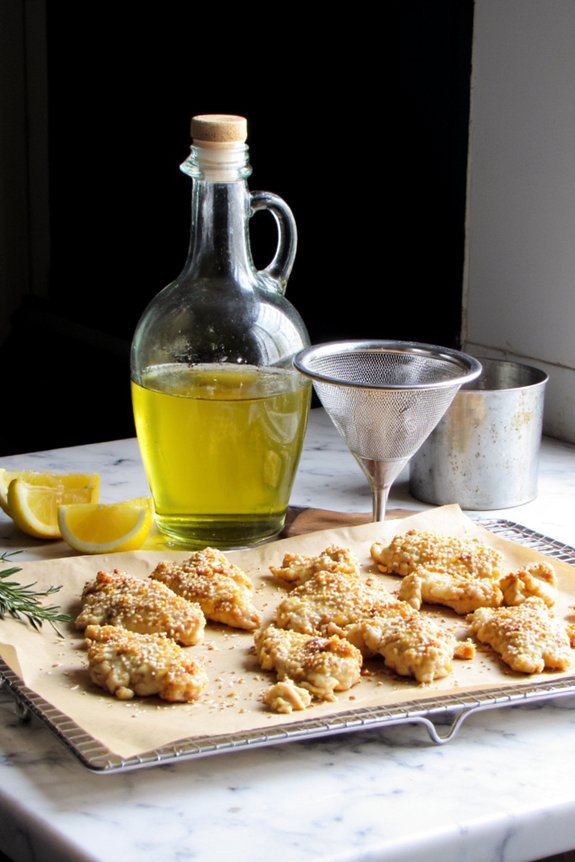
Before you tuck your deep fryer away for storage, you’ve gotta drain that oil completely—and we mean all of it. Leaving residual oil sitting in your fryer is basically asking for trouble, whether that’s leaks, rancid smells, or a general mess waiting to happen.
Here’s the thing: draining thoroughly helps extend life of your equipment while preventing odor that’ll make your storage space unbearable. Use a container to catch the oil, then wipe down the interior with paper towels to get those last stubborn drops. Let the fryer cool completely first—nobody wants burned fingers.
Once it’s empty and dry, you can confidently store it knowing you’ve eliminated the biggest culprits behind leaks and unpleasant surprises down the road. Some deep fryers feature removable oil filtration systems that make draining and cleanup even easier, reducing the risk of leftover oil causing leaks while in storage.
Clean the Interior and Exterior Thoroughly
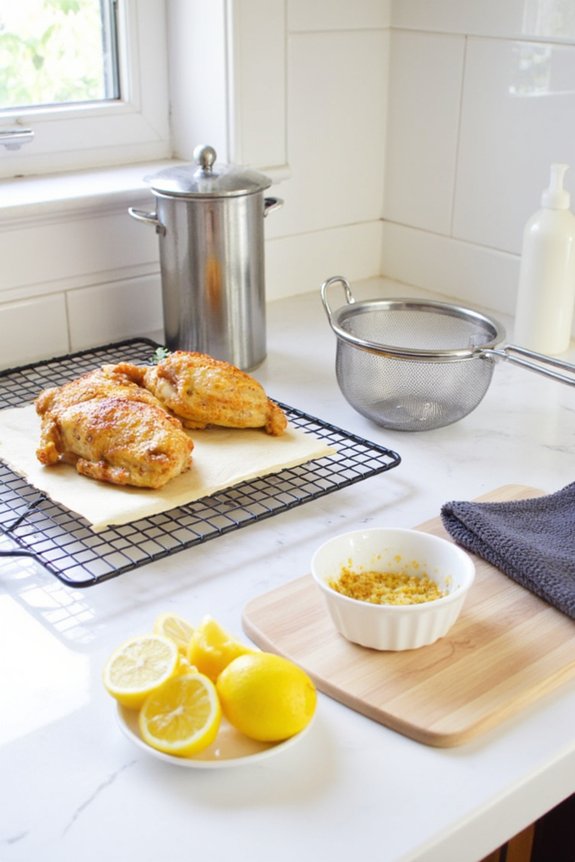
Now that your oil’s drained, it’s time to tackle the grease that’s probably stuck to every surface inside your fryer—and yeah, there’s gonna be more than you’d think. You’ll want to wipe down those interior walls and heating elements with a degreaser or hot soapy water, making sure you get all the crusty bits and oil residue that’ll cause rust if you leave ’em sitting around. Once everything’s sparkling clean, dry all the components thoroughly with a clean cloth or let them air dry completely, because moisture and storage don’t mix well if you’re planning to keep this thing in good shape for next time. Just like with detachable trays and dishwasher-safe components, making your deep fryer’s parts easy to clean will help prevent buildup and make storage safer and simpler.
Removing Residual Oil Deposits
Once you’ve unplugged that beast and let it cool down completely, it’s time to tackle the gunk that’s decided to make your deep fryer its permanent home. That residual buildup isn’t just ugly—it’s actually problematic stuff caused by oil polymerization, which happens when heat breaks down oil over time.
| Cleaning Method | Best For | Difficulty | Time Needed | Effectiveness |
|---|---|---|---|---|
| Paper towels | Surface debris | Easy | 5 mins | Good |
| Hot soapy water | Interior walls | Medium | 15 mins | Very Good |
| Degreaser solution | Stubborn deposits | Medium | 20 mins | Excellent |
| Vinegar soak | Grease buildup | Easy | 30 mins | Very Good |
| Commercial cleaner | Heavy residue | Hard | 25 mins | Excellent |
Wipe down every nook carefully. Don’t skip corners where oil loves hiding. You’ll prevent future leaks and keep your fryer running smooth. For best results, be sure to clean the interior and exterior thoroughly just as you would with other kitchen appliances to maintain optimal performance and hygiene.


Degreasing Interior Surfaces
Getting the interior squeaky clean is where the real magic happens, and you’ll want to give both the inside and outside some serious attention. Start by wiping out loose debris with paper towels. Then grab some citrus solvents, which’ll cut through stubborn grease like nobody’s business. These natural degreasers work wonders without harsh chemicals hanging around.
For tougher buildup, enzymatic cleaners are your best friend. They break down oily residue at the molecular level, making cleanup way easier. Spray the solution inside, let it sit for a few minutes, then scrub with a soft brush or cloth. Don’t forget those hard-to-reach corners where gunk loves to hide.
Rinse thoroughly with warm water and dry completely before storage. When cleaning, pay special attention to warranty, durability, and space considerations to ensure your deep fryer remains reliable and long-lasting.
Drying All Components Completely
After you’ve rinsed away all that degreaser, moisture becomes your enemy—water lingering inside the fryer can cause rust and corrosion during storage.
Here’s how to get everything bone dry:
- Air dry thoroughly: Leave all removable parts sitting out for at least 24 hours in a well-ventilated space, giving moisture time to evaporate completely
- Wipe down the interior: Use lint-free cloths or paper towels to manually remove any remaining water droplets from the tank and heating elements
- Toss in desiccant packs: These little moisture absorbers work hard to pull any lingering humidity from the fryer’s interior before you seal it up
Don’t rush this step. Patience pays off big time when you’re protecting your investment from nasty rust damage. Your future self will thank you when you pull out a fryer that’s in perfect condition.
For even better protection, consider adopting anti-scald lid construction and moisture control practices similar to those recommended for premium electric pressure cookers to ensure lasting durability and safer storage.
Inspect and Maintain Seals and Gaskets
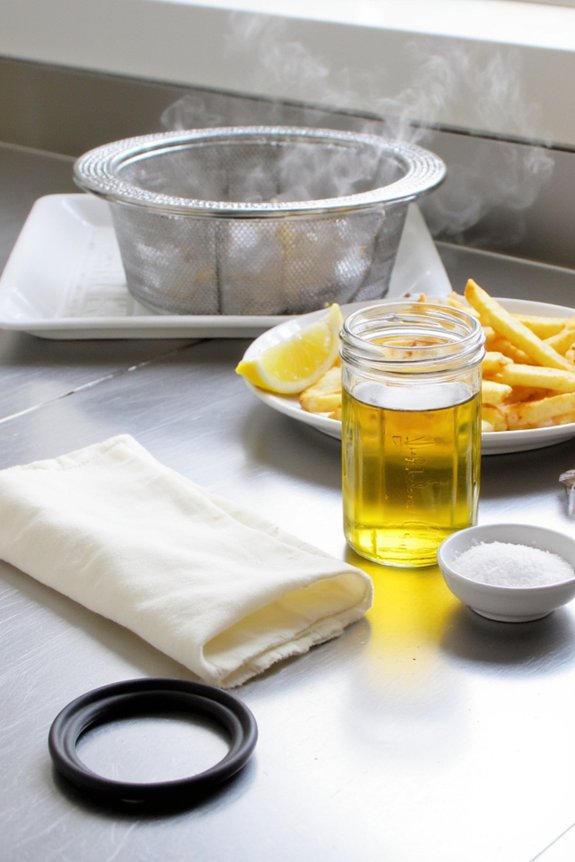
Before you tuck your deep fryer away for storage, you’ll want to give those seals and gaskets some love because they’re basically the bouncers keeping oil where it belongs. Check for any signs of wear like cracks, hardening, or discoloration, and don’t skip cleaning the gasket surfaces with a soft cloth and mild soapy water since stuck-on gunk can mess with your seal’s effectiveness later on. If you spot anything that looks sketchy or damaged, go ahead and replace those components now rather than discovering a leaky fryer surprise when you fire it back up.
Identifying Worn Seal Components
Check your deep fryer’s seals and gaskets regularly, because they’re basically the bouncers keeping oil where it belongs and keeping leaks from becoming a messy disaster. During your seal inspection, look for these telltale signs of trouble:
- Visible cracks, splits, or peeling in the rubber or silicone material
- Hardening or brittleness that makes gaskets less flexible and effective
- Discoloration or sticky residue buildup around seal areas
Gasket wear happens gradually, so don’t wait until you’ve got oil pooling under your fryer. Press gently on the seals with your finger. They should feel slightly firm but still have a little give. If they’re rock-hard or crumbly, it’s replacement time. Fresh seals aren’t expensive and take just minutes to swap out, saving you from potential leaks and kitchen disasters down the road.
Cleaning Gasket Surfaces Properly
Once you’ve identified that your gaskets need attention, keeping those surfaces clean is half the battle in maintaining a solid seal. You’ll want to grab a soft cloth and some warm soapy water, then gently wipe down the gasket material where it sits. Don’t scrub aggressively, since you’re not trying to damage anything. A mild cleaning technique works best here, honestly. Check for stubborn residue or dried oil buildup and tackle those spots with a little extra patience. Make sure everything’s completely dry before reassembling, since moisture can mess with your seal’s effectiveness. This simple step prevents leaks and keeps your fryer ready for storage without surprises later.


Replacing Damaged Seals Regularly
Your cleaning efforts will only get you so far, though. Even the best maintenance routine won’t prevent wear and tear on your deep fryer’s seals and gaskets. Over time, these components break down, crack, or shrink, leading to oil leaks that’ll mess up your storage space. That’s why seal replacement and keeping a gasket inventory should be part of your regular maintenance plan.
Here’s what you need to do:
- Check seals monthly for cracks, discoloration, or warping
- Keep spare gaskets on hand so you’re never caught off guard
- Replace damaged seals immediately before they cause leaks
Don’t put this off. A worn seal today becomes a messy storage problem tomorrow. Staying proactive with replacements keeps your fryer leak-free and ready whenever you need it.
Choose an Appropriate Storage Location
Since deep fryers aren’t exactly glamorous kitchen appliances, finding them a good home matters way more than you’d think. Your storage spot needs solid ventilation needs because residual oil fumes can linger and create unpleasant odors throughout your space. Humidity control is equally important—moisture can corrode metal parts and encourage rust formation on your fryer’s exterior and internal components.
Avoid damp basements or garages where temperature fluctuates wildly. Instead, look for a cool, dry cabinet or shelf in a well-ventilated area of your kitchen. Make sure there’s adequate air circulation around the unit. Keep it away from direct sunlight, which can degrade plastic components over time. A pantry closet with a small vent works great too. The goal’s simple: create conditions that keep your fryer in tip-top shape and ready for your next cooking adventure.
Use Protective Covering and Containment
Even with the perfect storage spot picked out, you’ll want to give your deep fryer some extra protection while it sits idle. Your fryer’s still got residual oil hanging around, and nobody wants surprise leaks ruining their storage space.
Here’s what you should do:
- Wrap your fryer in protective wraps or heavy-duty plastic sheeting to shield it from dust and accidental bumps
- Place it on a spill containment tray or mat designed to catch any oil drips before they hit your floor
- Store absorbent materials nearby, like old rags or paper towels, just in case you need quick cleanup
These simple steps keep your storage area clean and dry. Your future self will definitely appreciate not dealing with an oily mess when you pull that fryer back out. It’s really just smart planning.
Store the Fryer in the Correct Position
Positioning your deep fryer the right way during storage is just as important as finding the perfect spot for it. You’ll want to keep that baby in an upright orientation, plain and simple. Tilt it sideways or upside down, and you’re basically asking for an oil disaster waiting to happen.
Check if your fryer has tilt locking features, because those are your best friends here. They’ll keep everything stable and secure. Make sure the fryer sits on a level, flat surface where it won’t accidentally tip over. No precarious shelves or wobbly tables, please.
Think of it like storing a full glass of water—you wouldn’t lay it horizontally and expect it to stay dry. Same logic applies. Proper positioning means less mess and way more peace of mind when you pull it out next time.
Create a Maintenance Schedule Before Next Use
Before you stash that fryer away for the long haul, it’s smart to jot down a quick maintenance plan for when you’re ready to fire it back up. Creating a schedule reminder keeps you from forgetting important upkeep tasks that’ll extend your fryer’s lifespan.
Here’s what you’ll want to tackle:
- Clean the heating element and interior thoroughly before storage and again before your next cooking session
- Check all seals and gaskets for cracks or wear that could cause leaks down the road
- Test the thermostat and electrical components to guarantee everything’s working properly
Develop a pre use checklist you can reference every time you pull that fryer out. Jot down when you last serviced it, what oil you’re using, and any quirks you’ve noticed. This simple habit saves you from headaches and keeps your fryer running smooth for years to come.
Frequently Asked Questions
How Long Can Oil Sit in a Deep Fryer Before It Becomes Unsafe?
You can safely keep oil in your deep fryer for two to three months. Watch for rancidity indicators like off-odors or cloudiness. Monitor its shelf life closely, and don’t ignore these warning signs that it’s become unsafe.
What’s the Best Container to Use for Storing Drained Fryer Oil?
You’ll want to use food safe containers, specifically airtight jugs designed for oil storage. They’ll keep your drained fryer oil fresh longer and prevent oxidation. Glass or food-grade plastic jugs work best for you.
Can I Store a Deep Fryer Outdoors in My Garage or Shed?
Yes, you can store your deep fryer in a garage or shed for outdoor storage. However, you’ll face pest risks from insects and rodents attracted to residual oil. make sure it’s covered and raised off the ground.
How Often Should I Replace Seals and Gaskets on My Fryer?
You should replace your fryer’s seals and gaskets annually as part of your maintenance schedule. However, check material compatibility with your oil type quarterly, since certain oils degrade rubber faster, requiring more frequent replacements.
What Temperature Should the Fryer Cool to Before Storing It Away?
You should cool your fryer to room temperature before storing it away. This guarantees safe handling and prevents oil leaks. Never store a hot fryer, as residual heat can damage seals and compromise storage safety.
Conclusion
You’ve got this! Your fryer’s gonna stay leak-free and ready to go when you need it. Just remember: drain that oil, clean everything up, check those seals, and find it a nice spot away from trouble. Store it upright with a protective cover and you’re golden. A little maintenance now means no messy surprises later. Your future self will thank you for the effort.