Your electric knife used to glide through roasts like butter, right? Now it’s struggling, tugging, and basically making you work twice as hard. There’s nothing more frustrating than a tool that’s supposed to save you time doing the opposite. The good news? Most cutting problems aren’t actually that complicated to fix. It usually comes down to a few specific culprits that we can tackle together.
Key Takeaways
- Check blade alignment—misaligned blades cause uneven slicing; ensure both blades are perfectly parallel for smooth cuts.
- Inspect blades for dullness, nicks, or rust; replace them when tearing occurs instead of clean slicing.
- Clean debris between serrations weekly and wipe blades after each use to prevent buildup and dulling.
- Verify motor performance by testing a different outlet; unusual vibration or sounds indicate motor wear requiring repair.
- Use proper technique: maintain steady wrist alignment, apply gentle downward pressure, and let blades do the work.
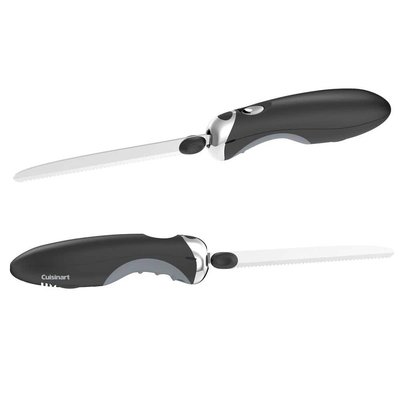
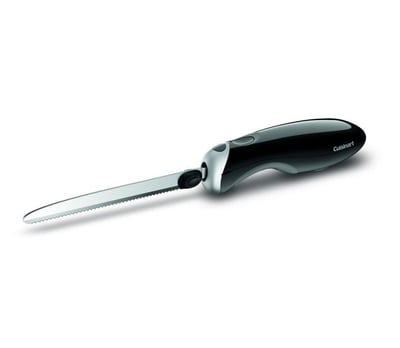
Blade Dullness and Sharpening Techniques

If your electric knife’s been acting like it’s trying to saw through a marshmallow, dullness is probably your culprit. Over time, blades lose their sharpness from regular use, making cutting feel like a real chore.
Here’s the thing: you’ve got options. Professional sharpening services work great if you want someone else handling it. But if you’re into DIY, edge honing at home is totally doable. You’ll need a honing steel or sharpening rod designed for electric knife blades.
For serious dullness, microbeveling techniques can restore your blade’s bite. This involves working a fine-grit sharpener at precise angles along the blade’s edge. It takes patience, yet the results? Totally worth it. Your knife’ll slice through turkey and bread like it’s brand new again.
Many electric knives have removable blades that make cleaning and sharpening much easier, so be sure to detach the blades before you start any sharpening process.
Proper Blade Alignment and Positioning

Even when your blades are sharp as a tack, misalignment can totally sabotage your cutting performance. You’d be surprised how often this happens. Proper blade alignment is essential for smooth, even cuts through your food. Start by checking that both blades line up perfectly parallel to each other. If they’re slightly off, you’ll get uneven slicing that’s frustrating to deal with. Handle positioning matters just as much. Hold your knife steady and let the blades do the work without forcing it. Keep your wrist straight and your grip relaxed, allowing natural movement. Don’t twist or angle the blade mid-cut. Sometimes the simplest fix—ensuring everything lines up correctly—makes all the difference in your cutting results and saves you from unnecessary headaches. For best results, regularly inspect the blade assembly and align it according to the manufacturer’s safety features to ensure optimal performance and prevent accidental mishaps.
Cleaning and Removing Debris

Once you’ve got your blades aligned perfectly, you’ll want to keep them that way by staying on top of cleaning and debris removal.
- Wipe down your blades after every use with a damp cloth to prevent buildup
- Use a small brush to gently remove stuck-on food particles between the serrations
- Perform deep cleaning weekly by soaking the blade assembly in warm soapy water
- Apply a thin layer of food-grade lubricant application to the blades for smooth operation
Here’s the thing: debris buildup is basically your knife’s worst enemy. It’ll dull those blades faster than you’d think and make cutting feel like you’re sawing through concrete. A quick wipe-down takes maybe thirty seconds, but it saves you tons of frustration down the road. Regular maintenance keeps everything running like it should. For added longevity, consider following warranty and durability recommendations similar to other kitchen appliances, as regular care can help prevent avoidable damage and extend your knife’s lifespan.


Checking for Blade Damage or Wear

All those dinners your knife’s sliced through add up over time, and your blades won’t stay razor-sharp forever. Over time, wear and tear catches up with even the best electric knives. You’ll want to inspect both blades carefully for any visible damage or dullness. Look for rust spots, which can develop if moisture’s gotten trapped, or small nicks that’ll mess with your cutting performance. Check for manufacturing defects too, since some blades come faulty right out of the box. Hold the blade up to the light and run your finger gently along the edge, being careful not to cut yourself. If you spot significant damage, chips, or rust spots that won’t come clean, it’s probably time for replacement blades. Most electric knives have affordable blade sets available. Just as with cast iron skillet maintenance, keeping your electric knife blades clean and inspecting them regularly will help prolong their performance and lifespan.
Motor Performance and Power Issues

If your knife’s been losing its cutting power lately, you’re probably dealing with motor issues rather than just a dull blade. Your motor might be struggling because of power supply voltage fluctuations, which basically means your outlet’s not delivering consistent electricity, or the blade oscillation speed could be declining as the motor ages and loses its oomph. Before you toss the whole thing, try plugging it into a different outlet to rule out electrical wonkiness, and if that doesn’t help, your motor’s likely running out of steam. It’s also worth noting that the typical motor lifespan for small kitchen appliances like electric knives is roughly 5–10 years with regular use and proper care.
Power Supply Voltage Fluctuations
Because your electric knife relies on consistent electrical current to operate smoothly, voltage fluctuations from your power supply can really mess things up. When your home’s electrical system isn’t stable, your blade won’t perform like it should.
Here’s what you need to know about power supply issues:
- Voltage sags cause your motor to lose power temporarily, making cuts feel weak and uneven
- Frequency variations from your electrical grid can throw off the blade’s rhythm and speed
- Overloaded circuits in your home create drops that reduce cutting performance markedly
- Faulty outlets or damaged cords worsen the problem by delivering inconsistent power
Try plugging your knife into a different outlet on another circuit. Sometimes that’s all it takes to get smooth, powerful cuts again. If problems persist, you might have deeper electrical wiring issues worth investigating.
Blade Oscillation Speed Decline
Your motor’s actually working hard to keep that blade moving back and forth hundreds of times per second, and when it starts slowing down, you’ve got a real problem on your hands. This slowdown usually means motor wear is creeping in, which happens naturally over time with regular use. You might notice the blade doesn’t vibrate as aggressively as it once did, making cuts feel sluggish and uneven. Gear slippage can also contribute to reduced oscillation speed, especially if your knife’s seen some wear and tear. Check if your motor sounds different, maybe a bit strained or wheezy. Sometimes cleaning out dust buildup around the motor helps restore some pep, but eventually you’re looking at needing professional repairs or replacement parts to get back to smooth, efficient cutting.
Maintenance Schedule and Best Practices
Regular maintenance is genuinely one of those things that’ll save you from turning your electric knife into an expensive paperweight. You don’t need to be a tech wizard to keep yours running smooth.
- Perform a monthly inspection of your blade for dullness, rust, or debris buildup
- Apply seasonal lubrication to the motor housing and oscillation mechanism every few months
- Hand wash blades immediately after use and dry them completely before storage
- Check the power cord regularly for damage or fraying
Honestly, spending fifteen minutes on these tasks beats dealing with a frustrating kitchen tool that doesn’t cut right. Your knife’ll thank you with years of reliable performance, and you’ll actually enjoy using it again instead of cursing at it while struggling through a loaf of bread.
))/3392047.json)
Proper Cutting Technique and Handling
Even the sharpest, best-maintained blade won’t do you any favors if you’re not holding and using the knife correctly. Your proper grip matters more than you’d think. Hold the handle firmly but not white-knuckle tight, letting the blade do the actual work instead of forcing it. Keep your wrist alignment straight and steady, avoiding twists or angles that’ll cause uneven cuts. Use even pressure throughout each stroke, applying gentle downward force rather than pressing hard. Let the serrated edges handle the cutting action naturally. Move with a smooth motion, either in a sawing rhythm or straight up-and-down depending on what you’re slicing. Your technique directly impacts how smoothly that blade glides through food.
When to Replace Your Blades or Knife
No matter how perfect your technique gets, there’ll come a time when even the best electric knife needs retirement. Your blades won’t stay sharp forever, and recognizing the lifespan indicators helps you know when it’s time for blade replacement.
Here’s what to watch for:
- Blades that tear instead of slice cleanly through meat or bread
- Increased vibration or unusual sounds coming from the motor
- Visible nicks, rust spots, or discoloration on the blade surface
- The knife requiring excessive pressure to cut through softer foods
When you’re noticing these signs, don’t push your old knife too hard. A dull blade’s actually more dangerous than a sharp one because you’ll work harder and risk slipping. Fresh blades make cutting effortless again, so grab a replacement and get back to smooth, satisfying slices.
Frequently Asked Questions
Can I Use My Electric Knife on Frozen Foods or Very Hard Items?
You shouldn’t use your electric knife on frozen foods or very hard items. They’ll damage your blades and compromise cutting performance. Follow frozen precautions by thawing first. Prioritize blade maintenance to preserve your knife’s longevity.
Is It Safe to Use an Electric Knife on Bones or Cartilage?
You shouldn’t use your electric knife on bones or cartilage. There’s significant bone safety risk since the blade can jam or break. Exercise cartilage caution too—these tough materials will damage your knife’s motor and create hazardous situations.
How Do I Store My Electric Knife to Prevent Damage Between Uses?
You’ll want to store your electric knife in a clean storage area away from moisture. Keep the blade oiled lightly to prevent rust, and store it in its original case or a protective sheath between uses.
What Voltage or Power Specifications Should I Consider Before Purchasing?
You’ll want to check the motor wattage, typically ranging from 90 to 150 watts for most models. Higher wattage means more cutting power. Also consider blade speed, usually measured in strokes per minute—faster speeds handle tougher foods better.
Are Electric Knife Blades Universal, or Brand-Specific Replacements Required?
Most electric knife blades aren’t universal—you’ll need brand-specific replacements for your model. However, some manufacturers offer model adapters that let you use compatible blades across their product lines, so check your manual first.
Conclusion
So there you have it—your electric knife’s smooth cutting days can totally come back. Check those blades, keep things clean, and don’t skip maintenance. You’d be surprised how much sharper and smoother things run when you actually take care of ’em. And hey, if nothing works? Sometimes it’s just time for a new one. Your sandwiches’ll thank you.