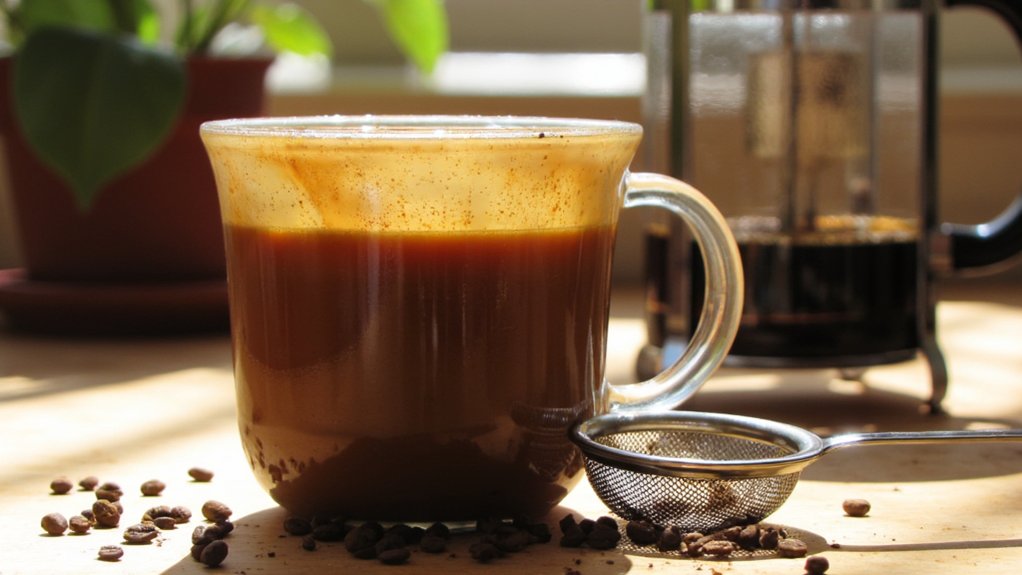
So your French press is giving you a cup that’s basically liquid mud. You’re not alone—and it’s probably not your fault. The culprit could be anything from a grind that’s way too fine to a plunger seal that’s seen better days. Maybe you’re pouring like you’re angry at the coffee. The good news? Most of these issues are fixable, and we’re about to figure out which one’s sabotaging your brew.
Key Takeaways
- Fine grind size produces powder-like particles that fail to settle and slip through mesh filters.
- Extended brew time causes over-extraction, increasing grit and muddy texture in your cup.
- Worn plunger gaskets and degraded metal screens allow fine grounds to pass through.
- Aggressive pouring creates turbulence that stirs up settled fines instead of saturating grounds evenly.
- Dark roast beans crumble more during grinding, producing excess fine particles that increase sediment.

Your Grind Size Is Too Fine
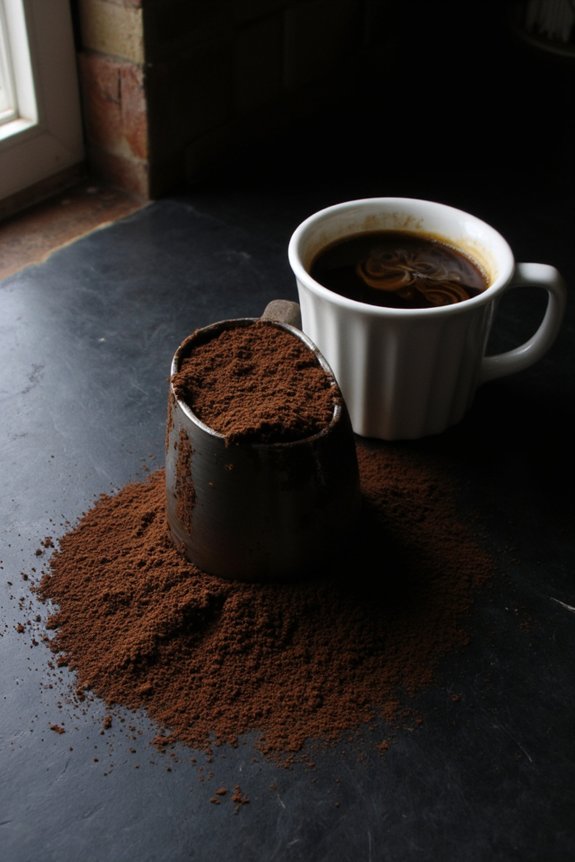
Imagine this: you’re pouring that hot water into your French press, everything seems right, but then you take a sip and it’s got this gritty, almost muddy texture that makes you wince. Yeah, your grind’s probably too fine. Here’s the thing: when you grind your beans too fine, they’re basically powder. That powder doesn’t settle properly on the bottom, causing channeling problems where water rushes through unevenly. Over agitation makes it worse, stirring up those tiny particles. What happens next is fines migration—all those microscopic bits end up in your cup instead of staying put. You want medium-coarse grounds that let water flow through naturally. Think sea salt, not flour. Get that grind right, and you’ll notice the difference immediately. Choosing the right grind size is especially important for French press setups, as finer particles can slip through even the best mesh filters and lead to extra sediment in your cup.
Brew Time Is Extending Too Long
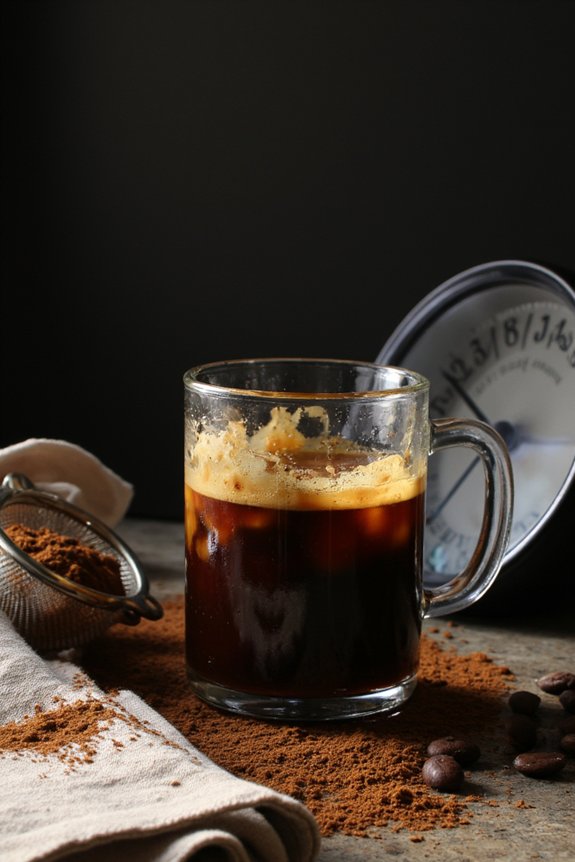
When you’re letting your French press sit for way too long, you’re basically making a different drink altogether. Here’s the thing: those extra minutes transform your brew into something way more intense than intended. That’s your over extraction warning right there. The longer grounds steep, the more oils and bitter compounds leach into your water, creating that gritty, unpleasant cup. Your stirring frequency matters too. If you’re not stirring regularly during brewing, sediment settles unevenly and extraction becomes inconsistent. Aim for a standard four-minute brew time, give or take based on your grind. Set a timer, seriously. This simple habit prevents you from forgetting about your press and accidentally creating sludge instead of coffee. Just like with automatic descaling alerts in modern coffee machines, setting a consistent brew routine helps you avoid common mistakes that lead to poor coffee quality.
Water Temperature Affects Extraction
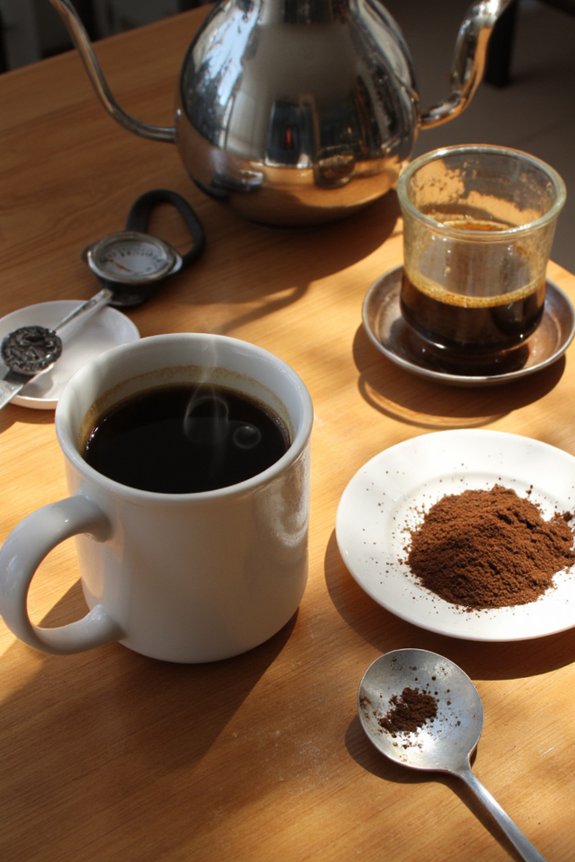
Since you’ve nailed your brew time and stirring routine, there’s one more player in the extraction game that can totally make or break your cup: water temperature.
Here’s the thing: if your water’s too cool, you’ll end up with under extraction, meaning weak coffee that tastes flat and disappointing. On the flip side, scalding water cranks up over extraction, pulling out too many bitter compounds that’ll make you grimace. You’re basically looking for that sweet spot between 195 and 205 degrees Fahrenheit.
Getting temperature right matters because it directly controls how quickly those coffee grounds release their good stuff:
- Too cool water leaves flavor compounds behind
- Scalding water extracts harsh, bitter notes
- Perfect temperature creates balanced, smooth coffee
Think of it like Goldilocks, but for your morning brew.
Preheating your carafe with hot water can help maintain the optimal brewing temperature throughout the extraction process, ensuring a smoother cup.
The Quality of Your Coffee Beans Matters
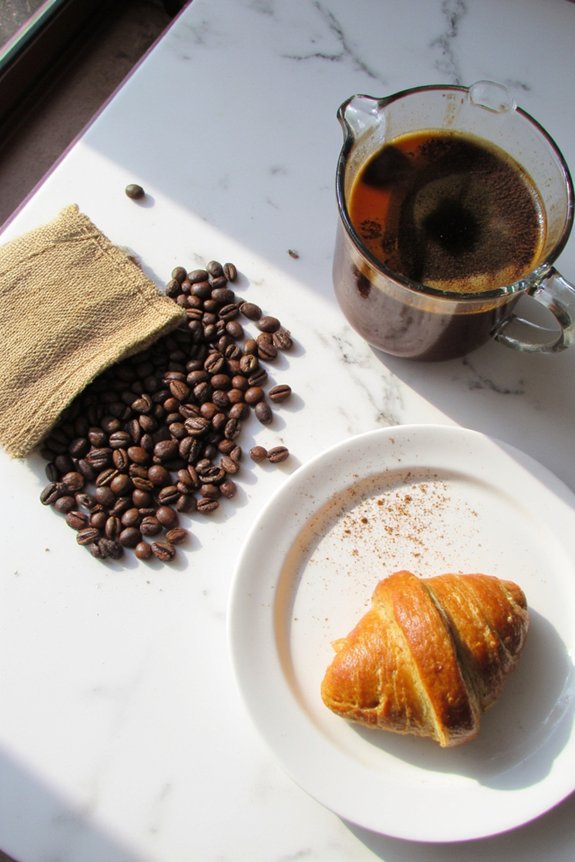
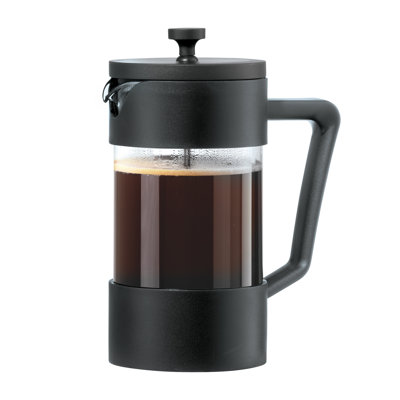
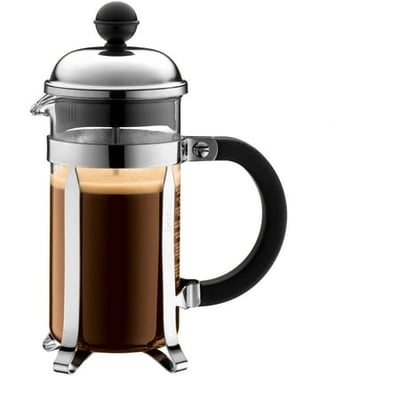
you can dial in your water temp perfectly, but if your beans are stale or roasted way too dark, you’re fighting an uphill battle from the start. Bean freshness matters big time since older beans lose their flavor compounds and won’t extract right, plus your roast level changes everything about how those grounds interact with hot water and ultimately how much sediment you’ll end up with. Then there’s grind consistency, which sounds simple but isn’t, because uneven particle sizes mean some bits over-extract while others under-extract, creating more of that gritty stuff settling at the bottom of your cup. Investing in a grinder that produces consistent particle sizes can significantly reduce sediment and improve the flavor clarity of your French press brew.
Bean Freshness and Age
Most coffee enthusiasts don’t realize that your beans’ age makes nearly as much difference as the roast itself. Stale beans are basically the enemy of good French press coffee, and they contribute to that gritty sediment you’re fighting against.
Here’s why freshness matters:
- Older beans break down unevenly, creating more fine particles that slip through your filter
- Proper storage methods like airtight containers keep beans fresher longer, reducing sediment issues
- Beans lose their oils and structure as they age, making them prone to over-extraction
You’ll want to buy beans within two weeks of their roast date. Yeah, it’s specific, but your cup’ll thank you. Fresh beans simply hold together better during brewing, meaning less sludge in your mug and better-tasting coffee overall.
If you’re already using fresh beans and still struggling with sediment, consider whether your electric kettle choice is affecting your brew quality, as some kettles release minerals or have design quirks that impact extraction.
Roast Level Impact
The roast level of your beans plays just as big a role in sediment as their age does, maybe even bigger depending on how you look at it. Here’s the thing: lighter roasts are denser and harder, so they don’t break down as easily during brewing. Dark roasts, on the other hand, are more fragile and brittle from all that heat exposure. They crumble more readily, creating finer particles that slip right through your filter and into your cup.
If you’re dealing with excessive sediment, your dark roast might be the culprit. Those beans have already been through the wringer, so they’re basically ready to fall apart. Consider switching to a light roast or adjusting your brewing technique to see if things improve.
Grind Consistency Problems
Inconsistent grind size might be your French press’s worst enemy, and it all comes down to the quality of your beans and your grinder. When you’re working with cheaper beans or a subpar grinder, you’re basically asking for trouble. Inconsistent particle size means some grounds dissolve too fast while others hang around, creating that gritty mess in your cup.
Here’s what you can do:
- Invest in a burr grinder instead of a blade grinder, since burr alignment guarantees uniform particles
- Buy whole beans from reputable roasters who actually care about quality
- Grind right before brewing so your coffee stays fresh and flavorful
Your French press deserves better than whatever’s currently happening in that mug.
Your Pouring Technique Needs Adjustment
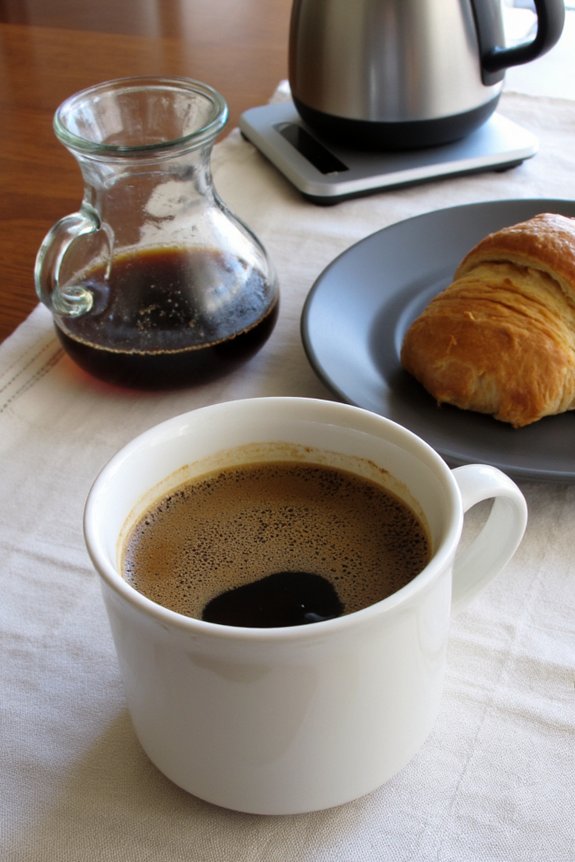
Beyond just getting the grounds wet, how you pour your water into the French press actually matters a lot. An adjusted pour makes a real difference in sediment levels. Instead of dumping water in aggressively, try pouring slowly and deliberately around the grounds. This controlled agitation keeps things moving without creating excessive turbulence that kicks up fine particles. You’ll want to pour in circular motions, letting the water saturate everything evenly. Think of it like you’re being gentle but thorough, you know? Rushed pouring basically stirs up a sediment storm. Take your time, and you’ll notice way less gritty texture in your cup. It’s honestly one of those simple tweaks that surprises people with how much it helps.
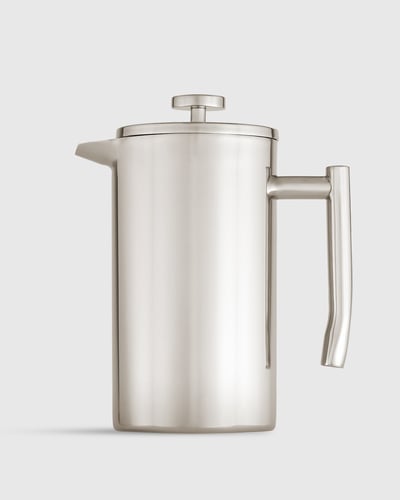

The Plunger Seal Isn’t Working Properly
Even your perfect pour technique won’t matter much if your plunger seal’s compromised. A worn gasket or misaligned plunger lets those tiny grounds slip right through, and suddenly you’re drinking grit instead of coffee. It’s frustrating because you’re doing everything else right.
Here’s what to check:
- Inspect the gasket for cracks, tears, or hardening that prevents a proper closure
- Examine the plunger alignment to guarantee it sits centered and moves smoothly without wobbling
- Clean around the seal area since coffee oil buildup can prevent contact between the plunger and glass
If your gasket’s seen better days, replacing it costs just a few bucks and transforms your brew. A misaligned plunger might need gentle adjustment or a new basket assembly. Don’t overlook these simple fixes.
Filter Degradation Over Time
While you’re making sure your plunger seal’s in tip-top shape, don’t forget about what’s actually doing the filtering. Your French press’s metal screen experiences metal fatigue from repeated use, gradually weakening over time. Hot water cycles, constant plunging, and daily wear literally stress the mesh. Eventually, tiny holes enlarge and weaken. Screen clogging compounds the problem too. Coffee oils and fine particles build up in the mesh, reducing its effectiveness even when it’s technically intact. You’ll notice sediment creeping back into your cup as the filter deteriorates. Replacing your screen every couple years keeps your coffee clean and your morning ritual smooth. It’s honestly one of the cheapest upgrades you can make for better tasting brew.
How to Reduce Sediment Without Sacrificing Flavor
Getting rid of sediment without turning your coffee into watered-down disappointment comes down to a few smart tweaks you can make right now. Try a coarse preinfusion by pouring just enough hot water to saturate your grounds, let it sit for thirty seconds, then add the rest. This settles particles before they cause trouble. Double filtration works wonders too—pour through a fine mesh strainer after pressing to catch what slips through.
Here’s what’ll transform your cup:
- Use a coarser grind to minimize fine particles
- Practice a thirty-second preinfusion before full brewing
- Try double filtration for cleaner results
You’re basically giving sediment fewer chances to crash the party. These adjustments keep that rich flavor intact while dramatically reducing the gritty texture you’ve been tolerating.
Frequently Asked Questions
Can Sediment in French Press Coffee Pose Any Health Risks to Consumers?
You’re unlikely to face serious health risks from French press sediment, though microbial contamination and heavy metal exposure remain potential concerns if you’re consuming excessive amounts regularly or using poor-quality beans.
Does the Type of Water Used Affect Sediment Levels in Brewed Coffee?
Yes, your water type markedly affects sediment levels. Hard water with high mineral content creates more sediment, while pH balance influences how coffee particles dissolve. You’ll notice softer water produces cleaner brews with less residue.
How Often Should I Replace My French Press for Optimal Performance?
You should replace your French press every 3-5 years for peak performance. The carafe lifespan depends on usage frequency and care. Regular replacement prevents sediment buildup, maintains brewing quality, and guarantees your equipment functions properly.
Can I Use Paper Filters Inside a French Press to Reduce Sediment?
You can use a paper sleeve or mesh adapter inside your French press to reduce sediment. These accessories filter finer particles while maintaining your brew’s full-bodied flavor profile effectively.
What’s the Ideal Ratio of Coffee Grounds to Water for Minimal Sediment?
You’ll want a 1:15 coffee-to-water ratio for your French press. That’s roughly one part grounds to fifteen parts water. Better grind control—using coarser grounds—also minimizes sediment since they settle faster and don’t slip through the filter mesh.
Conclusion
So you’re stuck with a gritty cup when you really want smooth, silky coffee. The good news? You’ve got options. Whether it’s dialing in your grind, babying that plunger, or swapping out your filter, there’s a fix waiting for you. Start with one change at a time and you’ll nail it. Your French press doesn’t have to betray you every morning.