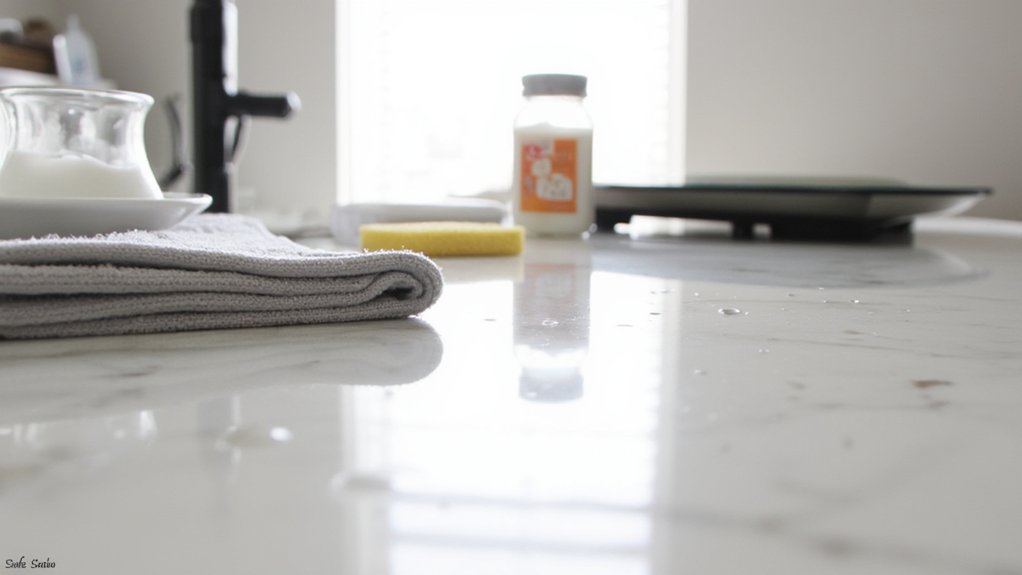
Your portable induction cooktop’s glass surface is probably looking a bit rough right now. Maybe there’s some stubborn burnt-on gunk stuck on there, or water spots that just won’t budge. The good news? You don’t need fancy chemicals or hours of scrubbing to get it gleaming again. We’ve got straightforward techniques that actually work, and we’re about to walk you through exactly what you’ll need.
Key Takeaways
- Unplug the cooktop and allow it to cool completely before cleaning to prevent injury and electrical hazards.
- Wipe fresh spills immediately with a damp cloth using circular motions to prevent residue from hardening.
- Apply baking soda paste to stubborn spots, let sit five minutes, then gently scrub with a soft cloth.
- Use a plastic scraper at a 45-degree angle to remove stuck-on residue without scratching the glass surface.
- Buff the cooktop with a microfiber cloth and glass polishing spray to restore shine and prevent streaks.
Why Regular Cleaning Matters for Induction Cooktops

Regular cleaning of your induction cooktop glass surface isn’t just about keeping things looking pretty, though that’s definitely a nice bonus. When you let grime build up, it actually interferes with your cooktop’s performance. A dirty surface can mess with temperature control, making it harder for your induction cooktop to heat accurately and respond to your adjustments. Touch sensitivity gets compromised too when there’s residue blocking the sensors underneath that glass. You’ll notice your cooktop acting sluggish or unresponsive. Plus, baked-on food and spills can scratch the surface permanently if you leave them sitting around. Regular cleaning keeps everything running smoothly, guarantees your cooktop performs at its best, and honestly, makes cooking way more enjoyable when you’ve got a clean workspace to work with. Many portable induction cooktops feature flat glass surfaces specifically designed for easy cleaning, so keeping up with regular maintenance helps preserve both their appearance and efficiency.
Essential Supplies and Tools You’ll Need

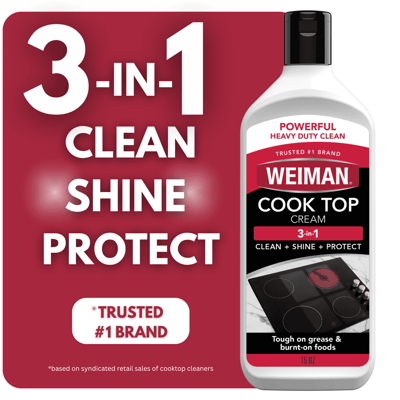
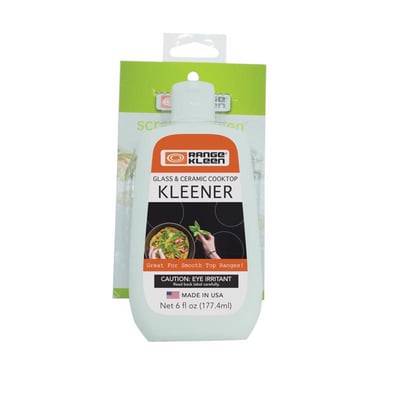
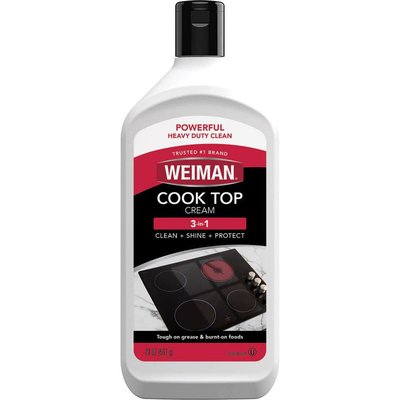
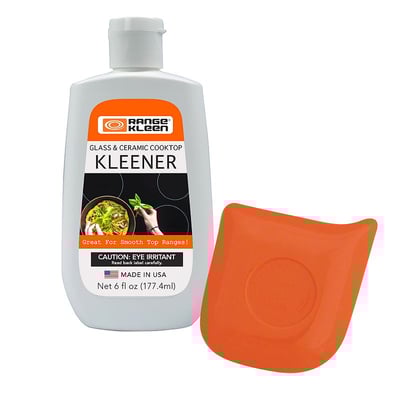
Before you tackle that glass surface, you’ll want to round up the right supplies, because trying to clean an induction cooktop with whatever’s under your sink is basically a recipe for disaster. Grab a soft microfiber cloth, some white vinegar, and a gentle glass cleaner designed for cooktops. You’ll also need baking soda for stubborn spots and a plastic scraper that won’t scratch your surface. Avoid anything abrasive like steel wool or harsh chemicals that’ll damage the glass.
Keep these items handy whether you’re maintaining a permanent kitchen setup or dealing with travel kitchens where space is tight. A small spray bottle works great for portability. If you’ve got magnetic cookware sitting around, make sure it’s clean too, since residue transfers easily. Having everything ready means you’ll actually follow through with regular cleanings instead of procrastinating.
If your induction cooktop doubles as a grill, using non-stick coatings can help simplify both cooking and cleaning tasks.
Safety Precautions Before You Start Cleaning
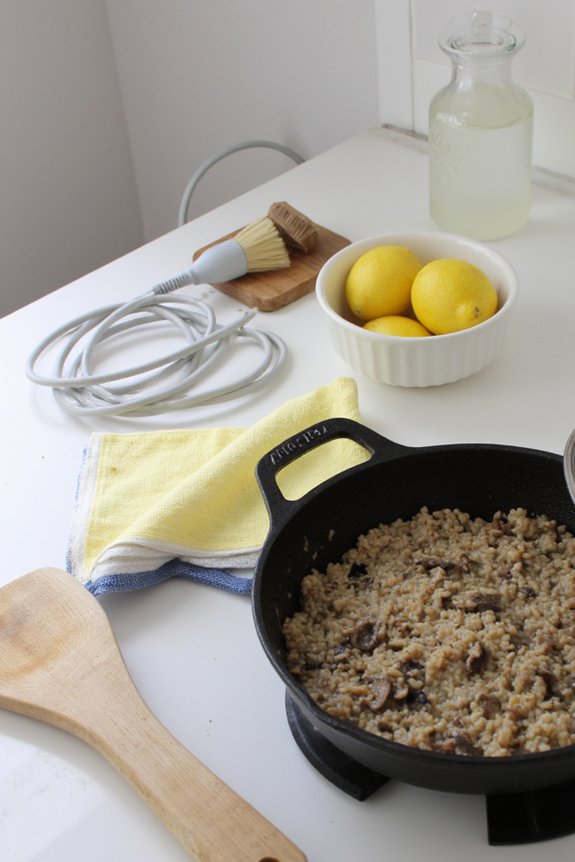
Now that you’ve got all your supplies lined up, let’s talk about keeping yourself safe while you’re cleaning. Safety first, right?
Here’s what you need to do before diving in:
- Always unplug appliances completely from the electrical outlet to prevent accidental activation or electrical hazards
- Let the cooktop cool down entirely, since glass surfaces retain heat way longer than you’d think
- Wear protective gloves to shield your hands from sharp glass edges and any harsh cleaning chemicals you’re using
Don’t skip these steps, even if you’re in a hurry. Your hands and your safety matter more than saving five minutes. Trust me, a quick cool-down period beats a trip to urgent care any day. You’ve got this, and you’re gonna do it the smart way.
If you use other countertop appliances with borosilicate glass surfaces, remember they require extra care to avoid cracks or accidental breakage during cleaning.
Daily Maintenance to Prevent Buildup
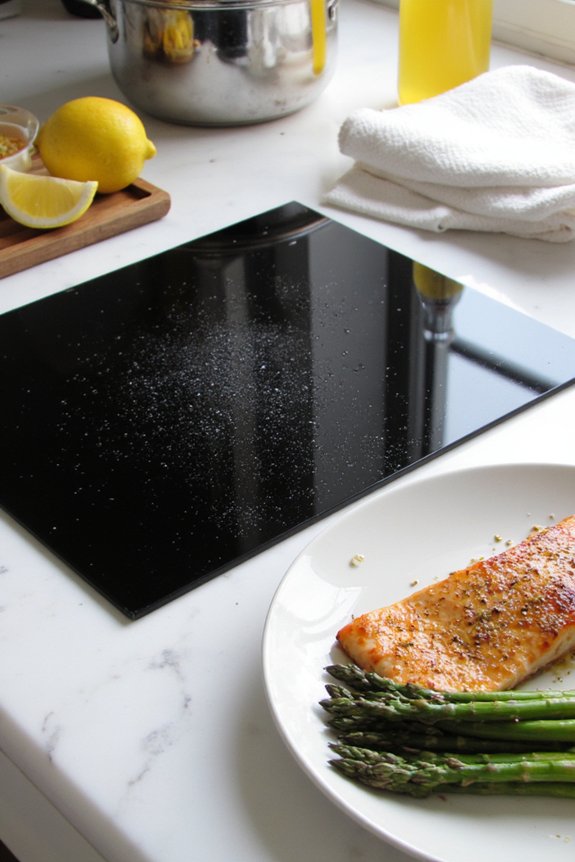
The secret to keeping your induction cooktop looking fresh isn’t complicated—you’ve just gotta wipe up spills the moment they happen, before they get all sticky and stubborn. Using the right cookware (flat-bottomed pans that actually fit your burner, not that warped skillet from 2005) prevents a lot of mess in the first place, and it’ll save you serious scrubbing time later. Then schedule a proper deep clean once a week, and you’ll never have to deal with that crusty, burnt-on gunk that makes you want to throw the whole thing out the window. For best results, always choose induction-compatible cookware to ensure even heating and to protect the glass surface from accidental scratches or hotspots.
Wipe Spills Immediately
Wiping up spills the moment they happen is honestly your best friend when it comes to keeping that glass cooktop looking sharp. Quick action prevents stains from setting in and becoming those stubborn, baked-on messes that’ll drive you crazy later. Here’s what you should do:
- Grab a damp cloth or paper towel immediately after a spill occurs
- Wipe the area gently while the surface is still warm, not scorching hot
- Use circular motions to lift residue away from the glass
Stain prevention really comes down to catching spills early. You’ll notice that fresh spills wipe away effortlessly, but waiting even fifteen minutes lets stuff harden up. This simple habit takes maybe thirty seconds, yet it saves you serious scrubbing time down the road. Your cooktop will thank you, trust me. For cooktops as well as toaster oven glass surfaces, cleaning spills right away is a proven way to prevent tough buildup and keep your appliance looking new.
Use Proper Cookware
Choosing the right cookware is your secret weapon against buildup on that glass surface. You’ll want to grab pans with magnetic bases, since induction cooktops only work with ferromagnetic materials. That’s what creates the magic—literally. When you’re shopping, look for compatible pans that’re specifically labeled induction-ready. Stainless steel and cast iron are your best friends here. Avoid aluminum or copper cookware without magnetic bottoms, and you’ll sidestep potential scratches and damage that’ll mess up your cooktop’s appearance. Pro tip: stick a magnet to the bottom of any pan before using it. If it sticks, you’re golden. Matching your cookware to your cooktop’s requirements keeps that glass pristine and makes cleaning way easier down the line.
Schedule Weekly Deep Cleaning
Staying on top of daily maintenance is honestly the difference between a glass cooktop that gleams and one that looks like it’s been through a war.
Your weekly deep scrub session keeps things fresh and prevents stubborn stains from settling in permanently. Here’s your game plan:
- Use a glass cooktop scraper at a 45-degree angle for stuck-on gunk
- Apply specialized cooktop cleaner and let it sit for a few minutes
- Wipe everything down with a microfiber cloth for that streak-free shine
Don’t skip this routine. These stain removal tips work best when you’re consistent, and your cooktop’ll thank you for it. Setting aside just fifteen minutes weekly saves you from major cleaning headaches later. Trust us, future you will be grateful.
Removing Burnt-On Food and Stubborn Residue
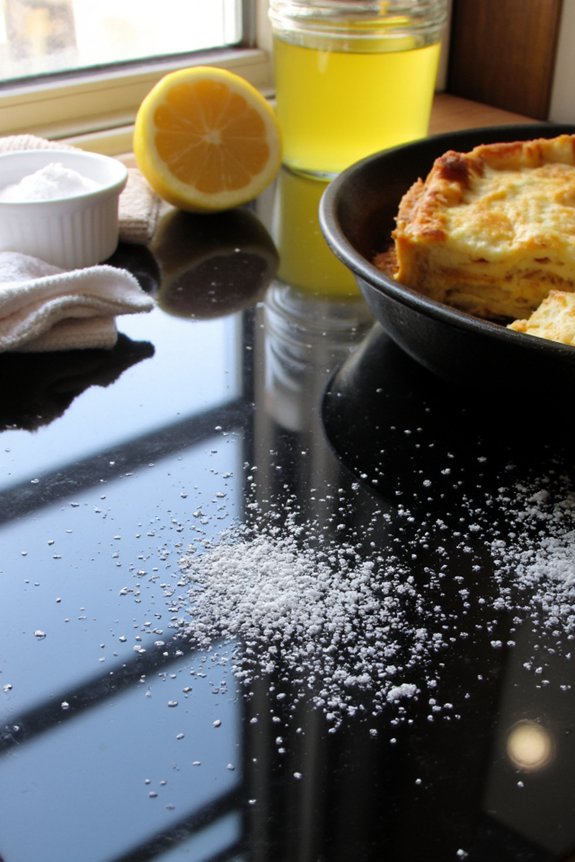
Sometimes burnt-on food and stubborn residue build up on your induction cooktop, especially after you’ve cooked something a little too enthusiastically. When that happens, you’ll want to tackle it before heat discoloration sets in permanently.
Start by letting your cooktop cool completely. Once it’s safe to touch, sprinkle baking soda directly onto the affected areas and add a few drops of water to create a paste. Let it sit for about five minutes, then gently scrub with a soft cloth using circular motions. For enamel buildup that’s really stubborn, use a plastic scraper at a low angle to avoid scratching the glass.
Wipe everything down with a damp cloth, and you’re done. Your cooktop’ll look refreshed and ready for your next culinary adventure.
Tackling Water Stains and Mineral Deposits
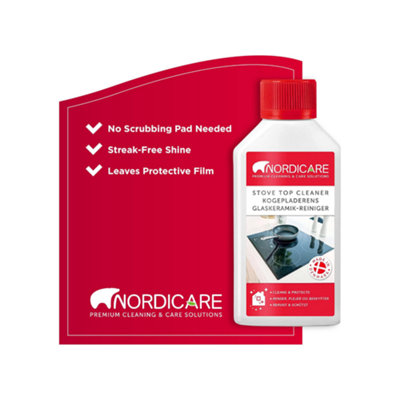
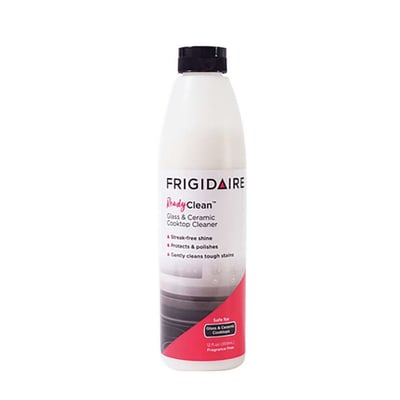
Water stains and mineral deposits are like unwanted houseguests on your cooktop—they show up without invitation and overstay their welcome. You’ll want to tackle these pesky marks before they become permanent etching, and the good news is that white vinegar or a specialized glass cooktop cleaner works wonders for breaking down those chalky, crusty buildup spots. Just spray, let it sit for a minute or two, then wipe it down with a soft cloth, and you’re golden.
How to Clean Your Portable Induction Cooktop Glass Surface
Mineral deposits and stubborn water stains tend to accumulate on your induction cooktop glass like unwanted houseguests, and they’re honestly one of the most annoying things to deal with. Here’s what you need to know about tackling them while maintaining induction safety and glass durability.
- Use white vinegar and baking soda for a natural cleaning combo that won’t damage your surface
- Apply a specialized glass cooktop cleaner designed specifically for induction surfaces
- Wipe gently with a soft cloth in circular motions to avoid scratching
The trick is being patient. Don’t scrub aggressively or you’ll compromise your glass durability. Mix equal parts vinegar and water, spray it on, let it sit for a few minutes, then wipe clean. For stubborn deposits, make a paste with baking soda. Your cooktop will thank you.
Tackling Water Stains and Mineral Deposits
Odds are you’ve noticed those pesky white spots creeping across your cooktop glass, and yeah, they’re pretty frustrating. Those mineral deposits come from hard water, and they’re basically impossible to ignore once you see them.
| Problem | Solution |
|---|---|
| Stubborn white spots | White vinegar spray |
| Cloudy buildup | Baking soda paste |
| Dried mineral layers | Lemon juice treatment |
| Persistent residue | Combination method |
Here’s the thing: if you’re dealing with heavy mineral deposits, consider mineral testing your tap water. You might benefit from water filtration systems that reduce those pesky minerals before they even hit your cooktop. For immediate relief, spray white vinegar directly on the spots and let it sit for five minutes. Wipe everything down with a soft cloth, and those stains’ll disappear pretty quick. Your cooktop’ll shine again.
Dealing With Grease and Oil Splatters
Grease and oil splatters can build up quickly on your induction cooktop, especially if you’re cooking anything that pops or sizzles. These stubborn spots need immediate attention before they harden and become a real pain to remove.
Here’s your game plan:
- Wipe fresh splatters immediately with a damp cloth while the surface cools slightly
- Use scented degreasers formulated for glass cooktops to break down oily buildup effectively
- Tackle high heat frying residue by letting it cool, then scraping gently with a plastic scraper
For tougher, dried-on grease, apply your degreaser and let it sit for a few minutes. This softens the mess and makes cleaning way easier. You’ll notice how much faster grease comes off when you don’t let it sit around cooking itself onto your glass.
Restoring Shine and Preventing Future Damage
Once you’ve tackled all that grime and buildup, you’ll want to bring back that gorgeous shine that makes your cooktop look brand new. Glass polishing is your secret weapon here, and it’s easier than you’d think.
| Method | Product | Best For |
|---|---|---|
| Microfiber cloth | Glass cleaner | Daily shine |
| Vinegar solution | White vinegar | Budget-friendly |
| Specialized polish | Cooktop polish | Deep restoration |
After cleaning, use a microfiber cloth with glass polishing spray to buff that surface until it gleams. For scratch prevention, always use soft cloths and avoid abrasive scrubbers that’ll wreck your cooktop’s appearance. Wipe spills immediately, keep your cooking tools gentle, and you’ll maintain that showroom finish for years. Your future self will thank you.
Frequently Asked Questions
Can I Use My Induction Cooktop Immediately After Cleaning It?
You shouldn’t use your induction cooktop immediately after cleaning it. You’ll want to wait 10–15 minutes and check residual heat first. This guarantees the glass surface is completely cool and safe for cooking.
How Often Should I Replace My Cleaning Cloths or Sponges?
You should replace your sponges every two to four weeks, depending on usage. For cloths, extend the sponge lifespan by alternating between multiple cloths and washing them regularly. Your replace frequency depends on how often you’re cleaning.
What Should I Do if My Cooktop Becomes Cracked or Damaged?
If your cooktop’s cracked or damaged, you’ll want to replace it quickly to avoid safety hazards. Get a professional inspection first to determine if repair’s possible or if full replacement’s necessary.
Are There Any Cleaners I Should Absolutely Avoid Using?
You should avoid abrasive powders and oven cleaners on your induction cooktop glass. These’ll scratch and damage the surface. Stick to gentle, non-abrasive cleaners specifically designed for glass cooktops instead.
Can I Clean My Portable Induction Cooktop While It’s Still Plugged In?
You shouldn’t clean your portable induction cooktop while it’s plugged in. There are serious electrical risks involved, and you’ll face safety precautions that make unplugging essential before you start cleaning.
Conclusion
Your portable induction cooktop’s glass surface doesn’t need to be complicated. You’ve got the tools, you know the tricks, and honestly, a little regular maintenance goes a long way. Stick with your soft cloths and gentle cleaners, tackle spills while they’re fresh, and you’ll keep that cooktop looking practically new. Your future self will thank you when you’re not scrubbing away months of grime.


