So your pasta dough keeps snapping like it’s got a bad attitude. Yeah, that’s frustrating. The culprit’s usually one of three things: your dough’s too dry, the gluten’s not developed enough, or you’re handling it like it owes you money. But here’s the good news—it’s totally fixable. Whether you need more moisture, better kneading technique, or just some patience, we’ll walk through exactly what’s going wrong and how to get those sheets running smooth.
Key Takeaways
- Increase hydration gradually by adding water drops if dough tears; too-dry dough snaps when stretched during rolling.
- Knead dough longer (~8–10 minutes) to develop gluten strength; under-kneaded dough with dry pockets tears easily in machines.
- Ensure room temperature stays around 68–72°F; too-cold dough becomes stiff and cracks; allow gradual warming before working.
- Rest dough for 30+ minutes to relax gluten and improve cooperativeness; this reduces tearing during feeding and rolling.
- Apply gentle, consistent hand pressure when feeding dough; excessive force causes tearing, so let the machine do the work.
Understanding Dough Hydration and Moisture Balance

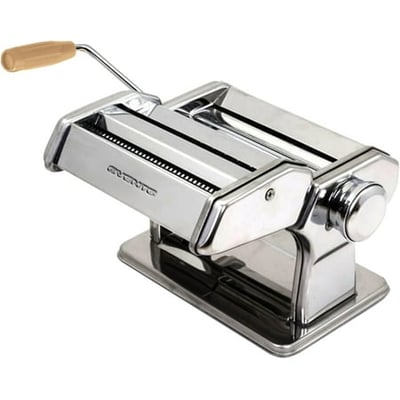
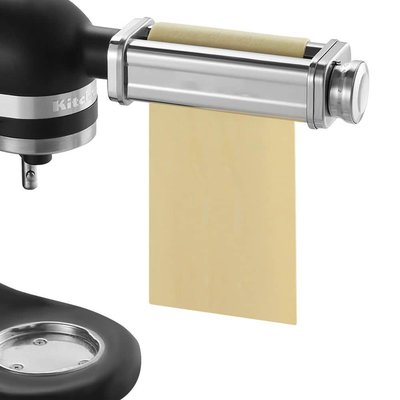
When you’re standing at your pasta maker wondering why your dough’s acting like it’s got a mind of its own, odds are it’s a hydration problem. Your water ratio is basically everything when you’re making pasta dough. Too much moisture, and you’ve got sticky goo that won’t cooperate with your machine. Too little, and your dough cracks and crumbles like it’s annoyed with you.
Here’s the thing: flour absorption isn’t one-size-fits-all. Different flours drink up water differently depending on protein content and humidity. Start with about 30 to 35 percent water by weight, then adjust from there. If your dough’s tearing, add a few drops of water gradually. If it’s clinging to everything, dust in a little more flour. Getting this balance right means your pasta maker actually does its job instead of becoming an expensive paperweight. For best results, proper kneading and gradual flour adjustments can help prevent sticking or breaking as highlighted in top pasta maker troubleshooting guides.
The Role of Gluten Development in Pasta Making

When you’re kneading that dough, you’re actually building up gluten strands that give your pasta its chewy texture and ability to hold together. Getting the hydration just right is key because too much water weakens those gluten networks, while too little leaves you with a crumbly mess that won’t cooperate, and finding that sweet spot takes a bit of practice and honestly, some trial and error. The amount of time you spend kneading matters too, since underworked dough’ll tear when you run it through the machine, but you can definitely overdo it if you’re not paying attention. Just like proper seasoning and kneading are crucial to cast iron performance, developing sufficient gluten is essential for pasta dough that can withstand rolling and shaping.
Gluten Network Formation Process
As you mix flour and water together, something pretty remarkable starts happening at the molecular level—proteins in the flour begin linking up to form gluten, that stretchy, elastic network that gives your pasta its structure and bite.
Here’s what’s actually going on during network formation:
- Protein alignment occurs as you knead, organizing those molecules into organized chains
- Hydration allows water to penetrate and activate the protein bonds
- Mechanical development from mixing creates the actual cross-linking that builds strength
When you’re kneading your dough, you’re basically coaching those proteins into position. The longer you work it, the more they align and bond together. Think of it like organizing a crowd into a proper line—everyone’s facing the right direction, holding hands, creating something cohesive. That’s your gluten network doing its thing, getting ready to hold your pasta together beautifully. For the best results, using precise ingredient measurements with a kitchen scale can help ensure your gluten network develops consistently every time.
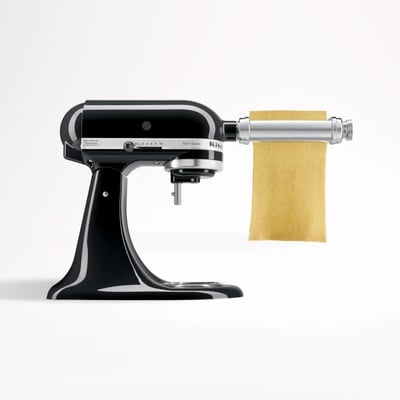
Hydration Balance for Elasticity
The magic really happens when you get your hydration levels just right, because that’s where gluten development transforms from potential energy into actual elasticity. You’re basically looking for that sweet spot between flour absorption and moisture content, you know?
Here’s the thing: if your dough’s too dry, it won’t stretch without snapping. Too wet, and you’ve got a sticky mess that refuses to cooperate. Getting egg proportions balanced matters too, since they add both moisture and richness while helping everything bind together nicely.
Start with about 100 grams of flour per egg, then adjust from there based on how your dough feels. You want something that’s supple and smooth, not stiff or tacky. That’s when your gluten network can actually do its job properly. Choosing the right motor power in your pasta or bread maker can also help ensure thorough kneading, which directly affects gluten development and dough elasticity.
Kneading Time and Strength
Once you’ve nailed your hydration levels, you’ve really only solved half the puzzle, because getting that dough properly developed is what separates mediocre pasta from the kind that’ll actually hold sauce and cook evenly.
Here’s where kneading comes in:
- Gluten network formation happens through consistent, rhythmic kneading that builds strength
- Muscle fatigue is real, so take breaks if you’re mixing by hand without burning out
- Proper development takes roughly eight to ten minutes of dedicated work
Think of it like bench pressing. You wouldn’t expect results from one rep, right? Your dough’s the same way. You gotta put in the work. Under-kneaded dough tears and falls apart during cooking, while over-kneaded stuff gets tough and unworkable. Find that sweet spot where your dough feels smooth, elastic, and actually cooperates with your pasta maker.
If you’re kneading by machine, motor power and speed control can make the process easier and more consistent, ensuring the dough develops enough gluten without overworking it.
How Resting Time Affects Dough Elasticity

If you’ve ever wondered why your pasta dough sometimes feels like a rubber ball and other times tears apart like tissue paper, resting time is probably your culprit. During your rest period, protein relaxation happens as gluten molecules chill out and loosen their tight grip. This is when enzymatic activity kicks in, breaking down starches and making your dough more cooperative. Starch retrogradation also occurs, which sounds fancy but basically means the starch molecules reorganize themselves into a more stable structure. Without enough resting time, your dough stays tense and brittle. Give it a proper break—even thirty minutes makes a difference—and you’ll notice it becomes smoother and way more forgiving when you’re running it through your pasta maker.
Identifying When Your Dough Is Under-Kneaded

While resting gives your dough time to relax and get friendly with itself, you’ve got another problem to watch out for before that rest period even starts: under-kneading.
Under-kneaded dough won’t cooperate with your pasta maker. Here’s what to look for:
- Visual cues: Your dough looks shaggy and uneven, with visible dry flour pockets that haven’t incorporated properly
- Tactile feedback: When you squeeze it, the dough feels rough and crumbly rather than smooth and cohesive
- Performance issues: It tears instantly when you feed it through rollers, or it won’t pass through without bunching up
The fix is straightforward. Keep kneading until your dough transforms into a silky, elastic ball that bounces back when poked. You’ll know it’s ready when it feels like your earlobe, not like a brick. Trust your hands—they’re your best tool here.
Temperature and Its Impact on Dough Consistency

Temperature plays a sneaky role in how your dough behaves, and honestly, it’s one of the easiest things to overlook when you’re troubleshooting pasta problems. Your dough’s texture changes dramatically depending on whether you’re working in a warm kitchen or a chilly one. Room temperature matters way more than you’d think.
| Temperature | Dough State | Best Action |
|---|---|---|
| Too Cold | Stiff, cracks easily | Let it warm up slowly |
| Room Temperature | Ideal consistency | Perfect for kneading |
| Too Warm | Sticky, hard to handle | Refrigerate briefly |
| Thermal Shock | Uneven texture | Avoid sudden changes |
| Prime Range | 68-72°F | Works consistently |
Cold dough becomes brittle and breaks when you’re running it through your pasta maker. Warm dough gets sticky and won’t feed smoothly. Thermal shock, caused by sudden temperature swings, creates an uneven mess that’ll frustrate you instantly. Keep things stable.
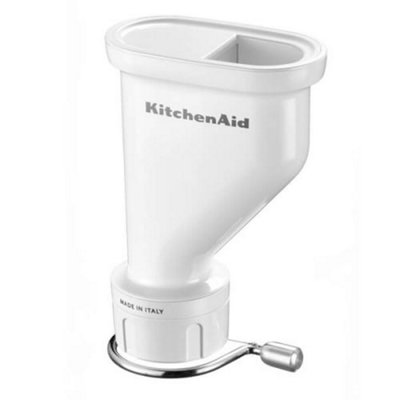
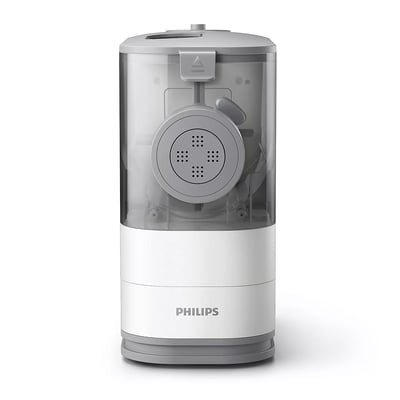
Adjusting Your Pasta Maker Technique for Better Results
Beyond getting your dough to the right temperature, how you actually use your pasta maker makes a huge difference in what comes out the other end. Your technique matters just as much as your ingredients, so let’s talk about what you’re actually doing wrong.
Here’s what you need to focus on:
- Hand pressure: Don’t squeeze too hard when feeding dough through. You’ll stress it out and cause tearing.
- Roller speed: Keep a steady, consistent pace. Rushing messes with how the sheets develop.
- Folding method: Fold strategically between passes to strengthen your dough gradually.
Start gentle. Let your machine do the work instead of fighting it. Adjust your roller speed gradually, and you’ll notice your sheets come out smoother and way less likely to rip apart on you.
Troubleshooting Common Mistakes and Prevention Tips
Even when you’ve nailed the technique stuff from before, you’re probably still running into some pretty annoying issues that’ll make you want to throw your pasta maker out the window. Let’s fix that.
| Problem | Solution |
|---|---|
| Dough tears during rolling | Lower cutting pressure and add water gradually |
| Sticky pasta sheets | Dust with proper flour choice, reduce humidity |
| Uneven thickness | Apply consistent, gentle pressure throughout |
| Dough won’t feed through | Knead longer, adjust flour choice for gluten development |
| Ragged edges on cut pasta | Make sure cutting pressure stays firm and steady |
Your flour choice matters way more than you’d think. Wrong type? You’re basically sabotaging yourself. Also, don’t muscle your cutting pressure like you’re angry at the dough. Light, steady pressure beats aggressive pushing every single time.
Frequently Asked Questions
What Type of Flour Works Best for Preventing Dough Breakage in Pasta Makers?
You’ll want to use durum semolina or high gluten flour for your pasta maker. These flours won’t break easily because they’re stronger. Bread flour and 00 flour work too, but they’re less ideal than durum semolina.
Can I Fix Broken Dough, or Should I Start Over Completely?
You can fix broken dough using repair techniques—knead it back together, add moisture if needed, and try again. However, if it’s severely damaged, starting fresh saves you time and guarantees better dough salvageability for your pasta maker.
How Does Altitude or Humidity in My Kitchen Affect Pasta Dough?
Your kitchen’s humidity and altitude effects markedly impact pasta dough consistency. High humidity adds moisture, making dough sticky, while low humidity dries it out. Altitude effects flour’s protein absorption. You’ll need humidity control adjustments—add flour gradually in dry climates or reduce liquid in humid conditions.
Should I Use Eggs or Water-Based Dough for Stronger Results?
You’ll get stronger results with eggs versus water. Eggs vs. Water matters because eggs provide superior protein balance, creating elasticity and structure that resists breaking in your pasta maker.
What Equipment Maintenance Prevents Dough From Sticking and Breaking During Processing?
You’ll prevent sticking and breaking by performing regular cleaning after each use and ensuring proper roller alignment. Misaligned rollers cause uneven pressure, while flour buildup creates friction that damages your dough.
Conclusion
You’ve got this! Your dough breaking isn’t some pasta-making curse, it’s just telling you something needs tweaking. Whether you’re dealing with a dry mess or sticky disaster, the fixes are pretty straightforward: hydrate properly, knead like you mean it, let it rest, and handle those sheets with care. A little patience and attention goes a long way. Soon you’ll be rolling out silky sheets like a pro.