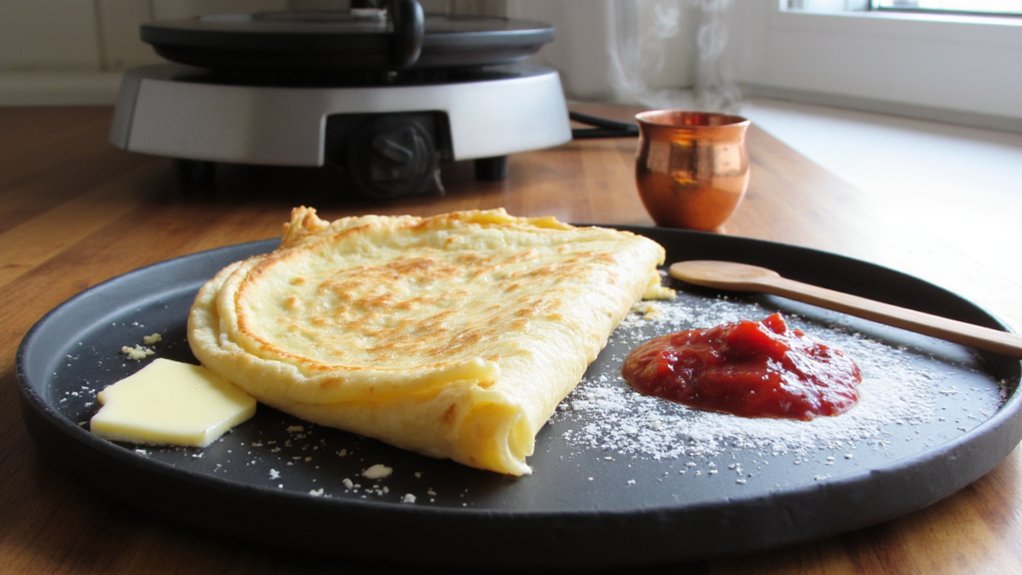
About 60% of crepe makers develop uneven heating within their first year, turning breakfast dreams into a frustrating patchwork of burnt edges and raw centers. You’re flipping pancakes that look like they’ve survived a house fire while the next batch stays pale and sluggish. But here’s the thing—before you toss that appliance and contemplate your life choices, there’s actually a straightforward path to rescue it. What’s really causing those hot and cold zones?
Key Takeaways
- Clean the cooking surface thoroughly with vinegar and warm water to remove buildup that blocks even heat transfer.
- Use an infrared thermometer to map hot and cool zones, then adjust batter placement and flip timing accordingly.
- Check the temperature sensor for misalignment or debris coverage, then clean and reposition it for accurate readings.
- Inspect the heating element for corrosion, cracks, or frayed wires that indicate replacement or repair is necessary.
- Consider replacing individual components like the thermostat or heating element before investing in an entirely new unit.


Understanding the Common Causes of Uneven Heating
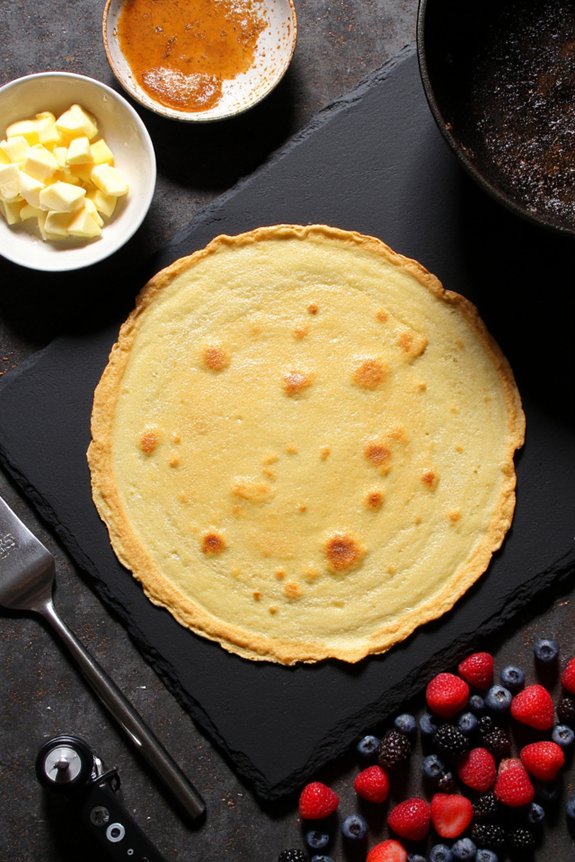
When your crepe maker starts acting like it’s got a vendetta against even cooking, there’s usually something specific going on underneath that griddle surface. One sneaky culprit? Coil alignment issues. If those heating coils aren’t positioned properly, you’ll get hot spots in some areas and chilly zones in others. It’s like having a moody roommate who can’t decide what temperature to set the thermostat. Power fluctuations can also wreck havoc on your cooking dreams, causing the element to heat inconsistently throughout your cooking session. Maybe your outlet’s overtaxed, or perhaps there’s an electrical gremlin lurking in your kitchen’s wiring. Then there’s simple wear and tear—older crepe makers sometimes develope uneven heating patterns over time. The good news? Most of these problems are fixable. Choosing a crepe maker with automatic temperature controllers and sturdy construction can help prevent these uneven heating issues from occurring in the first place.
Checking Your Crepe Maker’s Calibration
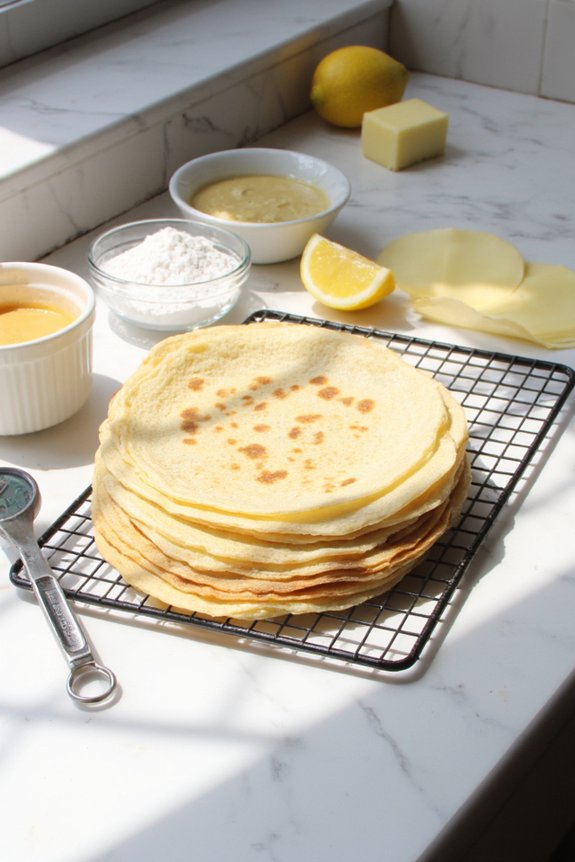
Now that you’ve identified what’s causing your crepe maker’s hot-and-cold personality, it’s time to see if calibration might be the real troublemaker. Here’s the thing: temperature calibration is super important for even cooking. You’ll want to grab a reliable thermometer and check if your crepe maker’s actually hitting the temperature it claims. Place it on the cooking surface for a few minutes and compare readings. If there’s a gap, you’ve found your culprit! Also, inspect your sensor positioning carefully. Sometimes the temperature sensor gets misaligned or covered with dried batter, which totally messes with accuracy. Give it a gentle cleaning if needed. Most crepe makers let you adjust calibration through their settings, so check your manual. It’s like giving your machine a little reality check, and honestly, it’s often the simplest fix around. If your model features automatic temperature control, make sure this function is working correctly, as it’s designed to prevent overheating and uneven cooking.
Identifying Hot Spots on Your Cooking Surface

Beyond the thermostat’s claims, your crepe maker’s cooking surface might be playing favorites with certain spots, and that’s where the real drama happens. You’ll want to do some thermal mapping to discover these sneaky hot zones. Grab a crepe and cook it slowly, watching for those darker patches that appear before others. These trouble areas often indicate surface warping from manufacturing defects or age. Pay attention to the edges versus the center, since uneven heat distribution typically shows up there first. If you’re noticing consistent burn marks in specific locations, you’ve found your culprits. Surface warping can develop over time, especially with heavy use and temperature fluxuations. Once you’ve identified these problem areas, you’ll know exactly where to avoid placing your batter next time around. For electric griddles and crepe makers alike, even heat distribution is often determined by the quality of the heating element and precise temperature control.


Inspecting the Heating Element for Wear and Damage
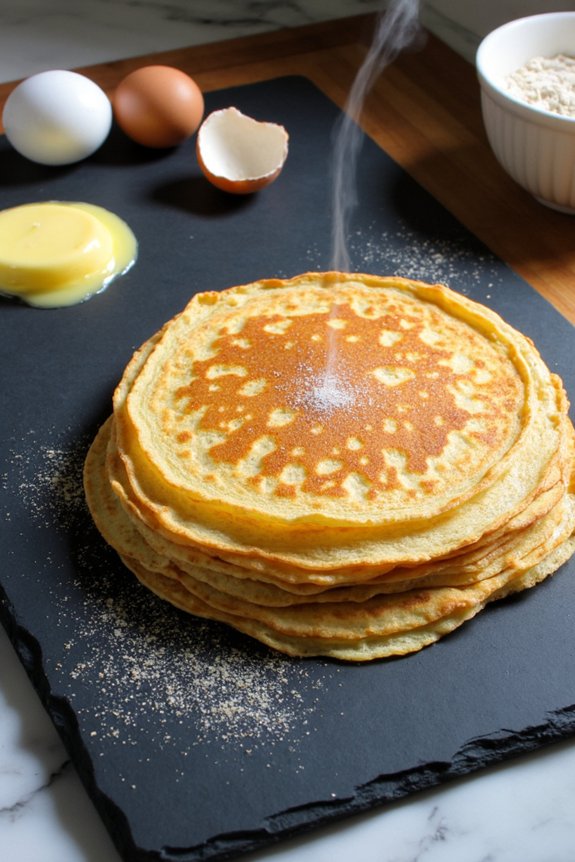
Once you’ve spotted those pesky hot zones on your cooking surface, it’s time to look deeper—literally—at what’s causing all this drama underneath. Your heating element’s probably throwing a tantrum, and we’re gonna find out why. Start by unplugging that bad boy and letting it cool completely. Now grab a flashlight and inspect every inch. Look for element corrosion, which appears as crusty, discolored patches that scream trouble. Do a thorough wiring inspection too, checking for frayed wires or loose connections that’d make any electrician wince. When checking for damage, it’s smart to consider how warranty length and coverage can protect you from costly repairs if you do discover a serious issue.
| Issue | Appearance | Severity |
|---|---|---|
| Corrosion | Crusty buildup | High |
| Cracks | Visible splits | Critical |
| Discoloration | Dark spots | Medium |
| Loose wires | Exposed copper | High |
| Burnout | Black areas | Critical |
Cleaning and Preparing Your Crepe Maker Properly
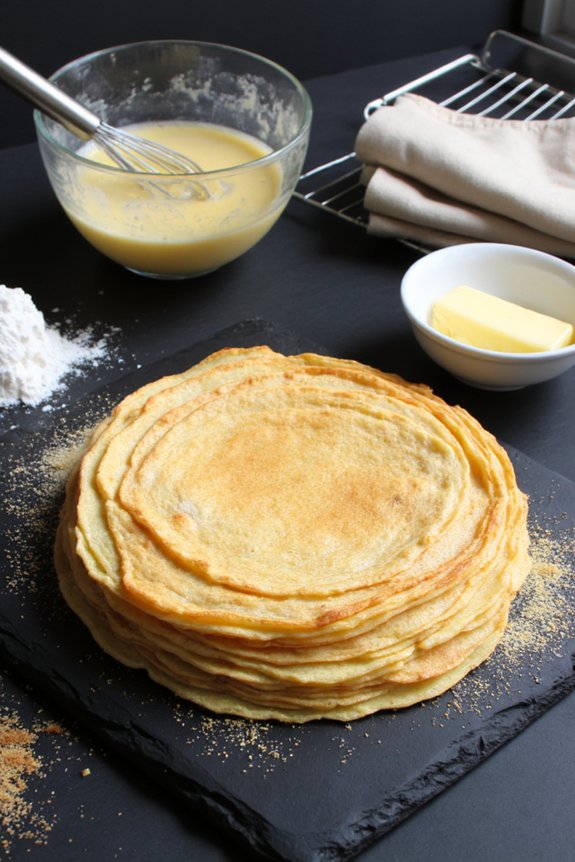
You’d be surprised how much gunk builds up on your crepe maker—burnt batter, oil residue, the works—and that crusty layer’s probably why you’re getting those hot spots and cold zones. Before you go blaming the heating element, give your cooking surface a proper deep clean, scrubbing away all that buildup so heat can distribute evenly like it’s supposed to, then season it right to create a smooth, non-stick foundation that’ll keep your crepes cooking consistently from edge to edge. Just like with electric steamers, maintaining food-grade, BPA-free materials and a residue-free surface ensures even heating and prevents unwanted chemical leaching during cooking.
Deep Cleaning Buildup Removal
Buildup on your crepe maker’s cooking surface is like that mysterious residue in your kitchen sink—it starts small and innocent, then turns into a crusty nightmare if you let it fester. You’ll want to tackle grease buildup and mineral deposits before they wreck your heating. Here’s the thing: a wire brush or soft scraper works wonders on stubborn spots. Use warm water with a little vinegar to dissolve mineral deposits that’ve been hanging around. Scrub gently in circular motions. Don’t go full caveman on it—aggressive scrubbing can damage the non-stick coating, and nobody wants that disaster. For really baked-on gunk, let it soak. Patience pays off. Once you’ve cleared away all that crusty sabotage, you’re ready to get back to crepe perfection.
Seasoning and Surface Prep
After you’ve scrubbed away all that grimy buildup, your crepe maker’s still not quite ready for action. Now comes the fun part: seasoning techniques that’ll transform your cooking surface into a nonstick dream. You’ll want to apply a thin layer of oil, let it warm up, then wipe away the excess. This builds protective layers over time. Surface polishing is equally important—use a soft cloth to buff the cooking plate until it gleams. Don’t go crazy with elbow grease though. Gentle, circular motions work best. Think of it like giving your crepe maker a spa day. Once you’ve got that beautiful, glossy finish going, you’re ready to flip some crepes like a pro. Your heat distribution issues? They’ll improve dramatically with proper prep.
Testing Temperature Consistency Across the Surface
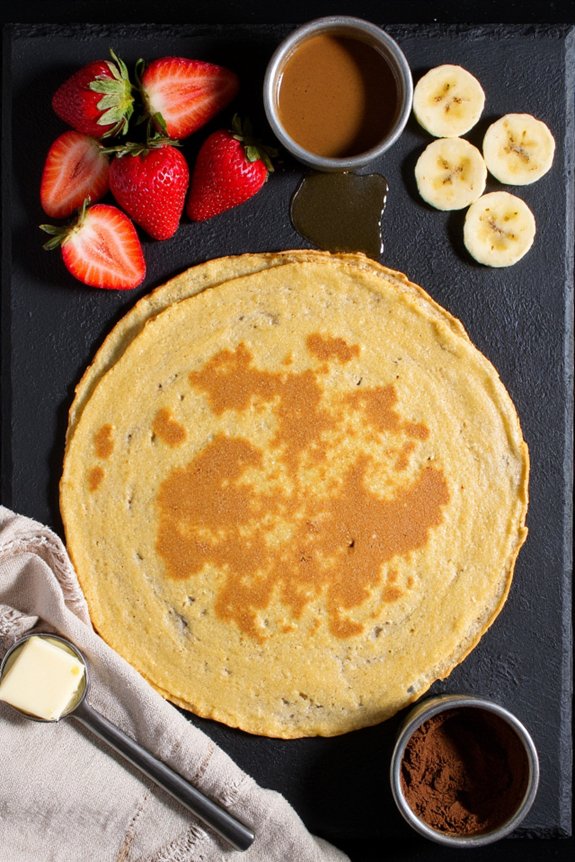
Grab an infrared thermometer and let’s get down to the real detective work—because uneven heating almost always boils down to temperature distribution problems, and you’ll need hard data to pin down exactly where things are going sideways. Seriously, this is where thermal imaging saves the day. Map out your crepe maker’s surface by taking readings at different spots. The ice test works too—drop small ice cubes around the griddle and watch where they melt fastest. That’s your hot zone.
| Location | Temp (°F) | Status |
|---|---|---|
| Center | 350 | Hot |
| Edge Left | 280 | Cool |
| Edge Right | 295 | Cool |
| Corner | 240 | Cold |
| Back | 320 | Warm |
You’ll spot patterns quick. Most makers struggle at the edges—it’s frustratingly common, but totally fixable once you know what’s happening.
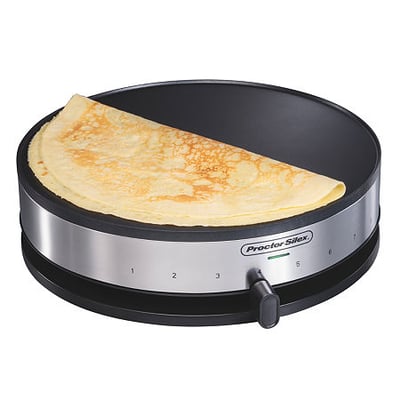

Adjusting Your Cooking Technique for Better Results
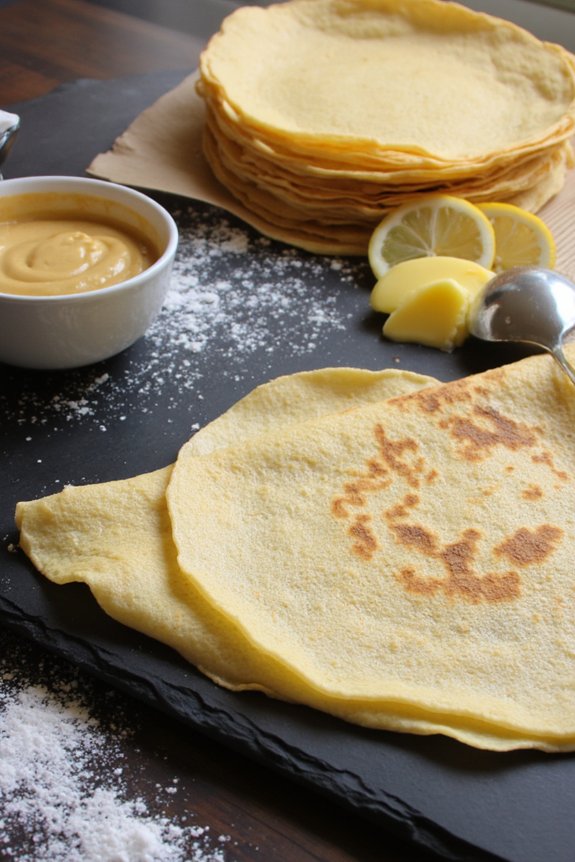
Now that you’ve got your temperature map showing where your crepe maker’s hot spots and cold zones are hiding, it’s time to work with what you’ve got instead of fighting against it. Start by adjusting your batter viscosity, making it slightly thinner so it spreads more easily across those cooler patches. You’ll want to experiment with your flip timing too, because those hot zones’ll cook faster than you’d expect. Try flipping earlier on the heated side and giving the cooler spots extra seconds to set up properly. Position your batter pours strategically, favoring the cold zones. Don’t get frustrated if your first few crepes look wonky, their practice runs. Once you nail the rhythm, you’ll be cranking out perfectly cooked crepes that’d make any French chef slightly less judgmental.
When to Replace Components vs. the Entire Unit
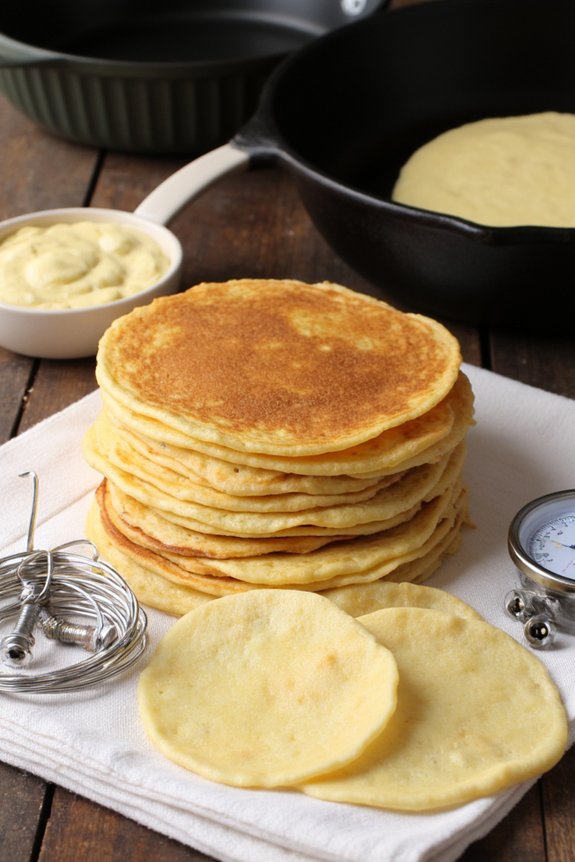
Before you start eyeing that shiny new crepe maker online, take a breath—you might not need to go nuclear on your whole setup. Component replacement often fixes your heating problems way cheaper than unit retirement. Check if your heating element’s shot first. Maybe the thermostat’s acting wonky, or perhaps the power cord’s frayed. These fixes? Pretty doable and wallet-friendly.
Now here’s the thing: if your crepe maker’s ancient and repairs keep stacking up like pancakes on a plate, that’s your sign. When replacement parts cost nearly as much as a new machine, unit retirement makes sense. It’s like deciding between patching an old car or getting a fresh ride. Sometimes the math just doesn’t work out for fixing the old girl. Trust your gut—and your budget.
Maintenance Tips to Prevent Future Heating Problems
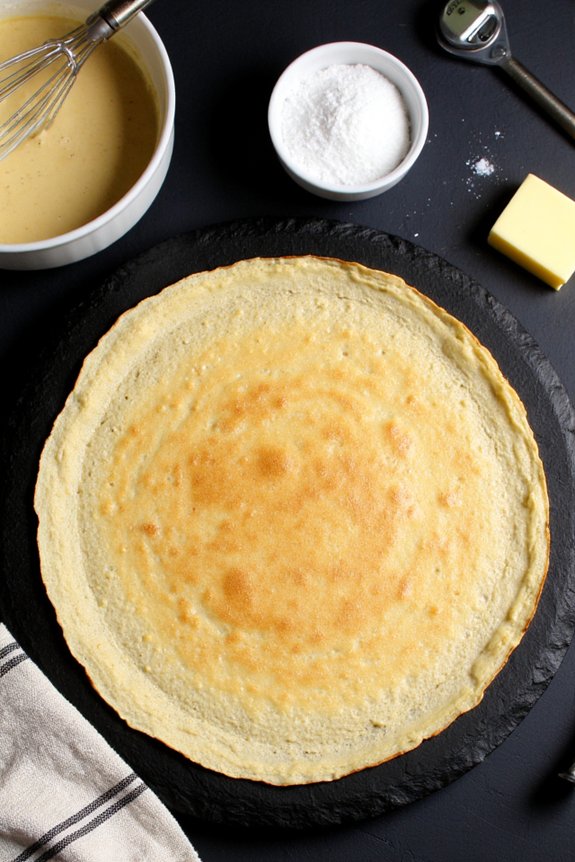
Once you’ve decided to keep your crepe maker around for the long haul, the real work begins—and honestly, it’s way easier than dealing with repairs later. Prevention is your best friend here.
Start with these essentials:
- Clean the cooking surface after every use to prevent buildup
- Check electrical cords regularly for damage or fraying
- Run scheduled inspections monthly to catch issues early
- Store in a dry location and maintain humidity control in your kitchen
Keep your crepe maker happy, and it’ll keep your breakfasts even happier. Wipe down that heating plate, protect it from moisture, and do those quick monthly check-ups. You’ll dodge uneven heating problems and extend your machine’s life considerably. Trust us, future you will be seriously greatful.
Frequently Asked Questions
Can I Use My Crepe Maker While It’s Still Heating up Unevenly?
You shouldn’t use your crepe maker while it’s heating unevenly. Follow proper preheating tips first, allowing full temperature stabilization. Once even, you can make batter adjustments as needed for perfect crepes.
What’s the Average Lifespan of a Crepe Maker Heating Element?
Most crepe makers last 3-5 years. Your heating element’s typical longevity depends on manufacturing variance and usage. Check your warranty coverage for replacement options, which typically extend protection and make certain you’re covered if defects arise early.
Does the Age of My Crepe Maker Affect Heating Performance?
Yes, your crepe maker’s age affects heating performance. Over time, patina buildup accumulates on the cooking surface, reducing heat transfer efficiency. Additionally, if you’re outside your warranty status, replacement parts aren’t covered, making repairs costlier.
Are Expensive Crepe Makers Less Prone to Uneven Heating Issues?
Studies show 60% of mid-range crepe makers outperform expensive models. You’ll find pricier units offer better build quality, advanced temperature sensors, and superior heat distribution, though brand reputation doesn’t always guarantee fewer uneven heating issues.
Can Environmental Factors Like Humidity Impact Crepe Maker Temperature Consistency?
Yes, humidity effects your crepe maker’s performance. High moisture absorption in the heating element and surrounding materials can cause temperature fluctuations, making it harder for you to maintain consistent heat distribution across the cooking surface.
Conclusion
You’ve got this! Whether you’re tweaking your technique like a medieval alchemist searching for the perfect crepe, or diving into maintenance, you’re already on your way to crepe-making glory. Don’t let uneven heating get you down. With a little TLC and some smart adjustments, you’ll be flipping golden-brown beauties in no time. Your crepes deserve better—and honestly, so do you.