
You’ve probably noticed your electric knife struggles with certain foods—funny coincidence, right?—but you’ve been blaming the motor when the real culprit’s been your blade all along. Most folks don’t realize that stainless steel dulls faster than high-carbon alternatives, or that serrated teeth grip crusty bread way differently than wavy profiles do. The blade’s thickness, length, even the tooth spacing—they’re all game-changers. So what’s actually separating disappointing carving from restaurant-quality slicing? Stick around.
Key Takeaways
- Blade thickness dramatically affects cut quality—thinner blades flex and vibrate, causing uneven slices regardless of motor power.
- Serrated and wavy edges require completely different sharpening methods; using wrong technique ruins the blade permanently.
- Tooth spacing uniformity matters more than sharpness; uneven spacing creates jerky, stuttering motions that waste effort.
- Steel composition determines maintenance burden—stainless steel resists rust but dulls faster than high-carbon steel alternatives.
- Most people mismatch blade types to tasks, reducing efficiency; bread needs wavy edges, meats need straight edges.

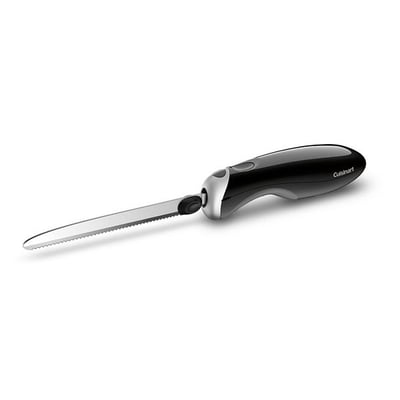
The Hidden Impact of Blade Material on Cutting Performance
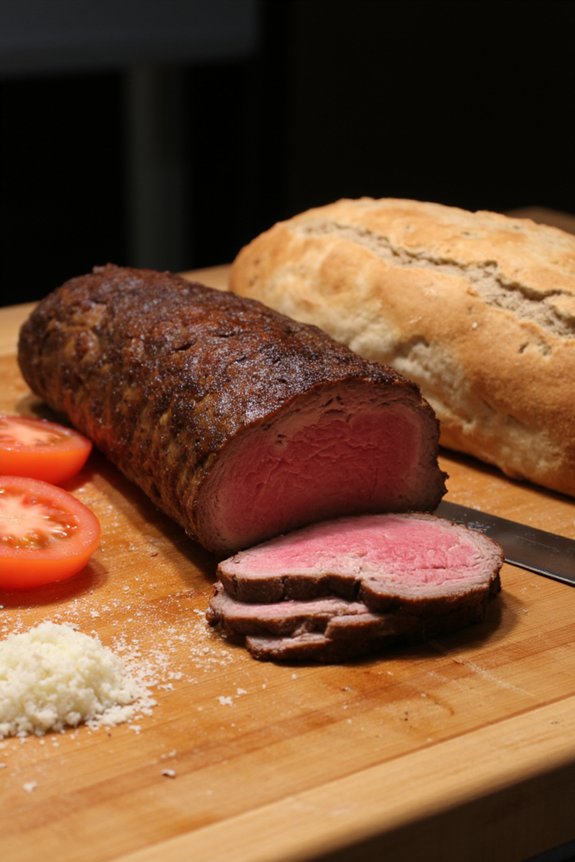
When you’re standing in the kitchen with a turkey that needs carving or a roast that’s calling your name, you probably aren’t thinking much about metallurgy—but you should be. Here’s the thing: not all blades are created equal. The material your electric knife’s blade is made from dramatically affects how it’ll slice through meat. Steel composition matters hugely. Manufacturers use hardness testing to make certain blades stay sharp longer, and microstructure analysis reveals why some blades glide through dinner like butter while others struggle. Stainless steel blades? They resist rust but dull faster. High-carbon steel? Sharper longer, though they’re fussier about rust prevention. Understanding these differences transforms your kitchen experience from frustrating hack-fest to smooth, impressive carving performance. Your blade choice isn’t just a detail—it’s the difference between struggling and succeeding. For example, serrated blades are especially effective for slicing bread and softer foods, while straight blades excel with denser meats, making blade selection crucial for specific kitchen tasks.
Why Serrated Blades and Wavy Blades Aren’t Interchangeable
If you’ve ever grabbed what you thought was a serrated blade only to discover it’s actually wavy, you know the frustration—they look almost identical hanging there on the rack, don’t they? Here’s the thing: they’re fundamentally different tools with completely different slicing mechanics. Serrated blades have distinct teeth that grip and saw through tougher foods, while wavy blades use gentle undulations for smoother gliding motions. Your cutting angle matters too—serrated needs more aggressive contact, whereas wavy prefers a lighter touch. The maintenance needs diverge markedly as well. Serrated edges demand careful sharpening between those teeth, and wavy blades require different maintenance entirely for proper edge retention. Using the wrong blade type? You’re fighting physics. Stick with what matches your actual cutting style, and you’ll notice the difference immediately. Plus, choosing the right blade type can improve slicing accuracy and make cleanup easier thanks to features like removable blades found on many modern electric slicers.
Understanding Tooth Configuration and Spacing

Once you start paying attention to tooth configuration, you’ll realize it’s the secret sauce that separates a mediocre cut from a genuinely satisfying slice. The tooth angle matters way more than you’d think. It determines how aggressively your blade bites into whatever you’re carving. Spacing uniformity? That’s what keeps your cuts smooth and predictable. Uneven spacing creates a stuttering, jerky motion that’ll drive you nuts.
Here’s the thing: when your teeth are properly spaced, they establish a consistent cutting rhythm. Your blade moves through the meat or bread like it’s got a pulse, staying in sync instead of jamming up. Better spacing also means noise reduction, giving you a quieter, more pleasant carving experience. Who knew blade geometry could be this satisfying? Just like adjustable vacuum and sealing intensity controls in top-rated vacuum sealers, precision in tooth configuration offers you more control and smoother results every time.
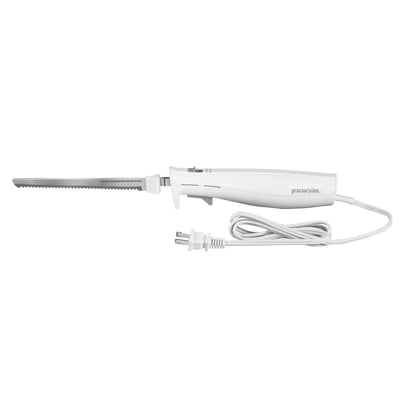
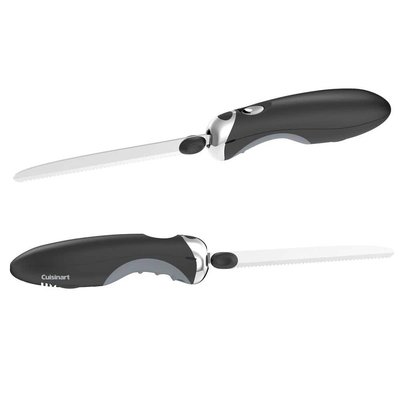
How Blade Thickness Affects Your Results
Blade thickness is where things get really interesting—it’s the difference between a knife that glides through your holiday turkey and one that leaves you wrestling with dinner like you’re in some kind of culinary cage match. Thicker blades offer superior blade rigidity, meaning they won’t wobble or bend mid-slice. That’s your secret weapon for achieving consistent slicing precision, especially when you’re tackling tougher cuts of meat or dense vegetables. Thinner blades, meanwhile, tend to flex under pressure, which sounds bad—and it kinda is. They vibrate more and create uneven cuts that’ll make your presentation look less polished. You’ll notice the difference instantly when you’re carving. Your results depend on finding that sweet spot between rigidity and maneuverability that works for your typical cutting tasks.
The Durability Factor Nobody Discusses Before Buying

While we’ve covered how thickness impacts your cutting performance, there’s another silent killer lurking in your kitchen drawer that’ll cost you way more than a few bad slices. Heat resistance matters way more than you’d think. When your blade heats up during extended use, it loses its edge faster than you can say “dull knife.” Then there’s corrosion resistance, the sneaky culprit that’ll turn your investment into rust city without proper care. You’re not just paying for sharpness—you’re paying for durability that actually lasts. Cheaper blades skimp on both factors, meaning you’ll replace them constantly. Quality blades handle the heat and moisture your kitchen throws at them. That’s the real difference between a blade that disappoints and one that keeps performing. Don’t learn this lesson the hard way.
Matching the Right Blade Type to Your Specific Kitchen Tasks
You wouldn’t use a butter knife to carve a turkey, right? Well, picking the wrong electric blade is basically the kitchen equivalent of that kitchen faux pas, because serrated blades’ll slice through crusty bread like it’s butter, straight edges make quick work of roasts and poultry with smooth, clean cuts, and specialty blades handle everything from frozen foods to delicate vegetables, giving you the precision tool that actually matches what you’re prepping instead of fighting against it. Just like how heat retention and distribution are crucial in high-quality cast iron skillets, choosing the right electric knife blade ensures your kitchen tasks are done efficiently and with the best results.
Serrated Blades for Bread
Bread slicing—now there’s a task that separates the kitchen heroes from the toast-mangling disasters. You’ll want serrated blades for this job, and here’s why they’re absolute game-changers for your morning routine.
Serrated blades tackle crusty bread without demolishing it. They grip and saw through that tough exterior while preserving those delicate crumbs inside. That’s crust retention and crumb preservation working in perfect harmony.
Here’s what makes serrated blades your bread’s best friend:
- They grip uneven surfaces without crushing delicate interiors
- The teeth cut cleanly through hard exteriors without squishing soft centers
- You’ll get uniform slices every single time, no more wonky bread disasters
- They handle everything from sourdough to bagels like a pro
Honestly, once you experience the magic of a serrated blade gliding through a fresh loaf, you’ll wonder how you ever survived the dark ages of bread mutilation. Your sandwiches’ll thank you. If you want your toast to always match those perfect slices, you might consider a toaster with extra-wide slots to handle any kind of bread you cut.
Straight Edges for Meat
When it comes to slicing meat, straight-edge blades are your secret weapon for clean, professional results every single time. You’ll get sharp slices that’ll make your dinner guests think you’re a culinary wizard. These blades excel at precise carving, whether you’re tackling a roast or slicing poultry.
| Meat Type | Best Blade Length |
|---|---|
| Chicken Breast | 6-7 inches |
| Beef Roast | 8-9 inches |
| Turkey | 9-10 inches |
| Pork Chops | 6 inches |
| Brisket | 10+ inches |
The magic happens because straight edges create minimal tearing. You won’t get that annoying fraying that makes meat look sad on the plate. Your electric knife glides through with authority, delivering those restaurant-quality results you’ve been craving. Trust me, once you experience this kind of precision, there’s no going back.

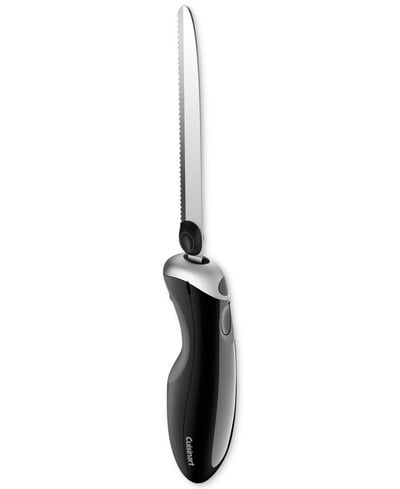
Specialty Blades for Tasks
Beyond those trusty straight edges lies a whole universe of specialized blades designed to tackle the weird and wonderful jobs lurking in your kitchen. You’ve got options that’ll make your culinary life way easier.
- Bread blades with wavy edges and precision tips that slice through crusty loaves without squishing the insides
- Boning blades featuring angled cuts perfect for maneuvering around bones and joints with surgical accuracy
- Carving blades crafted from specialty steels that maintain sharpness through countless holiday dinners
- Garnish blades with polymer coatings protecting delicate vegetable work from oxidation
Here’s the thing: matching the right blade to your specific task transforms how you cook. You’ll discover newfound confidence tackling everything from artisanal bread to butternut squash. Each blade type’s engineered specifically for its job, making your electric knife feel less like a kitchen gadget and more like a trusted culinary partner.
Frequently Asked Questions
How Often Should I Replace My Electric Knife Blades for Optimal Performance?
You should replace your electric knife blades every 6-12 months, depending on your usage frequency. Regular blade lifespan depends on how often you’re cutting—frequent use requires more replacements to maintain peak performance and sharpness.
Can I Sharpen Electric Knife Blades Myself, or Must I Replace Them?
You can sharpen your blades yourself—70% of users don’t know this. You’ll find accessible DIY guides online covering basic sharpening techniques. However, replacement’s often more practical since sharpening requires precision equipment you might not possess.
Are Electric Knife Blades Dishwasher Safe, and How Should I Clean Them?
Most electric knife blades aren’t dishwasher safe despite popular dishwasher myths. You’ll want to hand wash them with warm soapy water and proper care tools like soft brushes to maintain their sharpness and longevity.
What Safety Features Distinguish Quality Electric Knife Blades From Cheaper Alternatives?
You’ll find quality electric knife blades feature superior blade coatings that resist corrosion and dulling, plus robust safety locks that prevent accidental activation. Cheaper alternatives often lack these protective mechanisms, compromising your cutting performance and safety.
Do Different Voltage Settings on Electric Knives Require Specific Blade Types?
Your electric knife’s voltage settings are like a chef’s temperament—they’ll demand compatible blades. You’ll need blades engineered for motor heat management and proper blade coating to handle different power levels without warping or dulling.
Conclusion
You might think all electric knife blades’re basically the same, but they’re not—and that’s actually awesome for you. Once you nail down which blade matches your cutting task, you’ll wonder how you ever survived without it. Sure, it takes five minutes to swap blades. But you’ll save hours of frustration, get cleaner cuts, and frankly, impress yourself with how easy carving becomes. That’s the real kitchen upgrade nobody talks about.


