So you’re cranking out pasta that chews like rubber? Yeah, that’s frustrating. Before you curse your machine, know this: tough noodles aren’t usually a mystery. They’re a message. Your dough’s probably too dry, or maybe you’re rushing through the kneading phase. Could be your roller settings are wreaking havoc, too. The good news? Most of these issues are fixable. Let’s dig into what’s actually going wrong with your setup.
Key Takeaways
- Excess flour during rolling compacts dough, strains machine rollers, and creates tough, rubbery noodles.
- Insufficient kneading (under 5–10 minutes) prevents proper gluten development, resulting in brittle, snappy pasta.
- Skipping rest periods between rolling passes leaves dough overworked and tense, producing tougher final pasta.
- Miscalibrated roller settings or pushing dough too thin at once causes inconsistent thickness and toughness.
- Dirty rollers and cutters with flour buildup create friction and friction-induced toughness in noodles.
The Wrong Flour Makes All the Difference
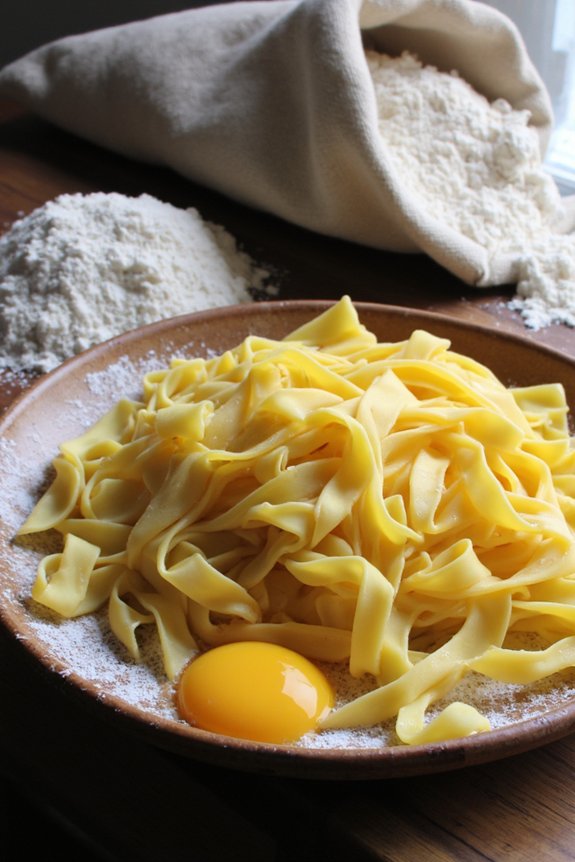
Here’s the thing about flour—it’s not all created equal, and your pasta maker knows it. You’re probably grabbing whatever’s on sale, right? Wrong move. All-purpose flour is fine, but it’s not exactly thrilling your machine. If you’re using cake flour, well, that’s basically pasta sabotage. It’s too soft, too delicate for the job. What you really want is durum wheat semolina or high-protein bread flour. These bad boys have the gluten structure that creates that silky texture you’re after. Whole wheat flour? Sure, it sounds healthy and wholesome, but it’ll make your noodles dense and bitter. Your pasta maker isn’t being difficult—it’s just telling you something. Listen to it. Grab the right flour, and suddenly everything changes. For the best results, consider gluten structure and the type of flour recommended for your specific machine, as these factors directly impact noodle texture and consistency.
Your Dough’s Moisture Content Is Off Balance
You’re probably adding too much flour without realizing it, which is like trying to hydrate with saltwater—it’ll leave you parched and frustrated. Here’s the thing: your dough’s water absorption is way more finicky than you’d think, and even a tablespoon or two can transform silky sheets into tough, chewy disappointments that’d make any Italian nonnas shake their head. Lucky for you, there’s a simple hydration testing method that’ll help you nail the perfect moisture balance, turning those rubbery noodles into tender, restaurant-quality pasta that actually feels like a win. If you want consistently delicate results, consider how even heat distribution in cookware, like a well-seasoned cast iron skillet, makes a difference—just as balance is crucial for great pasta dough, it’s key in your choice of pans, too.
Too Much Flour Added
One of the sneakiest culprits behind chewy, tough noodles is something that seems totally innocent: adding too much flour to your dough. You think you’re being careful, right? But here’s the thing—excess dusting during rolling or kneading can sneak extra flour into your mixture without you even realizing it. That flour compaction builds up, transforming your once-silky dough into a dense, dry brick.
Your pasta maker can’t work miracles with overly stiff dough. It struggles. The rollers strain, the cutters cut with difficulty, and you’re left with noodles that’ve got the texture of rubber bands. The solution? Measure your flour carefully using a scale, not just eyeballing it. Trust us, your taste buds will thank you.
For best results, aim for a soft, pliable dough consistency—similar to what you’d want when using precision kitchen tools like high-quality mandoline slicers, which rely on balanced moisture and texture for even, uniform cuts.
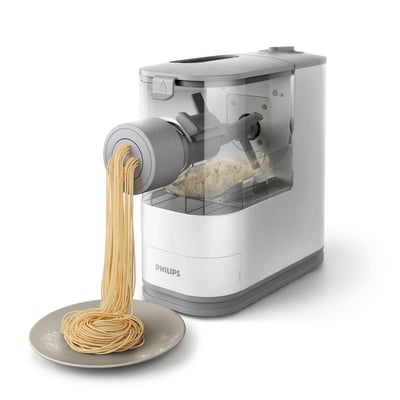
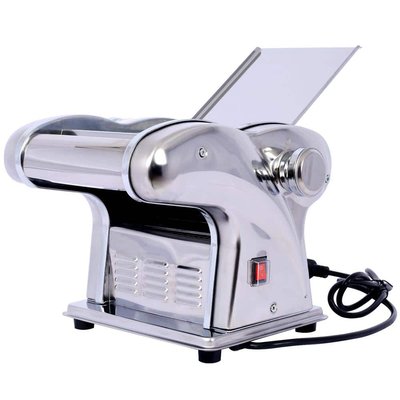
Water Absorption Issues Explained
While too much flour gets all the blame, there’s another sneaky saboteur lurking in your pasta dough: water. Your moisture content is basically make-or-break stuff. Here’s the thing about water absorption kinetics—it’s way more complex than just dumping liquid into flour and hoping for the best. When your dough doesn’t absorb water properly, you’re left with either a sticky mess or, worse, tough noodles that’d make a rubber band jealous. The absorption rate depends on your flour type, humidity levels, and how vigorously you’re mixing. Too little water? Dry, crumbly disaster. Too much? Your pasta becomes gluey and dense when cooked. Finding that perfect water retention sweet spot takes practice, but once you nail it, you’ll notice the diference immediately in your final product’s texture and tenderness. Using a stand mixer with variable speed settings can help you achieve more consistent mixing and better hydration, which ultimately leads to more tender, perfectly textured noodles.
Hydration Testing Methods
Testing your dough’s hydration level beats guessing any day of the week. You’ll want to grab a kitchen scale and start doing weight sampling with your flour and water ratios. Here’s the thing: accurate measurements prevent that rock-hard pasta situation that nobody wants.
| Method | Best For | Difficulty |
|---|---|---|
| Probe hydration | Quick checks | Easy |
| Weight sampling | Precision work | Medium |
| Pinch test | Beginners | Simple |
| Moisture meter | Tech lovers | Hard |
| Feel method | Experienced bakers | Medium |
Your dough shouldn’t feel sticky or bone-dry. It’s like Goldilocks—you’re hunting for that just-right zone. Start at 30 percent hydration, then adjust gradually. When your noodles stay tender instead of turning into little hockey pucks, you’ve nailed it. Trust the numbers, and your pasta maker will thank you.
For best results, use a scale with 1-gram precision to ensure your flour and water ratios are spot-on and your dough stays perfectly balanced every time.
You’re Not Kneading Long Enough
You’re probably rushing through the kneading process, but here’s the thing: you’ve gotta give that dough time to develop gluten, the protein network that actually gives your pasta its structure and chew. Skipping out on those essential minutes means you’re basically creating a weak foundation that’ll turn into mush or, yep, tough noodles instead of silky strands. Aim for at least 10 minutes of solid kneading—your arms’ll get a workout, but your taste buds will thank you for the payoff.
Gluten Development Matters
Believe it or not, most home pasta makers are committing the same cardinal sin: they’re stopping the kneading process way too early. Here’s the thing about gluten—it needs time to develop properly. Your dough won’t reach its full potential if you rush it.
Think of gluten development like building muscle. You’ve gotta put in the work. When you knead adequately, you’re strengthening the protein content and boosting dough elasticity. This creates that perfect chewy texture everyone craves.
Here’s what happens when you skip out on kneading:
- Weak gluten networks form, leading to brittle, snappy noodles
- Insufficient protein alignment causes uneven texture throughout your pasta
- Poor dough elasticity results in noodles that tear easily during cooking
Don’t sabotage your homemade masterpiece. Knead longer than you think necessary, and you’ll transform those tough noodles into something genuinely delicious.
Optimal Kneading Duration
When it comes to kneading time, most home cooks are basically sprinting through a marathon that requires a steady jog. You’re probably running your pasta maker through short cycles, thinking you’re saving time. Wrong move. Your dough needs sustained, consistent kneading to properly develop that gluten network. Here’s the thing: you gotta listen to what the dough’s telling you. That tactile feedback—the smooth, elastic feel—won’t happen in thirty seconds. We’re talking several minutes of actual kneading. Most machines need at least five to eight minutes of continuous work. Your noodles turn out tough because the gluten strands haven’t fully aligned yet. It’s like trying to bake bread for ten seconds and expecting a crusty loaf. Give your dough time to transform.

Thickness Settings Need Fine-Tuning
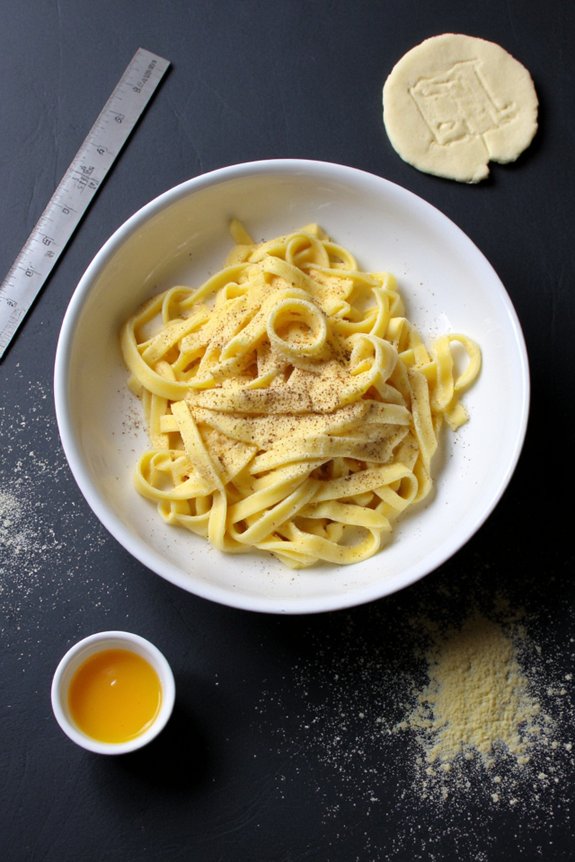
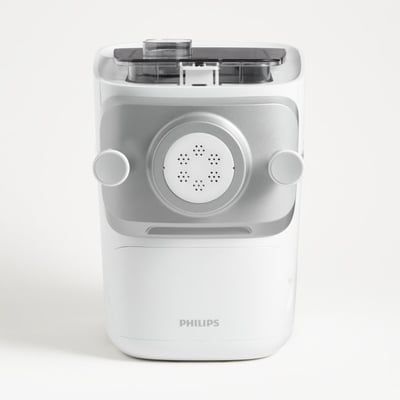
Most pasta makers come with thickness settings that range from paper-thin to “why would anyone eat this,” and here’s the thing—they’re rarely calibrated the way you’d expect. Your roller calibration might be slightly off from the factory, creating inconsistent results every single time.
Here’s what you need to know about gap adjustments:
- Check your machine’s baseline by running dough through at setting one multiple times and measuring the thickness
- Make micro-adjustments between settings, testing each one because manufacturers’ tolerances aren’t always precisce
- Keep notes on which settings produce your ideal thickness for future reference
The secret? Don’t trust the numbers alone. Your hands know better. Feel the dough as it passes through. That tactile feedback combined with proper roller calibration transforms everything, making tender, delicious noodles instead of rubber bands masquerading as pasta.
Resting Time Is Being Skipped
Skipping the resting phase is like rushing through a massage—you’re missing out on the whole point, and you’ll feel worse for it. Your dough needs time to chill out, literally. When you skip this vital step, you’re denying your pasta the dough relaxation it desperately craves. This rest period allows protein breakdown to happen naturally, making your noodles tender instead of tough.
Think of it this way: fresh pasta dough is tense and overworked. It needs at least 30 minutes to decompress between rolling passes. Your impatience? That’s the enemy. Let that dough sit in the fridge, wrapped up and undisturbed. The gluten network relaxes, the flavors deepen, and you’ll notice an immediate difference in texture. Trust the process, and your pasta’ll thank you.
Your Machine Needs Proper Maintenance and Calibration
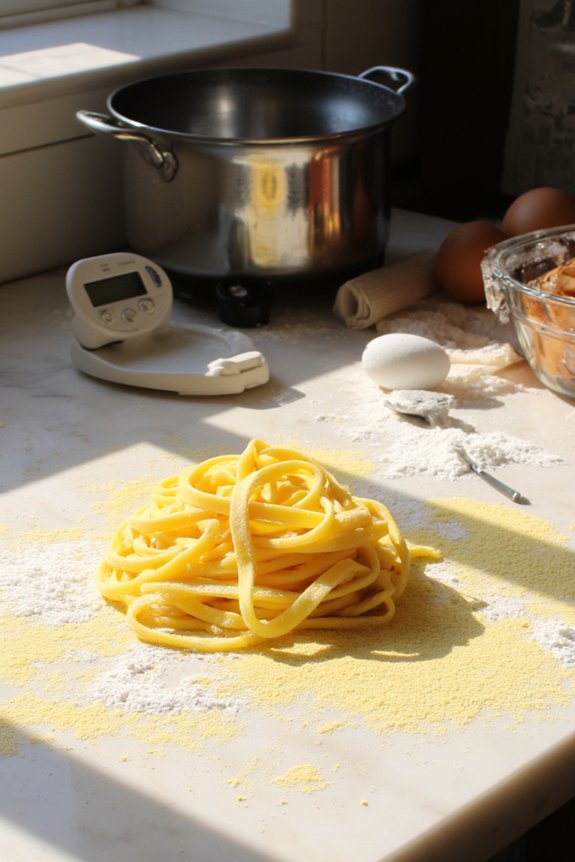
Like a guitar that’s out of tune, your pasta machine can’t do its job right if it hasn’t been properly maintained and calibrated. Over time, dust, flour, and moisture build up inside, creating friction that toughens your noodles. You’ve gotta show your machine some love.
Here’s what needs attention:
- Clean the rollers and cutters regularly to prevent dough buildup that affects texture
- Check blade alignment to make certain even cutting and consistent thickness throughout
- Perform roller calibration adjustments according to your machine’s manual for ideal spacing
Don’t ignore these tasks. A well-maintained machine produces silky, tender pasta every time. Think of maintenance as investing in your noodle future. Your taste buds will thank you later.
Frequently Asked Questions
How Often Should I Replace My Pasta Maker’s Cutting Blades?
You’ll typically replace your pasta maker’s cutting blades every 1-2 years, depending on your blade lifespan and usage frequency. Monitor replacement indicators like ragged edges. Regular edge sharpening extends your maintenance schedule substantially.
What’s the Ideal Room Temperature for Making Fresh Pasta?
You’ll want your kitchen between 68-72°F—like Goldilocks finding her perfect bowl. Your dough’s moisture content dances with room temperature and humidity levels, so you’re balancing nature’s variables for ideal pasta texture.
Can I Use a Pasta Maker With Gluten-Free Flour?
Yes, you can use your pasta maker with gluten-free flour. You’ll need to adjust hydration levels since gluten alternatives absorb moisture differently. Follow texture tips like adding xanthan gum for binding and kneading thoroughly for best results.
How Do I Store Homemade Pasta After It’s Been Made?
You’ll want to let your pasta take a brief rest period before storage. For short-term keeping, refrigeration methods work best in airtight containers. Longer preservation relies on drying techniques—hang noodles until they’re completely moisture-free.
What Type of Pasta Maker Is Best for Beginners?
You’ll find hand cranked pasta makers best for beginners since they’re affordable and give you control over dough thickness. Electric models work too if you’re willing to invest more for convenience and speed.
Conclusion
You’ve got this! Your pasta maker doesn’t have to be the villain in your noodle story. Check your flour choice, dial in that moisture, give your dough proper kneading time, and don’t skip the rest—your future self’ll thank you. Fine-tune those roller settings, show your machine some love with maintenance, and boom: you’re cranking out tender, delicious pasta that’ll make you wonder why you ever bought the boxed stuff.