you can stop this disaster before it happens. The secret? It’s simpler than you’d think, and it involves a few smart moves that’ll change your frying game forever.
Key Takeaways
- Thaw turkey completely and pat dry thoroughly to prevent steam eruptions and violent oil displacement when moisture contacts hot oil.
- Fill oil to the recommended line without the turkey to ensure adequate displacement margin and prevent overflow.
- Position basket 3 inches below the oil surface with clearance around walls to maintain proper circulation and prevent pressure buildup.
- Maintain oil temperature at 350°F using a monitoring thermometer, as higher temperatures reduce viscosity and increase overflow risk.
- Install a splash guard before heating oil to contain splatter, and ensure the fryer sits on level ground with three-foot clearance.

The Role of Frozen Moisture in Oil Displacement

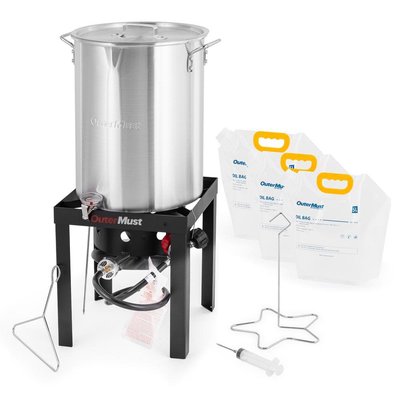
When you toss a frozen turkey into hot oil, you’re basically setting off a moisture explosion waiting to happen. That bird’s got frozen cores throughout its body, and when heat hits those icy sections, something wild occurs. The moisture expansion inside that turkey happens rapidly, and here’s where things get dicey. As the ice melts and transforms into steam, it needs to escape somewhere. That steam’s gotta go, and it’s gotta go fast. The pressure builds up inside the bird, forcing moisture out into your oil in a dramatic, sizzling rush. Suddenly, your calm fryer becomes a churning cauldron of danger. That’s why thawing your turkey completely before frying isn’t just a suggestion—it’s your ticket to keeping your oil where it belongs, inside the pot and not all over your kitchen. Using fryers with safety features like stable stands, CSA certification, and heat-resistant handles can further reduce the risk of dangerous oil overflows and accidents.
Oil Temperature and Its Impact on Overflow
Beyond just getting that turkey thawed, there’s another villain lurking in your fryer that’ll send oil cascading over the sides faster than you can say “fire extinguisher.” Oil temperature.
Here’s the thing: hot oil behaves differently than cool oil. When you crank up that heat, your oil’s viscosity decreases, meaning it flows easier and takes up more space. Add heat gradients—those temperature differences throughout your fryer—and you’ve got a recipe for disaster.
| Temperature | Oil Behavior | Overflow Risk |
|---|---|---|
| 300°F | Thick, controlled | Low |
| 350°F | Medium flow | Moderate |
| 375°F+ | Thin, expansive | High |
You’ll want to monitor your thermometer obsessively. Don’t just eyeball it. That extra heat doesn’t just cook your bird faster; it transforms your oil into an overflowing nightmare waiting to happen.
Using precise temperature control in your deep fryer reduces the risk of sudden oil expansion and keeps overflow in check.
Finding the Right Oil Fill Level

you’ve gotta account for oil displacement. That bird you’re dunking displaces oil, pushing it upward, so if you fill too high, you’re basically asking for overflow trouble.
Start by filling to the recommended line without your turkey in the pot. It’s that simple. When you lower that frozen fowl into the hot oil, watch what happens—it’ll rise, but it shouldn’t spill over the edges like some kind of greasy volcano. Get this right, and you’ll avoid the mess entirely.
For safe operation, always ensure level ground and leave at least three feet of clearance around your fryer to prevent accidents caused by oil overflow.
How Turkey Size Affects Your Fryer Capacity
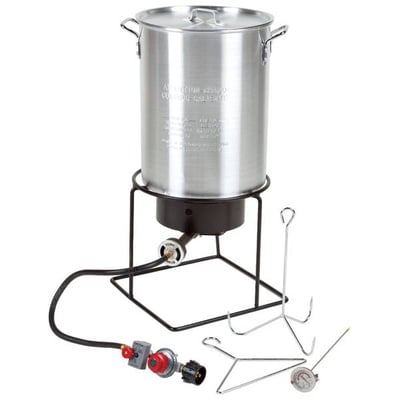
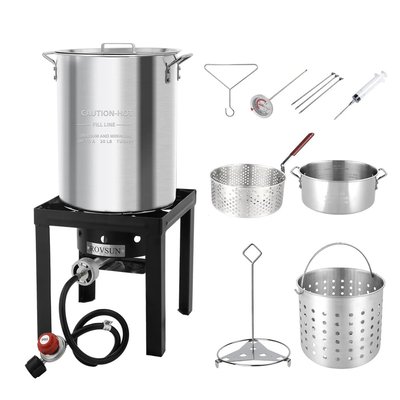
Because bigger birds need more oil displacement, you’ll want to pick a turkey that actually fits your fryer’s personality. Here’s the thing: turkey mass directly determines how much space your bird’ll take up in that pot. A massive twenty-pounder? That’s gonna displace way more oil than a modest twelve-pounder. You’ve gotta match your turkey’s size to your fryer volume carefully, or you’re looking at a bubbling mess on your deck. Think of it like Goldilocks, except with poultry and hot grease. Too big a bird, and your oil spills over. Too small, and you’re wasting precious fryer real estate. Check your fryer’s capacity first, then select a turkey that leaves room for the oil to do its thing without staging a dramatic overflow performance. For the best results when matching turkey and fryer size, consider the actual volume displacement your bird will cause, similar to how you’d measure the capacity for countertop appliances.
Basket Placement and Oil Circulation Problems

When you’re lowering that basket into the oil, you’ve gotta be careful about where it’s sitting—too shallow and you’ll have uncooked turkey parts sticking out, but cramming it too deep can cause the oil to surge right over the edge like a greasy tidal wave. If your basket’s wedged in there wrong or tilted at a funky angle, you’re basicly creating a dam that blocks the oil from flowing smoothly around the bird, which means pressure builds up and—boom—overflow city. Think of it like traffic on a highway: when one lane gets clogged, everything backs up and spills into the other lanes, except in your case it’s hot oil spilling onto your driveway, so let’s avoid that disaster, yeah? Using techniques similar to those found in vertical smoker design—where airflow and spacing are crucial for consistent results—can help you ensure the oil circulates evenly around your turkey and prevent dangerous overflows.
Improper Basket Submersion Depth
One of the sneakiest culprits lurking behind an overflowing turkey fryer is how deep you’re dunking that basket into the oil—or maybe not dunking it deep enough. Your basket depth matters way more than you’d think. Here’s the thing: when you don’t follow a proper submersion guide, the oil’s gotta go somewhere, and spoiler alert, it goes everywhere but where you want it.
| Basket Depth | What Happens | Your Result |
|---|---|---|
| Too shallow | Oil displaces upward | Messy overflow |
| Too deep | Basket touches bottom | Circulation chaos |
| Just right | Oil flows smoothly | Happy frying |
You’ll want your basket sitting about 3 inches below the oil’s surface. Not rocket science, but it sure prevents disasters. Nail this simple adjustment and you’re golden.
Oil Flow Obstruction Issues
Your basket’s gotta breathe, and that’s where things get tricky. When you jam that bird into your fryer without proper spacing, you’re basically asking for trouble. The oil can’t circulate right, and pressure builds up like a shaken soda bottle ready to explode.
Clogged venting around your basket restricts the oil’s natural flow. Think of it like traffic jam—everything backs up fast. Plus, restricted drainage holes in your basket trap oil, which then forces excess liquid upward and right over the edge. It’s chaos.
Make sure there’s clearance between your basket and the fryer walls. Give that oil room to do its job. Check your basket for debri or buildup that might block drainage holes. Simple stuff, really, but it’ll save you from an oily catastrophe.
Safety Precautions to Protect Against Spillover
You’ve gotta treat oil level measurement like it’s the VIP bouncer at an exclusive club—no guessing, no eyeballing, just precision with a thermometer or measuring stick before you even think about dropping that bird in. Thaw your turkey completely first, because nothing says kitchen disaster like ice meeting blazing oil and creating a volcanic eruption that’d make your kitchen look like a crime scene. Splash guards aren’t just fancy accessories; they’re your best friends, your bodyguards against hot oil splatter, so strap ’em on and fry with confidence.


Proper Oil Level Measurement
Three critical things happen when you nail the oil level—your turkey cooks evenly, you avoid dangerous spillover, and you sleep better at night knowing everything’s under control. Here’s the thing: you’ve got two solid methods for measuring capacity. First, there’s the dipstick method, which works like checking your car’s oil. Stick it in, pull it out, read the mark. Simple. The second approach? Fill your fryer with water first, mark the level, then swap in oil. It’s basically foolproof. Don’t just eyeball it—that’s how disaster happens. You want the oil sitting just below where your turkey will displace it. Get this right, and you’re golden. Skip it? Well, let’s just say your driveway won’t thank you.
Thaw Turkey Completely First
Letting that frozen bird thaw completely is basically the golden rule of turkey frying, and honestly, it’s non-negotiable if you want to keep your oil where it belongs—in the fryer, not all over your deck. Here’s the deal: water and hot oil don’t play nice together. When ice crystals meet 350-degree oil, you’re looking at a volcanic eruption of splattering goodness nobody wants.
You’ve got solid thawing techniques to choose from. The refrigerator method takes time but works great—about 24 hours for every four to five pounds. Cold water submersion is faster, requiring just 30 minutes per pound. Whichever route you take, make sure your turkey’s completely dry afterward. If you’re into meat brining beforehand, pat that bird down extra good. Moisture is your enemy here. Patience now equals safety later.
Use Splash Guards Always
Splash guards aren’t just some fancy accessory—they’re basically your best friend when it comes to keeping hot oil exactly where it needs to be. These protective barriers create a shield between you and potential splatters, which is huge for kitchen hygiene and user convenience.
| Guard Type | Best For | Protection Level | Ease of Use |
|---|---|---|---|
| Stainless Steel Ring | Standard pots | High | Very Easy |
| Mesh Screen | Smaller items | Medium | Easy |
| Full Basket Cover | Large turkeys | Very High | Moderate |
| Silicone Rim | Budget option | Medium | Easy |
You’ll want to install your splash guard before heating that oil. Seriously, don’t skip this step. It’ll drastically reduce overflow incidents and keep your kitchen safer, cleaner, and way less stressful when you’re frying. Your future self will thank you.
Frequently Asked Questions
What Type of Oil Is Best for Turkey Frying to Minimize Overflow?
You’ll get the best results with peanut oil or refined safflower oil for your turkey frying. Both have high smoke points and stable properties that help minimize overflow while delivering excellent flavor and consistent heat distribution.
Can I Reuse Oil From Previous Turkey Frying Sessions?
You’re barking up the right tree reusing oil. Strain it thoroughly, but monitor shelf life carefully. Watch for flavor transfer between batches and health risks from degradation. You’ve got about three uses maximum before discarding.
How Long Should I Let the Turkey Thaw Before Frying?
You should let your turkey thaw for 24–36 hours using refrigerator thawing. This method’s safest because you’re keeping it at a consistent cold temperature, ensuring you’ve got a properly thawed bird that’s ready for frying.
What Should I Do if Oil Starts Overflowing During Cooking?
You’ll stop immediately, turn off the burner, and move away safely. Don’t attempt to extinguish it yourself. Call the fire department right now—they’re trained for oil fires and can prevent disaster.
How Do I Properly Dispose of Used Turkey Frying Oil?
You shouldn’t pour used turkey frying oil down the drain since it’s a household hazard. Instead, let it cool, pour it into a container, and take it to your local recycling center or hazardous waste facility for proper disposal.
Conclusion
You’ve got this! Now you’re practically a turkey frying expert—you know the sneaky ways moisture and heat conspire to create an oily disaster. Thaw that bird completely, measure twice, and keep your oil at the perfect temp. Your turkey’ll fry up golden and delicious, your kitchen’ll stay splash-free, and you’ll be the hero of dinner. No more oil catastrophes. Just crispy, juicy perfection.