Your electric knife’s blades are probably getting dull way faster than they should be. You’re likely making mistakes without even realizing it—stuff like tossing them in the dishwasher, storing them loose in a drawer, or sawing through something they’re not designed to handle. The good news? Most of these problems are totally fixable. Once you know what’s actually wrecking your blades, you’ll wonder why nobody told you sooner.
Key Takeaways
- Washing with hot water and abrasive sponges files down sharp edges with each cleaning cycle.
- Storing knives in crowded drawers causes blades to get battered and dulled by other utensils.
- Applying excessive pressure while cutting forces delicate edges into food, accelerating wear and dulling.
- Using dull blades requires more pressure, which increases motor strain and further accelerates dulling.
- Cutting on hard surfaces like granite and glass causes micro-damage that accumulates over time.
Washing Your Blades Incorrectly
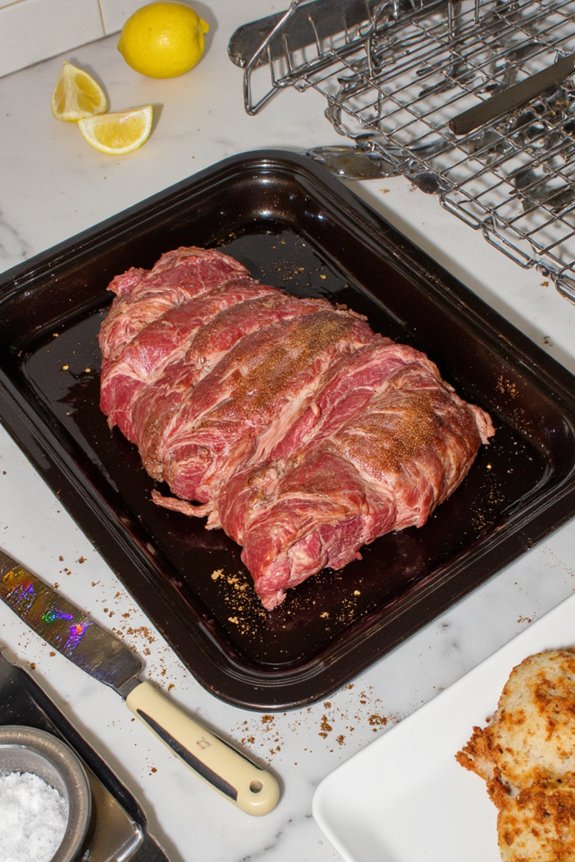
One of the biggest culprits behind your electric knife blades dulling faster than a butter knife in a steak competition is how you’re washing them—and yeah, most people mess this up without even realizing it. You’re probably tossing those blades under hot water and scrubbing them with abrasive sponges like they’re cast iron skillets. Stop right there. Those rough sponges are basically filing down your sharp edges with every wash. Instead, use lukewarm water and a soft cloth to gently clean the blade surface. Your blades’ll thank you by staying sharper longer. Think of it like this: you wouldn’t use sandpaper on a mirror, right? Same principle applies here. Treat those blades delicately, and they’ll perform like champs. Many electric knife models recommend detaching the blades for separate cleaning to avoid damage and ensure the motorized components aren’t exposed to water.
Storing Your Electric Knife Improperly
If you’re stashing your electric knife in a drawer with everything else, shoving it between the spatulas and that one weird gadget you’ll never use, well, that’s half your problem right there. Your blades are basically getting battered every single time you rummage through that chaotic mess. Instead, you’re gonna want ventilated storage that keeps your knife safe and sound. Consider magnetic racks mounted on your kitchen wall or inside a cabinet. They’re seriously game-changers. Your blades stay protected, easily accessible, and most importantly, they’re not grinding against random utensils. Plus, magnetic racks look kinda cool, honestly. Proper storage isn’t just about organization—it’s about preserving those expensive blades so they stay razor-sharp longer. Just like proper maintenance and storage keeps cast iron skillets performing for years, taking care with where and how you store your electric knife will dramatically extend the life of your blades.
Using Dull Blades Longer Than You Should
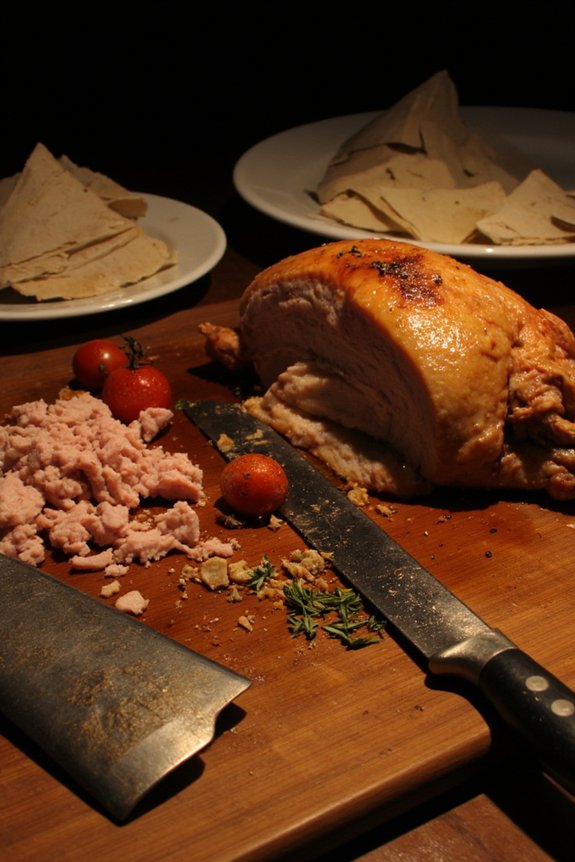
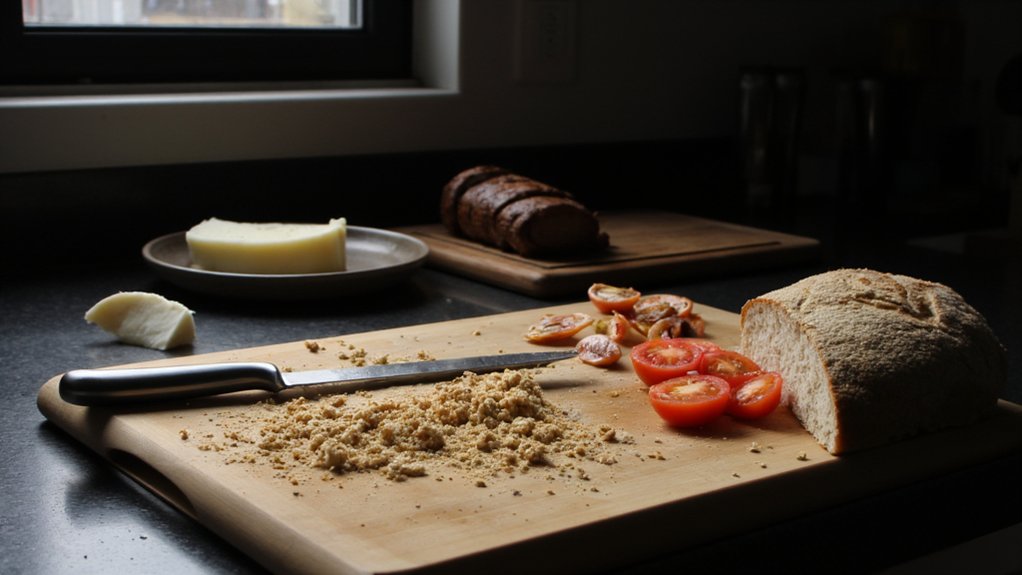
You might think you’re saving money by squeezing out a few more cuts with those worn-down blades, but here’s the thing: dull blades are basically tiny accidents waiting to happen, forcing you to apply more pressure and raising your risk of slips, cuts, and nasty kitchen mishaps. Not only does a dull blade turn your perfectly good tomato into a mangled mess instead of those beautiful, clean slices you’re after, but it also crushes delicate foods rather than cutting them, which ruins texture and can mess with taste too. Keep those blades sharp and you’ll notice the difference instantly—safer hands, better-looking food, and way less frustration in the kitchen. Using dull blades can also quickly wear down motor power and performance in electric kitchen tools, making them less efficient over time.
Safety Risks and Accidents
Because dull electric knife blades lose their cutting efficiency, they actually create more hazards than you’d might expect. When you’re wrestling with a blade that won’t cut properly, you’re applying way more pressure than necessary. That’s a recipe for disaster. Your hand slips. The blade jerks unexpectedly. Suddenly, you’re dealing with a nasty cut that could’ve been prevented. Dull blades are serious workplace hazards in any kitchen, whether you’re a home cook or running a commercial operation. They demand an emergency response faster than you’d like. You’re pressing harder, sawing back and forth like you’re operating a hand tool instead of an electric knife. The frustration builds, your grip weakens, and—ouch. Keep those blades sharp, and you’ll keep your fingers intact. It’s worth the effort. Regular blade maintenance not only prevents accidents but also preserves the lifespan and performance of your electric slicer.
Reduced Cutting Performance
When your electric knife’s blades start dulling, they don’t just get a little slower—they get downright stubborn. You’ll notice some pretty frustrating changes happening in your kitchen:
- Uneven cuts that squash bread instead of slicing it cleanly
- Increased motor vibration as your knife works harder to compensate
- Blade alignment issues that make the knife pull to one side
- Longer prep times because you’re practically sawing through everything
Your dull blades force the motor to work overtime, which creates all that annoying vibration and strain. That stubborn resistance? It’s your knife basically throwing a tantrum. You’re not just cutting slower—you’re risking food slipping, uneven portions, and honestly, a pretty frustrating cooking experience. Nobody wants that kind of kitchen drama when you’re just trying to slice some tomatoes. In fact, just like with stainless steel blades and bowls in electric coffee grinders, maintaining sharpness is essential for both performance and longevity.
Damage to Food Quality
Beyond the frustration of fighting with your knife in the kitchen, there’s something even more troubling happening to the food itself. Dull blades don’t just annoy you, they actually wreck your meals. When you’re using a blade that’s lost its edge, you’re crushing and tearing your food instead of making clean cuts. This brutal approach causes serious flavor loss because you’re damaging the cell structure of your ingredients. That beautiful steak or those fresh vegetables? They’ll taste noticeably worse. The texture degradation is equally bad—you’ll end up with mushy, sad-looking food that looks like it’s been through a blender. Your ingredients deserve better, honestly. Fresh produce especially suffers when dull blades mash instead of slice cleanly. Keep those blades sharp, and your food will thank you with way better taste and presentation.
Cutting on the Wrong Surfaces

One of the sneakiest culprits behind those dull blades is actually sitting right there in your kitchen—the cutting surface you’re using. You’d be surprised how much damage you’re doing with every slice.
Here’s what’s really happening:
- Granite countertops are basically sandpaper for your knives—they’ll dull your blades faster than you can say “ouch”
- Glass cutting boards sound fancy but they’re brutal on edges and cause micro-damage that accumulates quickly
- Marble surfaces might look pretty, but they’re just as hard and unforgiving as granite
- Wooden cutting boards are your friends here—they’re gentler and actually help preserve sharpness
Think about it. You’re not just cutting food, you’re battling rock-hard surfaces. Switch to softer boards and you’ll notice your electric knife stays sharpers longer. It’s that simple, really.
Applying Excessive Pressure While Carving
Here’s the thing—you’re probably pressing down way too hard on that electric knife, and it’s basically asking your blade to do extra work it doesn’t need to do. When you lean into the carving with all your might, you’re not actually cutting better; you’re just accelerating the wear and tear on those poor little teeth, which means they’ll dull faster than a pencil in a pencil sharpener. Let the knife do its job, because excessive pressure is just a one-way ticket to replacing your blades every other Sunday dinner, and trust me, that gets expensive real quick.

Force Causes Premature Wear
When you’re standing over that turkey or prime rib with electric knife in hand, it’s tempting to lean into it—really press down and let the blade do the work, right? Wrong. That’s actually where you’re going wrong with your blade care.
Here’s what happens when you apply excessive pressure:
- Blade edges fracture and chip under unnecessary force
- Metal fatigues faster, causing premature dulling
- Improper leverage strains the motor and accelerates wear
- You’re basically grinding your blades into submission instead of letting them slice
Your electric knife’s designed to handle the cutting. Seriously. Let the blade’s sharpness and vibration do their thing. When you force it with extra pressure, you’re just accelerating the dullness. Think of it like this: finesse beats brute strength every single time. Your blades—and your food—will thank you.
Pressure Damages Blade Edge
Pressing down hard on your electric knife might feel like you’re taking charge, but you’re actually waging war against your own blades. When you apply excessive pressure while carving, you’re forcing those delicate edges into the meat with unnecessary force. This creates excessive vibration that hammers away at your blade’s sharpness. Plus, an improper grip combined with heavy-handed pressure means you’re not letting the knife do its job. The blade’s designed to slice, not crush. Think of it like this: your electric knife’s got the power already built in. You’re just along for the ride. By easing up on the pressure and maintaining a firm but gentle grip, you’ll notice your blades staying sharper way longer. Less force equals less wear. Simple as that.
Neglecting Regular Maintenance and Cleaning
One of the biggest culprits behind those dulling blades is actually sitting right in your kitchen sink—neglect. You’re probably guilty of it. Here’s what you’re likely missing:
- Skipping routine lubrication between uses
- Forgetting to wipe down blades after each cut
- Ignoring hinge inspection for buildup and debris
- Tossing your knife in the dishwasher like it’s a spoon
Yeah, that last one’s brutal for your blades. Food particles accumulate in the crevices, causing corrosion and dullness faster than you’d think. Regular maintenance isn’t complicated—just a quick rinse, dry-off, and occasional oil application keeps everything sharp. Your electric knife isn’t maintenance-free, despite what you might assume. A little TLC goes a long way. Honestly? Spend five minutes caring for it now, and you’ll avoid replacing those expensive blades constantly later.
Exposing Blades to Moisture and Rust
Because your electric knife’s blades are basically metal, they’re constantly battling moisture—and moisture’s winning. Water’s the enemy you didn’t know you had. Every time you rinse those blades or leave them sitting in a damp drawer, you’re inviting rust to the party.
| Moisture Source | Damage Type | Prevention |
|---|---|---|
| Sink water | Surface rust | Dry immediately |
| Humid air | Oxidation | Use moisture barriers |
| Food juices | Corrosion | Clean after use |
Here’s the thing: rust prevention isn’t complicated. You’ve gotta dry your blades thoroughly after washing. Consider moisture barriers like blade covers or storage containers that keep humidity out. Store ’em in a cool, dry spot. Your knife’s sharpness depends on it, and trust me, watching rust slowly eat away at your blades is painful.
Using Your Knife for Tasks It Wasn’t Designed For

Your electric knife’s probably the hardest working tool in your kitchen—until you start asking it to do things it’s totally not equipped for. Listen, I get it. That blade looks mighty sharp, so why not use it for everything, right? Wrong. Here’s where you’re going wrong:
- Improper prying with the blade to open packaging or jars
- Cutting bone or frozen meat that demands a hacksaw, not electricity
- Slicing through thick crusty bread with excessive downward pressure
- Attempting to carve raw vegetables that need a chef’s knife instead
These shortcuts absolutely demolish your blade’s edge faster than anything else. Your electric knife’s designed for slicing cooked meats and soft foods with precision. When you force it beyond those boundries, you’re basically guaranteeing premature dullness and potential damage that’ll cost you serious cash to repair.
Failing to Sharpen or Replace Blades on Schedule
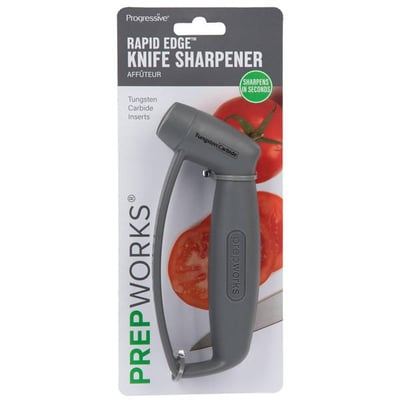
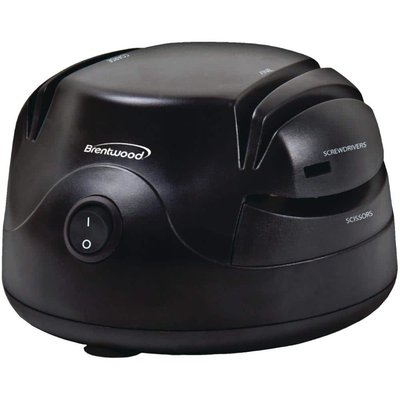
If you’re waiting for your electric knife blades to practically announce they’re dull before you do anything about it, you’re already losing the battle. Most folks don’t think about maintenence until disaster strikes, but that’s backwards thinking. You’ll want to establish a blade calendar right now—mark those dates and stick to it. A solid sharpening schedule prevents that frustrating moment when you’re carving the Thanksgiving turkey and your knife’s performing like a butter knife. Check your manufacturer’s recommendations, seriously. Some blades need attention every few months, others quarterly. Don’t procrastinate. Keep a sharpening routine like you’d keep a dental appointment. Your blades’ll stay razor-sharp, your cuts’ll be cleaner, and you’ll actually enjoy using your electric knife. That’s the real victory.
Storing Blades Without Proper Protection
You’d be surprised how much damage you’re doing to those blades just by tossing them in a drawer or leaving them loose in a cabinet. Moisture creeps in and causes corrosion, while blade-to-blade contact creates tiny nicks and wear that’ll dull your knife faster than you can say “rust bucket,” so protecting them with blade guards or a proper storage case isn’t just nice to have, it’s absolutely essential if you want your electric knife staying sharp and ready to slice through your Sunday roast without putting up a fight.
Exposure to Moisture Damage
Moisture is basically the arch-nemesis of electric knife blades, and storing them without proper protection is like leaving your favorite sneakers out in a rainstorm. You’re basically inviting rust and corrosion to the party. Here’s why you should care:
- Rust forms rapidly on exposed metal surfaces
- Moisture weakens the blade’s structural integrity
- Corrosion dulls the cutting edge faster than normal use
- Humidity monitoring helps you catch problems early
Consider using preventive coatings on your blades before storage. These protective layers act like a shield against moisture damage. Store your knives in a dry location, away from sinks and steamy kitchens. Seriously. A simple moisture-absorbing container works wonders. You’ll keep those blades sharp longer, and your kitchen tasks stay effortless instead of frustrating.
Blade-to-Blade Contact Wear
When you toss your electric knife blades together in a drawer like they’re old socks, you’re basically setting up a tiny metal demolition derby. Those sharp edges don’t play nice with each other. They’re constantly grinding and clashing, creating blade friction that wears them down faster than you’d expect. Think of it like two wrestlers fighting in a confined space—somebody’s gonna get hurt, and spoiler alert, it’s your blades.
This repeated contact causes metal fatigue, weakening the edges with every collision. Your blades lose their sharpness quicker because they’re literally fighting each other. It’s honestly pretty rough on them. Store each blade in its own protective sheath or case, and you’ll notice a massive difference in how long they stay sharp. Your knives will thank you.
Frequently Asked Questions
How Often Should I Sharpen My Electric Knife Blades for Optimal Performance?
You should sharpen your electric knife blades every three to six months with seasonal sharpening. However, perform daily maintenance by honing the edges after each use to keep them performing at their best.
What Is the Best Sharpening Method for Electric Knife Blades?
You’ll get the best results using a honing steel or whetstone, maintaining the manufacturer’s recommended angle for your blade’s steel type. This preserves edge geometry and extends sharpness between professional sharpenings.
Can I Use My Electric Knife on Frozen Foods Without Damage?
You shouldn’t use your electric knife on frozen meats—it’ll damage your blades considerably. The extreme cold makes metal brittle, causing chips and dulling. Thaw foods first. Proper blade care means protecting them from frozen surfaces entirely.
How Do I Know When It’s Time to Replace My Blades?
You’ll notice your blade’s lifespan ending when you see ragged cuts instead of clean slices. Edge indicators include increased resistance, uneven cutting, and torn food. These signs mean it’s time for replacement blades.
What Warranty or Replacement Programs Do Manufacturers Typically Offer?
Ever wondered what protection you’re actually getting? Most manufacturers offer limited warranties covering defects, typically one to two years. They’ve also implemented replacement programs where you’ll get discounted or free blade exchanges when yours wear out.
Conclusion
You’re dulling those blades faster than a butter knife at a steakhouse. Stop drowning ’em in the dishwasher. Stop tossing ’em in drawers like they’re playing bumper cars. Stop pretending they’ll sharpen themselves through sheer willpower. Your electric knife isn’t a lightsaber—treat it right. Hand wash, store smart, sharpen regularly. Do that? You’ll keep those blades slicing like a dream instead of sawing like a nightmare.