
Store your wine at a stable temperature rather than chasing one perfect number—consistency matters way more than hitting exactly 55°F. Red wines thrive around 45–65°F, whites prefer the cooler end at 45–50°F, and sparkling stays freshest between 45–50°F. Temperature swings cause corks to expand and contract, degrading flavors and seals. Invest in a reliable wine fridge with a digital monitor, calibrate it quarterly, and keep the door closed. Position it away from sunlight and heat sources for steadier conditions, and you’ll discover there’s more to the setup.
Key Takeaways
- Set your wine refrigerator between 45–65°F depending on wine type, targeting 55°F for reds and 45–50°F for whites.
- Maintain temperature stability above all else, as consistent conditions prevent cork fatigue and preserve aging potential better than exact setpoints.
- Calibrate your fridge’s temperature sensor quarterly against a reliable thermometer to catch drift and ensure accurate storage conditions.
- Store bottles horizontally with humidity around 50–80% to keep corks moist, maintain seal integrity, and prevent label damage.
- Position your wine refrigerator away from direct sunlight and heat sources, and avoid frequent door openings to preserve internal stability.


Why Temperature Control Matters for Wine Storage
If you’ve ever wondered why some wines taste amazing while others seem to have lost their mojo, temperature’s probably the culprit. Wine’s pretty finicky about its environment. When you store bottles at inconsistent temps, the liquid expands and contracts, messing with flavors and aromas you paid good money for.
You’ll want to maintain steady cellar humidity levels too—around 50 to 80 percent keeps corks from drying out. Dry corks let oxygen sneak in, which nobody wants. Proper bottle orientation matters as well. Keep those bottles horizontal so the wine stays in contact with the cork, preventing it from shrinking up and letting air creep through.
Getting temperature right isn’t rocket science, but it’s definitely worth your attention. Investing in a wine refrigerator with precise temperature controls ensures your collection stays at optimal conditions and preserves its quality over time.
Understanding the Ideal Temperature Range for Different Wine Types

You’re probably wondering if you really need different temperatures for each wine type, and honestly, you do—but it’s way simpler than you might think. Red wines like to hang out around 55 degrees Fahrenheit, white wines prefer something cooler at about 45 degrees, and sparkling wines? They’re the overachievers that want to stay chilled at roughly 40 degrees, which also keeps those bubbles from escaping too quickly. The good news is you don’t need a fancy wine fridge with seventeen settings, just a basic understanding of what each type needs to taste its best, and you’ll be golden.
Red Wine Temperature Guidelines
When it comes to red wine, temperature’s basically the unsung hero of the whole experience—get it right, and you’re golden, get it wrong, and well, you’re drinking something that tastes pretty flat. You’ll want to store your reds between 45 and 65 degrees Fahrenheit, though most prefer the 55-degree sweet spot. Here’s the thing: temperature affects both aging potential and tannin extraction in ways you might not realize. Warmer temps speed up aging, which can be good or bad depending on what you’re storing. Cooler temperatures slow everything down, letting those complex flavors develop properly over time. The key is consistency, really. Fluctuating temps will mess with your wine faster than anything else, so keep that refrigerator steady and you’re set. Just like with heat retention and distribution in high-quality cookware, maintaining a stable environment is crucial for preserving the delicate balance and full expression of your wine.
White Wine Cooling Requirements
White wines call for a completely different playbook than their red cousins, and honestly, it’s a bit more forgiving once you understand the basics. You’ll want to keep most white wines between 45 and 65 degrees Fahrenheit, depending on the style. Lighter whites like Sauvignon Blanc prefer the chillier end around 45-50 degrees, while fuller-bodied ones like Chardonnay can handle 50-60 degrees. This cooler storage protects that acid balance that makes white wines so invigorating and crisp. Your serving rituals matter too, since pulling a bottle from your wine fridge gives you that perfect temperature right out. It’s way easier than wrestling with an ice bucket and guessing games. If you’re looking for a similar approach to outdoor gear, paying attention to heat retention capability can make a big difference in maintaining beverage quality.
Sparkling Wine Storage Standards
Sparkling wines are basically the overachievers of the wine world, and they’ve got their own storage rules that sit somewhere between white wines and their own special category. You’ll want to keep them chilled, but not quite as cold as your everyday white wine.
Here’s what you need to know:
- Store sparkling wine between 45-50°F for prime freshness and carbonation preservation
- Keep bottles in horizontal position to maintain cork moisture and prevent it from drying out
- Protect from light and temperature fluctuations, which can compromise those precious bubbles
For vintage aging of premium sparkling wines, you might push toward 50°F. The bottle orientation matters big time, because those corks need that constant contact with wine. Think of it as keeping your sparkling wine comfortable and happy. For optimal results, maintaining consistent temperature control is just as important for sparkling wine as it is for delicate countertop ice makers, since sudden changes can spoil both the flavor and the signature effervescence.
Red Wine vs. White Wine: Temperature Differences Explained

Here’s the thing about red and white wines—they’ve basically got opposite temperature preferences, and once you nail this down, you’ll open a whole new level of enjoyment from your bottles. Reds love it warmer, typically between 60-65°F, which lets their bold flavors really shine through. Whites prefer cooler conditions, around 45-50°F, to keep that crisp freshness you’re after. Your aging rituals matter too. If you’re stashing bottles for years, consistency is key—fluctuations mess with development. When it comes to serving temperatures, remember that room temperature isn’t actually ideal for reds like we once thought. A slight chill actually enhances everything. Get these details right, and you’ll taste the difference immediately. Your palate will thank you.
The Dangers of Temperature Fluctuations and Cork Degradation
Once you’ve got those serving temperatures dialed in, you’d think you’re home free, but here’s where things get tricky—temperature swings are basically the enemy of good wine storage. Wild fluctuations wreak havoc on your bottles in ways you might not expect.
Here’s what happens when temperatures bounce around:
- Cork fatigue develops from constant expansion and contraction, weakening the seal over time
- Seal integrity fails when heat pushes wine past the cork, allowing oxygen in and flavor out
- Premature aging accelerates as temperature changes speed up chemical reactions inside the bottle
Even small swings from 65°F to 75°F repeated over weeks can damage your collection. Your wine refrigerator’s job is keeping things steady and stable. That consistency? It’s everything for preserving what’s inside that bottle. Just like with PID temperature control in modern kitchen appliances, maintaining a consistent environment is crucial for protecting the delicate balance and longevity of your wine.
Choosing the Right Wine Refrigerator for Your Collection

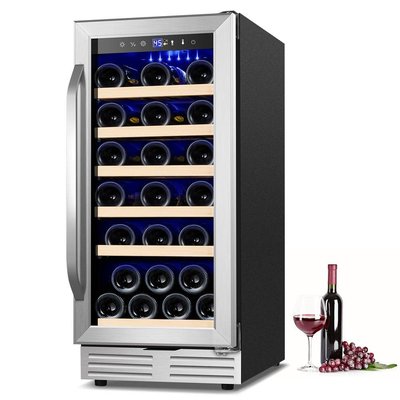
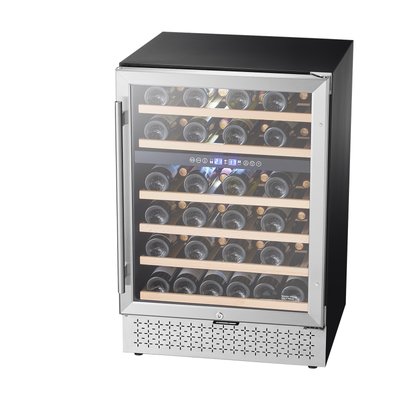
Since you now understand just how critical temperature stability is, picking the right wine refrigerator becomes less of a nice-to-have and more of a necessity. You’ll want to contemplate a dual zone model if you’re storing both reds and whites, since they’ve got different ideal temperatures. A compact size works great for apartments or smaller spaces without sacrificing functionality. Think about your collection’s growth too, because buying something way too big now might feel wasteful. Look for units with reliable compressors, UV-protected glass, and solid insulation. Check reviews from actual wine enthusiasts, not just randos on the internet. Your budget matters, obviously, but remember you’re investing in protecting bottles that deserve better than your kitchen counter or sketchy basement corner.


Setting Your Wine Refrigerator to the Optimal Temperature
Now that you’ve got your wine fridge picked out and sitting in your space, it’s time to actually use the thing properly. Getting the temperature right isn’t rocket science, but it does matter for keeping your wines in top shape.
Here’s what you need to focus on:
- Set your fridge between 45-65°F depending on your wine type, with reds around 55°F and whites a bit cooler
- Monitor airflow management so temperature stays consistent throughout the unit without creating hot or cold spots
- Maintain humidity control at roughly 50-80% to prevent cork drying and label damage
You’ll want to check your settings regularly. Temperature fluctuations wreck wine faster than you’d think, so keep things steady and stable.
Monitoring and Maintaining Consistent Temperature Levels
Once you’ve got your wine fridge dialed in, the real work starts because you’ll need to keep tabs on those temperature swings that can sneak up on you like uninvited guests at a dinner party. Your best friend here is a reliable digital monitoring system—calibrate it properly and you’ve basically got a 24/7 bodyguard making sure your wine stays cozy and protected from those pesky temperature fluctuations that could mess with your collection. Think of it this way: a few minutes spent setting up your monitoring tools now saves you from discovering your prized bottles have been living through temperature roller coasters, which is definitely not the vibe you’re going for.
Temperature Fluctuation Prevention Strategies
Temperature swings’ll wreck your wine faster than you’d think, so keeping things stable is really where the magic happens. Your aging rituals depend on consistency, and fluctuations mess with those carefully planned flavors you’re counting on.
Here’s how to keep things locked down:
- Position your wine fridge away from direct sunlight and heat sources like ovens or radiators that’ll throw off your temps
- Check the thermostat weekly because even small drifts compound over time, affecting cork integrity and humidity control
- Avoid opening the door constantly, since each crack lets temperature escape and stability suffers
Think of it like this: wine’s pretty patient, but it hates surprises. Keep your fridge tucked in a cool corner, maintain steady humidity alongside temperature control, and you’ll preserve those bottles beautifully. Your future self’ll thank you.
Digital Monitoring System Calibration
Getting your digital monitoring system dialed in is where the real control happens, and honestly, it’s easier than you’d think. You’ll want to check your sensor against a reliable thermometer every few months to catch any sensor drift before it becomes a problem. Most wine fridges come with a calibration schedule recommendation, but don’t just toss that manual aside.
Here’s the thing: even tiny temperature variations can mess with your wine’s aging potential. Spend fifteen minutes quarterly verifying your readings match reality. If you notice discrepancies, recalibrate following your fridge’s instructions, which usually involves a simple button combo or app adjustment. Think of it as maintaining your car. Regular checks mean no surprises, and your wine stays perfectly protected year-round without any stress.
Common Temperature Problems and How to Fix Them
If you’ve ever opened a bottle of wine that tasted a bit off, there’s a good chance your storage temps were playing tricks on you. Temperature swings mess with cork humidity and can damage your collection faster than you’d think.
Here’s what typically goes wrong:
- Fluctuating temperatures cause wine to expand and contract, pushing cork out and letting oxygen creep in
- Inadequate ambient insulation lets heat from your kitchen or sunlight wreak havoc on your bottles
- Running your fridge too cold freezes wine and damages delicate flavor compounds
The fix? Check your thermostat regularly and make sure your unit’s insulation is solid. Keep bottles away from direct heat sources. If your fridge keeps swinging between temps, you’ve probably got a calibration issue that needs addressing immediately.
Additional Storage Factors Beyond Temperature
While keeping your wine at the right temperature is essential, there’s actually a whole bunch of other stuff that matters just as much for protecting your bottles. Humidity control is imperative because too much moisture can damage labels, while too little dries out corks. Light exposure is your enemy, so keep those bottles away from direct sunlight and UV rays that’ll mess with the wine’s flavor. Vibration minimization matters more than you’d think, since constant movement disturbs sediment and ages the wine unpredictably. Finally, bottle orientation—lay those bottles on their side so the cork stays moist and doesn’t shrink. Get these factors right alongside temperature, and you’re basically a wine storage pro.
Frequently Asked Questions
How Long Does It Take for a Wine Refrigerator to Reach Its Target Temperature?
You’ll typically wait 2-4 hours for your wine refrigerator to reach its target temperature. Once it’s there, you’ll notice temperature stability keeps your wines perfectly chilled. The cooling time depends on your unit’s size and starting conditions.
Can I Store Food or Beverages Other Than Wine in My Wine Refrigerator?
Yes, you can use your wine refrigerator for food storage and beverage chilling beyond wine. It’s ideal for chilling champagne, beer, and soft drinks. However, avoid strong-smelling foods that might affect your wine’s flavor profile.
What Is the Average Lifespan of a Wine Refrigerator Unit?
Your wine refrigerator’s average lifespan typically ranges from 10 to 15 years with proper maintenance. Most manufacturers offer warranty expectations of 1 to 5 years, covering defects and mechanical failures during initial ownership.
How Much Electricity Does a Wine Refrigerator Consume Monthly?
Your wine refrigerator typically consumes 40-100 watts continuously, translating to roughly 30-70 kWh monthly. Exact energy use and operating cost depend on your unit’s size, insulation quality, and ambient temperature conditions.
Is It Safe to Move a Wine Refrigerator After It’s Been Installed?
Yes, you can move your wine refrigerator, but you’ll need proper transport precautions to avoid damage. Check your warranty implications first, as moving it yourself might void coverage. Always use professionals for safe relocation.
Conclusion
You’ve got this. Storing wine properly isn’t rocket science, just stick to the right temperature range for your bottles, keep fluctuations minimal, and check on things regularly. Your wine fridge’s your best friend here. A little attention now means you’ll actually enjoy that bottle later instead of drinking vinegar. That’s the whole point, right?


