Your multi-cooker’s error code is basically its way of saying “hey, something needs attention.” It could be anything from a pressure sensor getting confused, a lid seal that’s not quite right, or something simple like you forgot enough water. The good news? Most codes are designed to be decoded pretty easily, and many fixes take just minutes—think power cycling or checking that lid. If quick resets don’t cut it, your manual’s got a handy key that’ll point you toward exactly what’s going on, and we can walk through some solid troubleshooting strategies to get you back on track.
Key Takeaways
- Error codes identify specific issues like temperature problems, pressure sensor faults, lid seal failures, or heating element malfunctions for targeted troubleshooting.
- Common causes include sensor drift, wiring corrosion, misaligned lids, food debris in locking mechanisms, or insufficient liquid levels in cooker.
- Quick fixes like power cycling, checking lid seals, updating software, or resetting the device resolve many error codes within minutes.
- Faulty temperature sensors, heating elements, and pressure sensors produce specific error codes indicating the exact component requiring attention or replacement.
- Consult your manual’s error code key for decoding guidance; contact customer support if troubleshooting steps and power resets fail to resolve issues.
Understanding Error Codes and What They Mean

When your multi-cooker starts flashing cryptic codes at you, it’s totally normal to feel a little lost. Those mysterious displays can seem like your appliance is speaking another language entirely. But here’s the thing: understanding error code taxonomy is actually way simpler than you’d think.
Most manufacturers design their codes to be user friendly decoding, meaning you don’t need a tech degree to figure out what’s happening. Each code represents a specific issue, whether that’s a temperature problem, a pressure sensor hiccup, or a lid that isn’t sealed properly. Think of them as your cooker’s way of texting you about what’s wrong.
Your manual contains the key to decoding these messages. Once you know what each code means, troubleshooting becomes straightforward and manageable. Many error codes are tied to critical safety features built into modern electric pressure cookers, helping prevent accidents and making it easier to identify exactly what needs attention.
Pressure Sensor Malfunctions

Since your multi-cooker relies on precise pressure readings to work its magic, a faulty pressure sensor can throw the whole operation out of whack. When this component malfunctions, you’ll often see error codes that leave you scratching your head.
The culprit? Usually sensor drift or wiring corrosion. Sensor drift happens gradually as the component ages, making it less accurate over time. Wiring corrosion occurs when moisture sneaks into the connections, creating resistance that disrupts signals between your sensor and the control board.
You might notice inconsistent cooking times or your cooker refusing to pressurize properly. Sometimes it’ll error out randomly during a cycle. The fix often requires professional recalibration or sensor replacement, unfortunately. It’s not typically a DIY situation, so don’t go poking around inside without proper knowledge.
For optimal performance and safety, it’s important to choose appliances built with anti-dry burn protection and other reliable safety features, which can help prevent certain types of malfunctions.
Temperature Control Issues

Your multi-cooker’s heating element and temperature sensor need to work together like a well-oiled machine, but when they don’t, you’re in for some frustration. Temperature control issues crop up when your cooker can’t maintain consistent heat levels during cooking cycles.
You might notice thermal drift, where temperatures gradually shift away from what you’ve set. Control lag happens when your cooker responds slowly to temperature changes, leaving your food undercooked or overcooked. These problems usually stem from a faulty temperature sensor that’s giving your cooker bad information about how hot things actually are.
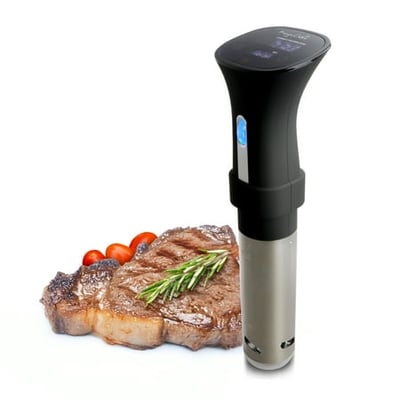
When your display flashes a temperature error code, it’s basically telling you something’s broken in the heating system. You’ll want to check if the sensor’s dirty or disconnected before calling for repairs. Many modern appliances, such as sous vide immersion circulators, rely on extremely precise temperature sensors and control algorithms to maintain consistent cooking results, highlighting how critical sensor accuracy is for your multi-cooker’s operation.
Lid and Sealing Ring Problems

Your multi-cooker’s lid and sealing ring are basically the bouncers at the club—if they’re not doing their job right, nothing’s getting in or staying put. You’ll run into issues like misaligned lids that won’t close properly, which’ll trigger error codes because the cooker thinks something’s wrong with the pressure seal, and damaged sealing rings that’ve lost their grip after too many cooking cycles and dishwasher runs. The good news is these problems are usually pretty straightforward to spot and fix, whether that means realigning your lid or swapping out a worn ring before it causes bigger headaches down the road. Some countertop appliances—like automatic shutoff and overheat protection featured in top-rated egg cookers—use similar safety mechanisms that can also be affected by faulty seals or misalignments, leading to error messages until the issue is corrected.
Misaligned Lid Detection
When your multi-cooker won’t stop complaining about the lid, it’s usually trying to tell you something important. Misaligned lid detection happens when your cooker can’t recognize that everything’s sealed properly. First, check your lid alignment—make sure it’s sitting evenly on the rim without any tilting or gaps. Sometimes sensor interference occurs when food particles or moisture gunk up the sensors around the edges. Try wiping everything clean with a dry cloth, paying special attention to those little sensor spots. If the error persists, you might need to reposition the lid more deliberately, pressing down firmly until you hear a satisfying click. Don’t force it though. A properly seated lid should feel snug without requiring wrestling moves. Some models designed for secure transport feature gasketed, locking lids that can help ensure a better seal and prevent these lid alignment issues.
Damaged Sealing Ring Issues
Check your ring for cracks, discoloration, or flattening. If it looks beat up, ring replacement is your answer. It’s usually a straightforward swap—just pop out the old one and slide the new one in. Keep a spare on hand, and you’ll avoid future frustration. Your multi-cooker will thank you with smooth, error-free operation.
Power Supply and Electrical Faults

Since electricity powers everything your multi-cooker does, it’s kind of a big deal when something goes wrong on that front. Power issues can leave you staring at cryptic error codes instead of enjoying a hot meal.
Here’s what might be happening:
- Electrical surges from storms or faulty wiring can fry your cooker’s circuits
- Your outlet grounding could be compromised, creating unsafe conditions
- Loose power cord connections cause intermittent shutdowns and error displays
- Internal fuses might’ve blown from overload situations
Check that your outlet’s working properly by plugging in another device. If your cooker still acts up, you’ve probably got a deeper electrical issue that requires professional help. Don’t mess with it yourself—safety first.
Heating Element Failures
Your multi-cooker’s heating element is basically the heart of the whole operation, and when it stops working properly, you’re left with a fancy paperweight instead of a functional kitchen appliance. When things go wrong with your heating element, you’ll notice your food ain’t cooking right or the display’s throwing error codes at you.
| Error Code | What It Means | Quick Fix |
|---|---|---|
| H1 | Element not heating | Check power connection |
| H2 | Overheating detected | Let it cool down |
| H3 | Element malfunction | Needs replacement |
Your heating diagnostics should be the first step before panicking. Sometimes it’s just a loose wire. If element replacement becomes necessary, you’ll want to contact the manufacturer or grab a replacement kit. Don’t mess with electrical components if you’re unsure, though.


Water Level Detection Errors
When your multi-cooker starts acting confused about how much liquid you’ve actually got inside, you’re probably dealing with water level detection errors. These issues usually boil down to two main culprits: your sensor needs recalibration because it’s gotten a bit out of sync, or you simply haven’t added enough liquid for the cooker to register, which is kind of like trying to find something in an empty room. Either way, we’ll walk you through what’s causing these glitches and how to get your cooker reading levels like it’s supposed to.
Sensor Calibration Issues
Water level detection errors can really throw a wrench in your multi-cooker’s operation, and they usually stem from sensor calibration issues that’ve gotten a bit out of whack. When your cooker can’t figure out how much liquid’s actually inside, things go sideways fast.
Here’s what typically happens:
- Sensor drift causes inaccurate readings over time
- Your cooker thinks there’s more water than there actually is
- Calibration routine needs running to reset everything
- Error codes pop up when the sensor gets confused
The good news? Most of these problems are fixable. You’ll likely need to run your multi-cooker’s calibration routine, which recalibrates that finicky sensor back to factory settings. Check your manual for specific steps, but it’s usually pretty straightforward.
Insufficient Liquid Levels
One of the most common culprits behind those frustrating error messages is simply not having enough liquid in the pot, and it’s often what catches folks off guard because they think they’ve added plenty. Your multi-cooker needs sufficient liquid to create steam and pressure properly. When you’re dealing with low liquid situations, the water level detection sensors can’t do their job right, triggering those pesky error codes.
Here’s the thing: ingredient ratios matter. Too much food and not enough broth? That’s a recipe for trouble. Always check your manual’s guidelines. Most models want at least a cup of liquid, sometimes more depending on cooking time. If you’re adapting recipes, adjust accordingly. It’s easier than dealing with error codes repeatedly. Just remember, your cooker’s thirstier than you’d expect.
Safety Lock System Malfunctions
If your multi-cooker’s refusing to budge—literally—you’ve probably hit a safety lock system malfunction. These annoying glitches prevent your lid from opening or closing properly, and they’re actually protecting you from potential burns or pressure releases. Here’s what’s typically going wrong:
- The child lock got accidentally activated, trapping everything shut
- Your locking mechanism’s stuck from food debris or mineral buildup inside
- The pressure sensor isn’t registering correctly, so the cooker won’t release
- A faulty switch is sending mixed signals to your safety system
Check if you’ve accidentally toggled any lock features. If that’s not it, try unplugging your cooker for five minutes, then plug it back in. Sometimes a simple reset sorts everything out. When nothing works, you’re probably looking at contacting customer support for repairs.
Troubleshooting Steps to Resolve Common Codes
Most multi-cooker error codes aren’t actually the kitchen apocalypse they seem like at first glance. You’ve got this. Start by checking your user interface for any visible damage or stuck buttons, then power cycle the whole thing by unplugging it for thirty seconds. Seriously, that fixes like half of all problems. Next, verify you’re using the latest software updates, since outdated versions often trigger random errors that’ll make you scratch your head.
| Error Code | Quick Fix | Time Needed |
|---|---|---|
| E1 | Restart device | 1 min |
| E2 | Update software | 5 mins |
| E3 | Check lid seal | 2 mins |
| E5 | Reset cooker | 2 mins |
If nothing works, consult your manual or contact support.
Frequently Asked Questions
Can I Use My Multi-Cooker if It Displays an Error Code Occasionally?
You shouldn’t use your multi-cooker with occasional error codes. Try temporary resets first, but prioritize safety precautions. If errors persist, stop using it and consult the manufacturer’s guidelines before operating again.
How Much Does It Typically Cost to Repair a Multi-Cooker Error Code?
You’re looking at $50–$150 for parts cost and $75–$150 for a service call, depending on your multi-cooker’s brand and the specific error. Total repairs typically run $125–$300.
Will My Warranty Cover Damages Causing Error Codes on My Multi-Cooker?
Your warranty typically covers manufacturing defects, not user-caused damage. You’ll need damage documentation to prove the error code isn’t your fault. Check your warranty’s transferability clause—it may limit coverage if you’re not the original owner.
Should I Replace My Multi-Cooker or Attempt to Fix the Error Code?
You should attempt repairs first before replacing. Check your warranty coverage, troubleshoot the error code, and consider parts sourcing costs. If replacement parts are expensive or unavailable, replacing your multi-cooker becomes more economical than repair.
How Can I Prevent Future Error Codes From Appearing on My Multi-Cooker?
You’ll prevent future error codes by performing regular maintenance on your multi-cooker’s seals and vents, keeping it clean, and ensuring proper storage in a dry location away from moisture and extreme temperatures.
Conclusion
Look, error codes aren’t as scary as they seem. You’ve got this. Most of the time, it’s something simple like a sensor hiccup or a sealing ring that needs adjusting. Check your manual, troubleshoot systematically, and don’t hesitate to contact customer support if you’re stuck. Your multi-cooker’ll be back to making delicious meals in no time.