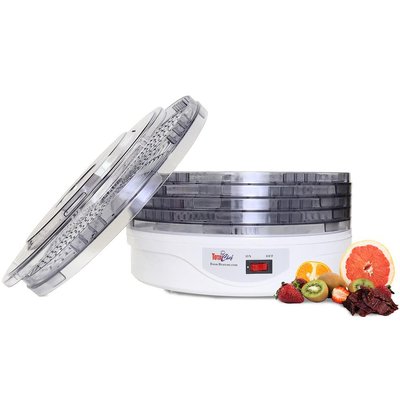
You’ve invested in a food dehydrator, but maybe your results aren’t matching those Instagram-perfect dried snacks you’re dreaming of. Uneven textures, spoiled batches, or food that’s somehow both overdried and soggy? Yeah, you’re probably making one of five pretty common mistakes. The good news is they’re all totally fixable once you know what’s going wrong.
Key Takeaways
- Incorrect temperature settings cook food instead of dehydrating it, destroying nutrients and causing uneven results across batches.
- Overcrowding trays disrupts airflow, traps moisture, and causes inconsistent drying where some pieces remain chewy while others overdry.
- Uneven food cutting creates inconsistent drying times, with some pieces drying completely while others stay uncomfortably chewy.
- Skipping blanching for vegetables allows enzymes to cause deterioration, resulting in poor color, texture, and nutrient retention.
- Improper storage in non-airtight containers allows moisture to return, causing mold, sogginess, and food spoilage within weeks.
Setting the Temperature Too High or Too Low

When you’re setting up your food dehydrator for the first time, temperature’s honestly one of the most critical decisions you’ll make. Crank it too high and you’ll basically cook your food instead of dehydrating it, destroying nutrients and creating uneven results. Too low? You’re looking at super long drying times and potential food safety issues.
The sweet spot varies depending on what you’re drying. Herbs need gentler heat around 95°F, while jerky handles 160°F just fine. Here’s the thing about temperature control: it directly impacts texture, flavor, and nutrition retention.
Don’t forget about shelf spacing either. Proper airflow matters just as much as getting your temps right. Pack things too tightly and you’re fighting an uphill battle that no temperature setting can fix.
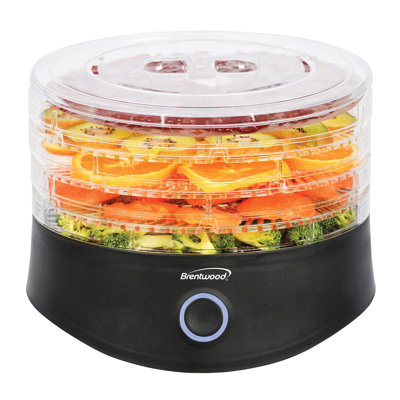
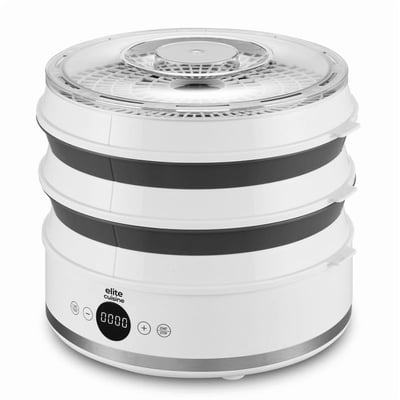
Many newer dehydrators offer digital timer/temperature control features, letting you precisely set and monitor your drying environment for better, more consistent results.
2. Overcrowding Your Dehydrator Trays

Overcrowding your trays is honestly the mistake that’ll undo all that temperature work you just nailed. When you jam too much food onto each tray, you’re basically suffocating your dehydrator’s ability to do its job properly.
Here’s why proper tray spacing matters:
- Airflow patterns get disrupted when foods touch each other
- Moisture gets trapped instead of escaping efficiently
- Uneven drying happens, leaving some pieces chewy and others overdone
- Your dehydration time stretches way longer than necessary
Think of it this way: your dehydrator needs breathing room to circulate hot air evenly around everything. Leave about a quarter-inch between pieces, and don’t stack items on top of each other. It might seem like you’re wasting space, but you’re actually maximizing results and saving time overall. Paying attention to even heat distribution is just as crucial in dehydrating as it is when using top-performing cookware like cast iron skillets.
3. Neglecting to Prepare Food Properly Before Drying

Skipping the prep work might seem like you’re saving time, but it’s actually one of the quickest ways to ruin your whole batch. When you’re not preparing food properly, you’re setting yourself up for frustration and wasted ingredients.
Cutting unevenly is a major culprit here. If your apple slices aren’t uniform thickness, some’ll dry while others stay chewy. Nobody wants that inconsistency. Also, don’t skip blanching vegetables like broccoli or carrots, it really does matter. Blanching stops the enzymes that cause deterioration and helps preserve color, texture, and nutrients way better than skipping it ever could. Take a few extra minutes to wash, peel, and slice everything properly. Your dehydrator results will thank you, trust me on this one.

4. Ignoring Moisture Content and Drying Times

Now that you’ve got your food prepped like a pro, there’s another layer to master: understanding how long different foods actually need to dry and what moisture levels you’re aiming for.
Here’s where most people mess up:
- Assuming all foods dry at the same rate, when they absolutely don’t
- Ignoring ambient humidity in your kitchen, which hugely affects drying time
- Pulling food out too early because you’re impatient, leaving it susceptible to spoilage
- Not accounting for moisture variability between batches and seasons
The truth is, herbs might take 4 hours while beef jerky needs 12 or more. Your dehydrator’s instruction manual ain’t just for looks, so check it. Pay attention to your environment too. Humid days require longer drying times, period.
If you’re looking for consistency in your dehydrating results, take a cue from fuzzy logic technology in modern rice cookers, which automatically adjust for time and temperature to deliver more reliable and even results—adapting to changes just like you should with varying foods and conditions.
5. Failing to Store Dehydrated Foods Correctly

All that work drying your food means nothing if you store it like you’re just tossing it in a cupboard and hoping for the best. Moisture will creep back in, and you’ll end up with moldy jerky or soggy fruit chips. Nobody wants that.
You’ll want to use airtight containers or vacuum sealing to keep everything fresh. Glass jars with tight-fitting lids work great, or you can go fancy with a vacuum sealer if you’re serious about longevity. Store your dehydrated goods in a cool, dark place away from sunlight and humidity. A pantry or basement beats a kitchen cabinet near the stove every time. Label everything with dates so you actually remember what you’ve got stashed away. Proper storage means your dehydrated foods’ll last months instead of weeks. If you opt for a vacuum sealer, choosing a model with a five-year warranty ensures reliability and helps protect your long-term investment.
Frequently Asked Questions
How Often Should I Clean My Food Dehydrator for Optimal Performance?
You should clean your food dehydrator after every use to remove food particles and residue. Additionally, you’ll want to perform a monthly deep clean to maintain peak performance and prevent buildup.
Can I Dehydrate Different Food Types Simultaneously in the Same Unit?
You can dehydrate different foods simultaneously, but you’ll want to avoid cross contamination risks by separating strong-flavored items. Use proper stacking techniques, placing similar foods together on different trays to maintain flavor integrity.

What’s the Ideal Humidity Level in My Kitchen for Food Dehydration?
You’ll want your kitchen’s ideal humidity below 50% for successful food dehydration. Lower ambient temperature and humidity levels help your dehydrator work efficiently, preventing moisture reabsorption and ensuring proper preservation of your foods.
How Long Do Properly Stored Dehydrated Foods Typically Remain Fresh?
Your properly stored dehydrated foods can last 4-12 months, depending on storage conditions. You’ll maintain excellent shelf stability and nutrient retention when you store them in airtight containers in cool, dark places away from moisture and pests.
Which Foods Are Unsafe or Unsuitable for Home Dehydration?
You’ll want to avoid high fat meats and dairy products when dehydrating at home. These foods don’t dry properly and can spoil quickly, risking foodborne illness. Stick to lean meats and non-dairy alternatives instead.
Conclusion
You’ve got this! Mastering your dehydrator isn’t rocket science, but it does take a little finesse. Stick to the right temps, give your food breathing room, and prep like you mean it. Keep an eye on moisture levels and store everything properly so you’re not tossing moldy jerky in three weeks. Follow these tips and you’ll be dehydrating like a pro.