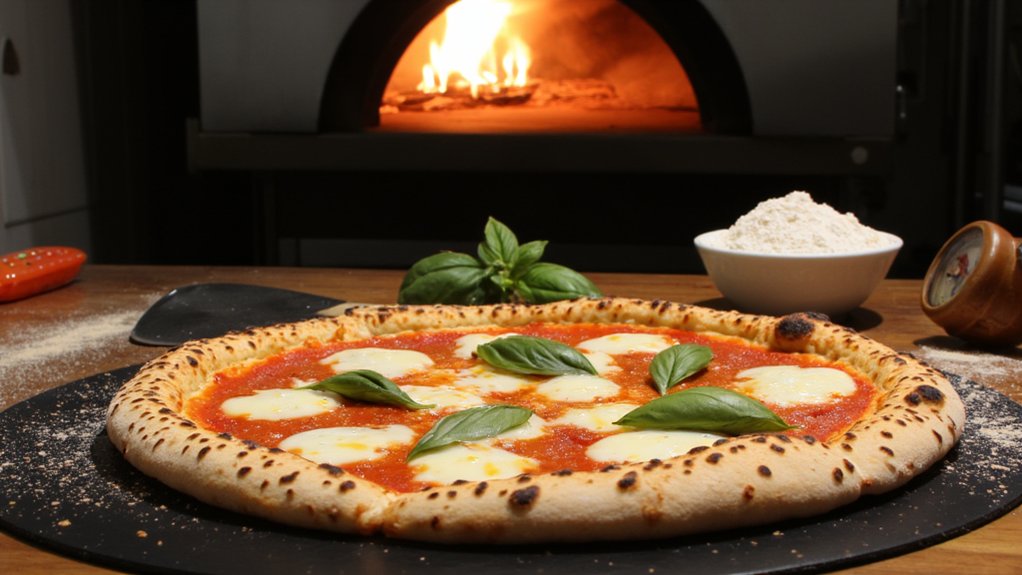
You’ve finally invested in that dream pizza oven, but something’s gone wrong—your crusts are charring faster than you can say “wood-fired.” The bottom’s burnt while the top’s barely cooked, and you’re wondering if you’ve already ruined your new toy. The good news? You haven’t. This frustrating problem’s got straightforward solutions, and they’re all within reach. Let’s figure out what’s actually happening inside that oven.
Key Takeaways
- Install temperature sensors and manage airflow to prevent hot spots that concentrate heat at the oven bottom.
- Position pizza stones correctly using a jig and rotate pizzas every minute to ensure even browning.
- Rotate pizzas halfway through cooking and use slightly cooler zones to avoid direct heat exposure on bottoms.
- Use bread flour with proper hydration levels and season stones with high-heat oil for better heat resistance.
- Maintain clean cooking surfaces and consider cast iron skillets for superior, even heat distribution across pizza bases.

Understanding Temperature Control in Your Pizza Oven
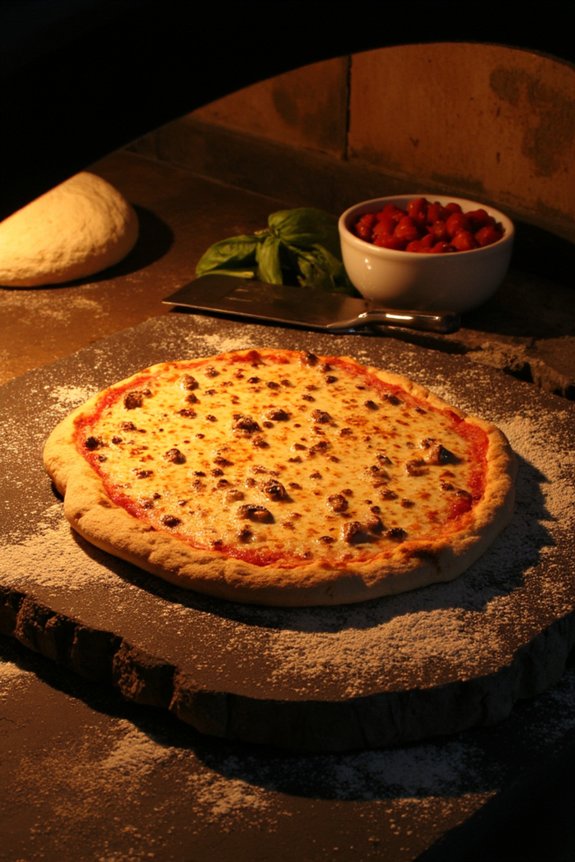
When your pizza oven’s bottom starts looking like a charcoal briquette, it’s usually a temperature control issue that’s gotten out of hand. The problem often comes down to two things: you’re not monitoring your heat properly, and your airflow management needs some serious attention.
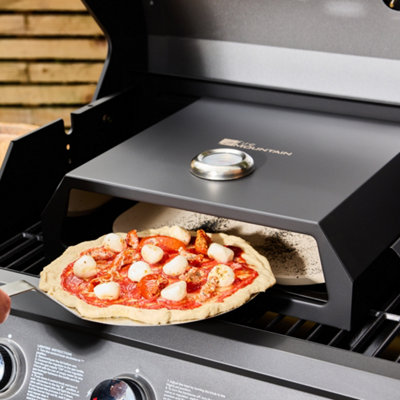
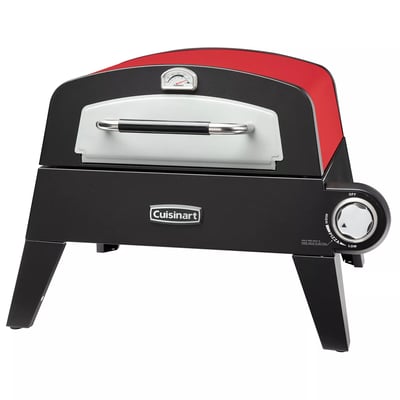
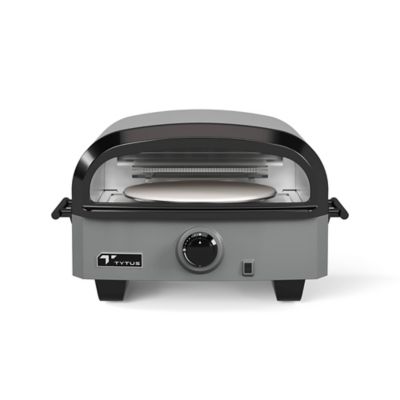
Here’s the thing—temperature sensors are your best friend. They’ll tell you exactly what’s happening inside that oven instead of you just guessing. Without ’em, you’re flying blind. Your airflow management determines how heat distributes throughout the cooking chamber, so if you’ve got hot spots concentrated at the bottom, you’re gonna scorch that pizza crust every single time. Learning to balance these elements means you’ll finally get that perfect, evenly baked pizza you’ve been craving. If you want to avoid burnt bottoms, consider ovens with dual heating elements for more precise browning control and even heat distribution.
Proper Stone Placement and Preparation Techniques
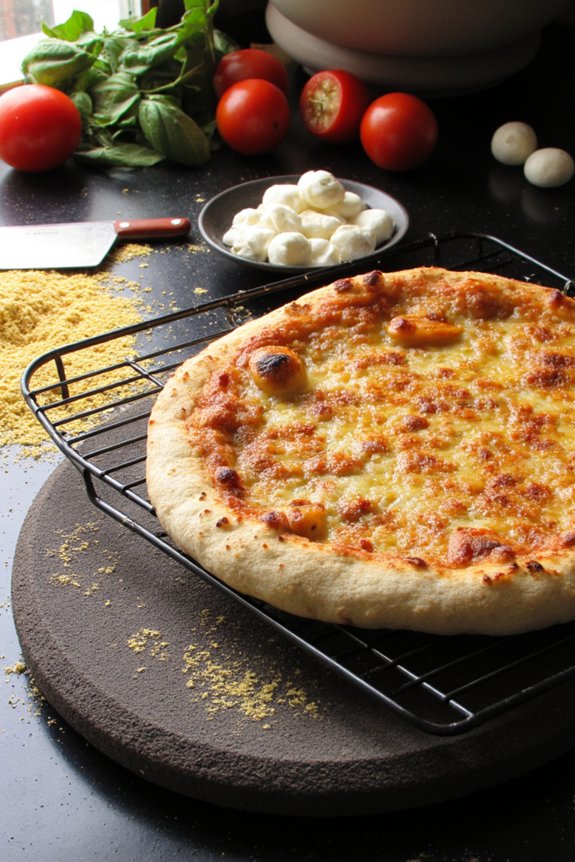
Now that you’ve got your temperature and airflow dialed in, it’s time to focus on where your pizza’s actually sitting—the stone itself. Your stone placement matters way more than you’d think for preventing those charred bottoms.
Here’s what’ll actually help:
- Use a placement jig to position your stone at the right height and distance from heat sources, ensuring even cooking all around
- Season your stone properly by rubbing it with high-heat oil and letting it cure through several pizza rounds, building a natural non-stick surface
- Rotate your stone occasionally so it wears evenly and doesn’t develop hot spots that’ll burn one side consistently
Getting these details right transforms your results. You’ll notice the difference immediately once that stone’s properly prepped and positioned. For optimal results, make sure your stone is compatible with your oven’s maximum temperature range, as some models can reach up to 1112°F for ultra-fast and even cooking.
Adjusting Cooking Time and Pizza Positioning
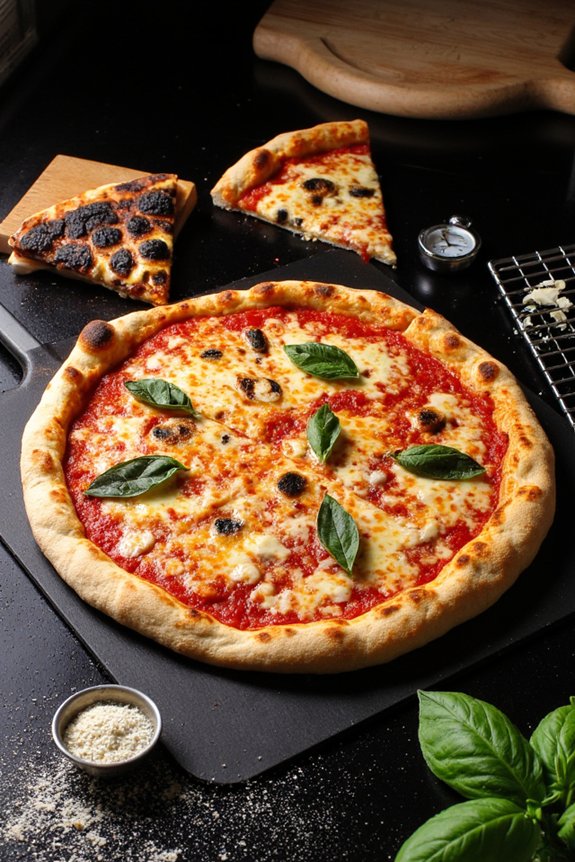
Getting your timing and pizza placement down is where the magic really starts to kick in. You’ve gotta understand that rotating pizza throughout cooking is non-negotiable. A quarter turn every minute or so prevents those stubborn burnt spots from forming on one side.
| Technique | Result |
|---|---|
| Rotating every 60 seconds | Even browning, minimal burning |
| Stationary placement | Uneven cooking, burnt bottoms |
| Edge insulation with flour | Reduced bottom char |
| No protective measures | Excessive browning |
Your pizza’s position matters too. Don’t plop it directly on the hottest part of your oven floor. Instead, aim for the slightly cooler zones where you can actually control the heat better. Edge insulation using flour creates a buffer, protecting vulnerable areas from intense direct heat. It’s like giving your pizza a little safety blanket while it cooks.
For best results, consider how heat distribution and performance play a crucial role in achieving a crispy crust without burning the bottom.
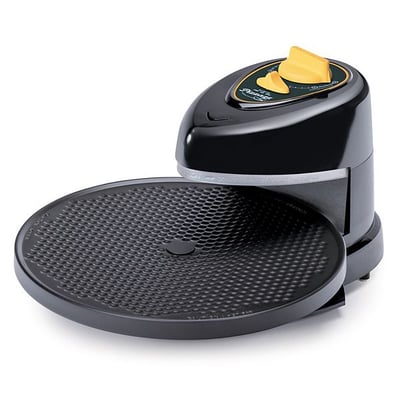

The Role of Oven Design and Heat Distribution
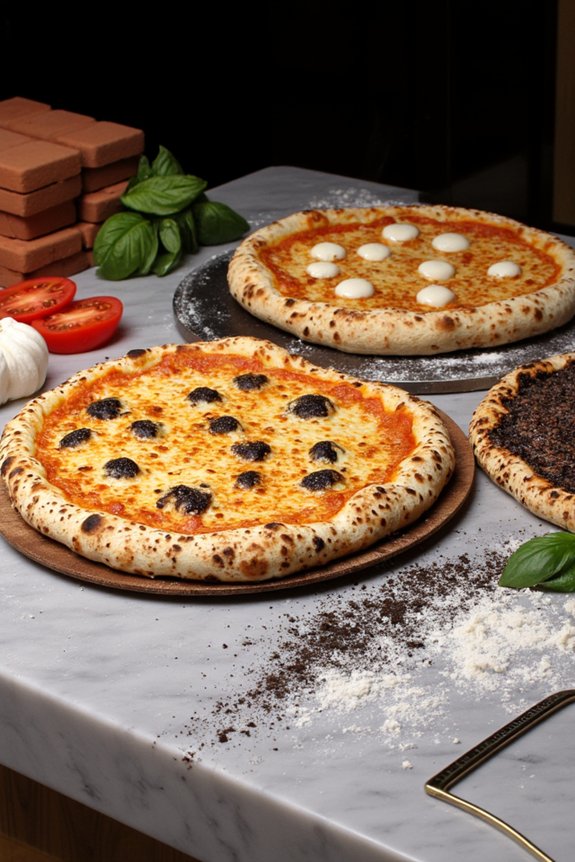
Since your pizza oven’s design basically determines how heat moves around in there, you’re either working with a natural advantage or fighting an uphill battle. Here’s what matters most:
- Airflow patterns – Your oven’s shape and chimney height control how hot air circulates, directly affecting whether your crust burns before the toppings cook
- Insulation materials – Quality insulation keeps heat where you want it, preventing hot spots that char your pizza’s bottom unevenly
- Floor thickness and material – Thicker, denser floors distribute heat more evenly, while thin floors create those pesky burnt spots
You can’t really change your oven’s fundamental design, but understanding these elements helps you work smarter. If your oven’s got poor airflow patterns or weak insulation, you’ll need to adjust positioning and timing more carefully to compensate. Just like with temperature precision and range in sous vide cookers, consistent and even heat is essential for achieving the perfect pizza without burnt bottoms.
Prevention Strategies for Consistently Perfect Crusts
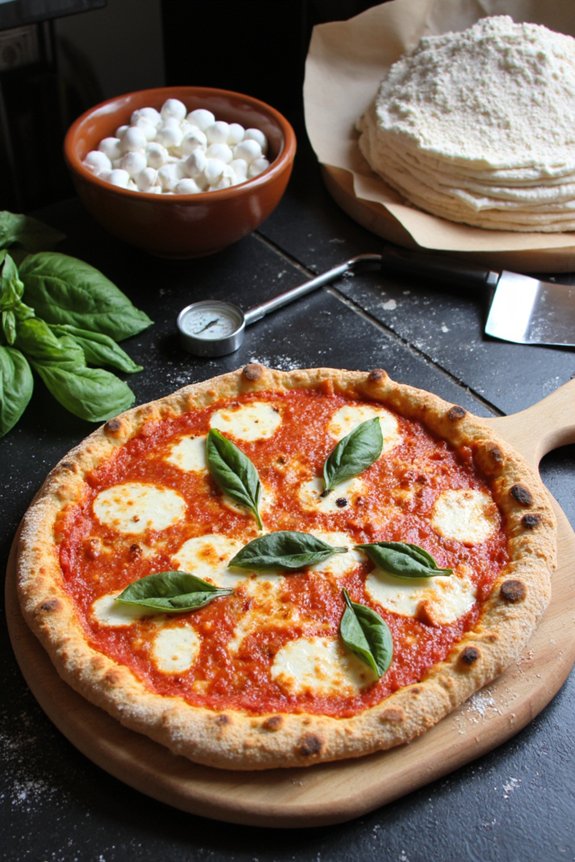
Once you’ve got a handle on your oven’s quirks, you can actually prevent most burnt bottoms before they happen. Start by paying attention to your dough hydration levels. Too much water makes dough stick and cook unevenly, while too little creates dense, quick-burning crusts. You’ll want that sweet spot in the middle.
Flour type matters more than you might think. Using bread flour instead of all-purpose gives you better structure and heat resistance. It’s like upgrading your pizza’s armor, honestly.
Rotate your pies halfway through cooking. Seriously, don’t just plop it down and forget about it. Your oven’s got hot spots, and moving things around guarantees even cooking. Keep your cooking surface clean too. Flour buildup burns fast and ruins everything.
For an extra edge, consider using a cast iron skillet for baking your pizza, as its excellent heat retention and even heat distribution help prevent burnt bottoms and deliver a perfectly crisp crust.
Frequently Asked Questions
How Often Should I Clean My Pizza Oven to Prevent Burnt Bottoms?
You should do weekly cleaning to remove ash buildup that causes burnt bottoms. Additionally, you’ll want to schedule monthly deep cleaning sessions to make certain your oven’s floor stays in peak condition for even cooking.
What Type of Wood Fuel Produces the Best Heat Distribution?
You’ll get the best heat distribution by burning oak hardwood, which provides consistent, long-lasting coals. Fruitwood mixes work well too, offering excellent heat while adding subtle flavor to your pizzas.
Can I Use a Pizza Oven Thermometer for Accurate Temperature Readings?
Yes, you can use a pizza oven thermometer for accurate readings. Choose one with infrared sensors for best results, and make sure proper probe calibration before each use. This’ll give you reliable temperature measurements.
How Does Humidity Affect Pizza Crust Browning and Burning Rates?
High humidity slows your crust’s browning because moisture evaporation takes longer. You’ll notice increased burning rates when dough hydration’s high, as excess water extends cooking time, risking bottom char before proper crust development.
Should I Season My Pizza Stone Before First Use?
Yes, you should season your pizza stone before first use. Apply a light oil coating to create a natural non-stick surface and allow flavor infusion from your cooking. This protects the stone and improves your pizza’s quality.
Conclusion
You’ve got this. Burnt bottoms aren’t your pizza oven’s destiny—they’re just a sign you need to tweak a few things. Control your temperature, rotate those pizzas, and keep your stone in good shape. It’s honestly not rocket science. With a little attention to heat distribution and proper technique, you’ll be pulling out perfectly golden crusts that’ll make you forget burnt pizza ever existed. Keep experimenting.