
You probably think darkened oil is just cosmetic, right? Wrong. Every time you reheat that fryer, you’re not just cooking your fries—you’re creating a chemical disaster. Antioxidants vanish, toxic compounds build up, and your oil degrades in ways you can’t see. The real question isn’t whether you should reuse oil. It’s how many times you actually can before things get seriously sketchy.
Key Takeaways
- Repeated heating creates toxic byproducts like aldehydes and acrylamide that accumulate with each reuse cycle.
- Smoke point decreases with every use, forcing lower cooking temperatures and degrading food quality over time.
- Safe reuse typically stops after three to four uses; beyond that, flavor contamination and instability increase significantly.
- Color darkening and off-odors are your only reliable signals to discard oil before health risks escalate.
- Equipment wear accelerates with degraded oil, making premature maintenance and replacement costs exceed savings from reuse.
The Molecular Breakdown: What Happens to Oil When You Heat It Repeatedly

Every time you plunge that basket of fries into hot oil, you’re actually triggering a chemical transformation that’d make a high school chemistry teacher nod approvingly. Here’s the thing: repeated heating causes fat polymerization, where oil molecules link together and create bigger, heavier compounds. It’s not pretty. Your oil darkens, thickens, and starts breaking down. That’s when acrylamide formation becomes a concern—a compound that forms when you’re cooking at high temperatures repeatedly. The more you reuse that oil, the faster this breakdown happens. You’ll notice your food tastes off, maybe a bit funky. The oil’s smoke point drops too, meaning it’ll burn easier next time. Eventually, you’re basically deep frying in degraded gunk that’s lost its culinary credibility. Using a removable oil filtration system can help slow this process by filtering out food particles and extending your oil’s life, but even the best systems can’t stop the inevitable molecular breakdown that comes from repeated heating.
Free Radicals and Toxic Compounds: The Hidden Dangers Accumulating in Your Fryer

Beyond the visible degradation happening in your oil, there’s a microscopic war going on that you can’t see but your body definitely can feel. When you keep reheating that same oil, you’re triggering antioxidant depletion, which basically means the oil loses its natural defense system. Without those protectors, free radicals start multiplying like crazy, damaging cells and causing inflammation in your body. Meanwhile, aldehyde formation kicks in, creating some seriously nasty compounds that aren’t meant to be anywhere near your food. These toxic byproducts accumulate with every batch of fries you cook, building up silently in that golden liquid. Your oil might still look fine, but it’s basically become a chemical cocktail. Pretty wild, right? That’s why fresh oil isn’t just about taste, it’s about what you’re actually putting inside yourself.
How the Smoke Point Deteriorates With Each Use

As you reuse that same oil over and over, something pretty important happens that most people don’t think about until their smoke alarm’s going off. Your oil’s smoke point—the temperature at which it starts burning and smoking—actually drops with every single use. This happens because of oxidation kinetics at work, breaking down the oil’s molecular structure bit by bit.
Each time you heat that oil, you’re speeding up smoke degradation. The thermal stability you started with gets worse, making it harder for your oil to handle high temperatures. You’ll notice flavor loss too, which means your fries taste a bit off compared to that first batch. Eventually, you’re frying at lower temperatures just to avoid smoke, and honestly, that’s when you know it’s really time to toss it. Just like with motor power and torque in juicers affecting performance, the quality and stability of your frying oil will determine how many times it can be reused before breaking down.

))/4028534.json)
The Real Cost of “Saving Money” on Oil Changes

While you might think you’re saving a few bucks by squeezing out another week or two from that same batch of oil, you’re actually setting yourself up for some serious hidden costs that’ll make your wallet cry. Sure, batch savings sound great initially. But here’s the thing: degraded oil damages your equipment faster than fresh oil ever would. Your fryer maintenance expenses skyrocket when you’re constantly replacing worn heating elements and dealing with buildup issues. Plus, food quality suffers, meaning customers leave unhappy. You’ll spend more on repairs and replacements than you’d ever save on oil changes. That cheap decision? It ends up costing you way more in the long run, trust me. In fact, just like with proper maintenance routines for electric smokers, neglecting regular oil changes in your fryer leads to more frequent breakdowns and a shorter overall lifespan for your equipment.
Signs Your Oil Has Crossed the Point of No Return

Your oil’s trying to tell you something, and you’d better listen before things get really messy. If you’re noticing odd odors wafting from your fryer, that’s your first red flag. We’re talking rancid, burnt, or just plain funky smells that make you wince. A color change is another major signal. Your oil shouldn’t look like dark motor oil or something you’d find at the bottom of a dumpster. When it goes from golden to murky brown or black, it’s done. The texture matters too. If your oil feels gritty, thick, or leaves residue on your food, you’ve waited too long. Your taste buds will thank you for tossing it. Don’t push it. Replace it now. If you ever notice oil leaving a sticky residue, that’s a clear sign its quality has broken down—just like when vacuum sealers warn you with changes in texture or smell.
Storage and Filtering: The Equipment Investment Nobody Mentions
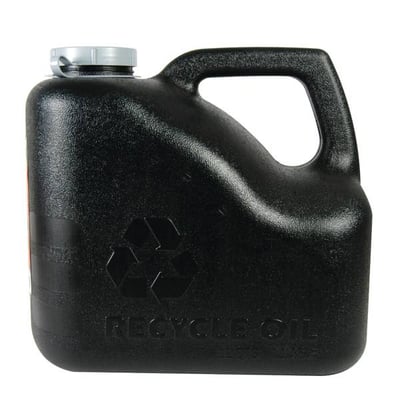
Once you’ve decided to keep reusing that oil instead of treating your fryer like a disposable convenience, you’ll need to invest in some basic equipment that’ll actually make this whole operation work. First up, grab yourself a vacuum filtering system. Yeah, it’s an investment, but it’ll extend your oil’s life considerably by removing those nasty food particles and burnt bits. You’ll also want a reusable can with a secure lid for storage between frying sessions. Keep it in a cool, dark spot away from direct sunlight. A fine mesh strainer or cheesecloth works too if you’re on a budget. These tools aren’t glamorous, but they’re honestly the difference between oil that lasts weeks and oil that turns into sludge in days. If you’re looking for more ways to make cleanup easier, consider removable, dishwasher-safe parts when choosing other kitchen appliances like griddles.
Health Risks Associated With Degraded Cooking Oil
All that effort you’re putting into filtering and storing your oil? Well, here’s the thing nobody wants to talk about—reused oil comes with some serious health baggage. When you keep reheating that same batch, you’re creating compounds your body really doesn’t want:
- Acrylamide formation happens when oils break down at high temps, and this stuff’s linked to potential nerve damage
- Endotoxin exposure increases as oil degrades, triggering inflammation and digestive issues
- Trans fats develop naturally through repeated heating cycles
Your oil darkens and thickens for a reason. Those changes signal chemical breakdown at the molecular level. You’re basically consuming the byproducts of thermal stress. Sure, filtering helps, but it can’t undo the damage already done. At some point, that savings isn’t worth what you’re putting into your body.
Environmental Consequences of Improper Oil Disposal
Negligence in deep fryer oil disposal might seem like a small thing, but it’s actually one of those habits that ripples outward into the environment in ways most people never consider. When you dump used fryer oil down the drain or into landfills, you’re creating a real problem. That oil coats waterways and causes marine pollution, suffocating aquatic life and disrupting ecosystems. It doesn’t break down quickly either. Soil contamination happens too when oil seeps into the ground, poisoning the dirt where plants grow and potentially affecting groundwater. Here’s the thing: it only takes a few gallons of improperly disposed oil to contaminate thousands of gallons of water. Your casual disposal choice becomes somebody else’s environmental nightmare. Proper disposal isn’t complicated though.


Professional Standards: What Commercial Kitchens Actually Do (And Why)
Commercial kitchens, though, they’ve got a whole different playbook when it comes to fryer oil. You won’t find them just winging it like some home cooks might. Here’s what actually happens behind those kitchen doors:
- Staff training and rotation schedules keep everything running smooth, ensuring someone knows exactly when oil’s past its prime
- Inventory tracking systems log every batch, so you’ve got a clear record of what’s been used and when
- Regulatory compliance requirements mean restaurants gotta follow health codes or face serious fines
Professional kitchens treat oil like the asset it is. They’re not being eco-warriors necessarily, but smart business sense kicks in. Fresh oil performs better, tastes better, and keeps customers happy. Plus, those health inspectors? They’re watching. So yeah, restaurants actually do things right.
When Reusing Oil Makes Sense—And When It Absolutely Doesn’t
Once you’ve filtered your oil and it’s looking relatively clear, you might be wondering if you can actually get some more mileage out of it. Here’s the thing: reuse etiquette matters. Reusing oil works best for neutral items like fries or donuts. But here’s where it gets tricky. Don’t reuse oil after frying fish or anything heavily seasoned, because taste transfer will haunt your next batch of food. Nobody wants fishy french fries.
Your oil’s breaking down each time you heat it. After three or four uses, you’re really pushing it. The oil darkens, becomes more unstable, and starts developing off-flavors that’ll mess with whatever you’re cooking next. When it smells funky or looks seriously brown, toss it. Your taste buds will thank you.
Frequently Asked Questions
Can I Mix Fresh Oil With Old Oil to Extend Its Usable Life?
You shouldn’t mix fresh oil with old oil through batch blending because you’re diluting quality oil with degraded oil containing polymer buildup, which accelerates deterioration of your entire batch and shortens overall usable life.
Does the Type of Food Fried Affect How Quickly Oil Degrades?
Yes, you’ll find that breaded coatings break down faster than plain foods, creating debris that degrades your oil quicker. Acidic batters accelerate oxidation, shortening your oil’s usable life noticeably compared to neutral-pH items.
What’s the Difference Between Filtering and Straining Used Fryer Oil?
You’ll find straining uses mesh sieving to catch larger food particles quickly, while paper filtration removes finer debris and extends your oil’s life. Paper filtration’s more thorough but takes longer.
Can Degraded Oil Be Repurposed for Non-Cooking Applications?
Yes, you can repurpose degraded oil for biofuel production or industrial lubricants. Your used fryer oil won’t work for cooking anymore, but it’s valuable for biodiesel manufacturing or as a base for machinery lubricants.
How Do I Know if My Fryer’s Oil Is Safe Without Testing?
You can’t know your fryer’s oil’s safety without testing. Watch for a smoke warning—if it smokes below normal temperatures, it’s degraded. Perform an odor check; rancid or off smells indicate it’s unsafe for cooking.
Conclusion
Look, you can reuse your fryer oil, but don’t push it. Three or four cycles max before you’re basically cooking in a chemistry experiment gone wrong. Your wallet might save a few bucks, but your health and your fryer’s lifespan? They’ll thank you for fresh oil. Filter it, store it cool and dark, and know when to quit. Your taste buds will notice the difference.


