
When you fire up a turkey fryer, everyone warns you about flames, but what nobody really talks about is how sneaky the hot oil itself can be. It doesn’t heat evenly, it hides cold spots, and if your bird’s even a little icy or wet, that oil can explode like it’s mad at you. Add in wobbly stands, sketchy thermometers, and too much oil, and you’ve basically built a deep-fried disaster kit, so here’s what you’re not being told…
Key Takeaways
- Oil doesn’t heat evenly; stratification makes single thermometer readings misleading, so stir gently and check temperature in several spots before lowering the turkey.
- Even “mostly thawed” or slightly wet turkeys can erupt oil; ensure it’s fully thawed inside, cavities empty, and skin thoroughly patted dry.
- Do a cold-water displacement test in the empty pot first, then fill hot oil several inches below that mark to prevent dangerous boil-over.
- Your fryer setup matters as much as the recipe: use a stable stand outdoors, away from structures, with a Class K or multipurpose extinguisher within reach.
- The real emergency plan starts before cooking: practice shutting off gas quickly, and know to cool burns with water—not ice—and never use water on oil fires.
Understanding How Hot Oil Really Behaves

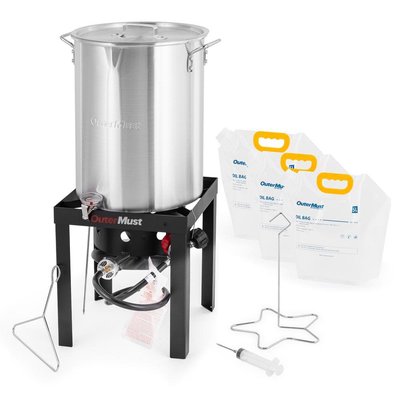
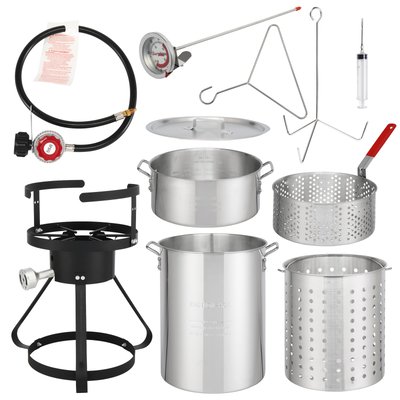
Even though it just looks like a shiny pot full of oil, a turkey fryer is really more like a mini science experiment waiting to happen, and not always the good kind. You’re not just heating oil, you’re managing how that heat moves. That’s thermal convection. Hot oil near the burner rises, cooler oil sinks, and the whole pot slowly churns like a lazy lava lamp.
Here’s the sneaky part. Oil stratification means different layers can sit at different temperatures, so the top may seem calm while the bottom’s way hotter than you think. Your thermometer lies a little if it’s only in one spot. So you’ve gotta stir carefully, heat slowly, and keep checking temps in a few places, not just once and hope. For safer frying, it’s important to understand how heat output and power can affect oil temperature and overall cooking safety.
The Hidden Dangers of Frozen or Wet Turkeys

Frozen or wet turkeys are where turkey fryers really go off the rails, turning a fun backyard cookout into a “call the fire department” kind of situation. When a frozen bird hits hot oil, all that ice flashes into steam, and the oil erupts in what folks like to call frozen explosions. It’s not drama, it’s physics.
Moisture hazards are just as sneaky. Even a “mostly thawed” turkey with pockets of ice or a wet cavity can make the oil bubble up, spill over the sides, and catch fire in seconds. You think it’s fine, then suddenly it’s not fine at all. So the rule’s simple: turkey completely thawed, inside and out, patted dry like you actually mean it.
For safer outdoor cooking, consistent temperature control is crucial to prevent sudden oil reactions and potential hazards.
Choosing a Safe Location for Your Fryer Setup

So you’ve got a fully thawed, nice and dry turkey ready to go, but now comes the part that decides whether this is a tasty feast or a YouTube fail video: where you actually set up the fryer. Backyard placement matters more than people think. Put the fryer on flat, solid ground, not on a wooden deck or wobbly patio stones, and keep it far from the house, the garage, the grill, and anything that can burn.
Think about wind considerations too. A strong gust can push flames sideways, blow heat toward siding, or knock over a flimsy setup. Face the burner so wind’s not blasting the flame out. Keep kids, pets, and curious uncles well outside a clear “no-go” zone.
Many experts recommend maintaining at least three feet of clearance on all sides of the fryer to reduce fire risks and allow for safe movement around your cooking area.

Oil Level, Displacement, and Preventing Boil-Overs

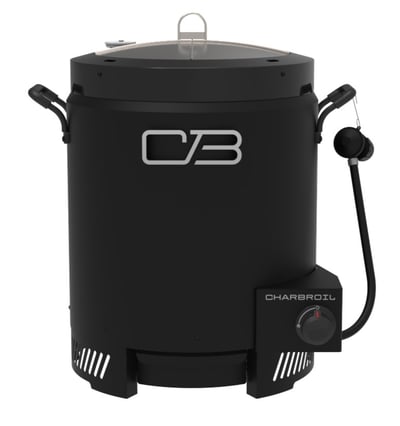
Now that your fryer’s in a safe spot, you’ve got to figure out how much oil to use so it doesn’t come spilling out like a greasy volcano. You’ll need to account for how much space the turkey takes up in the pot, because once that bird goes in, the oil level jumps fast. Let’s walk through how to set the right oil level, allow for turkey displacement, and keep dangerous boil-overs from turning your holiday into a fire drill. Many modern fryers include clear temperature markings to help you fill and cook safely, but always double-check the manufacturer’s guidelines for maximum fill lines and safe operation.
Calculating Proper Oil Level
Before you even think about lighting the burner, you’ve gotta figure out how much oil your fryer really needs, because guessing here is how boil-overs, fires, and ruined turkeys happen. You’re aiming for safe oil depth, not “fill it till it looks right” chaos. The trick is understanding weight displacement so the oil doesn’t surge over the rim the second that bird goes in.
Here’s a simple, no-drama way to dial it in:
- Check your fryer’s max-fill line, never go past it
- Use water and the empty pot first to see how much volume you’ll really need
- Dry everything fully before adding oil, no shortcuts
- Leave several inches of space between oil and top edge
- Re-check oil level after preheating, adjust if needed
For best results, remember that proper capacity and real-world portion sizes matter just as much for fryers as they do for steamers—giving yourself extra room is a key part of avoiding dangerous boil-overs.
Allowing for Turkey Displacement
Turkey displacement is just a fancy way of saying, “that bird’s gonna make the oil rise, a lot,” and if you don’t plan for it, you’re basically inviting a boiling hot geyser to your cookout. When you lower a turkey into hot oil, it shoves that oil out of the way, which is turkey displacement in action.
You need enough fryer clearance so the oil can rise without coming anywhere near the top. Think of it like leaving headroom in a crowded elevator. If the pot’s almost full before the turkey goes in, you’re asking for a spill. So after you’ve figured out your oil level, double check that gap at the top, and if it feels sketchy, it is. Take some oil out.
Preventing Dangerous Oil Boil-Overs
Nothing kills the holiday mood faster than a boiling wall of oil shooting out of your fryer like Old Faithful. To avoid that oil eruption, you’ve got to respect basic fryer dynamics and oil level, even if you’ve fried a turkey a dozen times before. Every bird is different. Every pot behaves a bit different too.
Here’s how you keep things calm instead of volcanic:
- Fill with water first to test turkey displacement, then mark that line.
- Dry the pot and bird completely before adding oil to the mark.
- Leave extra space for bubbling when moisture hits hot oil.
- Lower the turkey slowly, pausing if the oil climbs too fast.
- Kill the burner instantly if the oil starts racing toward the top.
Equipment Checks Most People Skip

Even if you’re pretty careful, there are a few gear checks that almost nobody remembers to do, and they’re the ones that most often come back to bite you. You glance at the burner, the pot looks fine, and you’re like, “Yeah, we’re good.” Not quite.
You’ll want to peek at the pressure gauge on your propane tank, making sure it isn’t cracked, fogged, or stuck. If it can’t read right, it can’t keep you safe. Same with a quick ventilation check if you’re near a wall or under a carport, smoke and fumes need a clean exit route.
| Check | Why It Matters |
|---|---|
| Hose cracks | Prevent leaks |
| Loose fittings | Stop flare-ups |
| Regulator wear | Keep flame steady |
| Rusty stand | Avoid collapse |
| Greasy handles | Better grip |
Managing Temperature Without Guesswork
You’ve checked the gear and nothing’s leaking or wobbling, so now it’s time to deal with the part that actually starts fires and ruins birds: the heat. Don’t trust guesses or “looks about right” when you’re dealing with a pot of boiling oil. You want steady, predictable temperature, not wild swings.
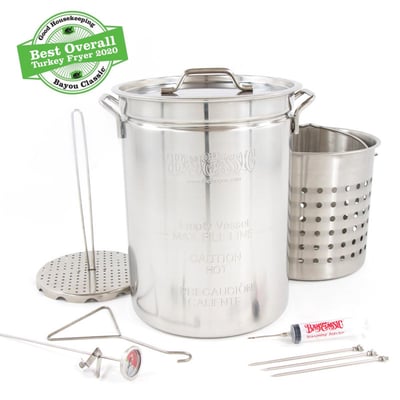
Use precision thermometers to track oil temp, and keep the probe in the oil, not clinging to the side. Digital controllers can help keep the burner from blasting full power all the time, so you’re not chasing temps.
- Clip-on precision thermometers for constant readings
- A backup thermometer, because cheap ones lie
- Digital controllers that regulate burner output
- A written target temp range, taped nearby
- A “no more heat” rule if the temp climbs too fast
Clothing, Gear, and Burn Protection Essentials
Before you fire up that burner, it’s worth thinking about what you’re wearing, because a turkey fryer doesn’t care how “careful” you are if hot oil hits bare skin. Skip the T‑shirt and shorts. Go with long sleeves, long pants, and closed‑toe shoes. If you’ve got flame resistant clothing, this is its moment to shine.
Avoid loose, dangly stuff that can catch or dip toward the pot. Tie back long hair. Ditch scarves, frayed hoodies, and anything flowy.
Your hands need real protection, not a thin kitchen mitt. Use thermal insulating gloves that cover your wrists and give you a good grip, since hot, greasy metal is crazy slippery and it only takes one “whoops” to wreck Thanksgiving.
Safe Practices During the Fry and Pulling the Bird
Once the bird’s in and the oil’s bubbling away, the real game is staying calm and doing a whole lot of “don’t touch that” with your eyes and hands. You’re babysitting hot oil now, so stay planted near the fryer, no wandering off to chat with the yard crowd. Keep kids and curious uncles back, and stick to a simple timing checklist, so you’re not guessing and poking at the bird every two minutes.
- Keep a clear 3–5 foot safety zone around the fryer
- Hold the lifter firmly, pull the turkey up s-l-o-w-l-y
- Let the bird drain over the pot before you move it
- Turn off the burner before walking away with the turkey
- Rest the turkey on a tray, then admire your masterpiece
What to Do When Something Goes Wrong
Even when you’re careful, stuff can still go sideways, so it helps to know exactly what to do if flames pop up or hot oil goes where it shouldn’t. You’ll want a simple game plan for putting out a fryer fire fast, treating oil burns the right way, and knowing when it’s time to stop playing hero and call in the pros. Let’s walk through those “uh-oh” moments so you’re ready if things get sketchy.
Immediate Fire Response Steps
If things suddenly go sideways and that turkey fryer starts flaring up, you’ve got to move fast but not freak out. First move is rapid suppression, not heroics. Kill the burner by shutting off the gas or unplugging the unit, then step back. Never throw water on it, unless you enjoy fireballs in your face, which you don’t.
Use a Class K or multipurpose extinguisher if the flames are growing, aiming low at the base. If you can’t control it in seconds, it’s time for your evacuation protocol and a call to 911.
- Turn off burner power or gas
- Keep kids and pets far back
- Use a proper fire extinguisher
- Back away if flames keep growing
- Call 911 and wait safely outside
Handling Oil Burns Safely
Getting burned by hot oil is one of those “welp, that escalated quickly” moments, and it’s easy to panic, but what you do in the first minute really matters. First, kill the heat and move away from any oil splatter. Don’t peel off stuck clothing, just cut around it if you can.
Start wound cooling with cool, gentle running water for 15 to 20 minutes, and skip ice, butter, or random kitchen “remedies.”
| Step | What You Do | Why It Helps |
|---|---|---|
| 1 | Cool with water | Limits skin damage |
| 2 | Remove loose jewelry | Area may swell |
| 3 | Cover with clean wrap | Protects the burn |
| 4 | Start scar management | Supports scar prevention |
Finish by keeping it clean, dry, and loosely covered while it heals.
When to Call Professionals
You’ve got the basics for handling burns, but sometimes a situation’s bigger than what you can safely manage with a faucet and a roll of gauze. That’s when it’s time to call in people who do this stuff for a living, not just folks who watched the same YouTube video you did.
If there’s fire, leaking gas, or someone’s really hurt, don’t wait, just call emergency services and let them sort it out. If your fryer’s damaged or you’ve got oil on wiring, bring in licensed contractors, not your cousin who “knows a guy.”
- Call 911 for big burns or trouble breathing
- Report any fire, even small ones
- Evacuate if there’s gas smell
- Don’t re-light anything
- Schedule repairs afterward
Frequently Asked Questions
Can I Safely Reuse Turkey Fryer Oil, and How Many Times?
You can reuse turkey fryer oil 2–3 times if it’s filtered and cooled properly. Watch oil quality, avoid flavor transfer, and discard if the smoke point drops, it darkens, smells off, or threatens food safety.
How Do I Dispose of Used Frying Oil in an Eco-Friendly Way?
You pour cooled oil into a sealed container, then use local community collection programs or recycling centers. Don’t exceed safe reuse limits; once it smells rancid or smokes too much, retire it from cooking and recycle.
Are Electric Turkey Fryers Meaningfully Safer Than Propane Models?
They’re generally safer, but you’re still dealing with scalding oil. You avoid propane flare‑ups, yet face electrical hazards, tip‑over risks, and thermal runoff. You’ve still got to monitor temperature, keep kids away, and never overfill.
What Insurance Issues Arise if a Turkey Fryer Causes a Fire?
You’ll face major liability exposure, especially if negligence’s alleged. Insurers scrutinize policy exclusions and homeowner responsibility, potentially reducing coverage, raising premiums, or triggering claim denial. Document safety steps, notify your insurer immediately, and review endorsements for fire or equipment-related losses.
How Does Altitude or Cold Weather Affect Turkey Frying Safety?
You’ll see faster oil boil at high altitude because of lower boiling points, but cold weather makes propane sluggish and causes slower ignition. You’ll overcompensate—overfilling or overheating oil—boosting splatter, flare-up, and tip-over risks.
Conclusion
So now you know the real turkey fryer secrets, not just the “don’t burn the house down” stuff. You’re watching the oil, the setup, the bird, and your gear. That’s how you keep things safe and still have fun. Take a few extra minutes to test displacement, double-check temps, and dry that turkey like it owes you money. Do that, and you’ll serve crispy perfection, not a backyard disaster story.


