
Your portable induction cooktop’s sudden shutdowns are frustrating, especially when you’re mid-cook. There’s usually a straightforward reason behind it—whether it’s your pan not playing nice with the magnetic sensor, your electrical circuit getting overwhelmed, or the unit overheating and hitting the panic button. The good news? Most of these issues are totally fixable. Let’s figure out what’s actually going wrong with yours.
Key Takeaways
- Incompatible or improperly centered cookware fails to trigger magnetic detection, causing automatic safety shutoffs.
- Blocked ventilation and dust buildup in vents obstruct airflow, triggering thermal overload protection shutdowns.
- Worn sensors or loose electrical connections create inconsistent magnetic field detection and intermittent shutdowns.
- Low voltage from overloaded circuits or power fluctuations interrupt cooktop operation during cooking.
- Auto-shutoff timer expires after 30 minutes to 3 hours; check manual to adjust or disable.

Incompatible Cookware Type

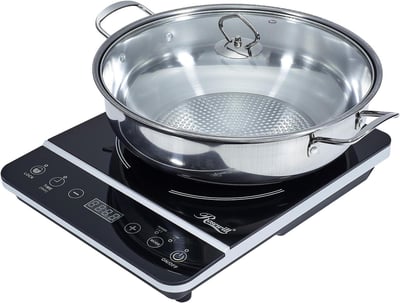
One of the most common culprits behind your portable induction cooktop constantly shutting off is using cookware that just isn’t compatible with the technology. Induction cooktops require magnetic cookware to function properly. If you’re using regular stainless steel pots or aluminum pans, they won’t work. Your cooktop literally can’t detect them, so it shuts down automatically as a safety feature.
Here’s the thing: not all cookware is created equal. You’ll need pots and pans with induction compatibility specifically. Check the bottom of your cookware for a magnetic symbol or test it with a magnet yourself. If the magnet sticks, you’re good to go. If it doesn’t, that’s your problem right there. Upgrading to magnetic cookware solves this issue quick and easy. Many induction cooktops require magnetic cookware with a minimum size—for example, at least 4.7 inches for some models—to ensure the sensor detects the pan and the cooktop operates correctly.
Insufficient Power Supply
Here’s what might be happening:
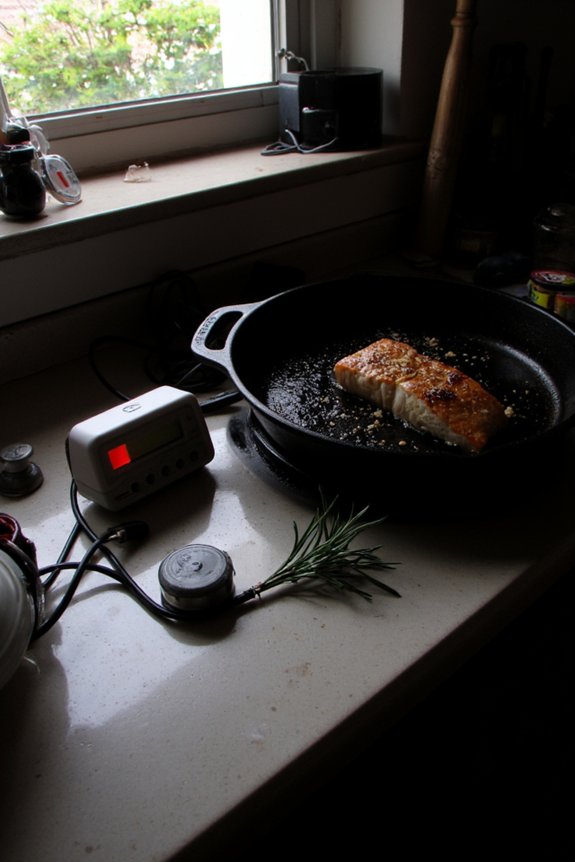
- Low voltage from an overloaded circuit
- Power fluctuations caused by other appliances running simultaneously
- Faulty outlet wiring that’s not providing stable current
- Undersized electrical panel unable to handle the cooktop’s demands
Check if you’re plugging multiple high-wattage devices into the same circuit. That’s basically asking for trouble. If your cooktop keeps cutting out, try using a dedicated outlet. Sometimes it’s that simple. You’ll know you’ve nailed it when your cooktop stops playing dead. If you want to avoid similar issues with other appliances, look for features like automatic shut-off and boil-dry protection commonly found in modern electric kettles, as these can prevent damage and signal when your power supply is insufficient.
Overheating Protection Activated

Your cooktop’s probably shutting down because it’s getting too hot, and that’s where things get tricky since two main culprits could be causing the issue. Temperature sensors can go wonky and tell your cooktop it’s overheating when it’s actually running just fine, while a blocked ventilation area might be genuinely trapping heat and triggering that protective shutdown—kind of like your device’s way of saying “hey, I need to breathe here.” For appliances like electric pressure cookers, overheat protection is a standard safety feature designed to prevent damage and keep users safe when temperatures climb too high.


Temperature Sensors Malfunction
When your induction cooktop keeps shutting off unexpectedly, there’s a decent chance the temperature sensors are acting up and triggering the built-in overheating protection—basically, your cooktop’s way of throwing in the towel before things get too toasty.
Temperature sensors can misfire for several reasons. Sensor drift occurs when the readings become less accurate over time, causing your cooktop to think it’s hotter than it actually is. Thermal hysteresis happens when the sensor’s response lags, creating inconsistent temperature readings.
Here’s what might be happening:
- Dust buildup on sensor components
- Faulty wiring connections beneath the surface
- Calibration errors from manufacturing defects
- Age-related sensor degradation
If you’re having similar issues with temperature sensors malfunction in other appliances, such as countertop ice makers, regular maintenance and cleaning cycles are often recommended to prevent sensor-related problems. You’ll want to check if your cooktop’s warranty covers sensor replacement, because fixing this yourself isn’t really recommended.
Ventilation Blockage Issues
Blocking the air vents on your induction cooktop is like covering a runner’s mouth during a marathon—it’s not going to end well. Your cooktop needs to breathe, and when you don’t let it, things get hot. Literally.
| Issue | Solution |
|---|---|
| Dust buildup around vents | Wipe down regularly with soft cloth |
| Objects covering cooling vents | Clear away items immediately |
| Airflow obstruction from grease | Use degreaser on vent areas |
| Blocked fan opening | Check underneath for debris |
When your cooktop detects an airflow obstruction, it’ll shut down to protect itself from overheating. You’ll be left wondering why your cooking session ended abruptly. Keep those cooling vents clear and unobstructed. It’s honestly the easiest fix you can do, and it’ll save you tons of frustration down the road.
Just as with airflow obstruction, proper ventilation is crucial for many countertop appliances—like convection toaster ovens—to prevent overheating and maintain performance.
Cookware Size Limitations
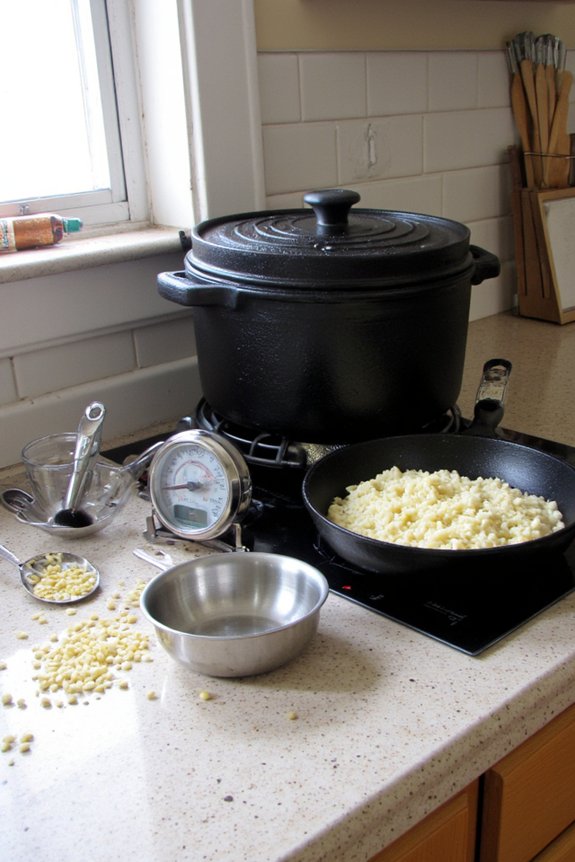
Most portable induction cooktops have a minimum and maximum cookware size they’ll work with, and this is actually one of the sneakier reasons your cooktop keeps shutting off.
Here’s the deal with size limitations:
- Small pots don’t cover enough of the cooking surface to trigger the cooktop’s sensor properly
- Oversized pans extend beyond the induction coil’s detection zone, causing connection issues
- The cooktop’s safety feature automatically shuts down if it can’t recognize your cookware
- Most units work best with 4 to 10-inch diameter cookware for peak performance
You’re basically playing Goldilocks with your pans. Too small? Your cooktop thinks nothing’s there. Too big? It gets confused and gives up. Check your manual for the exact measurements your model requires, because that weird shutoff problem might just be your cookware throwing a fit.
Flat Surface Requirements Not Met

If your cookware’s bottom surface isn’t perfectly flat, you’re basically asking your induction cooktop to do an impossible job. Those little bumps, warps, or curved spots mean the coil can’t make proper contact with the pan, so your cooktop shuts itself off as a safety measure because it thinks somethings’ wrong. You’ll want to run your hand across your pan’s underside and check it against a flat surface, since even slight irregularities can mess with the whole cooking experience.
Cookware Bottom Surface Irregularities
Warped, dented, or curved cookware bottoms rank right up there with dead batteries as one of the most annoying culprits behind your portable induction cooktop randomly shutting off. When your cookware’s bottom surface isn’t perfectly flat, you’re basically playing a frustrating game of keep-away with your induction cooker.
Here’s what’s going wrong:
- Warped bottoms create air gaps between your pan and the cooktop surface
- Uneven coating prevents proper magnetic contact from establishing
- Dented areas disrupt the heat distribution and electromagnetic connection
- Curved edges cause intermittent contact, triggering safety shutoffs
Your induction cooktop’s actually pretty smart, really. It shuts down when it can’t detect consistent contact with your cookware because it’s designed to protect you. Check your pan’s bottom under light, and if it’s not sitting flat, it’s time for new cookware that’ll play nice with your cooktop.

Cooktop Coil Contact Issues
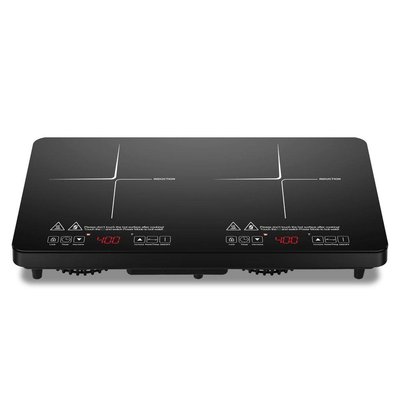
Beyond the obvious warping issues we just covered, your cooktop’s coil needs to actually touch your cookware to do its job, and that’s where things get finicky. Even if your pan’s bottom looks flat to the naked eye, loose connections between the coil and your cookware can interrupt the magnetic field. This causes your cooktop to shut off thinking somethings wrong, when really it’s just a contact problem. Over time, worn contacts develop from repeated heating and cooling cycles. They get corroded or simply lose their grip. You might notice the connection feels inconsistent or the cooktop behaves randomly. Check that your cookware sits flush and centered on the coil. Sometimes just repositioning the pan fixes everything right away.
Timer or Auto-Shutoff Feature Engaged
Many portable induction cooktops come equipped with a built-in timer or auto-shutoff feature, and honestly, it’s one of those things you might forget about until your cooking session suddenly cuts short.
Most cooktops have this safety timer to prevent accidents and overheating. Here’s what you should know:
- Default time limits typically range from 30 minutes to 3 hours depending on your model
- The auto shutoff activates without warning once the timer expires, interrupting your meal prep
- Some cooktops reset the safety timer after each use, while others remember previous settings
- You can usually adjust or disable the timer through your cooktop’s control panel
Check your manual for specific instructions. If you’re constantly battling unexpected shutdowns, you’ve probably got this feature running in the background. Simply reviewing your timer settings before cooking can save you from frustration.
Electrical Circuit Overload
| Problem | Solution |
|---|---|
| Circuit tripping repeatedly | Use a dedicated outlet |
| Breaker capacity exceeded | Reduce simultaneous appliances |
| Overheating wires | Give circuit a break |
Here’s the thing: induction cooktops are power hogs. They demand serious electrical muscle. When you’re running your microwave, dishwasher, and cooktop simultaneously, circuit tripping becomes inevitable. It’s your home’s safety mechanism kicking in, preventing potential fires. The fix? Either upgrade your electrical panel or stop multitasking so hard in the kitchen.
Magnetic Field Detection Issues
So you’ve got your electrical situation under control, but your cooktop’s still shutting off randomly?
Here’s the thing: your induction cooktop’s got a pretty sophisticated magnetic detection system, and sometimes it gets confused. When that happens, you’re dealing with magnetic field detection issues that’ll drive you nuts.
- Cookware material matters, because non-magnetic pots and pans won’t trigger the cooktop’s sensor properly
- Metal objects nearby can cause magnetic interference, throwing off the detection completely
- Field alignment gets wonky when you’re not centering your cookware correctly on the burner
- Worn-out sensors might struggle to recognize compatible cookware consistently
Make sure you’re using ferromagnetic cookware and keeping random metal stuff away from your cooktop. Center everything properly, and you’ll likely notice fewer shutdowns happening during your cooking adventures.
Ventilation and Cooling Problems
Your induction cooktop relies on pretty solid ventilation to keep its internal components from overheating, and when that system gets clogged or blocked, you’re setting yourself up for automatic shutdowns. Think of it like your cooktop’s lungs—they need to breathe.
| Problem | Solution |
|---|---|
| Dust buildup | Clean vents weekly |
| Blocked airflow | Remove obstructions |
| Faulty fan | Replace fan unit |
| Poor placement | make certain 4-inch clearance |
| Thermal overload | Let unit cool down |
Fan maintenance isn’t complicated, honestly. Just wipe down those vents regularly and make sure nothing’s blocking airflow design around your cooktop. A clogged fan works harder, generates more heat, and triggers that annoying shutdown feature as a safety measure. Keep your cooktop in an open space with decent air circulation, and you’ll avoid most cooling headaches.
Frequently Asked Questions
How Long Does a Portable Induction Cooktop Typically Last Before Needing Replacement?
Your portable induction cooktop’s typical lifespan is 5-10 years with proper care. You’ll notice replacement signs like frequent shutdowns, uneven heating, or control panel malfunctions indicating it’s time for a new unit.
Can I Use My Portable Induction Cooktop at High Altitudes Without Issues?
You can use your portable induction cooktop at high altitudes, but you’ll need to make boiling adjustments for altitude cooking. Lower air pressure means water boils at lower temperatures, so you’ll need extended cooking times for certain foods.
Does Humidity or Moisture Affect Portable Induction Cooktop Performance and Safety?
Yes, humidity effects and moisture hazards notably impact your portable induction cooktop. You’ll experience performance issues and safety risks like electrical damage when moisture enters ventilation ports. You shouldn’t use it in damp environments.
What Warranty Coverage Do Most Portable Induction Cooktop Manufacturers Offer?
Most manufacturers offer limited warranties covering defects for one to three years. You’ll find extended plans available for purchase, providing additional protection beyond the standard coverage period.
Are Portable Induction Cooktops Safe to Use Around Pacemakers or Medical Devices?
You shouldn’t use portable induction cooktops near pacemakers due to potential pacemaker interference. Consult your doctor about medical compatibility before operating one if you’ve got implanted devices.
Conclusion
So here’s the thing—your induction cooktop’s shutting off because it’s basically picky about what you’re cooking with. You’ve gotta use magnetic cookware that’s flat, properly sized, and actually centered on the burner. Make sure your electrical setup can handle it, keep those vents clear, and don’t stack too many appliances on the same circuit. Once you nail these basics, you’re golden.