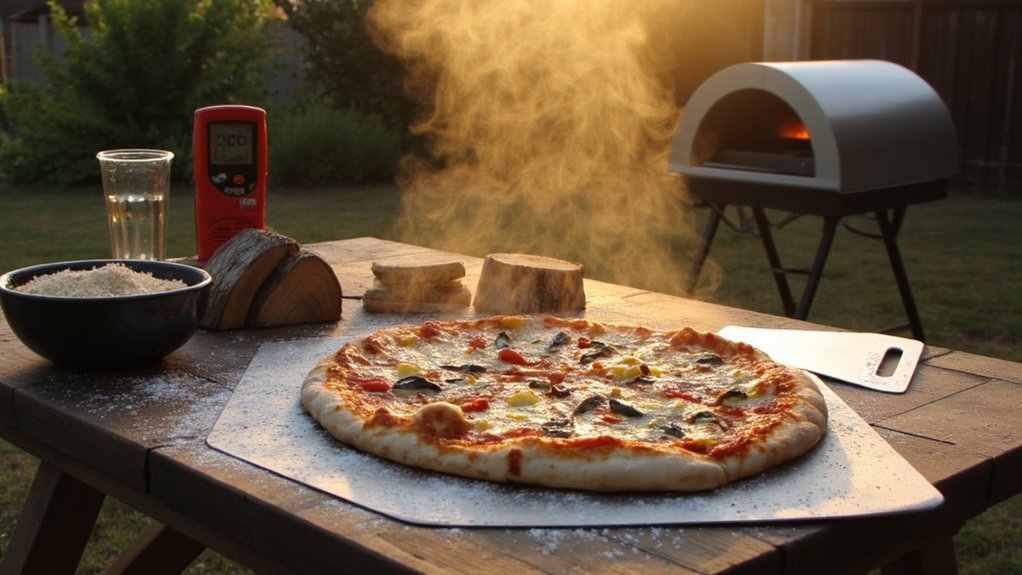
So your portable pizza oven’s gone lukewarm on you. Frustrating, right? You’ve got your dough ready, your toppings prepped, and the thing’s barely hitting temperature. It’s probably not just one thing going wrong, either. Could be your insulation’s thinner than you’d hoped, or maybe heat’s sneaking out through cracks you didn’t know existed. Then there’s the fuel situation, the weather playing tricks, even how you’re stacking your wood. But here’s the thing—most of these issues have pretty straightforward fixes.
Key Takeaways
- Thin walls and minimal insulation reduce heat retention; upgrade to thicker ceramic or refractory materials for better performance.
- Door and frame gaps from warping or worn gaskets allow heat escape; inspect seals and replace deteriorated components regularly.
- Wet or poorly seasoned wood wastes energy drying; use kiln-dried hardwood with moisture content below 20% for efficient burning.
- Inadequate preheating prevents thermal mass buildup in dome and floor; allow one to two hours for proper heat distribution.
- Built-up ash and debris insulate oven surfaces, stealing heat; sweep floor and dome regularly after several cooking sessions.
Poor Insulation and Thermal Design Flaws
If your portable pizza oven’s losing heat faster than you can say “margherita,” you’re probably looking at a classic insulation problem. Here’s the thing: most portable ovens skimp on insulation materials to keep weight down, and that’s where trouble starts. Thin walls just don’t cut it when you’re trying to maintain those pizza-cooking temperatures.
Then there’s thermal bridges—those sneaky weak spots where heat escapes like water through a sieve. They happen where different materials meet, especially around metal supports and seams. Your oven might have gaps between the dome and base, or poorly sealed joints that let warmth slip right through.
The fix? Look for ovens with thicker ceramic or refractory materials. Better insulation means you’ll actually keep that heat where it belongs: cooking your pizza, not heating the neighborhood.
If you’re shopping for a new oven, pay attention to material durability and insulation features, since quality stainless steel and thicker insulation can greatly improve heat retention and overall performance.
Air Leaks and Gaps in the Oven Structure
Beyond those sneaky thermal bridges, there’s another culprit working against you: air leaks and gaps that let heat escape while cold air sneaks in. Your oven’s seal integrity is absolutely essential. Check around the door where it meets the frame, because even tiny gaps’ll rob you of precious heat. Over time, frame warping happens as materials expand and contract from temperature swings, creating openings you might not even notice. A worn gasket replacement is often the quick fix you need. Those rubber seals deteriorate, and suddenly you’re fighting a losing battle to maintain temperature. Inspect every seam carefully. Look for visible cracks or light peeking through. Plug those gaps with high-temp sealant or replace damaged gaskets, and you’ll feel a real difference in your oven’s performance pretty quick. Even top-rated indoor ovens rely on a tight seal and proper insulation to reach and maintain high temperatures, so inspecting for leaks is just as critical as choosing the right model.
Inadequate Fuel Type and Quality
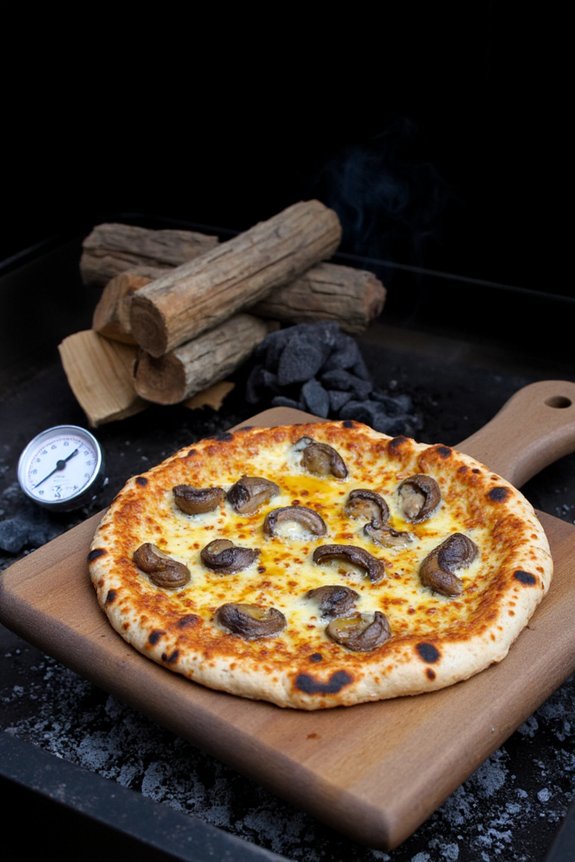
You’d be surprised how much your fuel choice impacts whether your oven stays toasty or turns into a glorified paperweight. The real culprit? Wet or poorly seasoned wood that’s packed with moisture, which forces your oven to waste energy drying out the fuel instead of actually heating up, plus certain wood types just don’t burn hot enough to maintain those pizza-cooking temperatures you’re after. Grab kiln-dried hardwoods like oak or maple with moisture content below 20 percent, and you’ll notice your oven keeps that heat locked in way better than whatever random logs you might’ve grabbed from the backyard. Just like seasoning quality standards in cast iron pans improve performance, using the right fuel ensures your oven reaches and maintains the high heat needed for perfect pizza.
Wood Quality Matters Most
When your pizza oven’s temperature drops faster than a stone in water, the culprit’s often sitting right in your firebox—and it’s probably not the kind of wood you’d want to cook with. You see, not all wood burns the same way. Fresh, wet wood? That’s your enemy. It’ll produce steam instead of heat, leaving you frustrated and pizza-less.
For hardwood selection, you’ll want oak, maple, or hickory. These dense woods burn hotter and longer than softwoods like pine. But here’s the thing—even the best hardwood won’t perform if it’s not properly dried. Aim for seasoned storage of wood that’s been sitting around for at least six to twelve months. Your oven’s performance depends on it, and your taste buds will thank you. If you’re struggling to keep your oven hot, consider how heat output and power—just like in high-performance turkey fryers—play a crucial role in achieving and maintaining the right temperature for perfect pizza.
Moisture Content Problems
So you’ve got your hardwoods picked out and they’re sitting in storage, but here’s where a lot of folks slip up—moisture content is the silent pizza oven killer nobody talks about until it’s too late. Wet wood creates steam instead of heat, which means your oven’s temperature drops faster than you can say “pepperoni.” You’ll end up with wet dough that won’t cook properly, and that’s a real bummer.
Store your wood in a dry place away from humidity and rain. Humid storage conditions’ll wreck your fuel before you even light it. Aim for wood with moisture levels below twenty percent, ideally around fifteen. Grab a moisture meter if your serious—they’re cheap and honestly pretty handy. Dry wood burns hotter, burns longer, and keeps your pizza oven performing like it should. Using wood with the right moisture content can make a significant difference in how efficiently your oven heats up and maintains temperature.
Fuel Type Selection
Not all wood burns the same, and picking the wrong fuel type is like showing up to a pizza party with the wrong kind of dough. You’ve gotta understand that hardwoods like oak and maple burn hotter and longer than softwoods such as pine or spruce. Softwoods contain too much sap and moisture, which means they’ll create more smoke than heat. If you’re considering gas selection for your portable oven, propane works decent but lacks the authentic flavor wood provides. Your best bet? Seasoned hardwood that’s been dried for at least six months. Wet or green wood’ll kill your temperatures faster than you can say “undercooked crust.” Quality fuel type matters more than most folks realize when you’re trying to keep that oven roaring.
Incorrect Fuel Management Techniques
Mismanaging your fuel is probably the quickest way to watch your pizza oven’s temperature drop faster than a stone in water. You might be throwing wood in haphazardly without considering proper stacking techniques, which ruins airflow and heat distribution. Yeah, it matters how you arrange those logs. Your fuel rotation strategy’s equally important, too. If you’re not cycling newer wood to older burning pieces, you’ll end up with inconsistent heat zones. Think of it like this: good fuel management keeps everything balanced and steady. Don’t just shove wood wherever there’s space. Arrange it strategically, keep flames dancing consistently, and rotate as needed. Your pizza oven’s performance depends on these seemingly small details working together smoothly.
Weather and Environmental Factors
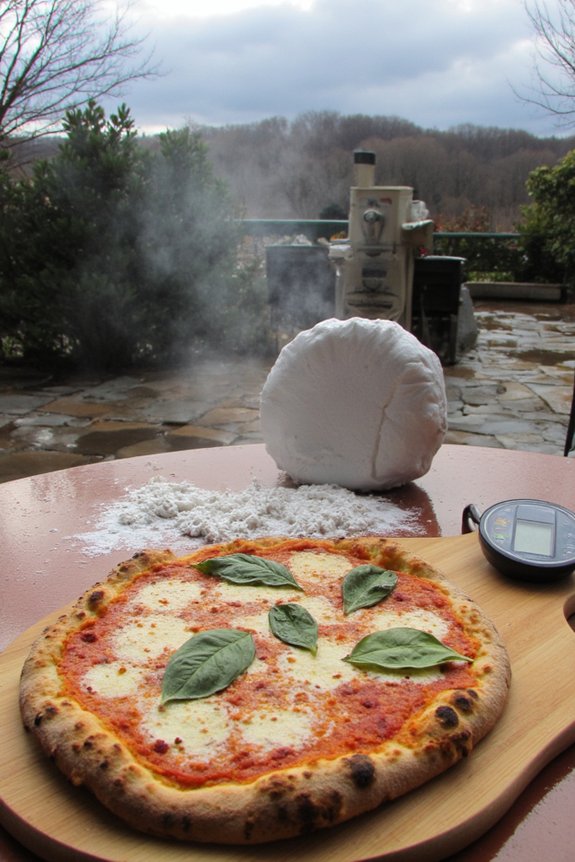
Beyond your fuel management skills, there’s another major player that’ll mess with your pizza oven’s temperature: Mother Nature herself. Wind chill can absolutely wreck your heating efforts, whisking away warmth faster than you can say “margherita.” High ambient humidity also works against you, making it harder for your oven to reach and maintain those perfect cooking temperatures. Cold weather compounds everything, requiring more fuel to compensate. Rain and moisture? They’re basically your oven’s enemies, cooling things down while creating steam that interferes with heat distribution. Even sunny days can be tricky since intense sunlight creates uneven heating patterns. The best approach? Invest in a quality cover or shelter, position your oven away from wind, and check weather conditions before firing up. Sometimes Mother Nature just wants to keep your pizza dreams at bay.
Dome and Chimney Design Issues
While you’ve got your fuel sorted and Mother Nature temporarily cooperated, there’s still a sneaky culprit lurking in your oven’s design that could be sabotaging your heat retention. Your dome and chimney setup matters way more than you’d think. A poorly designed dome won’t create the curved airflow you need to keep heat circulating efficiently inside. If your chimney placement is off, you’re basically letting all that warmth escape like it’s got somewhere better to be. The sweet spot? Your chimney should be positioned to draw air naturally without creating drafts that cool things down too fast. Think of it like this: a well-designed dome and chimney work together like a team, keeping heat dancing around your pizza instead of rushing out the exit.
Insufficient Preheating Time
You’ve nailed the dome design, positioned your chimney perfectly, and you’re still watching your pizza oven cool down faster than ice cream in July. Here’s the thing: you might not be giving your oven enough preheat time. Most folks rush this step, and it’s a costly mistake. Your oven needs proper slow heatup to build thermal mass throughout the dome and floor. Without adequate time, you’re working with surface heat only, which disappears quick.
Check your thermometer placement too. It matters where you’re measuring. If it’s not positioned correctly inside the cooking chamber, you might think you’re hotter than you actually are. Give yourself a solid hour or two of preheating, depending on your oven’s size. Yeah, it takes patience, but your pizza’ll thank you for it.
Regular Maintenance and Cleaning Needs
If your pizza oven’s been losing heat like a sieve, dirty internals might be the culprit you haven’t considered yet. Built-up ash and debris act like insulation in reverse, basically stealing your heat and making it harder to maintain those high temperatures you need.
Here’s the thing: you’ll want to establish a regular cleaning schedule that fits your usage. After every few cookouts, sweep out that ash buildup from the floor and dome. It doesn’t take long, just a quick ten minutes with a brush.
Don’t forget gasket inspection either. Those rubber seals around your door can deteriorate over time, letting precious heat escape. A quick visual check now and then keeps everything running efficiently and your oven staying toasty where it counts.
Frequently Asked Questions
What Is the Ideal Temperature Range for Cooking Different Types of Pizza?
You’ll want Neapolitan temps around 900°F for authentic pizzas, while frozen pizzas cook best at 400-425°F. Your oven’s temperature directly affects crust texture, cheese melt, and overall quality.
How Long Does a Portable Pizza Oven Typically Retain Heat After Firing?
Your portable pizza oven typically retains heat for 30 minutes to 2 hours, depending on your fuel type and oven construction. Wood-fired models generally offer better heat retention than gas-powered alternatives.
Can I Use a Portable Pizza Oven in Wet or Rainy Conditions?
You shouldn’t use your portable pizza oven in heavy rain, as moisture damages internal components. However, you can protect it with weatherproof accessories and moisture protection covers, allowing occasional light drizzle cooking.
What Size Pizza Oven Do I Need for My Family’s Needs?
Your ideal pizza oven size depends on your family size and cooking frequency. For smaller families cooking occasionally, a 28-32 inch model works well. Larger families or frequent entertainers should consider 36-42 inch ovens for better capacity.
How Much Does It Cost to Operate a Portable Pizza Oven Yearly?
You’ll spend $300–$800 yearly operating your portable pizza oven, depending on fuel expenses and how often you use it. Your maintenance schedule affects costs too, including cleaning, inspections, and occasional repairs.
Conclusion
So there you have it. Your pizza oven’s temperature troubles probably stem from a combo of these issues, not just one culprit. You’ll want to check your insulation, seal those pesky air leaks, upgrade your fuel, and nail your maintenance routine. Give it proper preheating time and respect the weather. Fix these things, and you’re golden. Your oven’ll stay toasty warm, cooking pizzas like a dream.