Your wine fridge’s probably looking like a jumbled mess right now, and honestly, that’s totally normal. You’ve got bottles everywhere, you can’t find that Pinot you’re craving, and half your collection’s gathering dust in the back. But here’s the thing—organizing it doesn’t take much effort, and once you’ve got a system down, grabbing the perfect bottle becomes actually enjoyable instead of frustrating. So what’s the secret?
Key Takeaways
- Place frequently accessed bottles at eye level for convenient spotting and quick retrieval without reaching or bending.
- Label shelves and use color-coded tags to distinguish wine types, enabling fast location without rearranging bottles.
- Store everyday wines horizontally in accessible areas separate from premium collections reserved for protected display zones.
- Leave 1–2 inches between bottles to prevent overcrowding, maintain airflow, and improve visibility of labels.
- Rotate older bottles to the front monthly and maintain a simple spreadsheet to prevent waste and confusion.

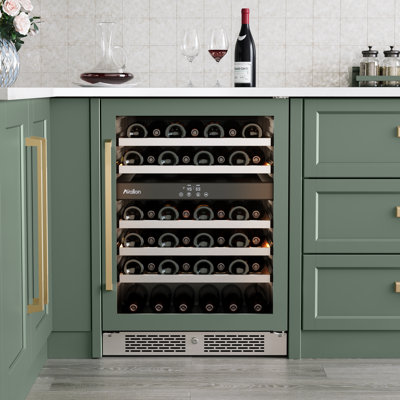
Understanding Your Wine Refrigerator’s Temperature Zones
When you’re first getting acquainted with your wine fridge, the temperature zones are kinda like the different personalities in your friend group—each one’s got its own vibe and purpose. Most wine refrigerators have multiple zones, and understanding them is vital for proper cellar mapping and keeping your collection in tip-top shape.
Your upper zone typically runs cooler, perfect for white wines and sparkling varieties that like it chilly. The lower zone stays slightly warmer, ideal for reds that prefer a bit more warmth. Precise calibration of these zones matters big time because even a few degrees can affect how your wine ages and tastes.
Check your fridge’s manual to see what temperatures each zone hits. Then you’ll know exactly where everything belongs. If your wine fridge offers dual-zone control, you can store both reds and whites at their ideal serving temperatures simultaneously, making it easier to keep your collection organized and ready to enjoy.
3. Organizing by Wine Type and Category
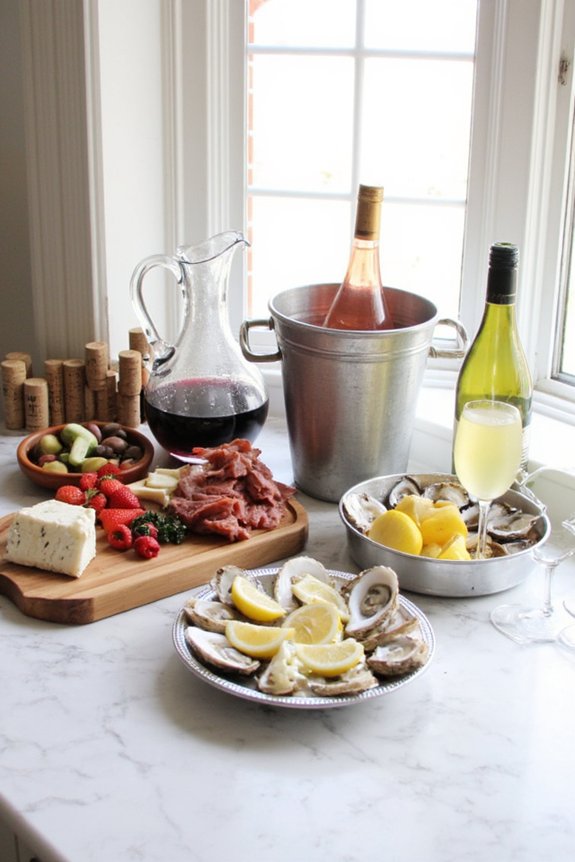
Once you’ve got your temperature zones dialed in, it’s time to think about what goes where, and honestly, the easiest way to start is by separating your reds from your whites. You can organize further by grouping wines from the same regions together—think storing your Burgundies near your other French selections, or keeping your California Cabernets and Pinot Noirs as neighbors, which’ll make it way easier to grab what you’re looking for when you’re in the mood for something specific. This approach not only keeps your collection logical and accessible, but it also lets you see at a glance which regions you’ve got plenty of and which ones could use a little more exploration. Similar to selecting a toaster oven based on interior capacity, arranging your wine refrigerator with an eye toward how much space each wine type takes up will help you make the most of your storage and keep everything easy to find.
Grouping Reds and Whites
Organization is where your wine fridge really starts to shine, and grouping your reds and whites separately is honestly the simplest way to keep things sane. Reds go on one shelf, whites on another. Done.
This separation makes temperature pairing way easier since reds and whites like different conditions anyway. You’ll want your reds slightly warmer than those crisp whites. It also helps with your tasting order—you can grab what you need without hunting through bottles.
Think of it like organizing your pantry. When everything’s scattered, you waste time. When it’s grouped logically, you actually enjoy reaching for a bottle. Your future self will seriously thank you for this straightforward approach.
If you’re also looking for smart ways to organize other appliances, consider how compact dimensions make countertop ice makers easy to fit and access in your kitchen space.
Separating by Wine Regions
If you’ve got bottles from Bordeaux, Burgundy, Napa, and Tuscany all crammed together, it’s time to think bigger than just red versus white. Organizing by wine regions helps you spot what you’re craving and understand terroir comparison better. Here’s how to tackle it:
- Separate Old World wines (Europe) from New World selections (Americas, Australia)
- Group by specific regions like Tuscany, Rhône, or Willamette Valley
- Create distinct zones for regional pairings you enjoy pairing with meals
- Label shelves so you’re not playing wine roulette every time
This approach transforms your fridge into an actual system. You’ll grab the right bottle faster and appreciate how different regions’ characteristics shine through. Plus, you’ll finally remember where you stashed that Burgundy. If you’re also a fan of outdoor adventures, taking inspiration from portability and weight considerations used in camping coffee makers can help you optimize shelf space—making it easier to re-arrange bottles and access your favorites quickly.
4. Strategic Shelf Placement for Maximum Visibility
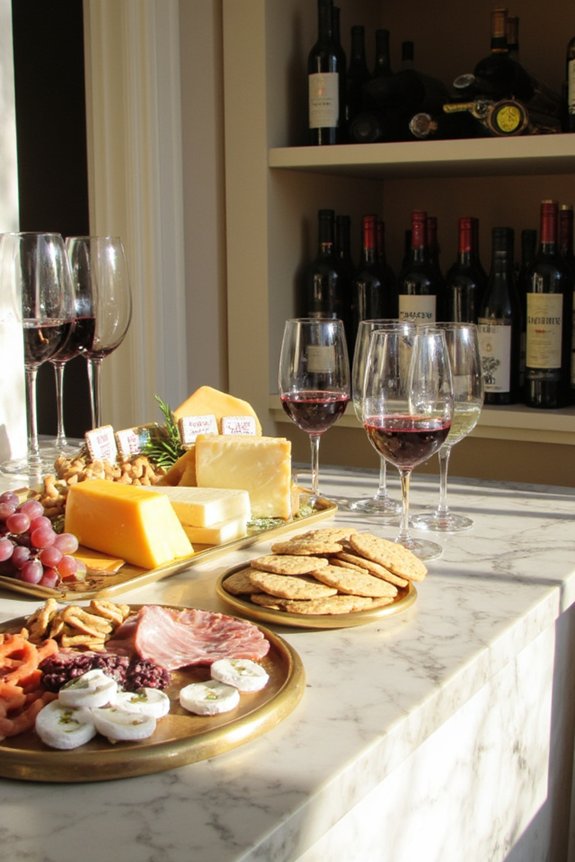
How’s your wine collection looking right now? Here’s the thing about shelf placement—it’s not just about fitting bottles in. You’ll want to prioritize front row visibility for your favorite wines or those you’re saving for special occasions. Label forward placement is your best friend here, making it super easy to spot exactly what you’re reaching for without playing bottle Tetris. Put your most-reached-for bottles at eye level where you can actually see them without squinting or stretching. Reserve lower shelves for bulk storage or wines you’re aging, and use upper shelves strategically for display pieces that look good. Honestly, when everything’s arranged thoughtfully, you’re way more likely to enjoy your collection instead of just staring at it wondering what you’ve got. When deciding how to arrange your shelves, consider how capacity and mobility can influence your access, especially if you entertain often or need to move your collection around.
5. Implementing a Labeling System for Quick Identification
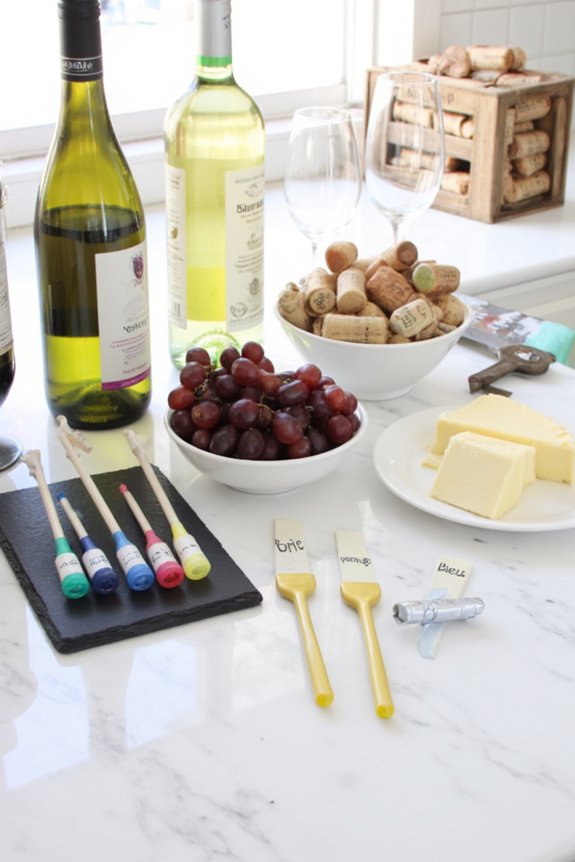
Now that you’ve got your bottles positioned just right, it’s time to set up a system that actually helps you find what you’re looking for. A good labeling setup saves you from that awkward “which one was the Pinot?” moment.
Consider these options:
- Color coded tags for wine types, so reds, whites, and rosés are instantly recognizable
- Barcode labels that link to your phone app for vintage details and tasting notes
- Simple handwritten tags with the region and year for quick scanning
- Removable stickers organized by price point or occasion
You don’t need anything fancy here. Pick whatever method won’t stress you out. Some folks prefer digital tracking, while others love the tactile feel of physical tags. The best system’s the one you’ll actually use consistently.
6. Creating Dedicated Zones for Different Price Points
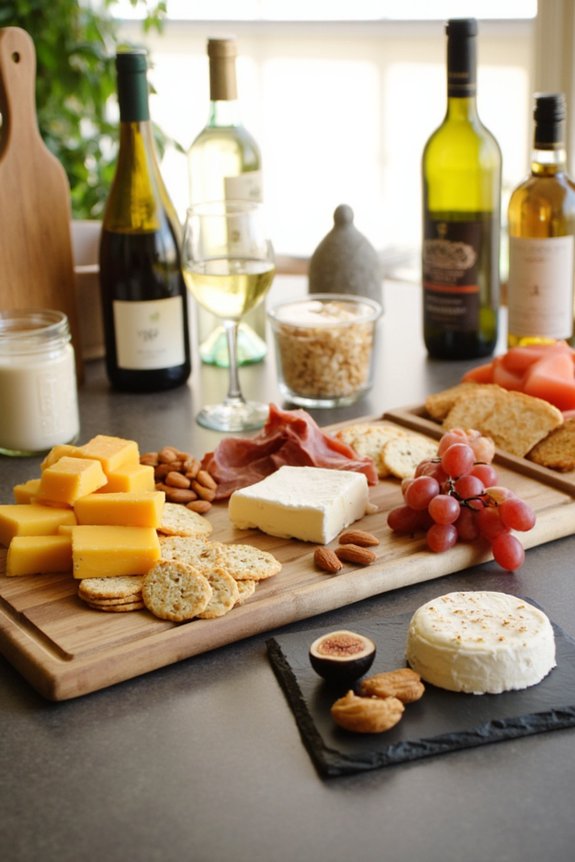
You’ll want to think of your wine fridge like a department store where everything’s got its section, and that means separating your everyday bottles from the fancy stuff you’re saving for special occasions. Your budget-friendly wines deserve their own easy-to-reach spot where you can grab them without overthinking it, while your premium collection should be displayed somewhere that makes them feel special and protected from constant handling. When you organize this way, you’re not just keeping things neat, you’re actually creating a system that respects both your wallet and your wine collection, making it way easier to decide what to drink depending on the moment.
Budget Bottles Display Area
Most wine lovers eventually realize that not every bottle deserves the same spotlight, and that’s where creating dedicated zones for different price points really shines. Your budget bottles section doesn’t need fancy treatment—it just needs smart organization.
Here’s how to make your budget area work:
- Use clear budget signage so you know exactly what you’re grabbing
- Arrange bottles by type rather than vintage for quicker selection
- Apply discount presentation techniques like grouping similar price ranges together
- Position this zone at eye level for convenient access
Keep your everyday wines front and center where they’re easy to reach. These are the bottles you’ll actually drink regularly, so why hide them? Make it simple, straightforward, and functional. Your wallet and your convenience will thank you.
Premium Collection Organization Method
While your budget bottles deserve their organized spot, your premium collection’s a whole different beast. You’ll want to create a dedicated zone that showcases your investment pieces, keeping them separate from everyday drinking wines. Think of this space as your wine’s personal VIP section.
Use proper archive labeling on your shelves so you can spot your prized bottles instantly without fumbling around. The cellar aesthetics matter here, too. Display your collection at eye level or slightly below so you can admire those beautiful labels while they’re resting. Consider using wine racks that let the bottles breathe properly and look impressive simultaneously.
Temperature consistency’s essential in this zone since premium wines are finicky about their environment. You’re protecting your investment, after all, so keep this area clean and organized.
7. Positioning Frequently Accessed Bottles at Eye Level
One of the easiest ways to improve your wine fridge experience is arranging your bottles so the ones you actually drink regularly sit right at eye level. This frequent grab approach gives your go-to wines visual priority, making them super convenient when you’re craving a glass. Here’s how to nail it:
- Identify your everyday bottles, whether that’s your favorite red or weeknight white
- Clear the middle shelves where your eyes naturally land
- Arrange these regulars horizontally for easy spotting and grabbing
- Reserve top and bottom shelves for special occasion bottles you’re aging
You’ll save yourself from that annoying reaching and bending, plus you’re way more likely to actually enjoy those wines you love instead of forgetting they’re tucked away somewhere.
8. Storing Bottles Horizontally vs. Vertically
The way you position your bottles actually matters more than you’d think, and it comes down to one simple fact: horizontal storage is pretty much the gold standard for wine that’s got a cork. When you lay bottles on their side, you’re keeping that cork moist, which prevents it from drying out and letting air sneak into your wine. That’s cork hydration at its finest.
Now, if you’ve got screw-cap bottles or plastic closures, you can stand ’em upright without worry. Vertical storage saves space and honestly makes label visibility way better so you can actually find what you’re looking for. The key’s matching your storage method to your bottle type, and you’ll keep everything in perfect condition while staying organized and happy.
9. Maximizing Space With Tiered Shelving Solutions
When you’re working with tiered shelving, angled shelves are your friend because they let you actually see what bottles you’ve got stashed in there, and honestly, that beats squinting into the back corners every time. You can fit way more bottles vertically with the right rack setup, so if you’re trying to maximize capacity without turning your fridge into a game of Jenga, adjustable racks that accommodate different bottle sizes are pretty much the way to go. The key is finding that sweet spot where you’re getting both the visibility you need and the storage space you’re after, which might take a little experimenting but it’s worth it.
Angled Shelves Optimize Visibility
If you’ve ever squinted at a wine bottle tucked behind three others on a flat shelf, you’ll appreciate why angled shelves are basically a game-changer for your wine fridge.
Angled shelves tilt your bottles forward at just the right angle, so you’re not playing detective every time you want to grab something. Here’s why they’re worth the investment:
- Better visibility of labels and wine selections without moving bottles around
- Reduced neck strain when you’re browsing your collection
- Enhanced display aesthetics that make your collection look intentional and organized
- Improved angled lighting that highlights bottles beautifully
You’ll find your wines faster, and honestly, the whole setup just looks more curated. Plus, gravity keeps everything in place naturally, so there’s less worry about bottles rolling around when you open the door.
Vertical Storage Increases Capacity
While angled shelves solve the visibility puzzle, here’s the thing about wine fridges: they’re usually not that big. You’ve gotta get creative with your space, and vertical stacking is your secret weapon. Instead of spreading bottles horizontally across fewer shelves, embrace upright shelving that lets you pile more bottles without wasting precious real estate. Think of it like Tetris for wine. You can fit noticeably more bottles when you’re stacking them vertically rather than laying them flat everywhere. Sure, horizontal storage protects corks better for long-term aging, but if you’re rotating through your collection regularly, standing them upright works perfectly fine. This approach transforms your fridge into a surprisingly spacious storage solution that’d make any wine lover smile.
Adjustable Racks Suit Bottles
Most wine fridges come with shelves you can slide up and down, and honestly, that’s a game-changer for fitting your collection without playing an endless game of bottle Jenga. Those sliding rails give you flexibility to customize your storage based on what you’re actually keeping in there.
Here’s how to make the most of adjustable heights:
- Group bottles by size and shape, placing taller bottles on lower shelves where they’re stable
- Reserve upper shelves for smaller bottles or specialty items you grab frequently
- Adjust spacing between racks to accommodate different bottle widths without wasting room
- Leave a little breathing room between bottles so air can circulate properly
You’ll find that tweaking your setup takes just minutes, and you’ll instantly feel way more organized.
10. Maintaining Proper Spacing for Air Circulation
Because your wine fridge needs to breathe just like a good Pinot Noir, you’ll want to make sure there’s plenty of space around it for proper air circulation. Think of airflow pathways like highways for cool air—they need room to move freely. Don’t cram your bottles so tight that air can’t circulate between them.
| Spacing Issue | Solution |
|---|---|
| Crowded bottles | Leave 1-2 inches between each bottle |
| Back wall contact | make certain clearance gaps from rear wall |
| Blocked vents | Keep shelves 3 inches from side vents |
| Stacked horizontally | Avoid excessive layering on one shelf |
| Front obstruction | Leave 6 inches of front clearance |
You’ll notice your wines stay at perfect temperature when air moves properly. It’s honestly pretty simple—give everything room to breathe, and you’re golden.
11. Rotating Stock and Managing Inventory Effectively
Keeping track of your wine collection means knowing which bottles you’ve got, where they’re sitting, and how long they’ve been chilling in there. You’ll want to stay organized so you’re actually drinking your wine instead of letting it gather dust.
Here’s how to manage your inventory like a pro:
- Label bottles with purchase dates so you know what’s oldest
- Practice seasonal rotation by moving winter reds forward in spring
- Keep a simple spreadsheet tracking consumption patterns and favorites
- Do monthly checks to spot bottles that need drinking soon
Consumption tracking helps you understand your drinking habits and prevents waste. Rotate stock regularly, moving older bottles to the front. This way, you’re enjoying your collection at its peak instead of discovering forgotten treasures years later.
Frequently Asked Questions
How Often Should I Clean My Wine Refrigerator to Prevent Dust and Mold Buildup?
You should perform monthly cleaning of your wine refrigerator’s exterior and interior surfaces. Additionally, schedule a seasonal deep clean to thoroughly address dust and mold buildup, ensuring your collection stays fresh.
What’s the Ideal Humidity Level to Maintain Inside a Wine Refrigerator?
You’ll want to maintain 50-80% relative humidity in your wine refrigerator for ideal cork preservation. This range mimics natural cellar conditions and prevents cork drying. Most quality units include built-in humidity control to achieve this cellar mimicry effectively.
Can I Store Opened Bottles in My Wine Refrigerator, and for How Long?
Yes, you can store opened bottles in your wine refrigerator for short term preservation. You’ll want a stored corkscrew handy for chilled tasting sessions. Most opened wines last 3-5 days; residual carbonation helps extend freshness slightly longer.
Should I Remove Wine Refrigerator Shelves to Accommodate Larger Bottles or Cases?
You can remove shelving to accommodate magnums and larger bottles, but you’ll lose storage capacity. Consider adjustable shelves instead—they’ll give you flexibility without permanently sacrificing space for standard bottles.
How Do I Prevent Vibrations From Affecting Wine Quality in My Refrigerator?
You’ll prevent vibrations from affecting your wine quality by installing rubber isolators under your refrigerator’s feet and using soft shelving inside. These cushioning materials absorb vibrations, protecting your wine’s delicate flavors and sediment.
Conclusion
You’ve got this. Organizing your wine fridge doesn’t require fancy systems—just a little intentional arrangement. Keep your everyday bottles visible, group wines by type, and don’t forget about airflow between bottles. Rotate stock so older bottles get sipped first, and you’ll find yourself actually enjoying your collection instead of forgetting what’s hiding in the back. Simple setup, better wine nights ahead.