You’re pulling what should be a rich, golden shot, but instead you get watery brown disappointment—and you’ve got no idea why. Maybe your grinder’s set too coarse, or your water’s running cold, or you’re tamping like you’re angry at the espresso basket. The truth? You’re probably making at least one of seven critical mistakes that’s sabotaging your morning brew. And the fix might be simpler than you think.
Key Takeaways
- Inconsistent grind size and dose create weak extraction or bitterness; adjust burrs and maintain dose consistency.
- Uneven tamping pressure causes channeling and unpredictable flavor; apply steady ~30 pounds of force consistently.
- Water temperature between 200–205°F is critical; too hot burns grounds, too cold yields sour espresso.
- Target 25–30 second extraction time; shots under 20 seconds taste sour, over 40 seconds taste bitter.
- Skipping machine maintenance allows mineral buildup and residue; establish weekly cleaning routine for consistent quality shots.
Using the Wrong Grind Size
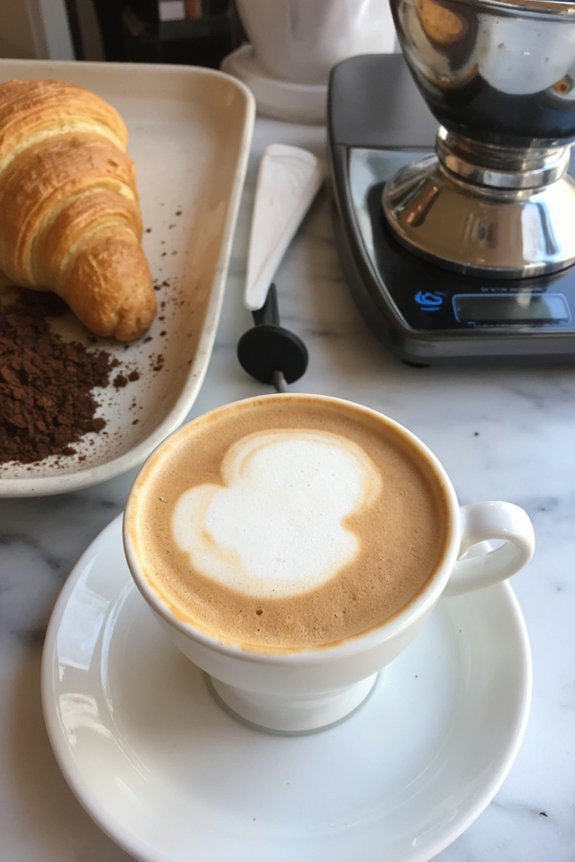
When you’re standing in front of your espresso machine with high hopes and a bag of beans, the grind size you choose might be the difference between espresso gold and bitter, muddy disappointment. Here’s the thing: too coarse, and your water rushes through like it’s late for work. Too fine? You’ll get a choked machine and regret. Your burr adjustment is pivotal here. Get it dialed in right, and you’re golden. Dose consistency matters just as much, honestly. You can’t expect stellar shots if you’re eyeballing your grounds one day and measuring precisely the next. Dial in your burr, nail your dosing routine, and watch your morning transform. It’s that simple. Really. Choosing the correct grind size is just one part of dialing in your perfect shot—don’t forget that whole beans recommended for fresher extraction and better crema.
Applying Inconsistent Tamping Pressure
Most espresso enthusiasts don’t realize that tamping pressure is like the Goldilocks zone of espresso—you’re constantly searching for that “just right” sweet spot. Here’s the thing: inconsistent tamping wreaks havoc on your morning cup. When you’re not applying even pressure distribution, you’re basically sabotaging your shot before it even starts.
Why does this matter? Check out these critical issues:
- Uneven extraction creates channeling, where water rushes through weak spots
- Inconsistent technique leads to unpredictable shots that taste wildly different
- Over-tamping causes bitter, burnt flavors that’ll make you grimace
- Under-tamping results in weak, watery espresso that disappoints
The solution? Develop a consistent technique with firm, level pressure—about 30 pounds of force. Practice until it becomes muscle memory. Your taste buds will thank you for this simple fix. Some machines, like those with 20-bar pump systems, are especially sensitive to tamping technique, so consistency is key to getting great results every time.
Ignoring Water Temperature Settings
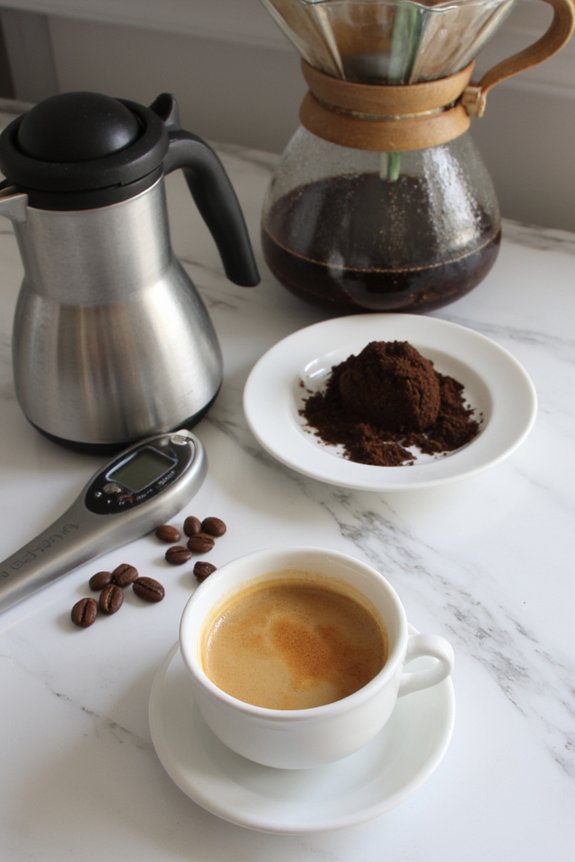
You’d be surprised how many espresso lovers completely ignore water temperature like it’s not even a thing. But here’s the truth: temperature is everything. Your machine’s brew thermometer isn’t just decoration, my friend. It’s your secret weapon for consistently great shots.
Water that’s too hot burns your grounds into bitter disappointment. Too cold? You’ll get weak, sour espresso that’ll make you question your life choices. The sweet spot hovers around 200-205°F, though it depends on your beans and roast level.
If your machine has PID calibration capabilities, use them. Seriously. This technology maintains stable temperature throughout your entire shot, eliminating those frustrating fluctuations. You’ll taste the difference immediately. Your mornings won’t suck anymore. Temperature control transforms mediocre espresso into something genuinely delicious.
Many machines, like the DeLonghi Classic Espresso Machine, use thermoblock technology to help regulate and maintain the optimal brewing temperature for better extraction.
Neglecting Regular Machine Maintenance
Getting your temperature dialed in perfectly is awesome, but here’s the thing—it won’t matter one bit if your machine’s insides are caked with old espresso residue and mineral buildup.
You’re basically sabotaging yourself. Here’s what you’re probably neglecting:
- Skipping your descaling schedule entirely
- Never cleaning that steam wand after frothing milk
- Ignoring the group head and basket buildup
- Forgetting to backflush the portafilter regularly
Your machine’s begging for attention. When you skip maintenance, you’re inviting stale flavors, clogs, and eventual breakdowns. It’s not glamorous, but it’s absolutely critical. Think of it like brushing your teeth—you wouldn’t skip that, right? Same energy here. Spend fifteen minutes weekly on cleaning, and your espresso’ll taste noticeably better. Your morning ritual deserves that effort, and honestly, your machine does too. Just like leading electric kettles recommend regular descaling to prevent mineral buildup and ensure top performance, your espresso machine needs the same care to keep your coffee tasting its best.
Choosing Low-Quality or Stale Beans
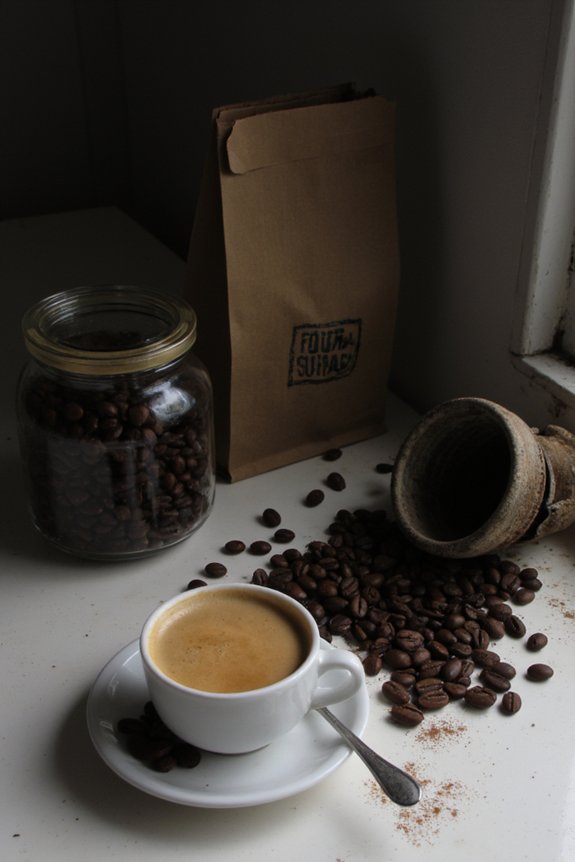
All that effort perfecting your technique and maintaining your machine? It’s worthless if you’re using stale beans. Seriously. You can’t make an amazing espresso with low grade beans that’ve been sitting around for months. They’re just not gonna cut it.
Fresh beans are everything. When beans get old, they lose their oils and flavor compounds, becoming flat and bitter. You’ll end up with a shot that tastes like disappointment in a cup.
Shop local. Find a roaster nearby who roasts beans regularly. Buy smaller quantities more often. Your taste buds—and your morning—will thank you. The difference between stale beans and fresh ones? It’s night and day, honestly. Invest in quality. Your espresso deserves better than yesterday’s beans.
For the best cup, also consider brewing method and speed since even top-tier beans can be wasted if not brewed properly.
Failing to Purge Your Group Head
Most espresso enthusiasts skip this step, and it’s honestly costing them shots. You’re probably wondering what we’re talking about, right? It’s that essential pre-shot rinse that keeps your espresso tasting fresh and delicious.
Here’s why group head cleanliness matters:
- Removes stale coffee residue that ruins flavor
- Prevents bitter, burnt-tasting espresso from old grounds
- guarantees consistent water temperature for extraction
- Keeps your machine running smoothly and longer
When you neglect purging your group head, you’re basically brewing yesterday’s mistakes into today’s cup. Leftover coffee oils and particles build up, creating a funky taste that no amount of fancy beans can fix. Just run water through that group head for a few seconds before tamping. It takes literally no effort, but the difference? Huge. Your taste buds will thank you.
Pulling Shots Too Quickly or Too Slowly
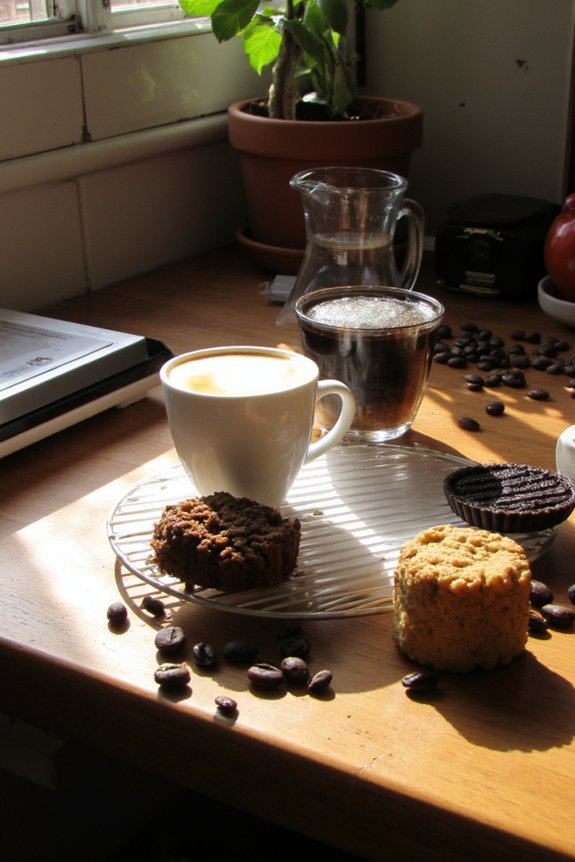
You’ve probably noticed that timing’s everything with espresso—pull your shot too fast and you’ll end up with weak, sour brew that tastes like disappointing bean water, but go too slow and you’re basically making liquid tar. The sweet spot usually hovers somewhere between 25 to 30 seconds, where the perfect balance of flavors, oils, and that beautiful crema all come together in caffeinated harmony. Understanding whether you’re dealing with under-extraction (that thin, acidic mess), over-extraction (bitter and unpleasant), or nailing the Goldilocks zone of just-right is what seperates espresso enthusiasts from folks just pushing buttons and hoping for the best.
Understanding Optimal Extraction Time
When that espresso pulls faster than a caffeinated squirrel on a Saturday morning, you’re probably staring down one of the most common culprits ruining your shots: timing. Your brew time matters. A lot. The sweet spot? You’re aiming for that magical extraction window between 25 to 30 seconds, where all the good stuff actually happens.
Here’s what you need to know:
- Too fast (under 20 seconds) = sour, thin, disappointing shots
- Too slow (over 40 seconds) = bitter, over-extracted disasters
- Grind size adjustments fix most timing problems instantly
- Tamping pressure affects how water flows through grounds
Getting this right transforms your morning ritual. You’ll taste the difference immediately. Sweet spots exist for a reason, and nailing that extraction window turns you from coffee drinker to actual espresso enthusiast.
Signs of Under-Extraction Problems
Under-extraction’s the sneaky villain that makes your espresso taste like sad, watered-down regret. You’ll notice it immediately—that weak crema sitting there like a disappointed cloud. The shot pulls too fast, and boom, you’re left with a sour finish that makes your taste buds cringe. It’s basically liquid regret in a cup.
Here’s the thing: when water rushes through your grounds too quickly, it doesn’t grab all those delicious flavors. You’re basically throwing away the good stuff. Your espresso tastes thin, sharp, and generally unpleasant, which defeats the whole purpose of your fancy machine, right? The sour notes dominate everything else, overpowering any potential sweetness or complexity. It’s frustrating, honestly. But don’t worry—you can fix this by adjusting your grind size finer, tamping harder, or both.
Recognizing Over-Extraction Issues
Over-extraction’s basically the evil twin of under-extraction, and it’ll wreck your espresso just as bad—just in a completely different way. When water hangs around your grounds too long, you’re pulling out all the nasty stuff you don’t want. We’re talking bitter flavors and harsh acidity that’ll make your taste buds file a complaint.
Here’s what you’re looking for:
- Dark, muddy shots that taste like burnt rubber
- Bitter flavors that linger way too long on your tongue
- Harsh acidity that makes you wince with every sip
- A shot that flows slower than your Monday morning commute
The culprit? Usually a grind that’s too fine or tamping pressure that’s way too aggressive. Your extraction time should hit around 25-30 seconds. Anything longer, and you’ve officially overcooked it. Dial it back and taste the difference.
Frequently Asked Questions
How Long Should Espresso Shots Ideally Extract for Optimal Flavor?
You’ll want your espresso shot timing between 25-30 seconds for ideal extraction. This timeframe lets you achieve the perfect balance of flavors, ensuring you’re not over-extracting or under-extracting your shots for prime taste.
What’s the Difference Between Single and Double Espresso Shots?
Studies show 67% of coffee enthusiasts prefer double shots for stronger flavor. A single shot uses one portafilter basket, while you’ll use two baskets for a double shot, resulting in doubled espresso volume and caffeine content.
Can I Use Regular Coffee Beans in an Espresso Machine?
You can use regular coffee beans, but you’ll need to adjust your bean grind to a fine consistency. Your roast level matters too—darker roasts typically work better for espresso’s intense extraction demands.
How Often Should I Replace My Espresso Machine’s Gaskets and Seals?
Your espresso machine’s gaskets and seals are the heart pumping life through your daily brew. You’ll want annual replacement as preventative maintenance, though you’re wise to inspect them every few months for wear.
What Type of Water Should I Use in My Espresso Machine?
You’ll want to use filtered water in your espresso machine. It removes impurities that damage internal components. Aim for proper mineral balance—not distilled water, which lacks essential minerals for peak extraction and machine longevity.
Conclusion
You’ve got the roadmap now. Stop sabotaging yourself with stale beans and sloppy technique. Your espresso machine’s basically a temperamental typewriter—it demands respect, consistency, and actually showing up for maintenance. Nail your grind, dial in that tamping, keep temps steady, and you’ll pull shots that’d make your morning commute feel like a victory lap instead of a caffeine-fueled disaster.