Your wheatgrass juice tastes bitter because you’re probably using a centrifugal juicer, which spins fast and generates heat that damages enzymes and oxidizes nutrients. Even with the right juicer, over-extraction crushes delicate fibers and releases bitter compounds, while oxidation starts immediately after juicing. Dull blades make it worse, and storing juice too long compounds the problem. Fresh, high-quality wheatgrass prepared properly with a cold-press juicer at low RPMs makes all the difference—and there’s actually a lot more you can do to fix this.
Key Takeaways
- Centrifugal juicers generate heat and oxidation that degrade chlorophyll and enzymes, producing bitter, oxidized juice.
- High RPM speeds damage delicate enzymes through rotational stress; cold-press juicers at 40–80 RPM preserve sweetness.
- Over-extraction and aggressive juicing cause excessive cellular rupture, releasing bitter compounds normally contained within plant fibers.
- Dull or worn blades crush fibers instead of slicing cleanly, triggering mechanical oxidation and off-flavors.
- Juice deteriorates rapidly after extraction; bitterness intensifies within 30–60 minutes as enzymes degrade and oxidation accelerates.
Using the Wrong Type of Juicer for Wheatgrass

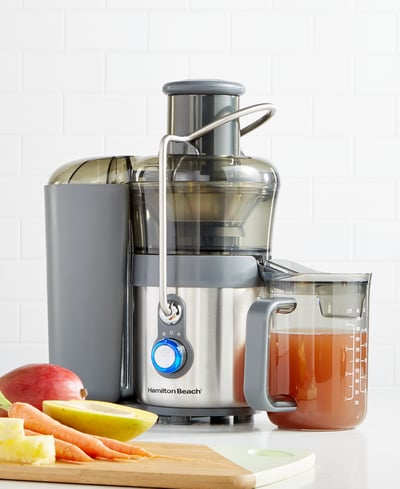
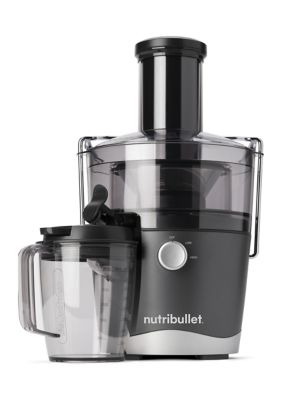
If you’ve ever tried squeezing wheatgrass through a regular centrifugal juicer, you’ve probably discovered that it’s about as effective as trying to juice a tennis ball. Here’s the thing: wheatgrass needs special treatment. The masticating vs centrifugal debate matters big time for this leafy green.
Centrifugal juicers spin so fast they heat up the juice, destroying nutrients and leaving you with a bitter, oxidized mess. Not ideal, right? That’s where cold press benefits come in. Masticating juicers work slowly and methodically, crushing wheatgrass gently without generating excess heat.
Your juice stays fresher, greener, and actually tastes decent. You’re preserving enzymes and minerals that make wheatgrass worth drinking in the first place. So if bitterness is your problem, your juicer might be the culprit here.
For wheatgrass, using a masticating juicer is crucial because centrifugal models are inefficient at extracting juice from leafy greens and typically produce more heat and oxidation, leading to poorer taste and lower nutrient retention.
How Oxidation Damages Your Wheatgrass Juice

When you juice wheatgrass, you’re basically inviting oxygen to crash the party and start breaking down all those good nutrients you’re trying to get. As soon as air hits your fresh juice, oxidation kicks in and your enzymes start degrading, which is why that bitter taste creeps up on you faster than you’d expect. The longer your juice sits around exposed to oxygen, the more nutrients vanish and the worse it tastes, so you’re really working against the clock if you want to actually enjoy drinking the stuff.
Oxygen Exposure Breakdown Process
Oxidation’s basically like your wheatgrass juice’s worst enemy, showing up the moment you juice those greens and starting a slow-motion demolition that you can’t see happening. Here’s what’s going down: oxygen exposure triggers a chemical reaction that breaks down the juice’s beneficial compounds. Your cellular rupture from the juicing process speeds things up, releasing enzymes that accelerate flavor degradation. You’re left with bitter, unpleasant tasting juice that loses its nutritional punch fast. The shelf stability takes a nosedive too, meaning that fresh-pressed glass sitting in your fridge becomes less effective by the hour. It’s kinda wild how quickly nature works against you here. Cold-pressed juicers help slow this process, but oxidation’s still happening whether you like it or not. Some juicers, much like stainless steel construction in sous vide devices, are designed to resist corrosion and slow the breakdown process, but they can’t fully stop oxidation from affecting your wheatgrass juice.


Nutrient Loss From Oxidation
Those beneficial compounds in your wheatgrass juice—the chlorophyll, enzymes, vitamins, and antioxidants that make the stuff worth drinking in the first place—they’re basically sitting ducks once oxygen gets involved. Oxidation doesn’t just make your juice taste bitter. It’s actively destroying the good stuff you’re trying to consume. When oxygen breaks down those nutrients, you’re experiencing enzyme inhibition, which means your body can’t absorb and utilize what remains. Your antioxidant supplementation becomes less effective because the antioxidants themselves are getting oxidized. It’s like watching your investment lose value in real time. The fresher your juice, the more intact those nutrients stay. That’s why slow-press juicers help preserve what matters most, keeping your wheatgrass as potent as possible. Just as with nutrient retention in steamers, the design and speed of your juicer can impact how much nutritional value your wheatgrass juice delivers to your glass.
Enzymatic Degradation and Bitterness
As soon as your wheatgrass hits the air, enzymes start throwing a tantrum. These little troublemakers break down your juice’s flavor compounds faster than you can say “chlorophyll.” You’re basically watching your fresh juice turn into bitter disappointment in real time.
Here’s what’s happening during enzyme inactivation:
| Time | Enzyme Activity | Flavor | Bitterness |
|---|---|---|---|
| 0 min | Maximum | Sweet, grassy | Minimal |
| 5 min | High | Changing | Slight |
| 15 min | Moderate | Fading | Growing |
| 30 min | Low | Degraded | Strong |
| 60 min | Minimal | Gone | Dominant |
When enzymes break down those delicate flavor compounds, bitterness takes over like an unwanted guest. The longer your juice sits exposed, the worse it gets. You’re not imagining that taste—it’s actual chemistry happening right before your eyes.
Over-Extraction and Cell Damage Explained

When you’re squeezing every last drop from your wheatgrass, you might actually be doing more harm than good. Here’s the thing: aggressive juicing causes cellular rupture in the delicate wheatgrass fibers. When those cells break down excessively, they release bitter compounds that’d otherwise stay contained. You’re also experiencing texture alteration at the microscopic level, which changes how nutrients interact with your taste buds.
The more pressure you apply, the more damage happens. Think of it like wringing out a sponge too hard, except the sponge releases unpleasant flavors instead of just water. Gentler extraction methods preserve the grass’s integrity and keep bitterness at bay. So maybe ease up on that juicer handle and let it do its thing without your white-knuckle grip.
Using adjustable intensity controls—as recommended in high-quality kitchen appliances—can help you find the right balance between extraction and flavor preservation.
Storage Problems That Lead to Bitter Taste

Your wheatgrass juice can turn bitter just sitting in the fridge, and it’s basically a race against time once you’ve extracted it. The problem? Oxidation and bacterial growth happen fast in cold storage, especially if you’re not careful about conditions. Your juice starts breaking down the moment it hits air, and improper humidity control can actually speed up that process. Keep your juice in an airtight container, not just any old bottle sitting around. Temperature matters too—store it at the coldest part of your fridge, ideally below 40°F. Don’t leave it hanging out for more than 24 hours if you can help it. Fresh is always better, so drink it immediately when possible. That’s honestly your best bet against bitterness creeping in. Just like with airtight, leak-proof lids used in high-quality cold brew coffee makers, using the right storage container for your juice helps prevent unwanted flavor changes and spoilage.
Signs Your Wheatgrass Has Deteriorated

Once deterioration starts, your wheatgrass gives off some pretty obvious red flags you won’t want to ignore. The most telltale sign? Mold growth popping up on the soil or stems. That fuzzy, discolored coating means your grass is done for, so toss it immediately.
You’ll also notice stem discoloration that looks kinda off, like yellowing or browning that spreads quickly. The grass might start drooping or looking wilted even when the soil’s moist. Smell it too—fresh wheatgrass has that clean, grassy scent. If it smells sour, musty, or just plain wrong, that’s your cue.
Don’t juice deteriorated wheatgrass. You’re asking for an even bitterer shot and potential health issues. When you spot these warning signs, it’s better to start fresh with new grass.

The Impact of Juicer Speed on Flavor
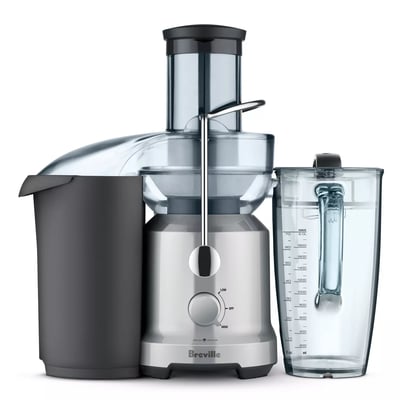
your juicer’s speed setting isn’t just about power, it’s actually messing with how your wheatgrass tastes. When you crank up those RPMs, you’re generating more heat and air exposure, which oxidizes your juice faster and can break down those delicate enzymes that keep your shot tasting fresh instead of, well, like you’re drinking lawn clippings. Slower speeds are gentler on the goods, preserving more of those beneficial compounds and helping you avoid that bitter aftertaste that’ll make you wonder why you didn’t just stick with regular orange juice.
Speed Settings Affect Oxidation
Because wheatgrass oxidizes faster than you might think, the speed of your juicer actually matters way more than most people realize. Here’s the thing: when you’re spinning that wheatgrass at high speeds, you’re basically inviting oxygen to the party, and that’s where the bitterness creeps in.
That’s why cold extraction and slow centrifugation are your best friends. Lower speeds mean less air gets introduced into your juice, keeping it fresher and tastier for longer. Think of it this way: high-speed juicers whip everything into a frenzy, generating heat and oxidation that turns your sweet grass into something kinda nasty.
Slower juicers? They gently squeeze the juice out without all that chaotic spinning. You’ll notice the difference immediately. Your wheatgrass’ll taste smoother, less bitter, and way more enjoyable.
RPM Impact on Enzymes
Here’s the thing about RPM and enzymes—they’re locked in this weird relationship that most people don’t really think about when they’re shopping for juicers. Your juicer’s speed directly impacts enzyme kinetics, which basically means how fast those helpful nutrients break down during processing.
Here’s what you’re actually dealing with:
- High RPM speeds create rotational stress that damages delicate enzymes, making your juice taste bitter and less nutritious
- Lower speeds preserve enzyme activity, keeping your wheatgrass juice fresher and sweeter tasting
- The sweet spot usually hovers around 40-80 RPM for cold-press juicers
When you’re spinning at super high speeds, you’re basically bullying those enzymes into submission. They get stressed, break apart, and release compounds that make your juice taste off. It’s not complicated—slower really does work better here.
Blade Quality and Its Effect on Bitterness
Dull blades are basically the enemy of smooth, palatable wheatgrass juice. You’d be surprised how much blade composition matters when you’re chasing that perfect pour. Think of it this way: a sharp blade slices cleanly through wheatgrass fibers, while a dull one just kinda crushes them into submission. That crushing? It releases bitter compounds you definitely don’t want in your cup.
Edge maintenance is vital here. When your juicer’s blades start getting worn down, they oxidize the plant material more aggressively, and oxidation brings out those nasty bitter flavors. You’re basically torturing the grass instead of juicing it gently. Investing in quality stainless steel blades and keeping them sharp makes a genuine difference. It’s not fancy science, just practical stuff that transforms your wheatgrass experience from grimace-worthy to genuinely drinkable.
Chlorophyll Breakdown During the Juicing Process
When you’re squeezing wheatgrass through your juicer, something important happens that most people don’t think about—the chlorophyll starts breaking down the moment those blades do their work. That heat and friction? Yeah, they’re causing some real damage to those precious green pigments.
Here’s what’s actually going on:
- Chlorophyll degradation happens fast when you apply pressure and generate warmth during juicing
- Pigment isomerization occurs as the molecular structure of chlorophyll shifts into different forms, which can taste pretty funky
- Oxidation kicks in immediately once you expose the juice to air, accelerating the whole breakdown process
The bitterness you’re tasting isn’t just from the wheatgrass itself. It’s partly your chlorophyll falling apart in real time. That’s why cold-press juicers tend to produce sweeter results—they minimize heat and keep more of those delicate green compounds intact.
How to Select and Prepare Fresh Wheatgrass
Now that you understand why that bitter taste creeps in during juicing, the real game-changer is starting with high-quality wheatgrass in the first place. You’ll want to look for fresh varieties that’ve been grown organically, avoiding anything that looks yellowed or wilted. Harvest timing matters too—grab your wheatgrass when it’s about 7 to 10 days old, right before it starts flowering. That’s when the nutrients are peaking and the flavor’s at its sweetest. Before juicing, rinse it thoroughly under cool water to remove any dirt or debris. Trim off the roots, then gently pat everything dry with a clean towel. Store unused wheatgrass in your fridge wrapped in a damp cloth, where it’ll stay fresh for several days.
Best Practices for Maintaining Your Juicer Equipment
Since you’ve invested in quality wheatgrass and gone through the effort of preparing it just right, keeping your juicer in tip-top shape is what’ll make the whole process actually worth it. Regular maintenance prevents that nasty bitter taste from creeping into your juice.
Here’s what you need to focus on:
- Stick to a cleaning schedule right after each use, because dried pulp hardens quick and becomes a real pain to remove later
- Check your silicone seals monthly for cracks or wear, replacing them when they start looking tired
- Run water through the entire system thoroughly to catch any lingering residue that might affect flavor
You don’t need fancy tools. Just warm water, a soft brush, and some dedication. Your juicer’ll reward you with consistently smooth, fresh-tasting juice.
Frequently Asked Questions
Can I Mix Wheatgrass Juice With Other Ingredients to Mask the Bitter Taste?
Yes, you can mask wheatgrass juice’s bitterness by mixing it into fruit smoothies or herbal tonics. You’ll find that combining it with sweeter fruits, honey, or complementary herbs makes it much more palatable and easier to consume regularly.
Does the Temperature of Wheatgrass Juice Affect How Bitter It Tastes?
Yes, temperature impact significantly affects how you perceive bitterness. When you drink cold wheatgrass juice, your sensory thresholds lower, making bitter compounds less noticeable. Warm juice intensifies bitter flavors substantially.
How Long Can I Safely Store Fresh Wheatgrass Juice Before Consuming It?
You can safely store your fresh wheatgrass juice for up to 24 hours with proper cold preservation. For peak nutritional benefits, you’ll want to consume it immediately, but refrigeration extends your storage duration considerably.
What’s the Difference Between Wheatgrass Powder and Fresh Juice Bitterness Levels?
Your fresh juice delivers higher taste intensity due to active enzymes and chlorophyll concentration, while powder’s bitterness is mellowed through processing. However, powder offers superior nutrient stability during storage, reducing oxidation that’d intensify fresh juice’s harshness over time.
Can Soil Quality or Growing Conditions Influence the Bitterness of Wheatgrass?
Yes, soil nutrients and light exposure notably impact your wheatgrass’s bitterness. Poor soil quality reduces nutrient availability, making your juice taste more bitter. Insufficient light exposure also intensifies bitterness levels markedly.
Conclusion
So here’s the thing: you’re probably getting bitter wheatgrass juice because you’re using the wrong equipment or not handling your greens properly. Get yourself a cold-press juicer, use fresh wheatgrass that’s actually vibrant green, and don’t let it sit around oxidizing. Clean your juicer regularly, store everything right, and you’ll be sipping smooth, fresh juice instead of liquid regret. It’s really that simple.