Your electric smoker’s a silent sentinel standing guard over your backyard—but without proper protection, it’ll crumble like forgotten dreams. Rust, moisture, and critters are lurking, ready to turn your prized BBQ machine into an expensive paperweight. Here’s the thing: covering and storing it right isn’t complicated, yet most folks get it wrong. We’ll walk you through the exact steps to keep your smoker looking fresh and ready to rumble when you need it next.
Key Takeaways
- Choose breathable, weather-resistant covers like heavy-duty canvas or thermal insulated nylon to prevent moisture and rust damage.
- Clean the smoker thoroughly, remove ash and debris, and allow complete cool-down before covering or storing for safety.
- Position desiccants strategically inside to absorb humidity and prevent moisture accumulation under the cover during storage periods.
- Store in sheltered locations like garages, sheds, or covered patios with climate control to minimize temperature and humidity extremes.
- Inspect monthly for rust, damage, and cover integrity; test all electrical components and check grates before first use after storage.
Understanding the Threats to Your Electric Smoker

When you’re not actively grilling up some delicious brisket or ribs, your electric smoker’s sitting out there facing down Mother Nature like a champ—except, well, it’s not actually a champ, and it can’t fight back. Your smoker’s got enemies, friend. Weather corrosion is the sneaky villain that’ll eat away at metal parts, turning shiny surfaces into crusty nightmares. Rain, snow, and humidity? They’re basically rust’s favorite party guests. Then there’s pest intrusion—critters love exploring warm, greasy spaces. Insects, rodents, and other unwanted visitors see your smoker as a five-star resort. They’ll nest inside, chew through wires, and generally wreak havoc on your equipment. Without proper protection, you’re basically leaving your investment defenseless against nature’s relentless assault. Choosing a smoker with weather-resistant materials and using a waterproof cover can significantly reduce the risk of damage from outdoor elements.
Choosing the Right Cover Material
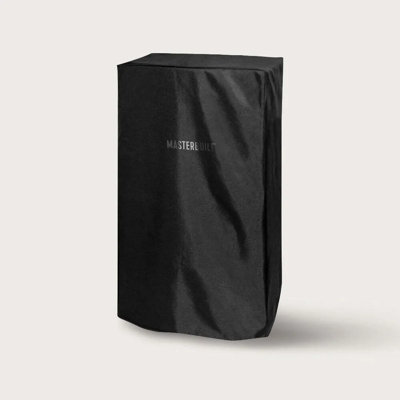
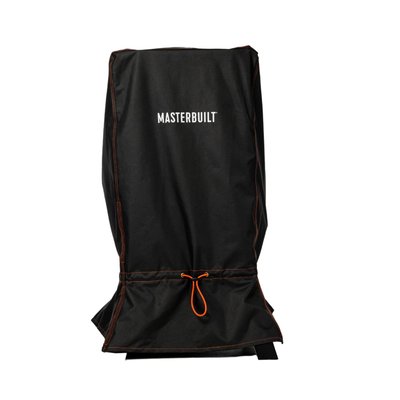
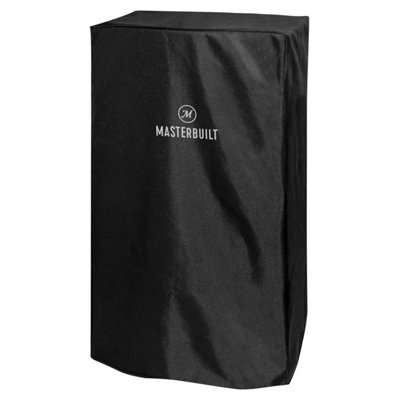
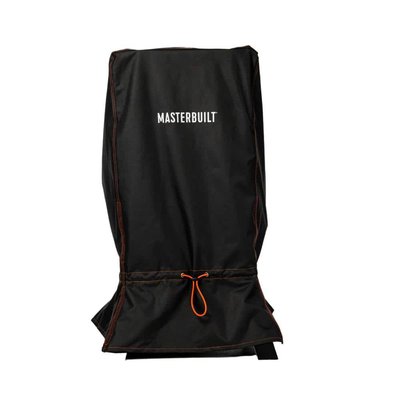
Now that you know what you’re up against, it’s time to armor up your smoker with a solid cover. You’ve got options, and picking the right material makes all the difference. Heavy duty canvas is your classic choice—it’s tough, breathable, and won’t trap moisture underneath like some cheaper fabrics do. Think of it as a weathered jacket for your smoker. Then there’s thermal insulated nylon, which kicks things up a notch. This stuff repels water like a duck and provides extra protection against temperature swings. It’s pricier, sure, but your smoker’ll thank you come winter. Consider your climate too. Rainy regions? Go nylon. Drier areas? Canvas works just fine. Either way, you’re investing in your smoker’s longevity. For the best results, look for covers with weather-resistant materials and reinforced seams, much like those used in high-quality outdoor coolers, to ensure long-term protection against the elements.
Selecting an Ideal Storage Location

Once you’ve got your smoker dressed in a quality cover, finding the right spot to park it becomes just as essential. You’ll want to take into account several factors when choosing your storage location.
- Protection from the elements—because nobody wants their smoker battling Mother Nature alone
- Nearby power access—keeping your electric smoker within reach of outlets for convenience
- Landscape integration—positioning it so it doesn’t look like an eyesore in your yard
- Security and visibility—ensuring you can keep tabs on your prized possession
Look for a spot that’s sheltered but still accessible. A covered patio, garage corner, or garden shed works great. Make sure there’s nearby power access available so you won’t be wrestling with extension cords like some kinda electrical octopus. Take into account how your smoker fits into your yard’s overall vibe too. The sweet spot combines protection, convinience, and aesthetic appeal. You’re basically finding your smoker’s perfect home. For longer-lasting equipment, consider how proper maintenance and storage can extend your smoker’s lifespan well past a decade.
Preparing Your Smoker for Storage
Before you tuck your smoker into its cozy new home, you’ve gotta give it some proper TLC. Start by doing a seasonal calibration to make sure everything’s running like a dream. Check those temperature gauges and clean out any lingering ash or debri from your last cookout—nobody wants a smoker that’s harboring last summer’s memories. Next comes the power disconnection, which is absolutely vital for safety. Unplug that baby from the outlet and let it cool down completely. Wipe down the exterior with a soft cloth, removing dust and grime that’ve accumulated over time. Don’t forget the interior either! A quick sweep keeps critters from getting any bright ideas about moving in. You’re basically giving your smoker a spa day before hibernation. If your smoker has a self-cleaning cycle, consider running it before storage to make seasonal maintenance even easier.
Short-Term Protection Strategies

Keeping your smoker protected during those in-between cooking seasons doesn’t require a PhD in weather management. You’ve got options that won’t break the bank or your back.
- A temporary canopy shields your smoker from rain and UV rays without permanent installation fuss
- A portable tarp becomes your smoker’s best freind during unexpected weather surprises
- Quick-dry covers prevent moisture buildup that’ll rust your precious equipment faster than you can say “barbecue”
- Strategic placement under an eave or overhang keeps your smoker happy and functional
Here’s the thing: short-term protection is about convenience. Throw that portable tarp over your smoker after cooking, and you’re golden. A temporary canopy works wonderfully too. These simple moves mean less cleanup, less corrosion, and more time enjoying outdoor cooking rather than playing equipment repair. Your smoker’ll thank you. For even more hassle-free protection, look for covers with cool-touch handles so you can remove or adjust them safely right after cooking.
Long-Term Storage Best Practices
If you’re planning to tuck your smoker away for the long haul, you’ll want to start by giving it a thorough cleaning to prevent rust and grime buildup that’ll make you regret it come spring. Finding a climate-controlled storage spot—think garage, shed, or covered patio—keeps your trusty cooking companion safe from the elements while you’re not firing it up. Wrap it up with a quality protective cover and throw in some moisture-control measures like silica gel packs, and you’re basically giving your electric smoker the VIP treatment it deserves.
Cleaning Before Extended Storage
Prep your smoker like you’re getting it ready for hibernation, because that’s basically what’s happening. Think of this as a spa day for your beloved cooking machine. Before tucking it away, you’ll want to follow a solid deep cleaning checklist. Remove those stubborn grease buildup and food residue that’ve been hanging around all season long.
Here’s your action plan:
- Scrub the grates and interior surfaces until they shine like new
- Wipe down the exterior to protect against rust and weathering
- Empty ash completely, then vacuum out every last speck
- Apply odor neutralization techniques using baking soda or activated charcoal
Don’t skip this step. Your future self will thank you when spring rolls around and your smoker smells fresh, not funky. A clean smoker stored properly lasts decades.
Climate-Controlled Storage Location
Now that your smoker’s squeaky clean and smelling like a fresh mountain breeze, let’s talk about where you’re gonna stash this beast. Location matters big time. A temperature regulated garage is ideal—it’ll keep those wild temperature swings from messing with your smoker’s components and wiring. You don’t want summer heat warping things or winter frost cracking anything important, right? If you’ve got access to a humidity monitored unit, even better. Excessive moisture is basically your smoker’s arch nemesis, sneaking in and causing rust faster than you can say “brisket.” Basements work decently too, though they’re sometimes damp. Just avoid leaving your smoker outside unprotected during off-season months. That’s basically inviting trouble to your backyard party. Find that sweet, climate-controlled spot and you’re golden.
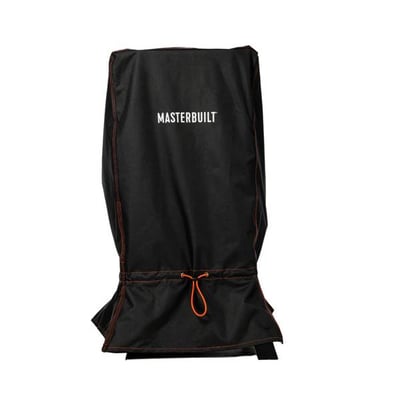

Protective Covering and Moisture Control
Even with your smoker tucked away in that climate-controlled garage, you’re not quite done yet—a quality cover is your next line of defense against the sneaky stuff that’ll wreck your investment. Here’s what you need to know:
- Invest in a waterproof cover with breathability to prevent moisture from getting trapped underneath like a unwanted houseguest
- Position desiccant placement strategically inside your covered smoker to absorb any lingering humidity that sneaks through
- Check your setup monthly because moisture doesn’t take vacations, and neither should your vigilance
- Use breathable materials that actually work instead of plastic tarps that’ll suffocate your equipment
Your smoker’s longevity depends on this final step. Don’t skip it. A little effort now means countless delicious meals later.
Maintenance and Inspection Before Use
Before you fire up your smoker for the first time in a while, you’ll want to give it a thorough once-over—think of it like checking your car before a road trip. Start with a visual inspection of the exterior. Look for rust, cracks, or any damage that might’ve happened during storage. Check the grates and thermometer too. Next up? Electrical testing. Plug it in and make sure it powers on without any weird sounds or smells. Test the temperature dial. You don’t want surprises mid-cook! Inspect all the cords for fraying or damage. Give everything a good wipe-down while your at it. This simple routine keeps your smoker running smoothly and makes sure you’re ready for delicious barbecue season ahead.
Frequently Asked Questions
Can I Leave My Electric Smoker Outside Year-Round Without a Cover?
No, you shouldn’t leave your electric smoker outside year-round without a cover. Weather exposure will damage internal components, rust metal parts, and reduce its lifespan. Additionally, you’ll risk pest infestation compromising your equipment’s functionality.
What Is the Average Lifespan of an Outdoor Electric Smoker Cover?
Your electric smoker cover typically lasts 3-5 years, depending on material durability and your usage patterns. UV exposure, weather conditions, and how frequently you’re using your smoker will markedly impact how long it’ll hold up.
Does Homeowners Insurance Cover Damage to Outdoor Electric Smokers?
Your homeowners insurance typically doesn’t cover your outdoor electric smoker unless you’ve added specific endorsements. You’ll want to review your policy’s liability limits and consider purchasing additional coverage for your equipment’s protection.
How Often Should I Replace the Heating Element in My Smoker?
Like clockwork, you’ll want to inspect your heating element annually as part of your maintenance schedule. Most won’t need replacing for 3-5 years, but element failure signs—uneven temperatures or slow heating—mean it’s time for replacement.
Can I Use My Electric Smoker in Rain or During Wet Weather?
You shouldn’t use your electric smoker in rain without proper safety precautions. You’ll need reliable waterproofing methods like heavy-duty covers and sealed electrical connections to protect against moisture damage and electrical hazards.
Conclusion
You’ve done it! Your smoker’s now tucked in like a knight in shining armor, ready to weather whatever Mother Nature throws at it. Regular check-ups’ll keep rust and critters at bay, so you’re not scrambling come next barbecue season. Treat it right now, and you’ll be firing up delicious smoked meats for years. Your taste buds—and your wallet—will thank you. Happy smoking!