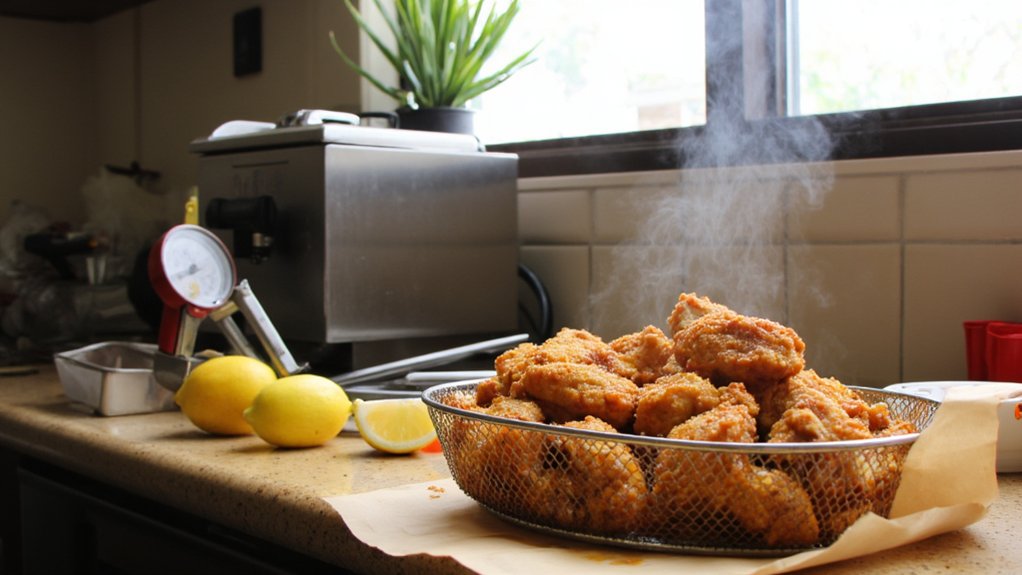
You probably don’t think much about your deep fryer until something goes wrong. But here’s the thing—these kitchen workhorses are actually responsible for more home fires than you’d expect. Whether you’re running a restaurant or just love crispy chicken at home, your fryer could be hiding some serious safety issues. The good news? Most problems are totally preventable with the right checks and habits, and we’re gonna walk you through what you need to know.
Key Takeaways
- Inspect heating elements, cords, and plugs regularly for damage, buildup, or corrosion that could trigger fires.
- Monitor oil temperature between 325°F-375°F and replace degraded oil showing dark discoloration or rancid smell immediately.
- Never leave fryers unattended during operation and maintain proper ventilation to prevent dangerous heat and smoke buildup.
- Watch for warning signs like excessive smoke, unusual electrical sounds, or scorch marks requiring immediate attention.
- Ensure adequate outlet capacity, clean exteriors regularly, and verify CSA-certified safety features function properly.


Common Fire Hazards Associated With Deep Fryers
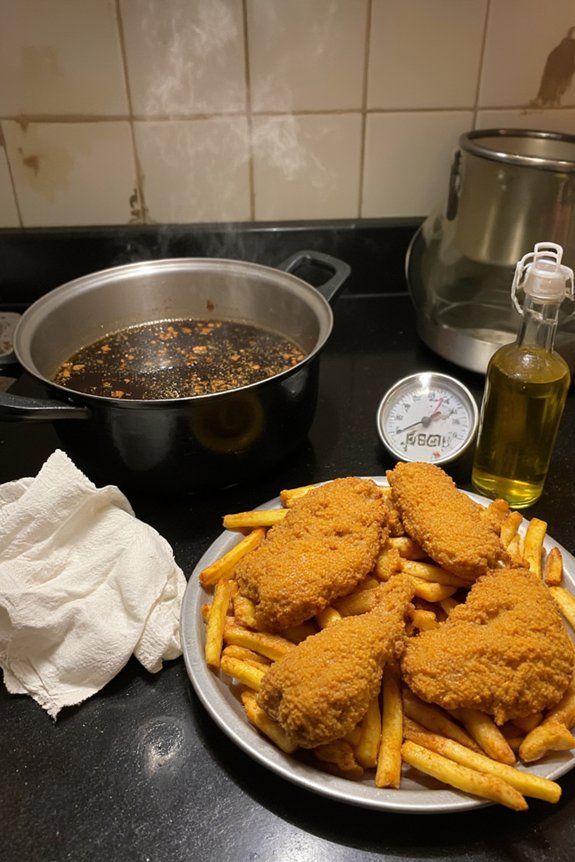
When you’re cooking up a batch of crispy fries or golden chicken wings, the last thing on your mind’s probably the dangers lurking in that hot oil. But here’s the thing: deep fryers pack some serious fire hazards you can’t ignore. Oil splatter is one of the biggest culprits. When moisture hits that superhot oil, it causes violent spattering that can ignite nearby surfaces or catch your skin. Then there’s the risk of electrical shorts, especially if you’ve got water anywhere near your fryer’s cord or outlet. Overheating oil itself creates smoke and potential combustion. And let’s not forget about grease buildup around the heating element, which becomes fuel for disaster. Understanding these hazards is your first line of defense against a kitchen fire. Some deep fryers now include CSA-certified safety features that help minimize risks like flare-ups and overheating, but it’s still crucial to follow proper safety practices.
How to Inspect Your Deep Fryer for Safety Issues
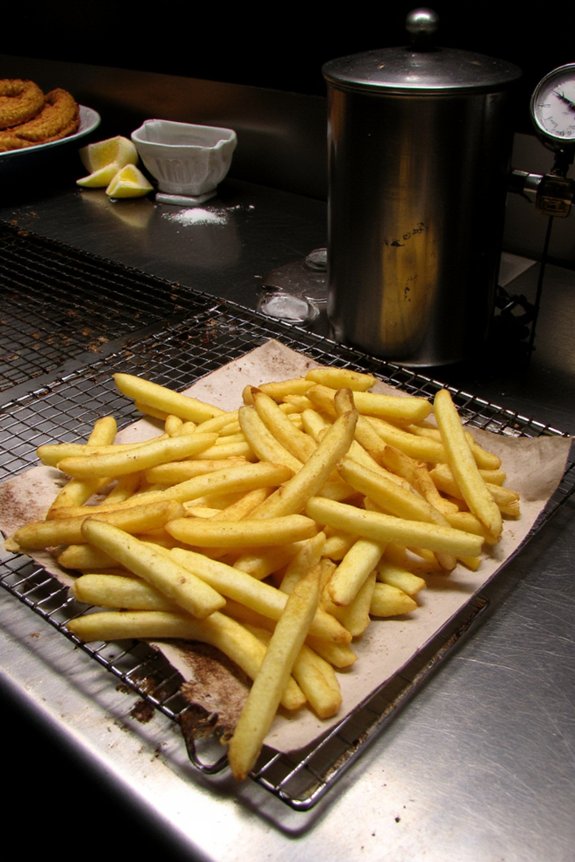
Now that you know what dangers lurk in your deep fryer, it’s time to actually look at the thing and make sure it’s not about to become a fire hazard. Start by checking the exterior for cracks, dents, or worn spots that could spell trouble. Next up is temperature calibration—grab a reliable thermometer and verify your fryer’s actually hitting the temps it claims. Even a few degrees off can cause problems. Don’t skip oil testing either; old, degraded oil breaks down faster and becomes more flammable. Look for dark discoloration or that funky smell. Inspect the heating element for buildup or corrosion, and make sure all cords and plugs aren’t damaged. These simple checks could literally save your kitchen from going up in flames. Also, always check that your fryer has automatic shut-off system features, as this greatly reduces fire risk if the unit overheats or malfunctions.
Warning Signs Your Fryer Needs Immediate Attention
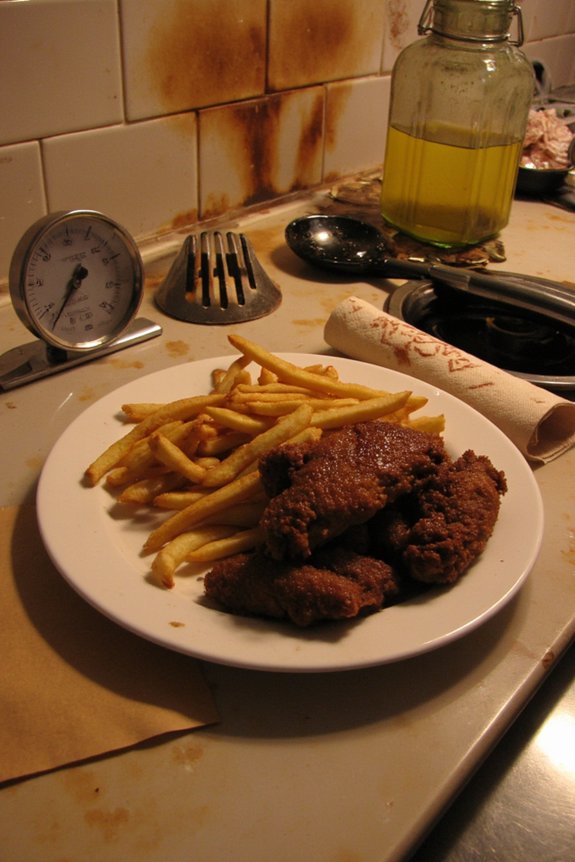
If you’ve done the inspection we just talked about and something feels off, don’t ignore that gut feeling. Your fryer might be screaming for help in ways you can actually see and hear. Watch for excessive smoke billowing from the unit, which isn’t normal even when cooking. Listen for unusual buzzing or crackling sounds coming from electrical components. Check if your smoke detectors keep going off near the fryer, signaling a real problem. Notice any scorch marks, discoloration, or burnt smells around the heating element. Test your electrical grounding to make sure it’s working properly because faulty wiring causes fires fast. If the oil smells rancid or looks dark and gunky, that’s your cue to replace it immediately. Don’t wait—act now. Just like with warranty, durability, and space considerations, regular fryer maintenance and prompt attention to warning signs can help prevent dangerous malfunctions and keep your kitchen safe.


Essential Maintenance Tasks to Prevent Fires
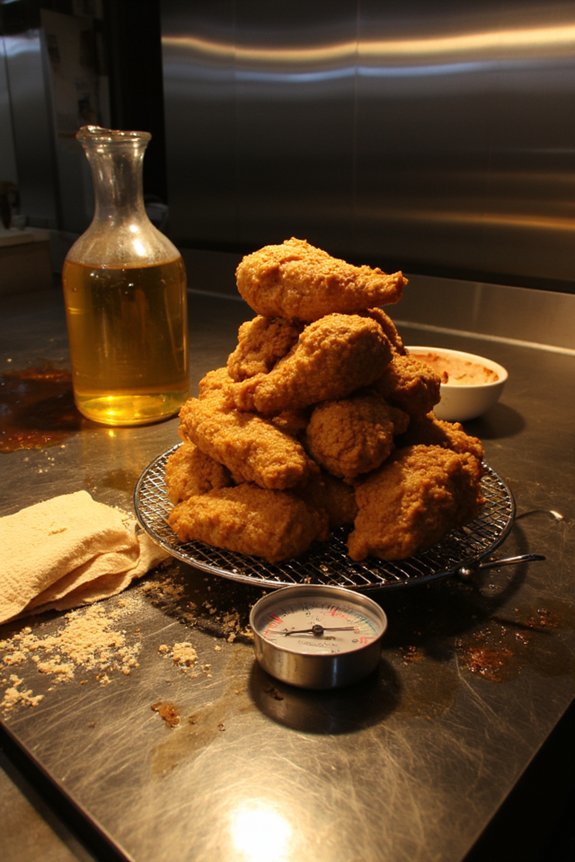
Spotting those warning signs means you’ve caught your fryer on the brink, but the real lifesaver is staying ahead of trouble before it starts. Here’s what you actually need to do.
Routine filter replacement is non-negotiable. You should swap those filters every few weeks, depending on how often you’re frying. Dirty filters restrict airflow and cause your fryer to overheat—basically asking for trouble.
Next up, get an outlet upgrade checklist going. Old outlets can’t handle modern fryers’ power demands, creating dangerous electrical situations. Have an electrician inspect yours to make sure it’s up to snuff.
Clean your fryer’s exterior regularly too. Grease buildup isn’t just gross; it’s a fire waiting to happen. Don’t skip this stuff.
Regular maintenance isn’t just about cleaning—following a typical lifespan schedule like with electric smokers can help ensure your fryer stays safe and functional for years.
Best Practices for Safe Deep Fryer Operation
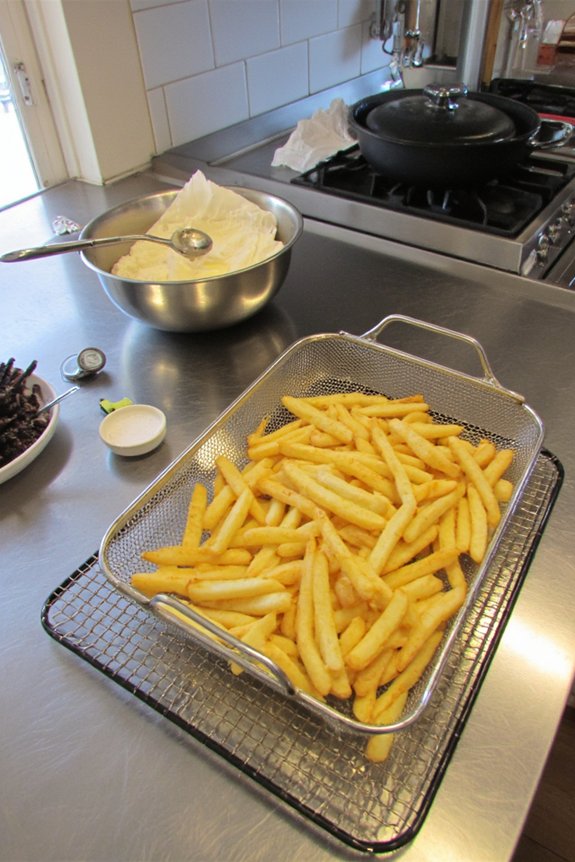
Keeping your deep fryer running safely comes down to how you actually use it day in and day out. First, monitor your oil temperature closely—most fryers work best between 325 and 375 degrees Fahrenheit. Going hotter than that’s asking for trouble. Never leave your fryer unattended while it’s operating, seriously. Keep your ventilation requirements in mind by ensuring adequate airflow around the unit, which helps prevent heat buildup and smoke accumulation. Don’t overcrowd the basket with food because that’ll cause oil splattering and temperature drops. Avoid adding water or wet ingredients to hot oil—that’s basically a recipe for disaster. Use a thermometer to double-check temperatures regularly. These simple habits keep your fryer performing safely and efficiently while reducing fire risks markedly. For an extra layer of protection, choose appliances with automatic shut-off features to help prevent overheating and minimize electrical hazards.
Frequently Asked Questions
What Type of Fire Extinguisher Should I Use on a Deep Fryer Fire?
You’ll want a Class K fire extinguisher for deep fryer fires, as it’s specifically designed for cooking oil. Class B extinguishers won’t work effectively on oil fires, so avoid using them.
Can I Use Water to Extinguish a Deep Fryer Oil Fire?
No, you shouldn’t use water on a deep fryer oil fire. Water dangers include violent steam explosions when it contacts hot oil, potentially spraying burning oil everywhere and causing severe burns to you and others nearby.


How Often Should I Replace the Oil in My Deep Fryer?
You should replace your deep fryer’s oil every 3-6 months, depending on usage frequency. Monitor the oil’s lifespan closely, as flavor degradation indicates it’s time for a change. Regular replacement maintains food quality and fryer performance.
What’s the Ideal Temperature Range for Safe Deep Frying Operations?
You’ll want to maintain temperatures between 325-375°F for safe deep frying. Your ideal temp depends on what you’re cooking. Don’t exceed your oil’s smoke point, which typically ranges from 400-450°F for most frying oils.
Should I Have Fire Insurance That Specifically Covers Commercial Kitchen Equipment?
Yes, you should secure fire insurance with specific policy coverage for your commercial kitchen equipment. Make sure your policy includes proper equipment valuation to adequately protect your deep fryer and other valuable cooking apparatus from fire damage.
Conclusion
You’ve got this. Keep your fryer in tip-top shape by staying on top of maintenance, and you’ll dramatically reduce your fire risk. Regular inspections, clean oil, and watching for warning signs? That’s really all it takes. Don’t ignore weird smells or excessive smoke—they’re your fryer’s way of waving a red flag. Practice safe habits every single time you fry, and you’ll keep your kitchen safe and delicious.