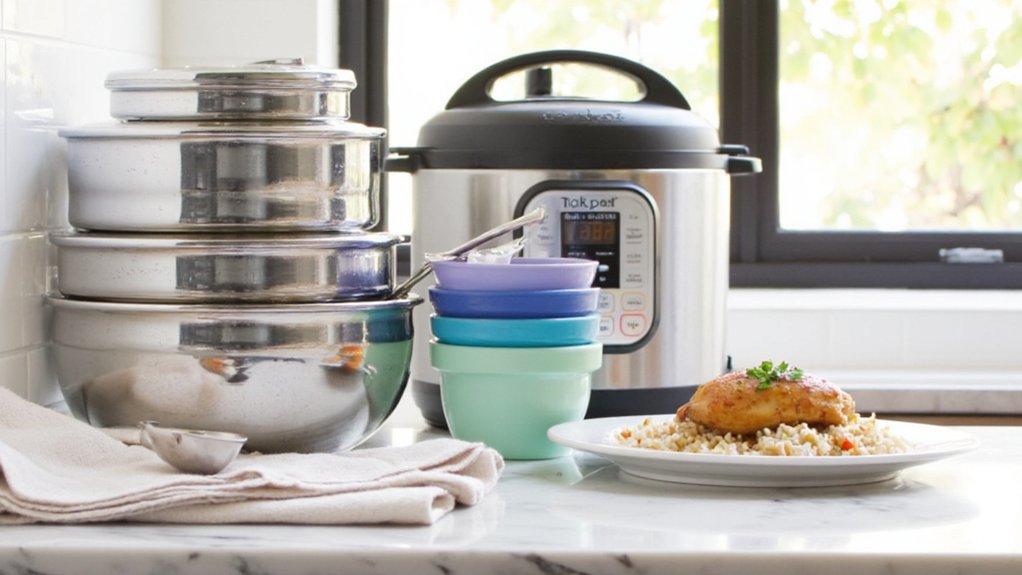
If your multi-cooker accessories are scattered across three different drawers and you can’t find that one lid when you need it, you’re not alone. Most people treat these storage situations like a game of kitchen roulette. But here’s the thing: organizing them doesn’t take much effort, and the payoff? You’ll actually know where everything is. So let’s figure out how to wrangle those steamers, racks, and seals into submission.
Key Takeaways
- Assess your current collection, discard damaged items, and group similar accessories together for better visibility and inventory control.
- Store frequently used items like steamer baskets and trivets in front-and-center locations for convenient daily access.
- Create a dedicated multi-cooker storage zone using clear bins and drawer dividers to keep all accessories organized and visible.
- Implement a waterproof labeling system with color-coded tags to quickly identify items and prevent guessing during cooking.
- Store delicate components like sealing rings separately in soft pouches or padded compartments to prevent warping and costly replacements.


Assess Your Current Accessory Collection
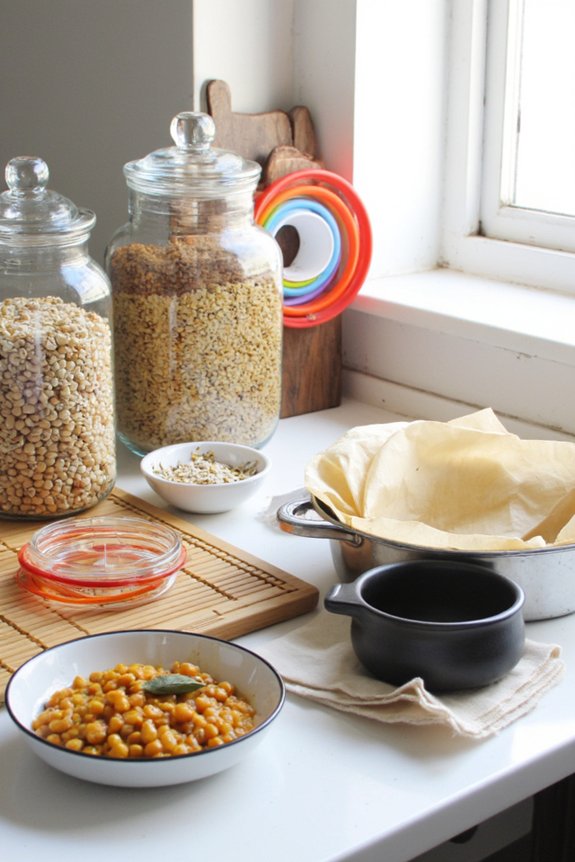
Before you can organize your multi-cooker accessories, you’ve gotta know what you’re actually working with. Start by pulling everything out of your drawers and cabinets. Lay it all on the counter where you can see it clearly.
Do a thorough inventory audit of every steamer basket, rack, and lid you own. Check the accessory lifespan too—toss anything that’s cracked, warped, or just plain broken. No point keeping stuff that doesn’t work anymore.
Group similar items together. Stack your racks, pile your inserts, and corral those random lids. You’ll probably discover you’ve got duplicates hiding around, and that’s totally normal. Once you’ve got everything visible and sorted, organizing becomes way easier and you’ll actually know what you’re storing.
As you assess your collection, consider the capacity and serving size of your multi-cooker when deciding which accessories are truly useful and which ones are just taking up space.
Categorize Accessories by Function and Frequency of Use
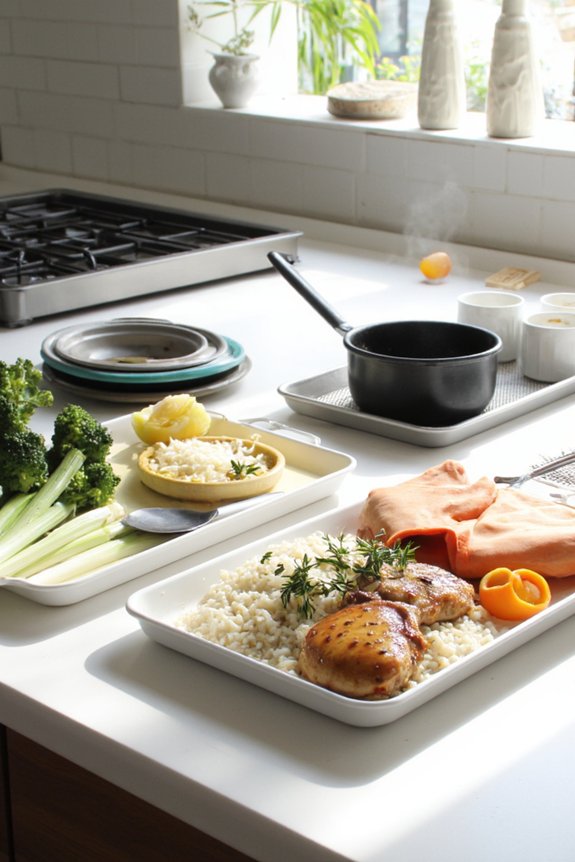
Now that you’ve got everything sorted and visible, it’s time to get strategic about how you actually store it all. Start by mapping out your usage patterns. Which accessories do you reach for constantly? Which ones gather dust? This usage mapping helps you prioritize storage placement.
| Accessory Type | Storage Priority |
|---|---|
| Steamer basket, trivet | Daily use (front and center) |
| Sealing ring, lid | Regular use (easy access) |
| Specialty inserts, racks | Occasional use (secondary spot) |
| Replacement parts, manuals | Rarely used (back of cabinet) |
Your accessory rotation will become natural once you’ve organized by function. Keep your go-to pieces within arm’s reach, honestly. Store seasonal or specialized items separately. This way, you’re not digging through everything just to find your steamer basket. Smart categorization saves you time and frustration. For even better organization, consider compact stainless steel designs or space-saving appliances when choosing where to place your most-used accessories.
Choose the Right Storage Containers and Systems
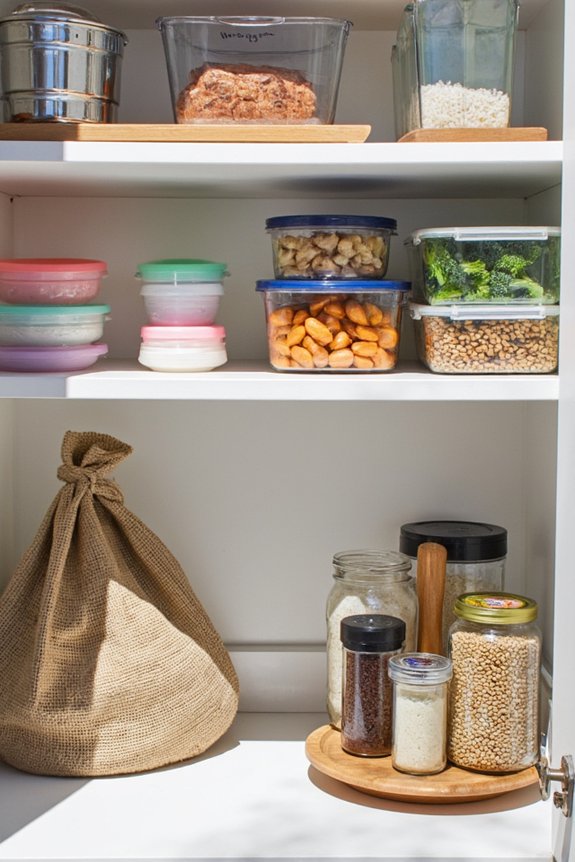
Once you’ve figured out which accessories you actually use, it’s time to get them into proper homes, and that’s where clear plastic bins come in handy because you can see exactly what’s inside without opening every single container. Drawer dividers are your best friend too, especially if you’ve got limited cabinet space and need to keep things like lids, sealing rings, and replacement parts from turning into a jumbled mess. A solid labeling system—whether you’re using a label maker, masking tape, or just your neatest handwriting—ties everything together and saves you from playing the guessing game when you’re in a cooking crunch. If you’re organizing accessories that include anything with batteries or electronics, remember to store them in a way that avoids moisture and extreme temperatures to help preserve their longevity and performance.


Clear Plastic Bins
Clear plastic bins are probably your best friend when it comes to wrangling all those multi-cooker attachments and accessories. You’ll love how you can see exactly what’s inside without opening them up. Stack stackable crates in your cabinet or pantry to maximize vertical space without creating chaos. Clear bins let you group similar items together—lids with lids, sealing rings with sealing rings, that sort of thing. They’re also super affordable and come in various sizes to fit your specific needs. Plus, they protect your accessories from dust and moisture way better than just tossing everything in a drawer. The transparency factor really is a game-changer for staying organized long-term. You won’t waste time hunting for that one steamer basket again. For even more convenience, look for bins that are dishwasher-safe and easy to clean, just like the best electric griddle accessories, to ensure your storage stays hygienic and hassle-free.
Drawer Dividers Work Best
While clear bins are fantastic for visibility, sometimes you want your accessories right at your fingertips without having to dig through stacked containers. Drawer dividers are your secret weapon here. They keep everything organized and super accessible.
Consider these options for maximum efficiency:
- Space saving inserts that fit snugly into your drawers
- Adjustable dividers for customizing compartments based on your needs
- Vertical slotting systems that let you see all your items at once
You’ll love how drawer dividers transform chaos into order. They’re perfect for storing smaller accessories like sealing rings, steam racks, and various lids. Since everything’s visible and separated, you’ll actually remember what you’ve got. No more buying duplicates or forgetting about that spare gasket hiding in the back. Your multi-cooker setup stays neat, functional, and genuinely easy to navigate daily. For even more streamlined organization, consider choosing dishwasher-safe accessories that are easy to clean and maintain as recommended for top kitchen appliance setups.
Labeling System Essentials
After you’ve got your drawer dividers in place, the real magic happens when you add a solid labeling system. You’ll want to grab some color coding markers or stickers to distinguish between different accessory types. Use material tags made of durable plastic or laminated paper that’ll actually stick around instead of peeling off after a week. Label everything clearly: pressure cooker lids, sealing rings, trivets, and steamers. You might even want to mark which accessories go with specific cooking functions. Trust me, when you’re prepping dinner at 6 PM, you won’t regret knowing exactly where that replacement gasket lives. A good labeling system saves you from that frustrating ten-minute hunt through random containers, turning your kitchen chaos into something actually manageable.
Create a Dedicated Multi-Cooker Storage Zone
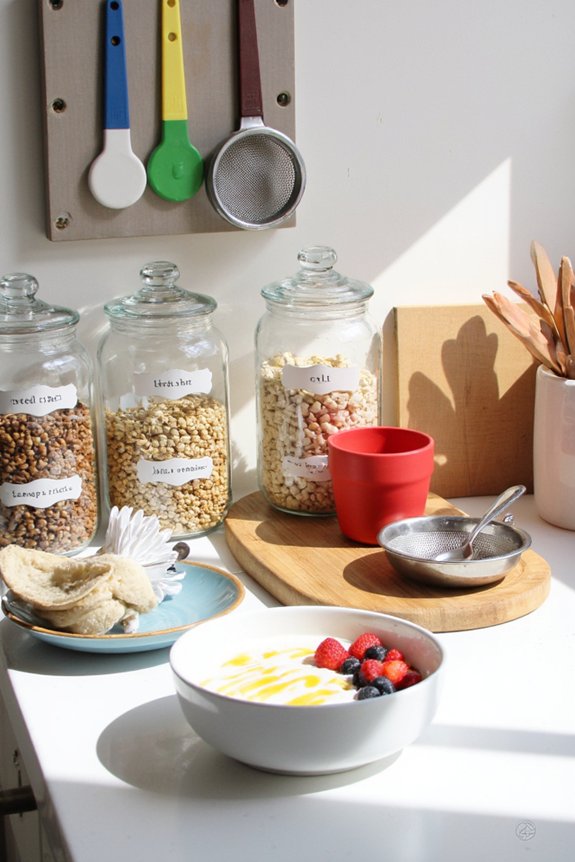
Now that you’ve picked your containers, it’s time to find the perfect home for all your multi-cooker stuff—ideally a cabinet, shelf, or drawer that’s close to where you actually use the appliance. You’ll want to think about what goes where, whether that’s grouping your lids together, keeping steamers and racks easily accessible, or stacking smaller accessories in clear bins so you’re not hunting through a jumble of stuff every time you cook. The goal here is making your zone so convenient that you’ll actually remember you have all these gadgets and won’t just end up using the same three accessories over and over again.
Zone Location and Setup
Because your multi-cooker accessories tend to scatter across every cabinet and drawer in your kitchen, creating a dedicated storage zone is honestly one of the best decisions you’ll make for staying organized. Pick a spot that makes sense for your cooking routine.
Consider these locations:
- A lower kitchen cabinet near your multi-cooker for easy access
- A pantry shelf with vertical stacking to maximize space
- Countertop placement in a small caddy or basket if you use accessories daily
Think about what works best with your kitchen layout. You want something convenient, not tucked away where you’ll forget about it. If you’re constantly grabbing lids and trivets, keeping them close to your appliance saves time and frustration. Your future self will thank you for this small but mighty organizational move.


Container Selection and Organization
Once you’ve picked your storage zone, the real magic happens when you choose the right containers to corral all those accessories. Think about grabbing some space saving totes that’ll keep everything visible and protected. Stackable baskets work wonders too, especially if you’re working with limited shelf space. You’ll want clear containers so you can actually see what’s inside without rummaging through everything like you’re searching for buried treasure.
Label everything clearly. Seriously, future you will be grateful when you’re not squinting at mystery containers at midnight. Group similar items together—lids with lids, silicone rings with rings, that sort of thing. Use smaller boxes or dividers within your larger containers to prevent the great accessory avalanche. The goal’s keeping everything accessible and organized so you’ll actually use your multi-cooker more often.
Implement a Labeling System for Easy Identification
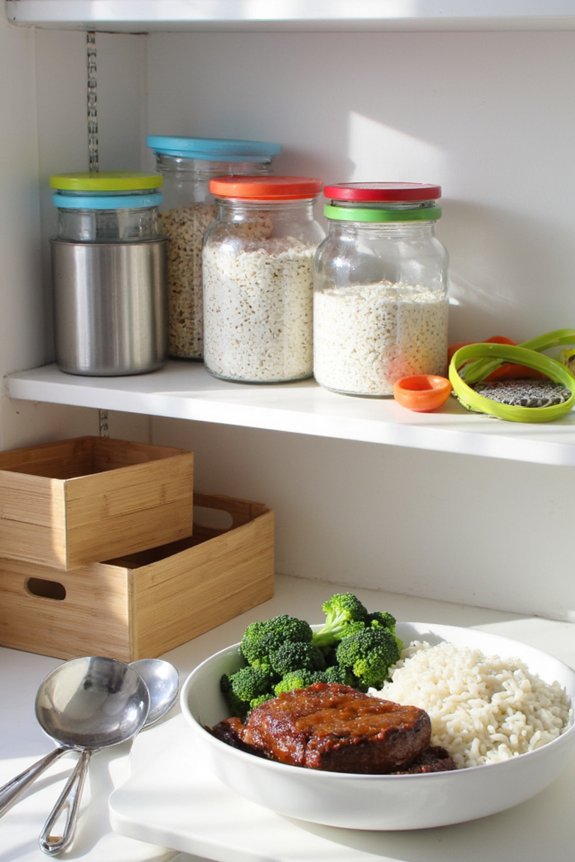
A solid labeling system is honestly one of those small things that saves you from the “wait, which lid goes with what?” frustration down the road. You’ll want to grab some waterproof labels since your accessories’ll be living in drawers and cabinets where moisture happens. Consider these labeling strategies:
- Color coded tags for different cooker models or accessory types
- Waterproof labels with clear, large text you can actually read
- Date labels for tracking when you acquired each piece
Think of it like giving your accessories little name tags at a party. A label maker’s your best friend here, though a permanent marker works fine too. The key’s making sure your labels stick around longer than a week and won’t smudge into illegibility. You’re fundamentally future-proofing yourself from kitchen chaos.
Protect Delicate Components and Sealing Rings
Now that your accessories have proper ID tags, it’s time to focus on keeping the more fragile pieces in actual working condition. Your sealing rings deserve special attention since they’re basically the MVPs of your multi-cooker. Store them separately using ring specific storage—think small containers or dedicated compartments where they won’t get squished. Delicate component insulation matters too, so consider wrapping delicate parts in soft cloth or bubble wrap. This protects them from scratches and damage during storage. Keep lids, valves, and gaskets in their own cozy spots away from heavier accessories. You don’t want your prized sealing ring warped by something crashing into it. A little TLC now prevents expensive replacements later, which frankly beats the frustration of discovering broken parts when you’re ready to cook.
Maintain Your Organized System Over Time
The best organizational system in the world doesn’t mean squat if you let it fall apart after a few weeks. You’ve gotta actively maintain what you’ve built, or you’ll find yourself back to square one with accessories scattered everywhere.
Make habit reinforcement part of your routine:
- Return items to their designated spots immediately after using your multi-cooker
- Do a quick monthly check-in to guarantee everything’s still where it should be
- Conduct a seasonal review before major cooking seasons to restock or reorganize
The key’s staying consistent. It doesn’t take much effort once you’ve established the pattern. When you treat organization like brushing your teeth, it becomes automatic. You’re protecting your investment and saving yourself frustration down the road. That’s what separates pros from people who just wing it.
Travel-Friendly Organization for Portable Multi-Cookers
Once you’ve got your home setup locked down, it’s time to think about what happens when your trusty multi-cooker hits the road. Portable models deserve thoughtful packing strategies that keep everything together and protected. Compact travel cases are game-changers, designed specifically to cradle your cooker and essentials snugly. Accessory pouches organize smaller items like sealing rings, trivets, and measuring spoons so nothing gets lost in transit.
| Item | Best Storage Solution |
|---|---|
| Cooking pot | Padded cooker case |
| Sealing rings | Accessory pouches |
| Steam rack | Collapsible containers |
| Measuring tools | Modular kits |
| Cords/accessories | Soft pouches |
Collapsible containers save serious space in your luggage. Modular kits bundle everything you’ll need, eliminating guesswork. You’re basically creating a travel kitchen that’s ready whenever inspiration strikes. Smart packing means more cooking freedom wherever you roam.
Frequently Asked Questions
Can I Store My Multi-Cooker Accessories in Humid Kitchen Environments Without Damage?
Yes, you can store your multi-cooker accessories in humid kitchens using moisture resistant storage containers and silica gel packets. These solutions’ll protect your accessories from rust and deterioration effectively.
What’s the Best Way to Organize Accessories for Different Multi-Cooker Brand Models?
You’ll want to use brand-specific layouts and modular inserts tailored to each model. Label your storage containers clearly, organize by cooker type, and stack compatible accessories together. This prevents mixing incompatible parts between different brands.
How Often Should I Replace Worn Sealing Rings and Gasket Components?
You’ll want to inspect your sealing rings monthly for wear signs. Most gaskets last 12-18 months with proper silicone care. Follow your replacement schedule closely—damaged rings compromise cooking results and safety markedly.
Are Stackable Containers Safe for Storing Stainless Steel Accessory Pieces Long-Term?
You’ll find stackable containers safe for stainless steel accessories if you’re ensuring proper air circulation and moisture control. However, you shouldn’t ignore long term corrosion risks from humidity buildup. You’d benefit from adding desiccant packets to prevent stackable safety issues.
Should I Store Accessories Inside or Outside the Multi-Cooker Unit Itself?
You should store accessories separately from your multi-cooker unit itself. Inside storage within the cooker can trap moisture and cause damage. Keep them in a dedicated drawer or cabinet instead for better protection.
Conclusion
You’ve got this! Your multi-cooker accessories don’t need to be chaos anymore. With everything sorted, labeled, and tucked into a dedicated zone near your appliance, you’ll actually enjoy cooking instead of hunting for that one mysterious lid. Just do a quick monthly sweep, return stuff promptly after use, and you’re golden. Your future self’ll thank you for staying organized.