
Think your kitchen needs five gadgets to do it all? Nah. With a multi-cooker, you can sauté and sear for flavor, pressure-cook chilis fast, slow-cook cozy dinners, steam veggies or fish, and nail rice without babysitting. It even proofs dough and makes yogurt, so your oven can take a nap. One pot, less mess, more time back. Curious how it pulls off pasta nights, soups, and big-batch stews without chaos? Let’s crack it open.
Key Takeaways
- Sauté and sear directly in the pot to brown proteins and aromatics, then deglaze for rich, pan-style sauces.
- Pressure cook stews, beans, and tough cuts fast, delivering tender, saucy results without long braises or soaking.
- Slow cook set-and-forget dinners; load in the morning and return to ready, deeply flavored meals.
- Steam vegetables, fish, and dumplings gently, or cook one-pot pasta with silky noodles and minimal babysitting.
- Cook perfect grains, proof dough, and make yogurt with precise presets, all with easy one-pot cleanup.
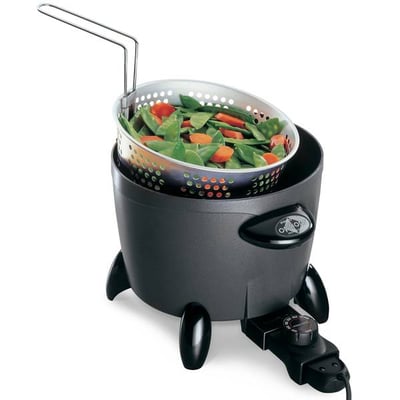
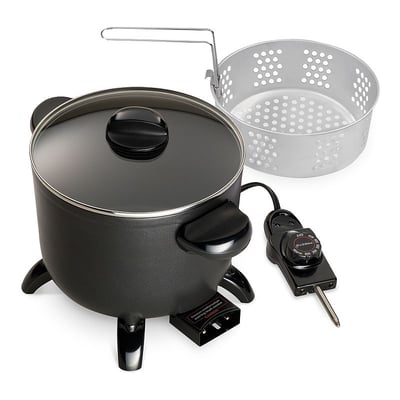
Sauté and Sear Like a Skillet

Fire up that sauté function and you’ll see why a multi-cooker can stand in for your skillet any night of the week. You’ll get quick, High heat browning on onions, peppers, or chicken thighs, and that sizzle sounds like dinner’s practically done. Keep the lid off, let moisture escape, and don’t crowd the pot. Give ingredients space, they like to breathe.
Heat the pot first, add oil, then your protein. Let it sit. Don’t fuss. Flip once you see that deep color, because that’s flavor. Deglaze with a splash of stock to lift those tasty bits, easy-peasy. Veggies go after the meat so they stay crisp. Want a Pan frying finish? Crank heat near the end, spoon juices over, and boom, golden. Tastes legit.
Many multi-cookers also feature dishwasher-safe components that make cleanup after sautéing and searing incredibly convenient.
Pressure Cook for Lightning-Fast Meals

You’ll love how pressure cooking turns tough cuts into tender, saucy goodness in minutes, so weeknight roasts don’t feel like a Sunday project. Beans? Yep, you can skip the overnight soak and still get soft, flavorful chickpeas or black beans fast, perfect for tacos, soups, or a quick bowl with rice. Set the timer, lock the lid, and let the steam do the hard work while you pretend you’re doing a lot more than pressing a button. Many multi-cookers feature programmable timers that automatically switch to Warm mode, making it easy to keep your meal ready without overcooking.
Tender Meats in Minutes
Hit start and let pressure do the heavy lifting: that’s the secret to turning tough cuts tender in a fraction of the usual time. You’ll drop in chuck roast, pork shoulder, or chicken thighs, add broth and spices, then set it and relax. The sealed pot boosts heat and steam, so connective tissue melts fast, giving you silky, fall-apart bites without babysitting.
Here’s the fun part. Rapid shredding is almost effortless, and the juices stay put, not evaporating into thin air. That means big flavor infusion, from garlic and onions to smoky paprika or chipotle. Brown first if you like, then pressure cook, and finish with a quick simmer for sauce that clings. Dinner’s ready, you look like a pro, nobody needs to know.
Multi-cookers use precise temperature control to ensure even cooking and perfect tenderness, echoing the results of advanced sous vide devices.

Weeknight Bean Shortcuts
Crank up the pressure cooker and watch dried beans go from stubborn pebbles to dinner heroes in under an hour. You’ll skip overnight soaking, get creamy centers, and have dinner on the table before your playlist ends. Add aromatics, a splash of broth, and a pinch of salt after cooking so skins stay tender. Boom, weeknight win.
- Use canned bean hacks: pressure steam for 1 minute to warm through, then toss with olive oil, lemon, and herbs for a fast side.
- Make quick mashed chickpeas: cook, drain, smash with garlic and yogurt, then swirl in chili crisp. Ridiculously good.
- Batch-cook pintos, freeze flat in bags, and reheat with a little water for burrito night.
Finish strong with a splash of vinegar. Brightens everything, no kidding. For best results and nutrient retention, use a pressure cooker or electric steamer with even heating and adjustable timers, ensuring your beans are perfectly cooked every time.
Slow Cook for Set-It-and-Forget-It Dinners
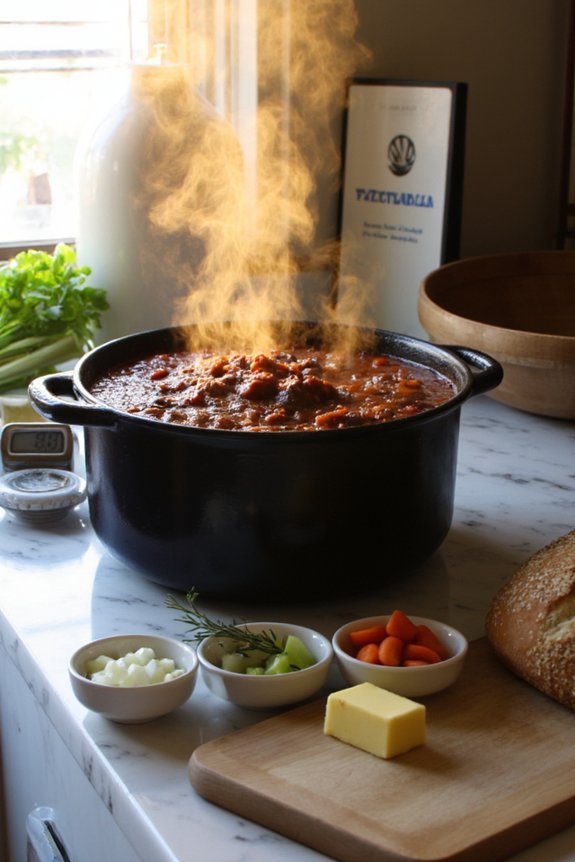
Sometimes the best dinners are the ones that cook themselves while you’re off doing, well, literally anything else. With slow cook mode, you load the pot in the morning and let your multi-cooker babysit. It fits your meal prep and set routines, so dinner’s predictable without feeling boring. Brown onions and protein first for flavor layering, then add stock, herbs, and veggies. Simple stuff, big payoff.
Use low for tenderness, high for speed when you’re running late. Toss in timed sauces near the end so they stay bright and don’t vanish into the stew. Think shredded chicken tacos, cozy pot roast, lentil curry, or a saucy meatball night. You’ll come home to rich aromas, fewer dishes, and food that basically cooked itself. Magic-ish, right? And when you’re planning meals, considering grinding capacity and speed can help you prep ingredients faster for the pot, especially if you like adding freshly ground meats or veggies.
Steam Vegetables, Fish, and Dumplings
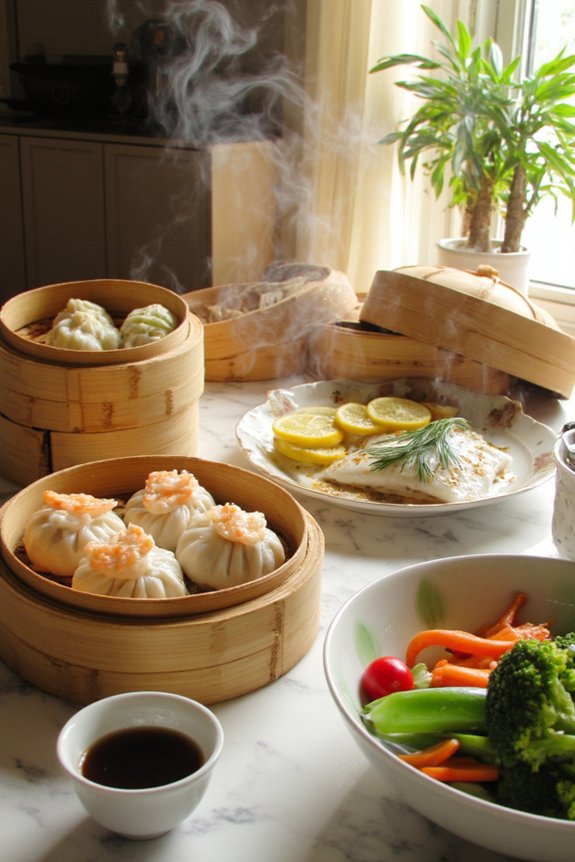
Even if you’ve only got 15 minutes, steam mode turns your multi-cooker into a gentle, flavor-saving machine. You’ll toss in a cup of water, set the rack, and let steam do the heavy lifting. Vegetables pop with color and bite, thanks to crisp vegetable retention, and you won’t babysit a pan. Fish stays tender because you can dial in delicate fish timing. Dumplings? Soft tops, springy middles, happy faces.
- Load mixed veggies, set 2 to 4 minutes, then finish with butter, lemon, or sesame oil.
- Lay fish on parchment, season simply, steam 3 to 8 minutes depending on thickness.
- Arrange dumplings from frozen, steam 8 to 10 minutes, then drizzle chili crisp.
Cleanup’s quick, your stove stays clean, and dinner feels fancy without trying too hard.
Make Perfect Rice and Grains Every Time
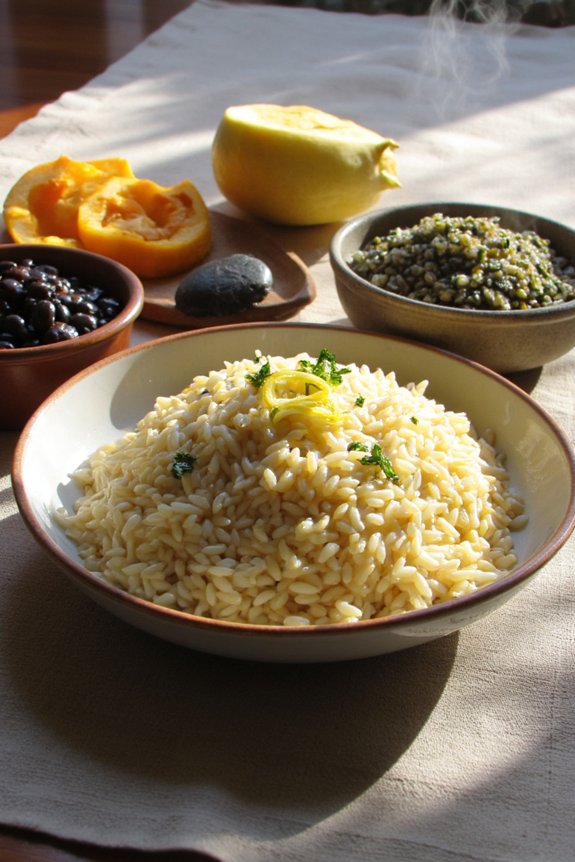
You hit a button, the cooker handles the steam and timing, and boom—fluffy rice that doesn’t stick or sulk. Short grain, long grain, quinoa, farro, you name it, you just pick the preset and it nails the foolproof grain ratios for water and cook time. No babysitting, no guesswork, just perfect scoops that make you look like you’ve got a tiny chef hiding in there.
One-Touch Fluffy Rice
Usually, the hardest part about rice is not overthinking it, and that’s exactly where the multi-cooker shines. You rinse, tap the Rice button, and walk away. That’s it. The cooker handles heat, steam, and timing so you get fluffy grains that don’t glue together or turn mushy. Whether you want aromatic basmati for curry night or sticky sushi rice for rolls, you’ll hit that sweet spot without babysitting the pot.
- Quick weeknight tip: rinse till water runs clear, then let the machine do its thing.
- Add a pinch of salt or a tiny drizzle of oil for cleaner flavor and separated grains.
- Finish with a gentle fluff and a few minutes on Keep Warm, so steam relaxes and texture evens out.
Perfect bowl. Zero drama.

Foolproof Grain Ratios
A few simple ratios turn guesswork into great bowls, and your multi-cooker sticks the landing every time. Grab your measuring cups and think in pairs. White rice loves 1 cup rice to 1 cup water. Brown rice likes 1 to 1.25. Quinoa? Go 1 to 1.25 for tender, not mushy. Steel-cut oats are happy at 1 to 3. Millet sits nicely at 1 to 1.75.
Soaked grains drink less, so trim liquid by a splash, about 2 tablespoons per cup, and you’ll avoid sog-city. Rinse till water runs clearer, then salt the pot, just a pinch. Hit Pressure Cook and let natural release finish the job. Fluff with a fork, not a shovel. Batch some extras. Future you will say thanks, probably with mouth full.
Ferment Yogurt and Proof Dough
Though it sounds fancy, fermenting yogurt and proofing dough in a multi-cooker is basically set-it-and-forget-it magic. You tap a button, the pot holds a steady temp, and boom, you’ve got breakfast and tomorrow’s bread. With culture control and temperature cycling, your yogurt stays happy, tangy, and smooth. Dough gets a warm, draft-free rise, so you don’t babysit the bowl or crank the oven.
- Warm milk, stir in starter, set the yogurt mode, then chill to thicken. Easy-peasy.
- Mix dough, oil the pot, select low-heat proof, and let gluten do its stretchy thing.
- Use a glass lid for peeking, not lifting, to keep heat steady.
Clean-up’s simple. Liner out, quick wash, done. You’ll feel like a tiny dairy-and-bakery wizard, tbh.
One-Pot Pasta, Soups, and Stews Without the Mess
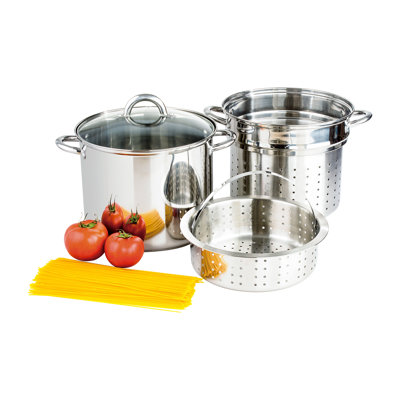
Sometimes dinner just needs to be easy, and that’s where your multi-cooker totally shines for one-pot pasta, soups, and stews. You sauté aromatics, toss in broth, pasta, or veggies, then press start. Boom. Flavor layering without babysitting. The sealed pot traps steam, so noodles turn silky and beans get tender fast, and you avoid that sink full of pots. It’s almost hands free cleanup, which your future self will high-five.
| Dish | Key Step | Time |
|---|---|---|
| Creamy tomato pasta | Sauté garlic, add pasta and broth | 6–8 min |
| Chicken noodle soup | Brown thighs, add veg and stock | 10–12 min |
| Hearty beef stew | Sear cubes, deglaze, pressure cook | 30–35 min |
Tip: finish with a splash of cream, lemon, or herbs. Little flourish, big wow.
Frequently Asked Questions
Can a Multi-Cooker Air Fry or Broil Foods for Crisp Finishes?
Yes—some multi-cookers do. You’ll use dedicated lids or attachments for air crisping techniques and top browning methods. Models with air-fry or broil functions circulate hot air, letting you finish wings, casseroles, or vegetables with crisp, caramelized surfaces.
How Much Electricity Does a Multi-Cooker Use per Hour?
It typically uses 0.7–1.2 kWh per hour, depending on mode and size. You’ll see a 700–1200W power draw. Your runtime cost is roughly $0.10–$0.20/hour at $0.15/kWh, higher for sear, lower for slow-cook.
Are Nonstick Inner Pots Safe and Free From PFAS?
They can be safe, but you should verify materials. Many PTFE coatings raise PFAS concerns; ceramic nonstick is PFAS-free. Avoid overheating and metal utensils to improve coating longevity. Check certifications, user reports, and manufacturer disclosures before deciding.
What Accessories Meaningfully Expand a Multi-Cooker’s Capabilities?
Use a steaming basket, silicone sling, and stackable pans for pot-in-pot cooking. Add a glass lid, trivet, dehydrator rack, egg rack, and extra sealing rings. You’ll proof dough, bake cheesecakes, steam veggies, and reheat leftovers cleanly.
How Do I Convert Traditional Oven Recipes for a Multi-Cooker?
Use pressure mode: cut cook time to 25–35%, add 1/2–1 cup liquid substitution, and reduce dairy/tomato thickeners. For baking, use pot-in-pot, shorten timing adjustments 20–30%, vent briefly, and finish with sauté for browning.
Conclusion
So yeah, your multi-cooker pretty much subs in for half your kitchen, and it doesn’t complain. You’ll sear, simmer, steam, and slow cook, then pressure-cook dinner when time’s tight. Rice turns out right, soups are cozy, pasta’s easy, and cleanup’s one pot. You can even proof dough and make yogurt, which feels a little fancy. Start with what you cook most, then try a new button each week. Before long, you’ll wonder why you waited.


