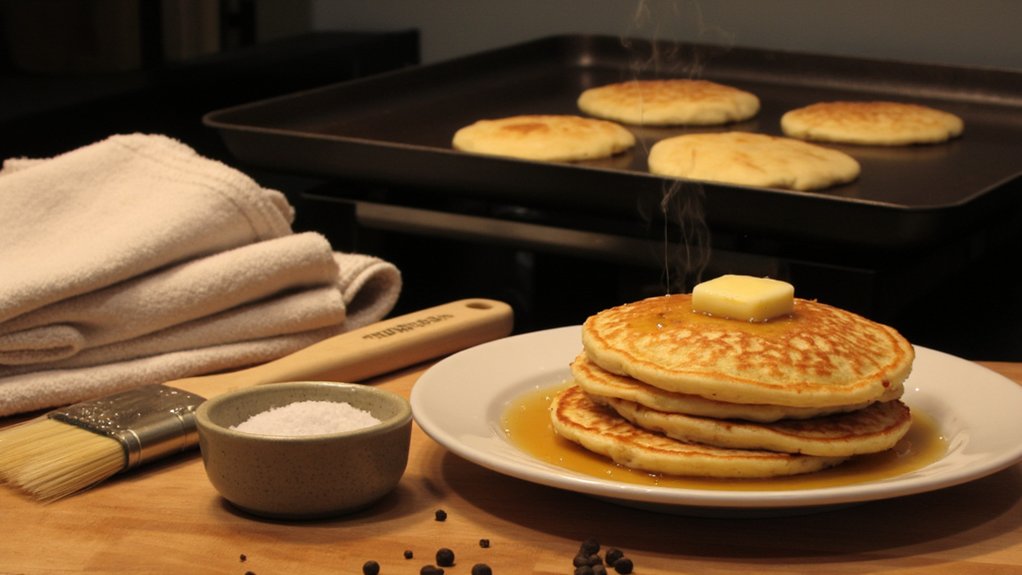
You’ve probably tried to “season” your electric griddle like cast iron, then wondered why it won’t turn jet‑black or super slick. It’s not you, it’s the thermostat, thin plate, and coatings. You need tiny amounts of the right oil, gentle heat, short cycles, and realistic expectations. Think subtle protective film, not campfire patina. Fewer smoke alarms, more pancakes that actually release. Curious which oils work, and how to fix sticky spots without wrecking the finish?
Key Takeaways
- Electric griddles don’t develop cast-iron-style seasoning; thermostats and uneven heat prevent a hard, bonded layer.
- Many plates are nonstick or anodized; heavy seasoning attempts can gum up, smell, and risk voiding warranties.
- Use a whisper-thin film of refined oil (grapeseed, canola, high-oleic sunflower) and low-to-moderate heat for 15–25 minutes.
- Build protection with 2–3 ultra-thin passes, minimal smoke, and good ventilation; patience beats a single high-heat blast.
- Maintenance matters more: warm, scrape gently, steam-wipe, then micro-oil; rebuild thinly if tacky spots or flakes appear.
Why Electric Griddles Don’t Season Like Cast Iron
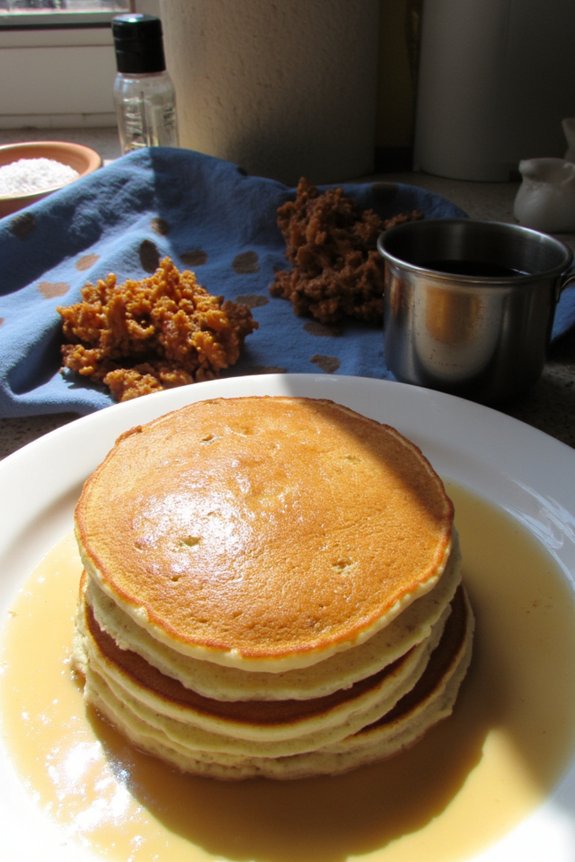
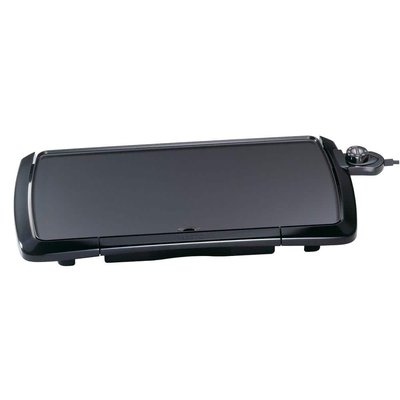
Even if you’ve babied that electric griddle like a prized skillet, it’s not going to season like cast iron, and there’s a good reason. You’re dealing with electrical heating, not a roaring burner, so temps stay capped and uneven. That matters. Cast iron loves sustained high heat, but your griddle has a thermostat and hotspots that cycle, so a hard, bonded layer won’t form the same way.
Plus, many plates are nonstick or anodized, and oil “seasoning” can gum up, smell funky, and void warranties. Check those manufacturer instructions. They’re not just legalese. They’re guardrails.
Another thing: thin plates can risk surface warping if you crank heat or shock them with cold water. Ignore the usual seasoning myths. Keep it clean, lightly oiled, and cook. That’s the sweet spot.
When considering removable, dishwasher-safe plates, proper cleaning is more effective than attempting to create a seasoned surface, and it helps preserve the nonstick finish and extend your griddle’s lifespan.
The Science of Polymerized Oil on Nonstick and Bare Plates

While you might picture “seasoning” as magic, what’s really happening is plain chemistry: heated oils break apart and recombine into a thin, hard film that clings to the surface. You’re watching polymer chemistry in your kitchen. On bare steel or aluminum, that film bonds better because there’s higher surface energy. On nonstick, the surface energy is low, so the film forms thinner and sticks less, but it can still fill micro-scratches and help release. Heat drives oxidation, tiny chains link up, and you get a slicker, tougher skin. Not invincible, just helpful. Much like cast iron pans, proper seasoning and maintenance can improve performance and longevity even on electric griddles.
| Surface | Surface Energy | What You’ll Notice |
|---|---|---|
| Bare steel | High | Stronger bond, darker patina |
| Aluminum plate | Medium | Decent film, lighter color |
| Nonstick plate | Low | Thin layer, subtle boost |
Keep it clean, warm, and patient.
Oils That Actually Work—and the Ones to Avoid
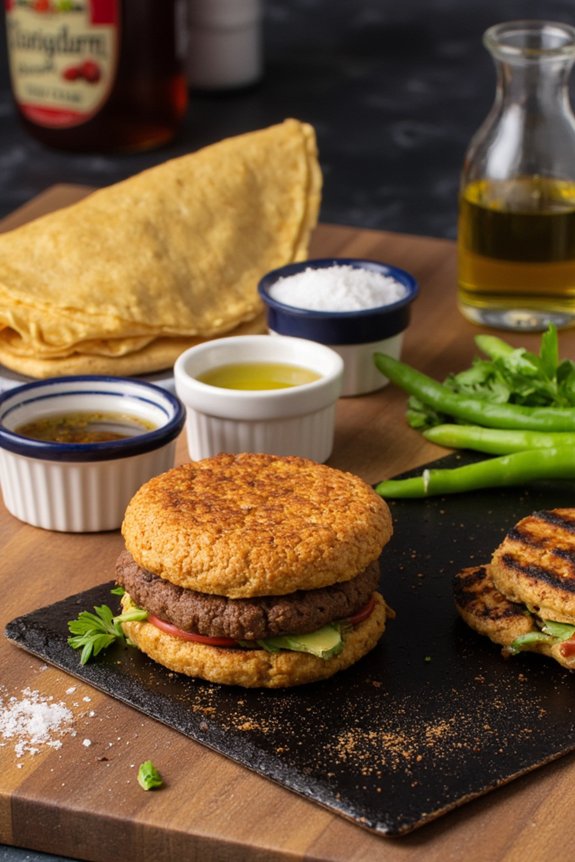
So now that you know that seasoning is just kitchen chemistry, let’s talk about the fuel for that reaction—oil. You want oils that polymerize clean, not ones that smoke up and smell like a campfire mishap. Go for high-polyunsaturated options with neutral vibes: grapeseed, canola, sunflower, or safflower. They’re steady, affordable, and don’t shout over your pancakes.
Think refined vs unrefined. Refined oils handle heat better and taste like basically nothing, which helps avoid flavor transfer risks. Unrefined coconut, sesame, or extra-virgin olive oil can leave stubborn aromas, and they scorch sooner. Save those for drizzling on food, not sealing your plate.
Skip butter, bacon fat, and flavored oils. Tasty, sure, but they gum up and turn sticky. Nobody wants syrupy eggs.
If you’re using a portable induction cooktop, be sure to pick a high-smoke-point oil since these units can get extremely hot very quickly and consistent seasoning depends on controlled heat.

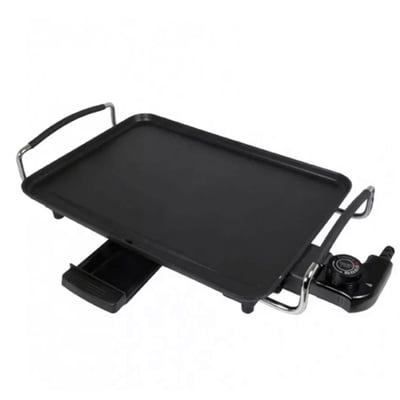
A Low-Smoke, Warranty-Safe Seasoning Routine
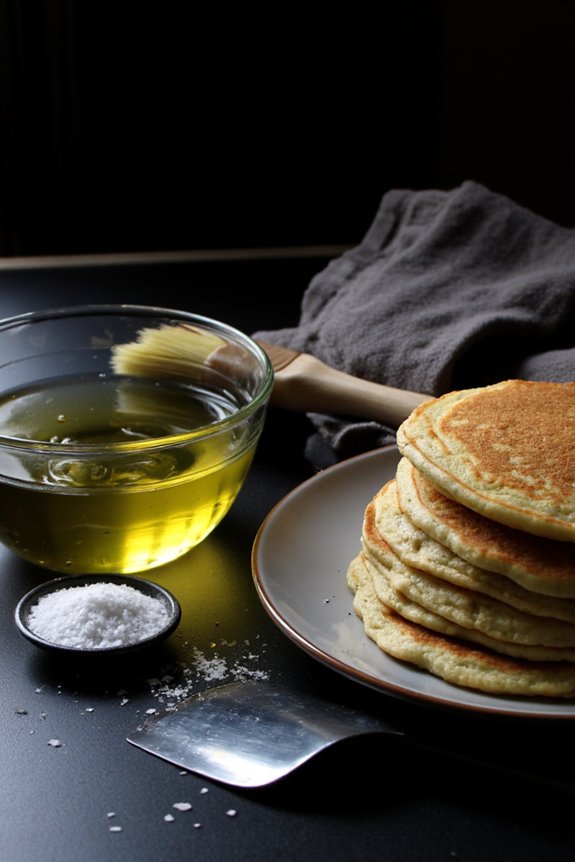
You want a clean, calm seasoning routine that won’t set off alarms or void your warranty, so start with oils that qualify, like refined canola, grapeseed, or rice bran. Keep the heat within the maker’s listed limits, letting the oil polymerize slowly without smoking, because “low and steady” beats “oops, smoky kitchen.” Crack a window, run a fan, and you’re golden—no fog machine vibes, just a smooth, safe finish. For best results and to extend lifespan, make sure to regularly clean and protect your griddle’s cooking surface as recommended for outdoor models.
Oil Choices That Qualify
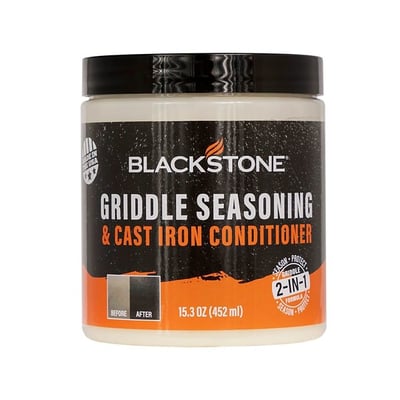
Usually, the best seasoning oils for an electric griddle are the ones that can handle heat without turning your kitchen into a smoke show and won’t void your warranty. You want neutral, stable, and easy to wipe thin. Refined avocado, grapeseed, canola, and high-oleic sunflower all qualify. They polymerize clean, leave a hard film, and don’t stink up the room.
Skip cold pressed myths that promise “pure flavor” for seasoning. Save that for salads. Refined oils behave better and avoid flavor transfer concerns when you cook pancakes after burgers. Coconut oil works in a pinch, but pick refined to keep scents mellow. Peanut oil’s fine if allergies aren’t an issue. Olive oil? Use light or refined only. Keep bottles fresh, cap tight, and buy modest sizes.
For cleaning up any sticky residue or maintaining your griddle, a method similar to simple descaling with vinegar or lemon—as recommended for many kitchen appliances—can help keep surfaces smooth and buildup-free.
Temperature Limits Matter
Even if a griddle can crank to rocket-ship temps, seasoning works best at the low end, where oil bonds without billowing smoke or tripping safety cutoffs. You’re not trying to sear; you’re trying to polymerize a thin film. So nudge the dial up gently, stay below the control’s temperature thresholds, and let the plate warm evenly. Most units top out fast, but your goal lives under those electric limits.
Start with a barely-there sheen of oil, heat to a modest setting, then hold it steady for 15 to 25 minutes. No rushing. If it smokes hard, you’re too hot. Back off, wipe, and keep going. Repeat thin layers, 2 or 3 passes, and you’ll build a tough, even coat. Slow and steady, like a Sunday stroll with snacks.
Ventilation Without Smoke
Sometimes the best seasoning sessions happen with barely a wisp of smoke, not a fog machine. You’re aiming for a thin, even coat of oil, modest heat, and patient cycles. That keeps kitchen airflow calm and your warranty happy. Crack a window, but think window placement: you want cross-breeze, not a gust that cools the plate unevenly. Turn on the vent hood early, low and steady, so air quality stays nice without a panic siren. If you’ve got a fan, point it out, not at the griddle.
Work in short seasoning rounds, letting the layer set before you reapply. If you smell sharp fumes, pause and cool. Keep a carbon monoxide alarm nearby, even for electric gear. Safety first, crispy pancakes later.
Maintenance Between Cooks: Heat, Wipe, and Rebuild
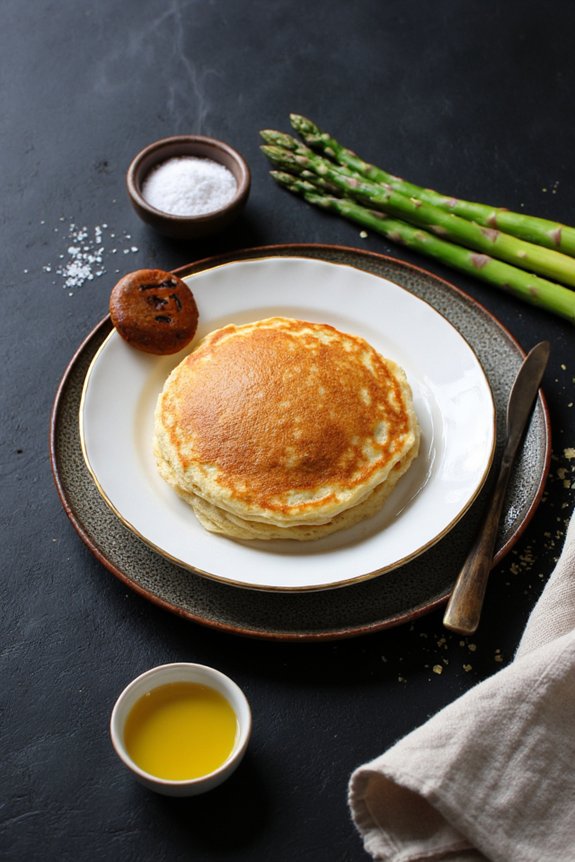
Kick things off by firing the griddle back up to medium heat and letting last meal’s crumbs loosen, because warm metal makes cleanup way easier. Give it a short heatup, then do a gentle scrape with a flat spatula, nudging stuck bits toward the drip tray. Toss on a damp towel for a quick steam wipe. That little cloud? It lifts grime without soaking the plate.
Now rebuild the surface. A few drops of high-heat oil, spread thin with a paper towel, gives a quick micro reseason. You’re not doing a full cure, just topping off the armor so breakfast doesn’t stick.
- 1) Heat to loosen.
- 2) Clean to neutral.
- 3) Oil to protect.
Let it cool, unplug, and smile. Tomorrow-you will high‑five you.
Fixing Sticky Spots, Flaking, and Uneven Browning
When the surface starts acting weird with sticky patches, flaky seasoning, or burgers browning darker on one side, don’t panic, you can bring it back. Heat the griddle to medium, then scrape gently with a flat metal spatula. You’re chasing sticky residue and loose flakes, not gouging the plate. Wipe with a paper towel and a touch of hot water, then dry. If spots stay tacky, rub a teaspoon of kosher salt with a little oil, scrub, wipe clean.
Now rebuild. Warm the plate, add a very thin film of high-smoke oil, and buff until it looks dry. No glistening puddles. Let it polymerize for 10 to 15 minutes, then cool. Repeat once or twice. Test with toast; uneven texture evens out fast. Patience beats panic.
Frequently Asked Questions
Will Seasoning Change My Griddle’s Energy Consumption or Preheat Time?
Yes, but only slightly. A well-seasoned layer can improve surface conductivity, smoothing heat transfer. You might see marginally faster preheat and steadier temps. However, carbonized oil introduces thermal hysteresis, so you’ll notice minor lag and residual heat effects.
Can I Season Over Factory Residue Without Voiding Returns?
Yes, you can, but you shouldn’t. Seasoning over factory residue risks adhesion issues, warranty concerns, and hurting resale value. Clean with mild detergent, dry thoroughly, do a light test cook, then season; keep proof to protect return eligibility.
How Does Altitude Affect Seasoning Behavior and Smoke Points?
At high altitude, lower pressure affects seasoning: reduced boiling point speeds evaporation but slows oil polymerization. You’ll see earlier smoke yet weaker films. Compensate with slightly higher surface temps, longer bake times, and thinner coats to counter pressure effects.
Is Flavored Oil Seasoning Safe for People With Food Allergies?
It’s risky. Flavored oils can contain hidden allergens and residues. You’ll need strict label reading practices, avoid “may contain” ingredients, and consider cross contact risks from shared equipment. When uncertain, choose pure, single-ingredient oil or verified allergen-free options.
Does Seasoning Impact Infrared Thermometer Accuracy on Griddle Surfaces?
Yes—seasoning can skew infrared readings. You’re measuring surface emissivity, and polymerized oils change it. Expect artificially low or inconsistent temperatures. Recalibrate your IR gun or adjust emissivity settings, verify with a contact probe, and repeat temperature calibration after major reseasoning.
Conclusion
So don’t chase a cast‑iron fantasy on an electric griddle. You’ll get a thin, tough film, not a black mirror—and that’s okay. Use a refined, high‑smoke oil, wipe on whisper‑thin coats, heat in short bursts, and repeat once or twice. Between cooks, warm it, wipe it, a tiny oil touch-up. Fix sticky or blotchy spots by cleaning, then re‑season light. Keep it simple, keep it gentle, and your pancakes won’t stick. Your warranty won’t scream, either.


