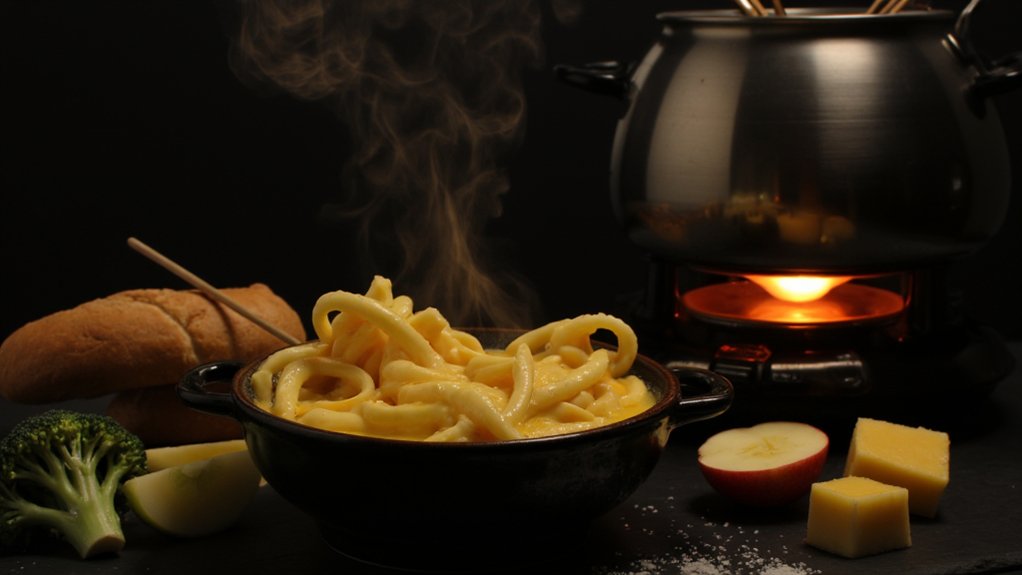
If you’ve ever cranked your electric fondue pot to high and hoped for magic, you’re not alone—but the real trick’s steadiness, not brute heat. Low keeps chocolate glossy, medium coaxes cheese smooth, and high’s just for quick preheat or a reset. Calibrate the dial, stir calm, and add ingredients gently so nothing scorches or splits. Do that, and your fondue behaves. Wanna know the exact temps, quick fixes, and the sneaky signs it’s going south?
Key Takeaways
- Warm keeps chocolate glossy and cheese silky; use briefly for holding, not melting, to prevent scorching.
- Low is a gentle simmer for chocolate (110–120°F); preheat slowly, stir, and add cream if stiff.
- Medium is the workhorse for cheese (135–160°F); melt gradually, then hold steady for smooth dipping.
- High is for quick melts or resets only; back off immediately to avoid scorching and splitting.
- Stability beats raw heat; preheat with the lid, stir, and make small dial tweaks to maintain consistent temperature.
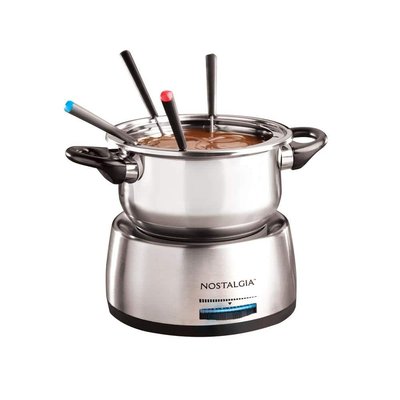

Decoding Warm, Low, Medium, and High
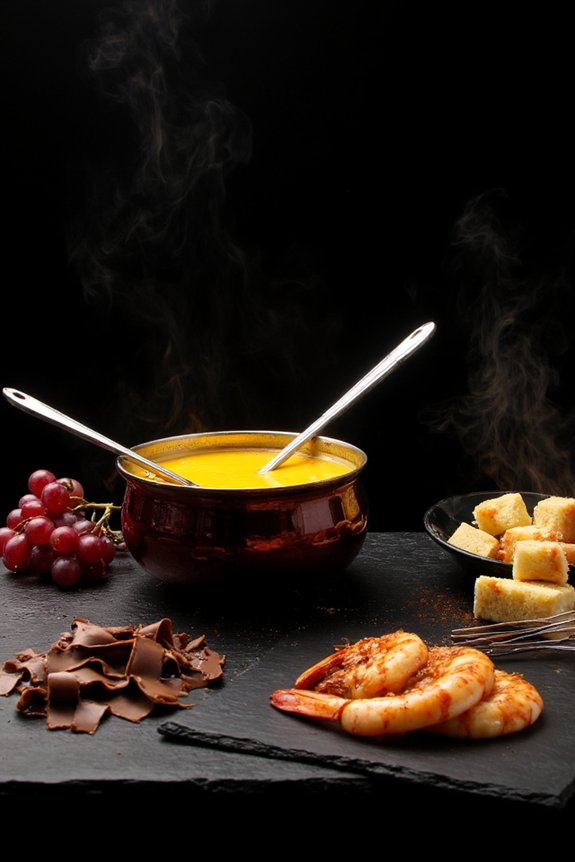
So what do those little settings actually mean, anyway? Think of Warm, Low, Medium, and High as traffic lanes for temperature control. Warm keeps cheese silky and chocolate glossy without scorching, basically a cozy hug. Low is your gentle simmer, great for melting and holding. Medium is the workhorse, where most dipping happens as things stay fluid and friendly. High steps in when you need quick melt or a reset, then you back off.
Dial markings aren’t universal, so you’ll read the pot, not just the numbers. Element placement matters too, since heat often concentrates at the bottom and slowly climbs. Use gradual preheating to avoid hot spots, stir a bit, then adjust in small nudges. Trust your eyes, nose, and well, your fork. Many electric fondue pots offer adjustable temperature control to help you fine-tune these settings for chocolate, cheese, or oil, giving you better results and safer serving.
Temperature Stability vs. Raw Heat
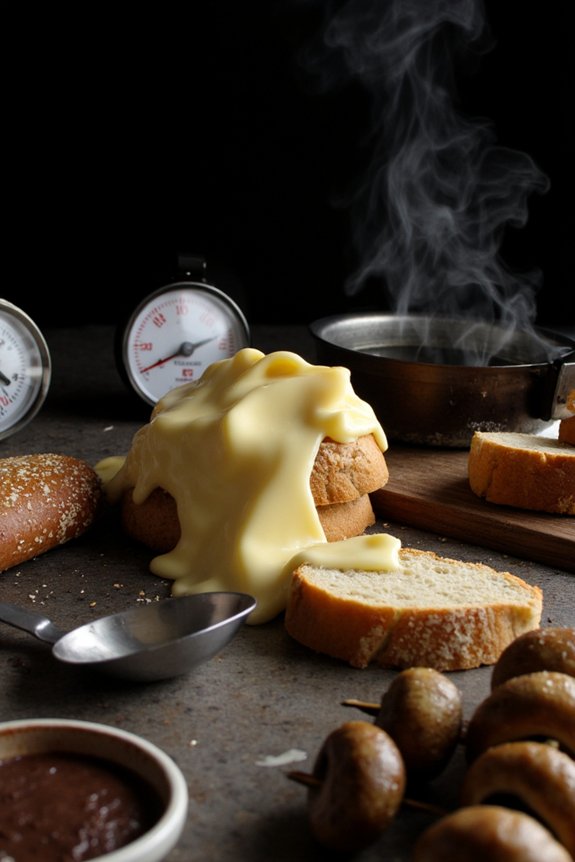
Even if the dial can crank up like a tiny flamethrower, what you really want from a fondue pot is steady, predictable heat. Big wattage sounds exciting, but it’s consistency that keeps things silky and safe. You’re looking for a pot that holds temperature without wild swings, because scorching is sneaky and clumps are a party crasher.
Thermostats work by power cycling, clicking on and off to hover near a set point. Cheap ones swing wide. Better ones keep a tight window. Ambient temperature messes with this, too, so a chilly room can make the pot hunt around more. Lid on helps. Stirring helps. Preheating helps.
Raw heat boils fast, sure, but stability keeps your fondue smooth, cooperative, and honestly way less stressful. When shopping, pay attention to precise temperature control because it’s the feature that prevents overheating and keeps your fondue experience frustration-free.
Ideal Settings for Chocolate, Cheese, and Oil
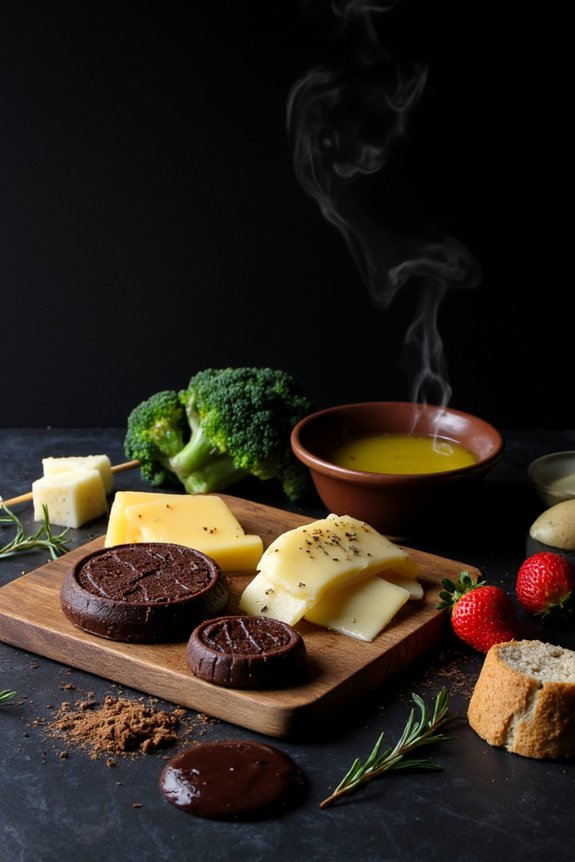
If you dial things in for what’s actually in the pot, you’ll avoid scorched chocolate, rubbery cheese, and oil that spits like it’s mad at you. For chocolate, keep it low and slow, around 110 to 120°F. Stir gently so chocolate viscosity stays silky, not thick and cranky. If it looks too stiff, add a splash of cream. Easy.
Cheese loves a cozy medium, roughly 135 to 160°F. Start low, melt gradually, then hold steady. Add acid like wine or lemon, and a bit of starch, to help cheese emulsification so it stays smooth and dippable.
Oil wants heat with manners. Aim for 350 to 375°F. Preheat with the lid on, then maintain steady bubbles. Don’t crowd the pot, or temp dives and food drinks oil. Ew.
For best results and easier cleanup, choose a fondue pot with dishwasher-safe components and smooth, non-porous surfaces to resist food buildup.
Troubleshooting Scorching, Splitting, and Soggy Frying
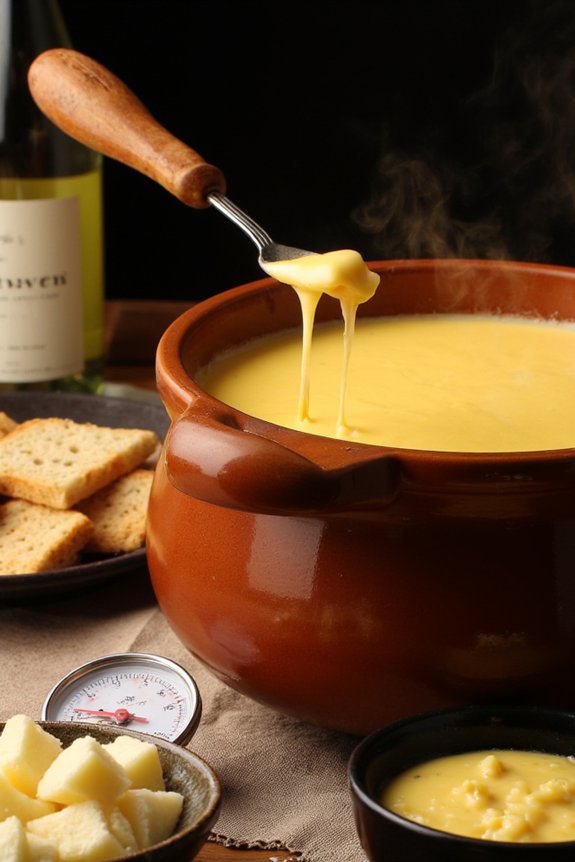
When things go sideways in a fondue pot, don’t panic, just read the clues. Scorching smells? Your pan temperature is too high or hot spots are forming. Stir gently, lower the dial a notch, and add a splash of liquid for chocolate or cheese. Splitting happens when fat separates, usually from heat spikes or cold add-ins. Warm your additions, whisk in a bit of starch or acid, and keep the temp steady. Soggy frying tells you the oil’s too cool, so preheat properly and don’t overcrowd. If you’re having persistent issues, consider how heating technology in appliances like espresso machines can affect temperature stability and overall results.
| Problem | Quick Fix |
|---|---|
| Scorching | Lower pan temperature, stir, add a splash |
| Splitting | Warm add-ins, whisk, stabilize |
| Soggy Frying | Preheat oil, fry in batches |
Regular heater maintenance helps prevent all three. Easy-peasy.
Simple Tweaks for Foolproof Fondue Results
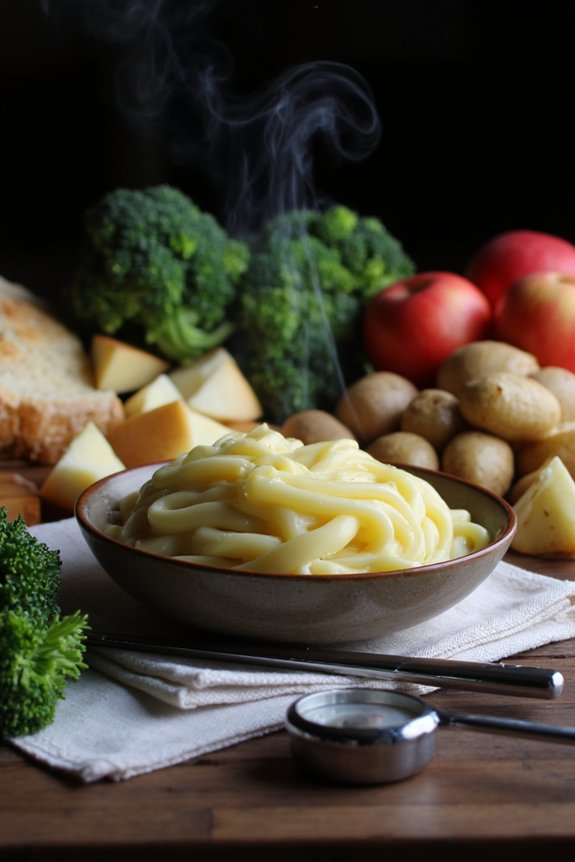
Although fondue feels fancy, the secret to foolproof results is a handful of small tweaks that make a big splash. Start with dial calibration, because the numbers don’t always match the heat. Note where your pot actually simmers and mark it with tape. Easy win. Check cord length so the plug isn’t tugged or looped around hot spots, since tension can mess with stable heat.
Try gentle power cycling when things run hot. Turn the dial down for a minute, then back to your sweet spot, and the temperature evens out. Keep the pot happy with light nonstick seasoning. A thin oil wipe after cleaning helps smoother melting and less sticking, no drama. Stir in calm circles, not frantic ones. Relax. You’ve got this.
If you’re shopping for new cookware, remember that quartz heating elements in countertop ovens deliver more precise and even heat—something to consider if you want perfectly consistent fondue every time.
Frequently Asked Questions
How Do Altitude and Humidity Affect Fondue Pot Performance?
Altitude lowers the boiling point, so you’ll need higher settings to keep cheese smooth and oil hot. Humidity increases moisture absorption, thinning mixtures; reduce added liquid and bump heat slightly. Watch texture, stir often, and adjust gradually.
Can I Use Induction-Compatible Pots on Electric Fondue Bases?
Yes, you can, but only if the base uses magnetic heating. Check induction compatibility and your cookware materials: stainless steel with magnetic base works; aluminum, copper, or glass won’t. Confirm flat contact, proper diameter, and stable temperature control.
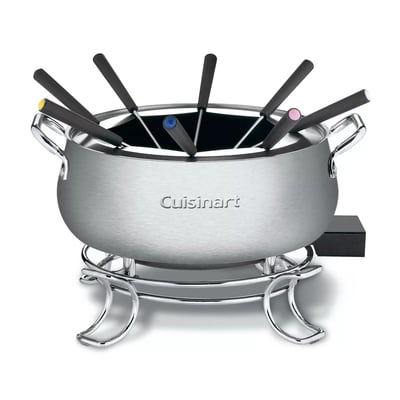
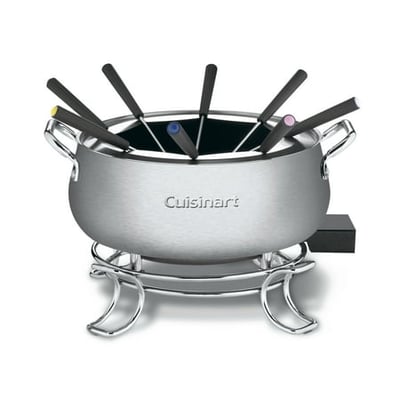
What Power Wattage Is Best for Family-Sized Fondue Parties?
You’ll want 1000–1200W for family-sized fondue parties. That 800–1200W capacity provides quick heating and recovery. Guarantee variable temperature control for chocolate, cheese, and oil, so you can simmer gently, maintain smooth textures, and fry reliably without scorching or cooling.
Are There Safety Features to Prevent Tipping or Overheating?
Yes—many pots include an auto shutoff to prevent overheating and a tip proof base for stability. You’ll also find locking lids, cool-touch handles, cord breakaways, and indicator lights, so you can serve safely and react quickly.
How Do Different Oils Impact Flavor Carryover Between Courses?
Different oils change flavor carryover: neutral oils minimize lingering tastes, while robust oils amplify flavor layering. You’ll notice sesame or peanut cling to proteins and veg. For multi-course fondue, switch oils or strain between courses to reset.
Conclusion
So here’s the real trick: don’t chase power, chase steady heat. Keep chocolate low and calm, cheese in that cozy medium zone, and use high just to preheat, then back off. Stir gently, add ingredients slowly, and you’ll dodge scorching, splitting, and sad, soggy bites. Calibrate your dial once, and you’re golden. It’s simple, really. Predictable heat equals glossy chocolate, silky cheese, and crisp frying. Do that, and your fondue night wins. No drama, just delicious.


